Best Patient Engagement Platforms in 2026: 9 Tools Compared
WLWPLegible EditorsLast verified 23 Nov 2026How we rank13 min read
★ Short answer
Luma Health is the best patient engagement platform for most health systems, with scheduling, referrals, intake and outreach in one place and the joint-highest G2 rating here. Pick Artera for AI messaging at scale, NexHealth for live-synced booking, or Curogram from $125 a month for a small practice.
How we make this list: we compare pricing pages, product documentation and public user reviews, then re-check every price before each update. No product paid for a place. Disclosure.
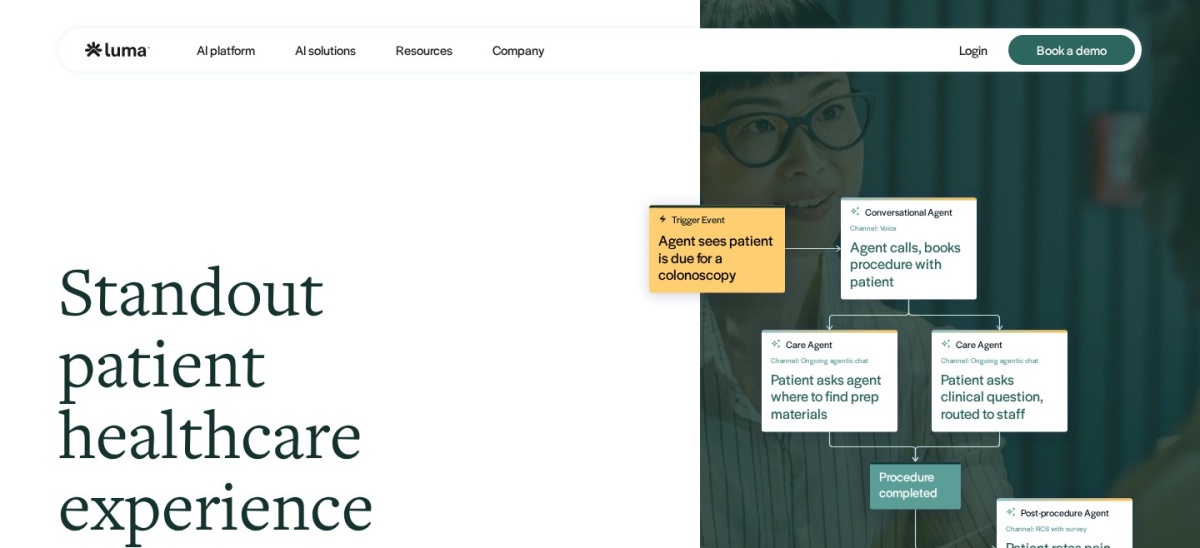
Luma Health is the most complete platform here, rated 4.8 out of 5 on G2, with scheduling, referrals, intake and outreach in one place.
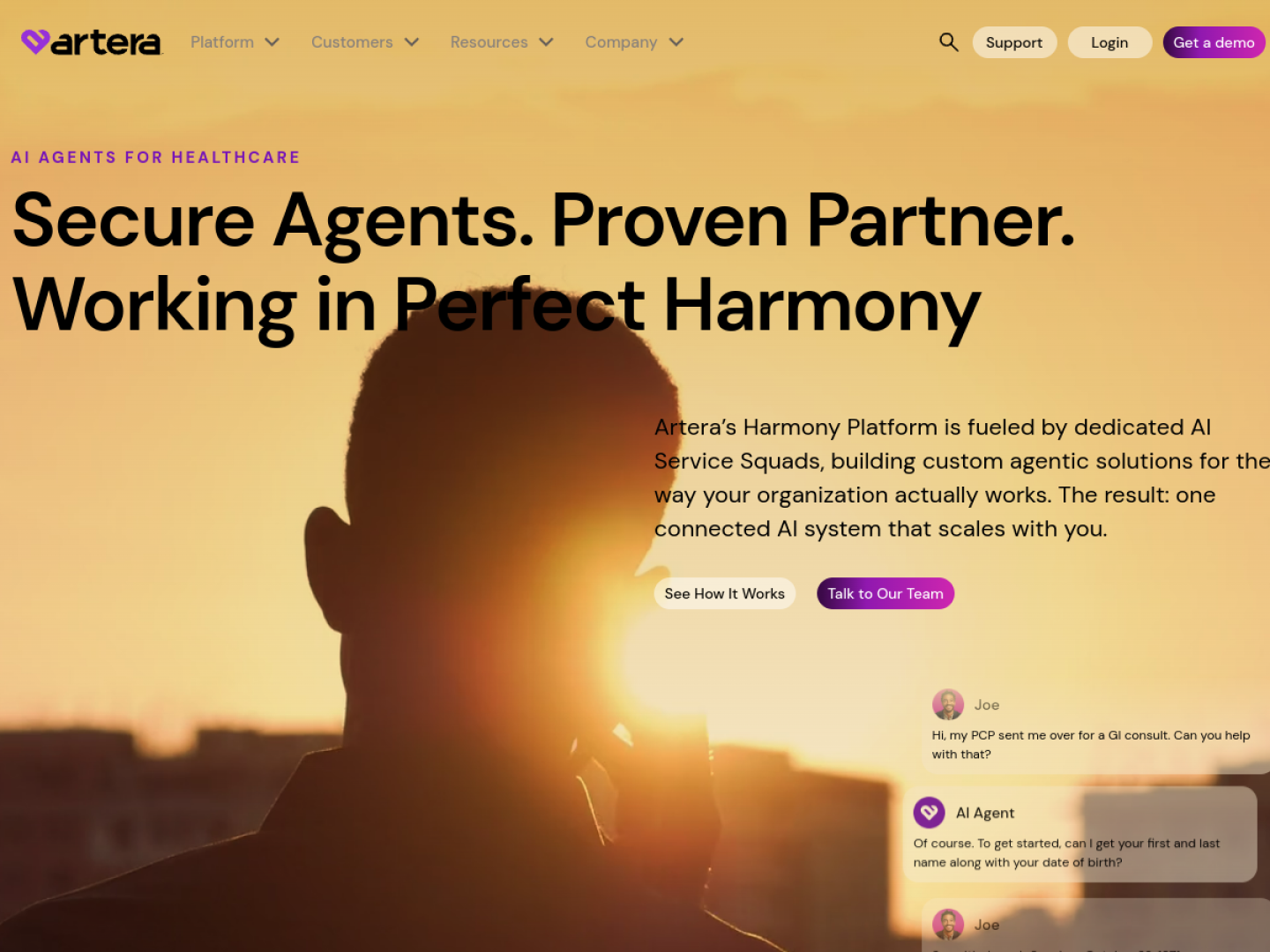
Artera leads on AI messaging with its Harmony platform, also rated 4.8 out of 5 on G2 from 109 reviews.
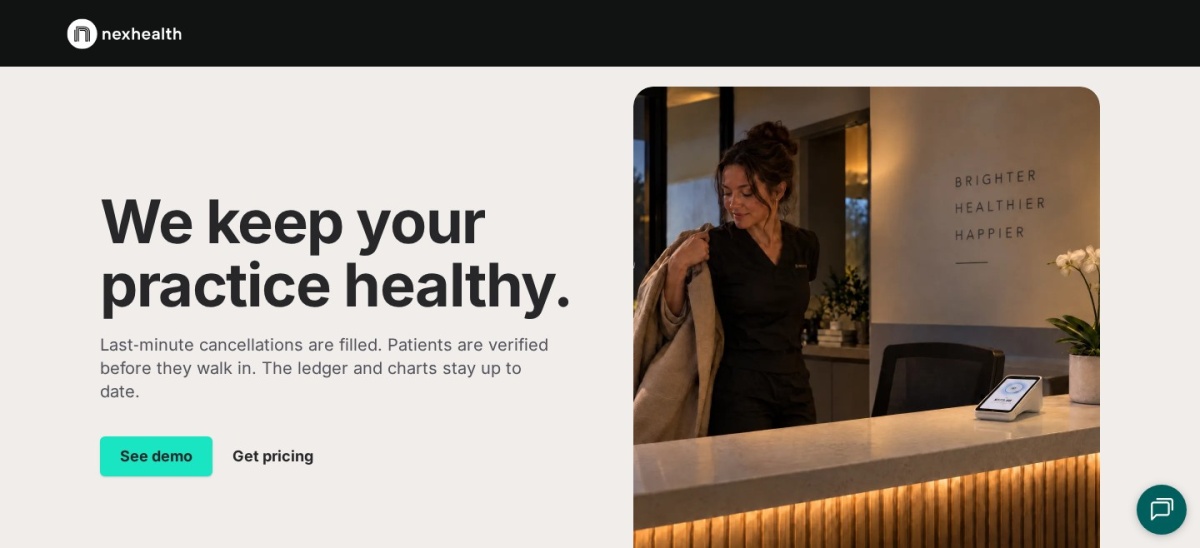
NexHealth has the largest review base among the 4.8-rated tools at 138 G2 reviews, with live two-way sync to the practice system.
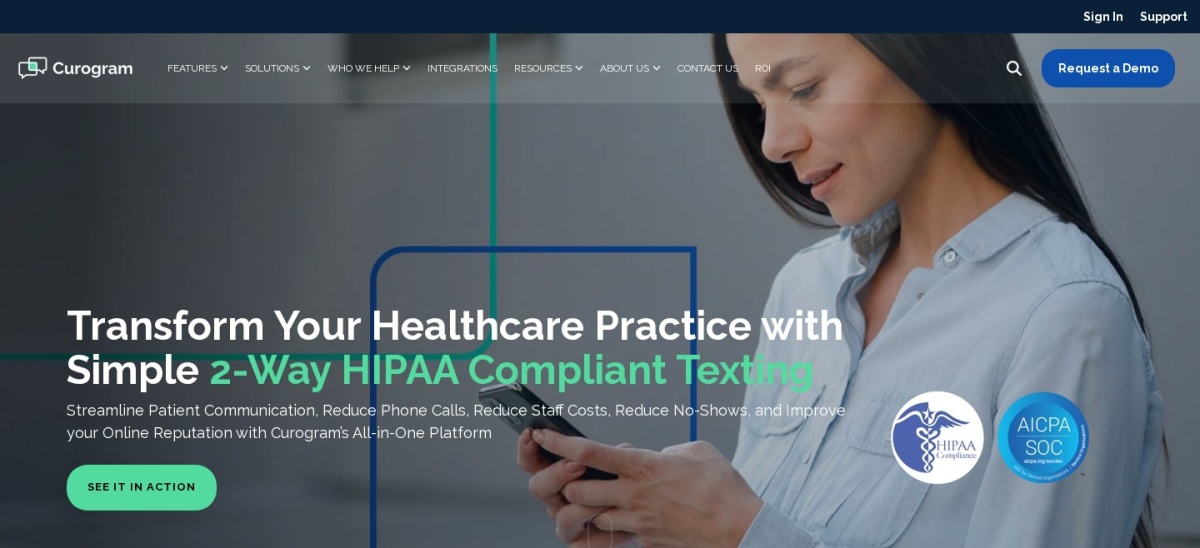
Curogram is the cheapest published starting price at $125 a month, with no per-message fees.
Four of the nine tools publish no price at all, so get every quote in writing before budgeting.
Phreesia handled about 170 million patient visits in 2024, the largest intake scale in this list.
What a patient engagement platform should cover
A patient engagement platform is the layer that reaches patients by text, email, voice and web before they ever walk in. It sends reminders, fills forms, books visits and collects payments, so the front desk spends less time on the phone.
The best fit depends on size. Health systems need EHR depth, high message volume and AI agents, while a small practice needs clear pricing, fast setup and tools staff will actually use.
AI agents now handle routine calls and chats in several of these tools. Our guide on adding an AI chatbot to WordPress explains what automated chat can and cannot do, which helps when judging vendor claims.
Price is the hardest part to compare. Four tools in this list publish no price at all, and the ones that do often quote per location, per provider or per feature, so always ask what the monthly figure includes.
Luma Health is the full-featured patient engagement platform for health systems and large clinic networks, covering scheduling, referrals, intake, eligibility checks, payments and outreach in one place. It connects with more than 80 EHR systems, including Epic and athenahealth, so bookings and messages stay in sync with the chart.
The trade off is price and scale. Pricing is quote-based and enterprise-oriented, and implementation and premium support can sit outside the base subscription, so small practices should confirm fit and total cost first. It suits health systems that want access, referrals and outreach working together.
What we like
Scheduling, waitlist, referrals and intake in one platform
Connects with 80+ EHR systems
Rated 4.8 out of 5 on G2 from 84 reviews
Guides cite no-show cuts of up to 50%
Watch out for
Quote-based pricing, not published
Enterprise focus makes it heavy for small practices
Artera is a patient communication platform built around two-way messaging and AI agents, with the Harmony platform joining voice, SMS and web channels in one Smart Inbox. It serves more than 1,000 healthcare organizations and connects with more than 30 EHR systems, so conversations stay tied to the patient record.
The trade off is enterprise pricing. Artera does not publish prices, and published guides disagree on the starting point, so buyers need a written quote tied to location count and message volume. It suits large organizations running high message volumes that want AI agents to handle routine conversations.
What we like
Two-way messaging across voice, SMS and web
AI agents with human handoff
Rated 4.8 out of 5 on G2 from 109 reviews
Vendor reports 32% fewer no-shows
Watch out for
Quote-based pricing, not published
Reviewers note limited filtering for high-volume inboxes
NexHealth is a patient experience platform whose Synchronizer reads and writes to the practice management system in real time, so an online booking, a completed form or a payment lands where staff already work. Its six products cover scheduling, messaging, forms, payments, insurance checks and analytics.
The trade off is price clarity. NexHealth prices by quote and its pricing page shows no subscription price, so the $350 a month starting figure comes from its G2 listing and should be confirmed in writing. It suits dental and medical practices that want booking, reminders, forms and payments synced live.
What we like
Real-time two-way sync with the practice system
Booking, forms, payments and verification in one place
Rated 4.8 out of 5 on G2 from 138 reviews
Month-to-month or annual billing, no cancellation fee
Watch out for
No published price on the vendor site
Card fees add 2.6% plus $0.07 per in-office payment
Curogram is the transparent pricing pick in this list, with two-way texting, reminders, mobile apps and review requests built for small and mid-size practices. It connects with any EMR system and charges no per-message fees, so costs stay predictable even in busy months.
The trade off is breadth. The feature set is smaller than enterprise platforms and its AI tools are less advanced than Artera's or Luma's, so large systems will outgrow it. It suits small practices that want honest pricing and the core messaging features without enterprise complexity.
What we like
Starting price of $125 a month, usage-based
No per-message fees
Connects with any EMR system
Rated 4.8 out of 5 on G2 from 117 reviews
Watch out for
Smaller feature set than enterprise platforms
Older guides list a $200 starting price, so confirm the current tier
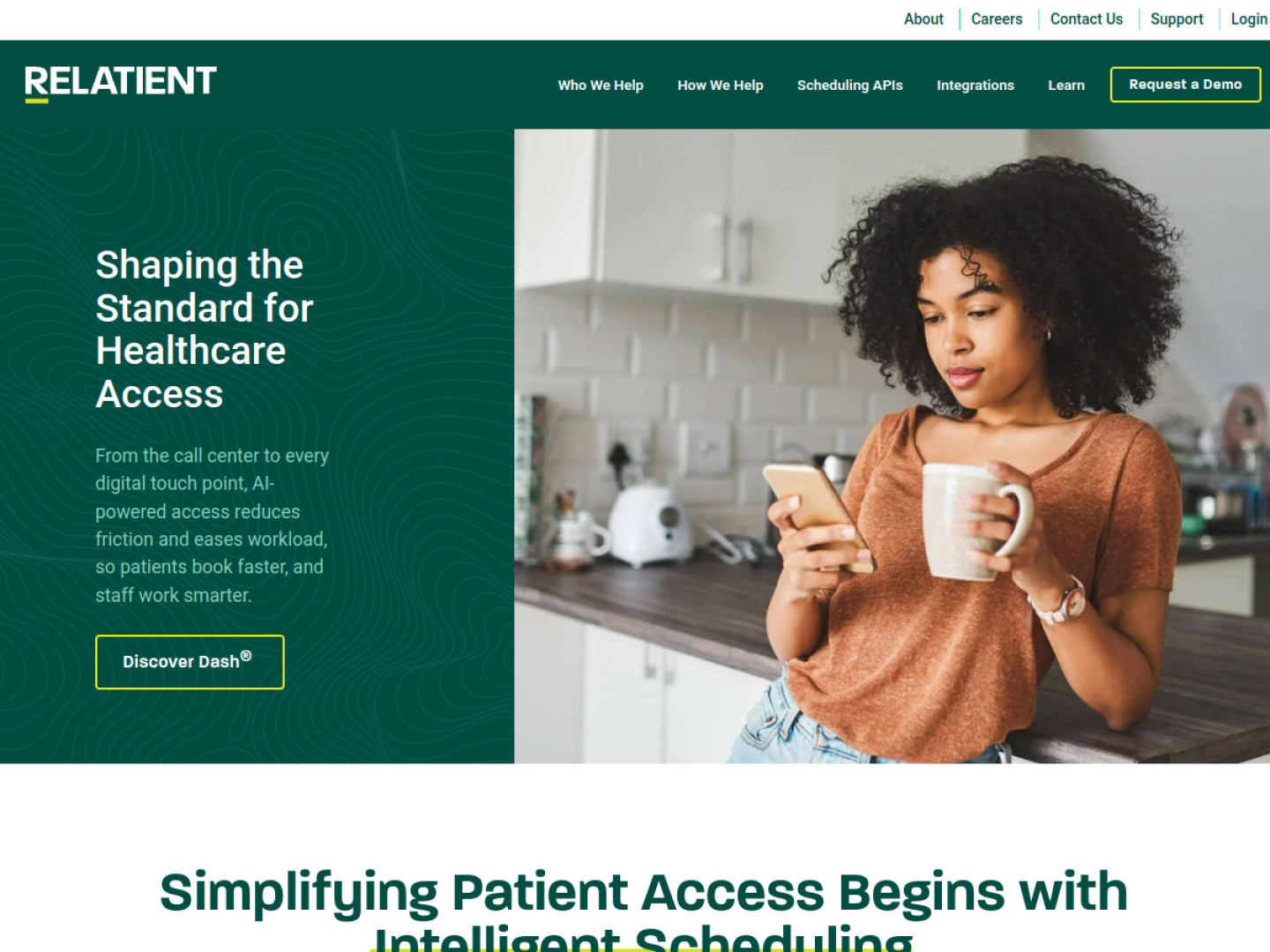
Relatient is a digital front door for primary and urgent care, built around its Dash platform for intelligent scheduling, digital registration and omnichannel messaging. Reminders and recalls are its core strength, with patients able to book, confirm and reschedule without calling the front desk.
The trade off is a thin review base and quote-only pricing. Its 4.8 G2 rating rests on 27 reviews, and buyers must ask for a quote, so smaller groups should weigh the strong scores against the small sample. It suits mid-size practices that want scheduling and reminders working together.
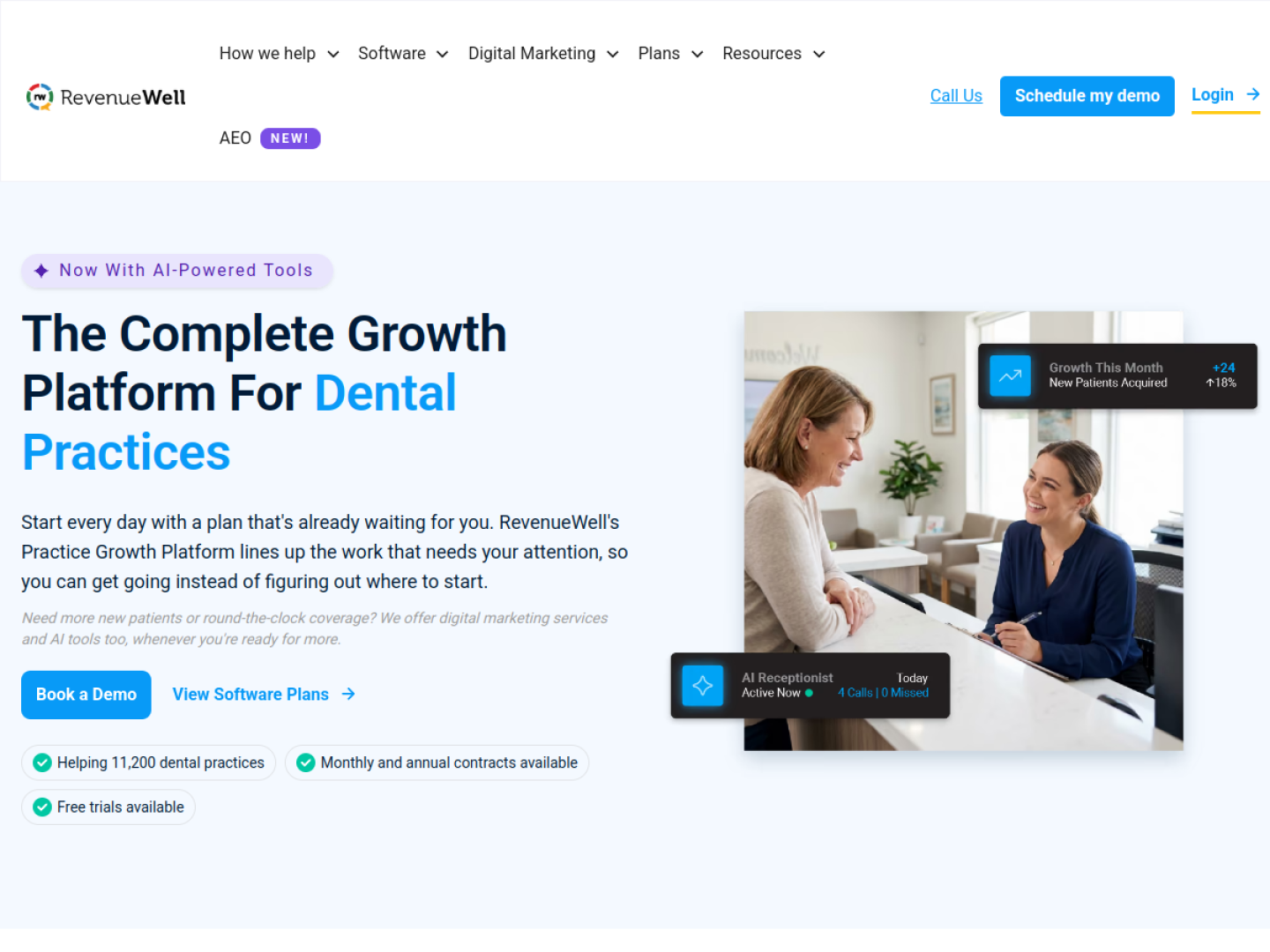
RevenueWell is a growth platform for dental practices, combining reminders, recalls, messaging, reviews and an AI receptionist in one place. Its homepage states it serves 11,200 dental practices, and free trials are available, so a practice can test the workflow before committing.
The trade off is focus and price sourcing. It is built for dentistry first, so medical practices will find less depth, and the $189 starting price comes from its G2 listing rather than a published price page. It suits dental practices that want recalls, reviews and messaging together.
What we like
Purpose-built for dental practices
Free trials available
Rated 4.7 out of 5 on G2 from 142 reviews
Monthly and annual contracts available
Watch out for
Dental focus limits fit for medical groups
Starting price is G2-listed, not on the vendor site
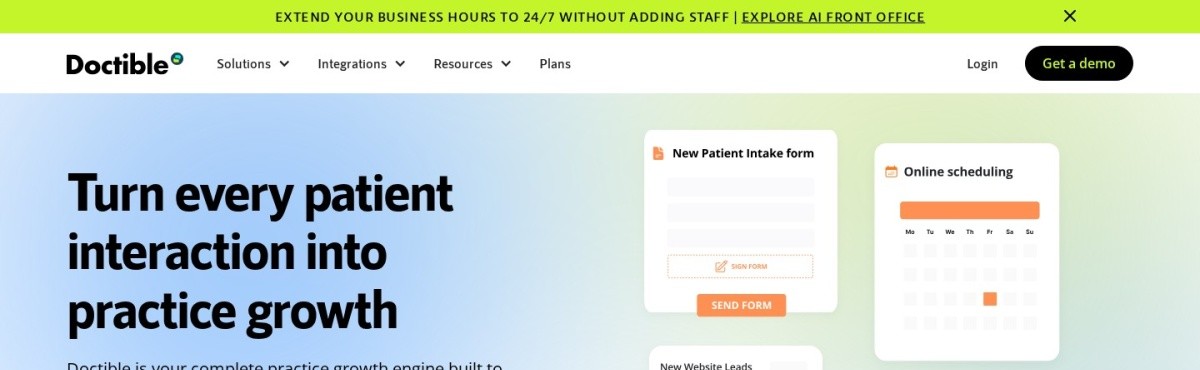
Doctible is a patient engagement and growth platform for medical, dental and aesthetic practices, built to turn website traffic into booked appointments. Its Gold plan covers web chat and lead capture, two-way texting, online scheduling, reminders and reviews, with a free trial to start.
The trade off is price history. Gold now lists at $249 a month on G2, while older listings show $199, so buyers should confirm the current rate before budgeting. It suits small practices that want a clear monthly price and a strong focus on new-patient growth.
What we like
Flat published tiers, Gold at $249 a month
Web chat turns visitors into bookings
Rated 4.8 out of 5 on Capterra from 265 reviews
Free trial available
Watch out for
Gold price rose from $199 in older listings
Only 18 reviews on G2 behind a 4.5 rating
Growth focus means less depth on clinical workflows
Gold Plus adds recall and reputation tools at $399 a monthVisit doctible.com
08
Phreesia
4.3/5on Capterra (170 reviews, checked Nov 2026)
PricingCustom/yr
Best for intake and registration at scale
Patient visits in 2024About 170 million
Insurance verificationYes, at check-in
Payments at check-inYes
PricingQuote-based
phreesia.com
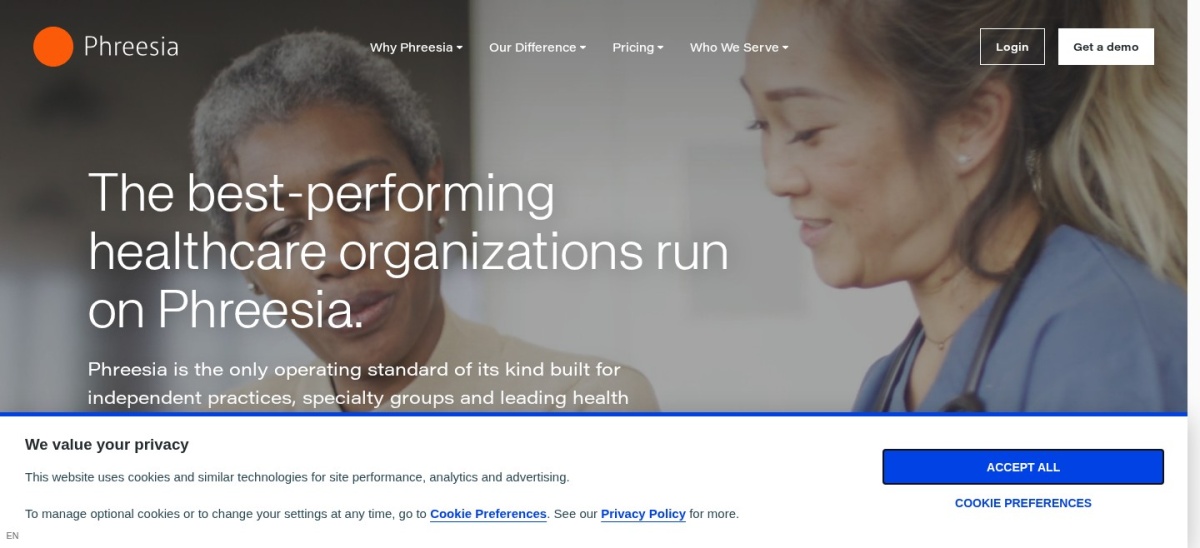
Phreesia homepage, captured Nov 2026.
Phreesia is the intake and registration pick, handling about 170 million patient visits in 2024 with digital forms, insurance verification and copay collection at check-in. Its VoiceAI tools add call handling, and it integrates both ways with Epic, athenahealth and other major EHR systems.
The trade off is scope and price. Pricing is quote-based and the platform is built for groups of 25 or more providers, so small practices will find it heavy, and patient-side reviews complain about repetitive intake questions. It suits large groups whose biggest pain is registration.
What we like
Largest dedicated intake vendor in this list
Insurance checks and payments at check-in
Two-way integrations with major EHR systems
VoiceAI handles scheduling and payment calls
Watch out for
Quote-based pricing, not published
Built for large groups, not small practices
Lowest G2 score here at 3.9 from 45 reviews
Pricing is quoted; a free-intro offer has applied at timesVisit phreesia.com
09
Solutionreach
4.3/5on G2 (170 reviews, checked Nov 2026)
Starts at$199/mo
Best for reminders and reputation at scale
Interactions a year1B+
System integrations400+
AI receptionistYes, Stella
Starting price$199/mo
solutionreach.com
Solutionreach homepage, captured Nov 2026.
Solutionreach is a long-running patient communication platform covering reminders, recalls, messaging, review requests and scheduling, with more than 1 billion interactions a year and 400-plus system integrations. Its AI receptionist, Stella, answers calls and handles scheduling when staff cannot.
The trade off is price and polish. Its pricing page says plans start at $199 a month, while G2 lists a $329 flat rate, so buyers should get the current tier in writing, and reviewers flag an aging interface. It suits practices that want proven reminders and reputation tools at a known starting price.
What we like
More than 1 billion interactions a year
400-plus system integrations
AI receptionist handles after-hours calls
Starting price of $199 a month on its pricing page
Watch out for
G2 lists a $329 flat rate, conflicting with the $199 start
Four tools in this list publish no price, and the rest quote per location, per provider or per feature. The monthly figure in a quote is only the start of the cost.
Ask about per-location fees, message volume limits, AI agent charges and implementation fees before you sign. One guide notes that implementation and premium support can sit outside the base subscription.
Confirm the business associate agreement in writing, and check how the vendor stores messages, photos and payment details. A platform that looks cheap can turn costly once usage and add-ons are counted.
How we chose
We started from the patient engagement platforms with the largest review bases on G2 and Capterra, then kept nine that cover health systems, mid-size groups, dental practices and small clinics.
Prices and ratings were checked on 23 November 2026. Ratings come from G2 or Capterra, named per tool, and prices come from vendor pricing pages or vendor-provided G2 listings where the vendor publishes no price. Where two sources disagreed on a price, the list shows one figure and the notes flag the conflict.
We left out tools whose homepage no longer shows the product as a standalone platform, and tools with far smaller review bases than the nine kept. No vendor paid for a place, and we do not claim hands-on testing for this list.
How to choose a patient engagement platform
Start with your EHR, then match the tool to your size and your busiest workflow.
Confirm the EHR integration first. Ask whether it reads and writes in real time for your exact system, and what breaks if the sync fails.
Get the full price in writing. Ask about per-location fees, message limits, AI agent charges and implementation, since the headline monthly figure rarely covers everything.
Pilot one workflow at one location. Start with reminders or intake, then measure no-show rates and front-desk call volume against your baseline before rolling out.
Check privacy paperwork before signing. Confirm the business associate agreement and how messages, photos and payments are stored, not just the marketing claim.
FAQ
What is the best patient engagement platform?
Luma Health is the strongest pick for health systems, with scheduling, referrals, intake and outreach in one platform and a 4.8 out of 5 G2 rating from 84 reviews. Small practices should compare Curogram from $125 a month and RevenueWell for dental.
How much does patient engagement software cost?
Published starting prices here run from $125 to $350 a month, while Luma Health, Artera, Relatient and Phreesia are quote-based. Always get a written quote that covers per-location fees, message volume and implementation.
Does patient engagement software reduce no-shows?
Guides cite no-show reductions of up to 50% from automated reminders, two-way messaging and smart scheduling, and Artera reports a 32% reduction. Results vary by practice, so measure your own baseline first.
What is the difference between patient engagement and patient intake software?
Engagement covers the whole journey — messaging, scheduling, reminders and outreach — while intake focuses on registration, forms, insurance checks and payments at check-in. Phreesia is the intake specialist here; Luma Health covers the full journey.
Do these platforms work with my EHR?
Most connect with major systems such as Epic and athenahealth, but depth varies. NexHealth syncs in real time, while others may only read from the record, so confirm write-back for your exact EHR before buying.
Is patient engagement software HIPAA compliant?
Vendors describe their platforms as HIPAA compliant, but compliance is a shared obligation. Confirm the business associate agreement and your own configuration, including who can message patients and how photos are stored.