Best Paper Trading Platform in 2026: 9 Tools Compared
WLWPLegible EditorsLast verified 23 Nov 2026How we rank10 min read
★ Short answer
TradingView is the best paper trading platform for most traders, with a free paper account on the charts they already use and a 4.5/5 G2 rating. Pick Webull for free options practice on mobile, or thinkorswim for pro-grade options and futures simulation.
How we make this list: we compare pricing pages, product documentation and public user reviews, then re-check every price before each update. No product paid for a place. Disclosure.
TradingView leads with a 4.5/5 G2 rating and the only paper account built straight into the chart.
Paper trading is free on all 9 platforms, so the choice comes down to data, assets and account rules.
Webull gives unlimited virtual funds with free Level 2 data, but scores only 1.3/5 on Trustpilot for broker service.
moomoo gives $1 million for stocks and options and up to $10 million for futures, with no brokerage account needed.
TradeStation needs a funded account for its simulator, and Interactive Brokers needs an approved live application for its full paper account.
What makes a paper trading platform worth using
Paper trading lets you place simulated trades with virtual money and real market prices. It is the cheapest way to learn order types, position sizing and risk control before real money is at stake.
The simulator matters more than the virtual balance. Every platform here hands out large fake balances, from $100,000 to $1 million, so the balance tells you nothing. What matters is whether fills, data and fees behave like the live market.
Data is the first thing to check. Some simulators run on real-time quotes, some on delayed data, and a few charge extra for live feeds. A simulator on 15-minute delayed data teaches bad habits for intraday practice.
Match the simulator to the market you will trade. Options practice needs multi-leg orders and Greeks, futures practice needs a DOM and replay, and copy trading needs a social feed. Pick the tool built for your market, not the one with the biggest balance.
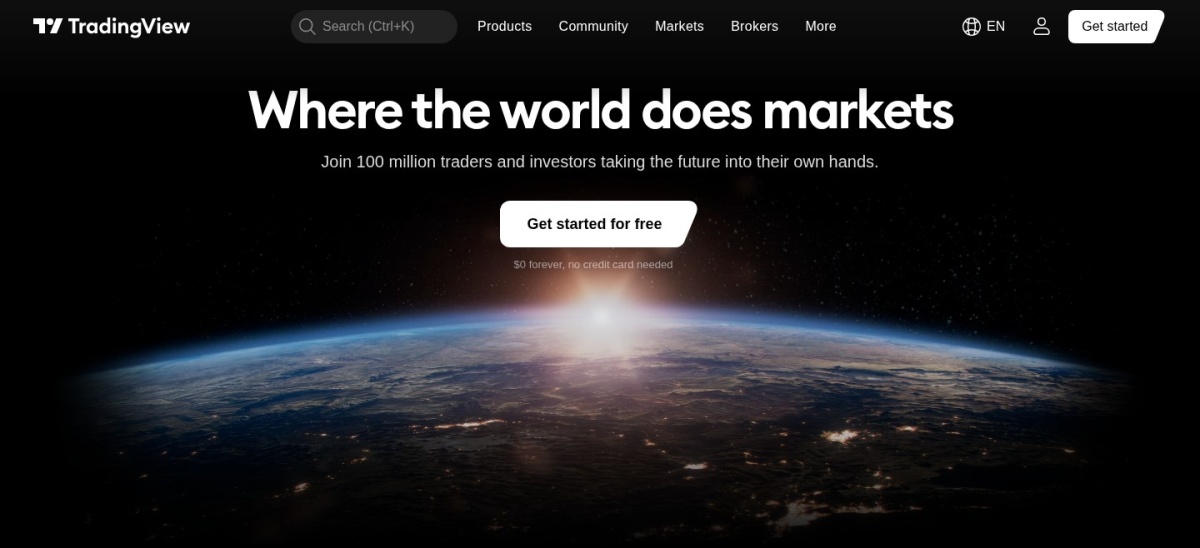
TradingView is a charting platform with a paper trading account built into the chart. The free Basic plan covers one chart, two indicators per chart and a $100,000 virtual balance you can reset, with orders placed straight from the chart.
The trade off is data and limits. Free users get delayed data on some markets, and real-time feeds cost extra, while more indicators and alerts need Essential at $14.95 a month. It suits traders who practice on the charts they already use.
1.3/5on Trustpilot (425 reviews, checked Nov 2026)
PriceFree
Best for options practice on mobile
Virtual fundsUnlimited, reset any time
OptionsYes, multi-leg
Level 2 dataYes, free
Paper mode capNo pattern day trader cap
webull.com
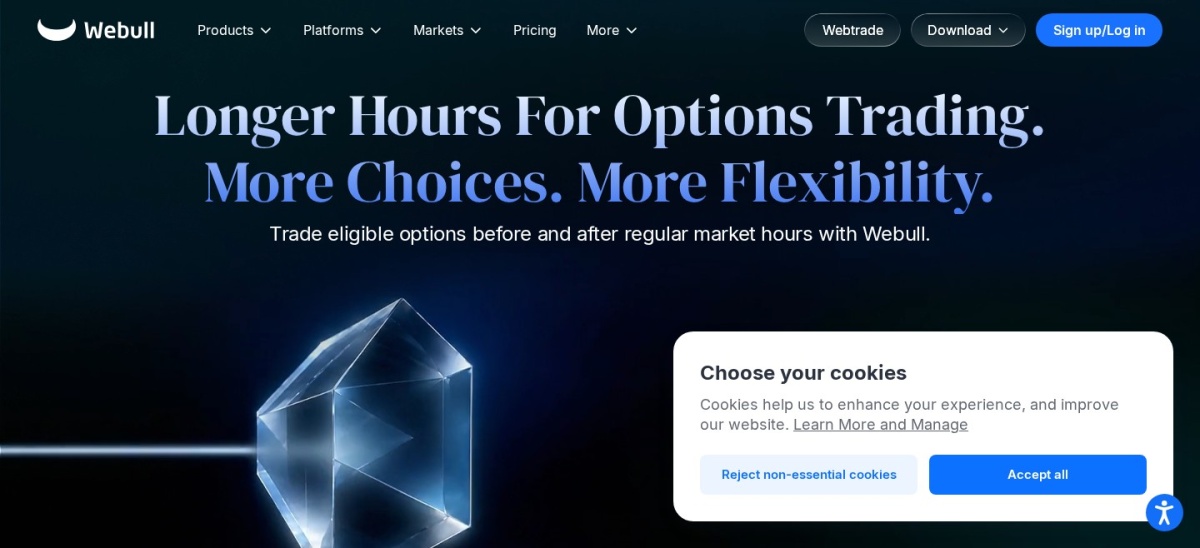
Webull homepage, captured Nov 2026.
Webull is a commission-free broker whose app includes a paper trading mode with real-time data and Level 2 quotes. Paper trading is free with a Webull account, and virtual funds are unlimited and reset any time.
The trade off is support. Webull scores 1.3 out of 5 on Trustpilot, with most complaints about account access and customer service rather than the simulator itself. It suits active traders who want options practice on a phone.
What we like
Unlimited virtual funds, reset any time
Free Level 2 data and multi-leg options
Real-time data with no pattern day trader cap in paper mode
thinkorswim is Schwab's pro-grade trading platform, and its paperMoney mode mirrors the live platform. It covers stocks, options, futures and forex with real-time data and a $100,000 virtual balance, plus a 30-day guest pass that needs no account.
The trade off is complexity. The desktop platform packs in so many tools that beginners can feel lost, and the full paper account needs a Schwab login. It suits traders who want to practice on the platform they will use for real.
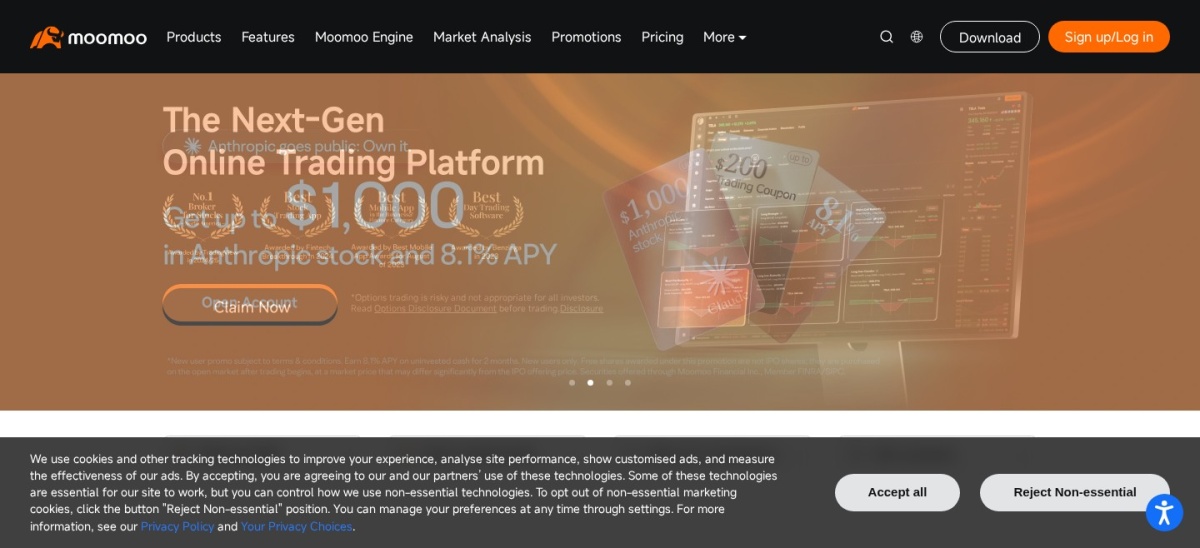
moomoo is a commission-free broker with a paper trading mode that needs no brokerage account. It gives $1 million in virtual funds for stocks and options, up to $10 million for futures, with real-time quotes and free Level 2 data.
The trade off is the learning curve. The app packs in screeners, institutional data and AI tools, so new users need time to find their way around. It suits traders who want deep market data without paying for it.
What we like
Largest virtual balance for futures at $10 million
4.5/5on Trustpilot (1,484 reviews, checked Nov 2026)
PriceFree
Best for automated strategy practice
SimulatorFree with funded account
BacktestingYes, EasyLanguage
AssetsStocks, options, futures
PlatformTradeStation 10, web, mobile
tradestation.com
TradeStation homepage, captured Nov 2026.
TradeStation is a broker built for systematic traders, and its simulator runs inside the same platform as live trading. It covers stocks, options and futures, with backtesting in EasyLanguage and a new Titan X desktop platform.
The trade off is access. The simulator needs a funded account, and real-time data beyond the basics can cost extra. It suits traders who want to practice automated strategies on a pro platform.
3/5on Trustpilot (5,583 reviews, checked Nov 2026)
PriceFree
Best for global multi-asset practice
Virtual balance$1,000,000
MarketsStocks, options, futures, forex
Full paper accountNeeds approved live application
Free trialSame day, delayed data
interactivebrokers.com
Interactive Brokers homepage, captured Nov 2026.
Interactive Brokers is a global broker whose paper account mirrors a live account across stocks, options, futures, forex and fixed income. A free trial opens the same day on delayed data, and the full $1,000,000 paper account opens once a live application is approved.
The trade off is complexity. Trader Workstation is built for professionals, and opening the full paper account means completing a live application first. It suits experienced traders who want to practice across global markets.
3.8/5on Trustpilot (1,271 reviews, checked Nov 2026)
Paid from$99/mo
Best for futures practice
Simulated tradingFree, no time limit
Market replayNeeds funded account
Paid planMonthly, $99/mo
AssetsFutures and forex
ninjatrader.com
NinjaTrader homepage, captured Nov 2026.
NinjaTrader is a futures trading platform with free simulated trading and backtesting and no time limit. The free plan covers charting, market analysis and trade simulation, with NinjaScript for automated strategies.
The trade off is data. Real-time top-of-book data, Market Replay and Order Flow+ need a funded, approved live account, and the paid monthly plan costs $99 a month. It suits futures traders who want to practice on a full platform.
eToro is a social trading platform with a free virtual portfolio of $100,000. Paper traders can copy the moves of experienced traders, follow their portfolios and practice on stocks, crypto and ETFs in one app.
The trade off is depth. Charting and order tools are basic next to TradingView or thinkorswim, and reviewers note high fees and slow withdrawals on live accounts. It suits beginners who learn by watching other traders.
E*TRADE is a retail broker whose Power E*TRADE app includes a paper trading mode for stocks and options. It covers the basics well, with options tools and screeners in the same app used for live trading.
The trade off is depth. It lacks the advanced simulation and backtesting of thinkorswim or TradeStation, and paper trading sits in the Power E*TRADE app rather than the flagship app. It suits investors who want a simple place to practice options.
Paper trading vs real trading: what the simulator hides
A simulator removes the two hardest parts of trading: emotion and slippage. Virtual losses do not hurt, and fills often happen at the exact price you asked for.
Real trading adds commissions, spreads, partial fills and the urge to move a stop. None of that shows up in a paper account, so treat paper profits as proof you can follow a plan, not proof the plan makes money.
Use paper trading to learn mechanics and to check a strategy over many trades. When the rules feel automatic, move to small real size and compare the results before you scale up.
How we chose
We started from the paper trading platforms that appear most often in 2026 broker comparisons, then kept the nine with a public G2 or Trustpilot rating and a working simulator.
Prices come from each vendor's pricing page, checked on 23 November 2026. Paper trading is free on all nine, so the prices shown are for the cheapest paid plan of the platform. Ratings and review counts come from G2 and Trustpilot on the same day.
We left out classroom simulators with no broker behind them and platforms with no public rating. No vendor paid for a place, and this list is based on pricing, docs and reviews, not on using the tools ourselves.
How to choose a paper trading platform
Start with the market you plan to trade, then check the data and the account rules.
Pick your market first. Stocks, options, futures and crypto need different tools. A futures simulator with a DOM beats a stock app for futures practice, and an options simulator needs multi-leg orders.
Check the data feed. Real-time quotes matter for intraday practice. If the free plan runs on delayed data, either pay for the feed or pick a broker that includes it free.
Check the account rules. Some simulators need a funded account or an approved application. Read the gate before you plan your practice around a tool.
Trade a written plan, then review it. Write the entry, stop and size before each trade, then review the log weekly. A simulator only helps if you treat the virtual money like real money.
FAQ
What is the best paper trading platform?
TradingView is the best paper trading platform for most traders, with a free paper account, a $100,000 virtual balance and a 4.5/5 G2 rating. Webull is the best free option for options practice on mobile, and thinkorswim is the strongest for options and futures.
Is paper trading really free?
Yes, on every platform in this list. TradingView, Webull, thinkorswim, moomoo, Interactive Brokers, TradeStation, NinjaTrader, eToro and E*TRADE all offer paper trading at no cost, though TradeStation needs a funded account and IBKR needs an approved application for its full paper account.
How much virtual money do you get?
TradingView and thinkorswim start at $100,000, moomoo gives $1 million for stocks and options and up to $10 million for futures, and Interactive Brokers gives $1,000,000. Webull offers unlimited virtual funds that reset any time.
Does paper trading use real-time data?
Mostly yes. Webull, moomoo and thinkorswim run on real-time data, while TradingView gives real-time data for crypto and delayed data for some other markets on the free plan. Interactive Brokers opens a free trial on 10 to 15 minute delayed data.
Can you practice options in paper trading?
Yes. Webull, thinkorswim, moomoo, TradeStation and E*TRADE all support options in their simulators, with multi-leg orders on Webull and thinkorswim. TradingView paper trading does not cover options.
Is paper trading good for beginners?
Yes, it is the safest way to learn. Start with one market, one order type and a written plan, and track every trade. Move to real money only after you can follow the plan for several weeks without breaking your own rules.