Best Marketing Intelligence Software in 2026: 8 Tools Compared
WLWPLegible EditorsLast verified 23 Nov 2026How we rank9 min read
★ Short answer
Semrush is the best marketing intelligence software for most teams: one Pro subscription at $139.95 a month covers SEO, ads, traffic and content data, rated 4.4 out of 5 from 4,035 G2 reviews. SpyFu is the cheapest serious alternative at $39 a month, and Klue is the best pick for sales battlecards.
How we make this list: we compare pricing pages, product documentation and public user reviews, then re-check every price before each update. No product paid for a place. Disclosure.
Semrush Pro costs $139.95 a month and covers SEO, PPC, traffic and content data in one subscription.
SpyFu Basic costs $39 a month and is the cheapest serious competitor ad spy in this list.
Crayon, Klue and Kompyte publish no prices, so expect custom quotes and annual contracts.
Similarweb Starter is widely reported around $199 a month, but the vendor publishes no prices.
Adbeat has the thinnest review base here at 9 G2 reviews, despite its niche in display ad intelligence.
What to look for in marketing intelligence software
Marketing intelligence answers one question: what are competitors doing, and is it working? The tools split into three jobs: traffic and SEO data, ad creative intelligence, and sales battlecards.
Semrush and Similarweb cover traffic and search. SpyFu and Adbeat cover ad copy and display creative. Crayon, Klue and Kompyte watch competitors and turn the changes into battlecards that land in the CRM.
Price splits the list in two. Semrush, SpyFu, Adbeat and BuiltWith publish prices from $39 to $295 a month, while Similarweb, Crayon, Klue and Kompyte are all quote-only. Our guide on SEO tools covers the search side in more depth.
Check the review base before trusting a score. Adbeat scores 4.1 from 9 reviews, while Semrush scores 4.4 from 4,035, so the two numbers carry very different weight.
Semrush is the default marketing intelligence purchase for a reason: one Pro subscription answers the questions that otherwise require three tools. It covers keyword research, position tracking, site audits, backlink analysis and competitor PPC, with 5 projects and 500 tracked keywords on Pro.
The trade off is the price and the upsell. Pro costs $139.95 a month, or $117.33 a month billed annually, and content marketing tools, historical data and API access need Guru or Business. It fits marketing teams that want competitor SEO, PPC and traffic data in one subscription.
Similarweb is the reference for competitor website traffic and audience behaviour, rated 4.4 out of 5 from 1,236 G2 reviews. It estimates visit volume, channel mix and audience overlap, which is the fastest way to size a market and see who is winning it.
The trade off is pricing. Similarweb publishes no prices, and Starter is widely reported around $199 a month, so every number above that needs a sales call. It fits marketers and analysts benchmarking competitor traffic at scale.
Klue is the highest-rated tool in this list at 4.7 out of 5 from 443 G2 reviews. It builds dynamic battlecards that land inside Salesforce, Slack, Highspot and Gong, and runs structured win/loss analysis so reps know how to compete against each rival.
The trade off is cost. Klue publishes no prices, with estimates around $20,000 to $30,000 a year, and it needs a product marketing owner to run it. It fits product marketers building a competitive enablement program for sales.
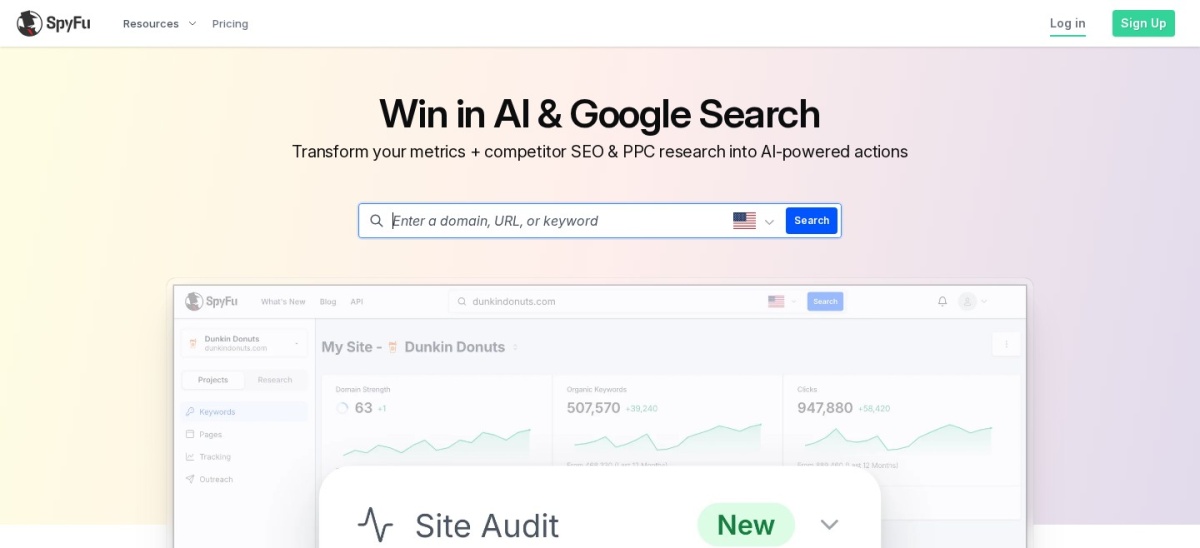
SpyFu is the cheapest serious competitor ad spy in this list, rated 4.6 out of 5 from 518 G2 reviews. Basic costs $39 a month and covers unlimited searches across competitor keywords and Google Ads copy, with an archive of ad copy that goes back over a decade.
The trade off is depth. It covers search ads and keywords well but not display creative, traffic estimates or battlecards. It fits small businesses and freelancers doing competitor keyword and ad research on a budget.
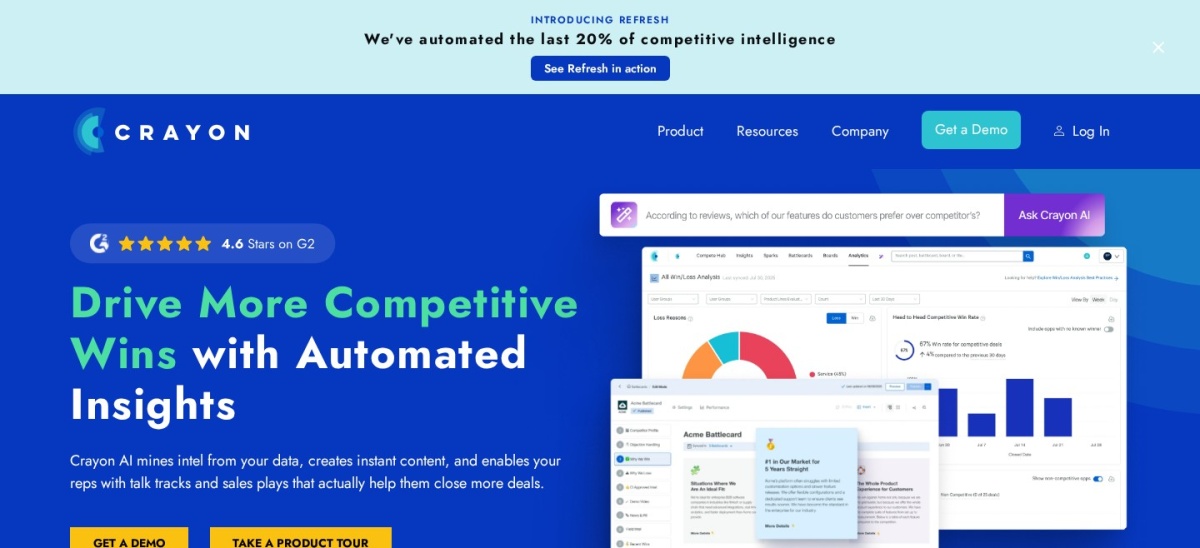
Crayon is a competitive intelligence tool that watches competitors for you. Its crawlers track website changes, pricing updates, review shifts and messaging changes, then analysts curate the noise into battlecards that land in your CRM.
The trade off is price and fit. Crayon is quote-only, with estimates near $25,000 a year, and it suits formal competitive intelligence programs, not one-off research. It fits enterprises that want automated competitor tracking feeding sales battlecards.
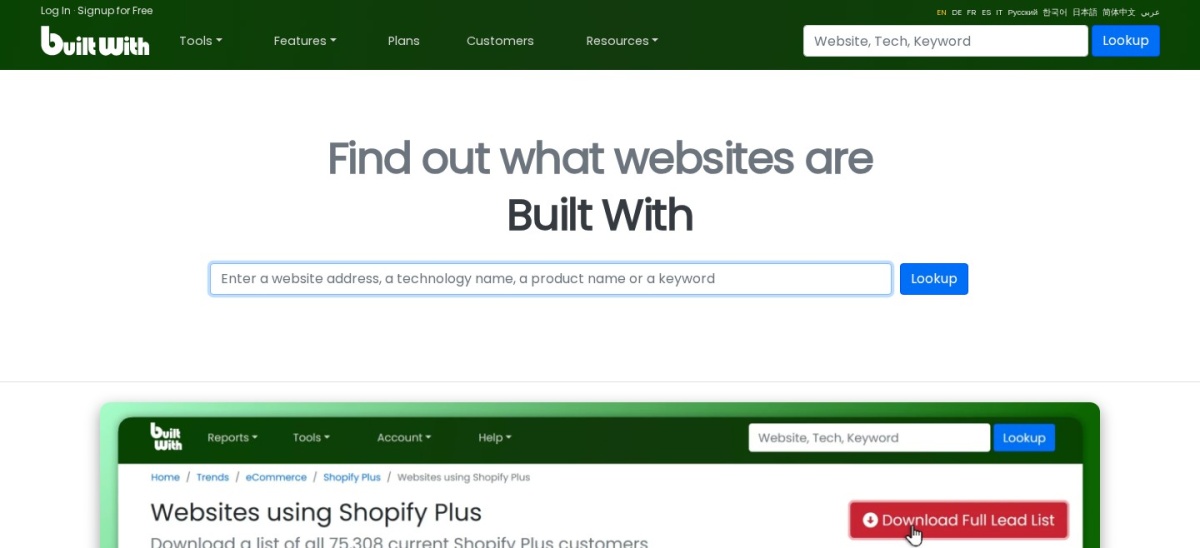
BuiltWith is a technology profiler that answers a narrow question well: what technology does a competitor's website run on. It profiles the stack, from analytics and ad tech to ecommerce platforms, and lets sales and marketing teams build lead lists from sites using a given tool.
The trade off is price for a narrow job. Basic costs $295 a month, which is steep for a single-purpose lookup, and it does not cover traffic, keywords or ad creative. It fits teams that prospect by technology stack.
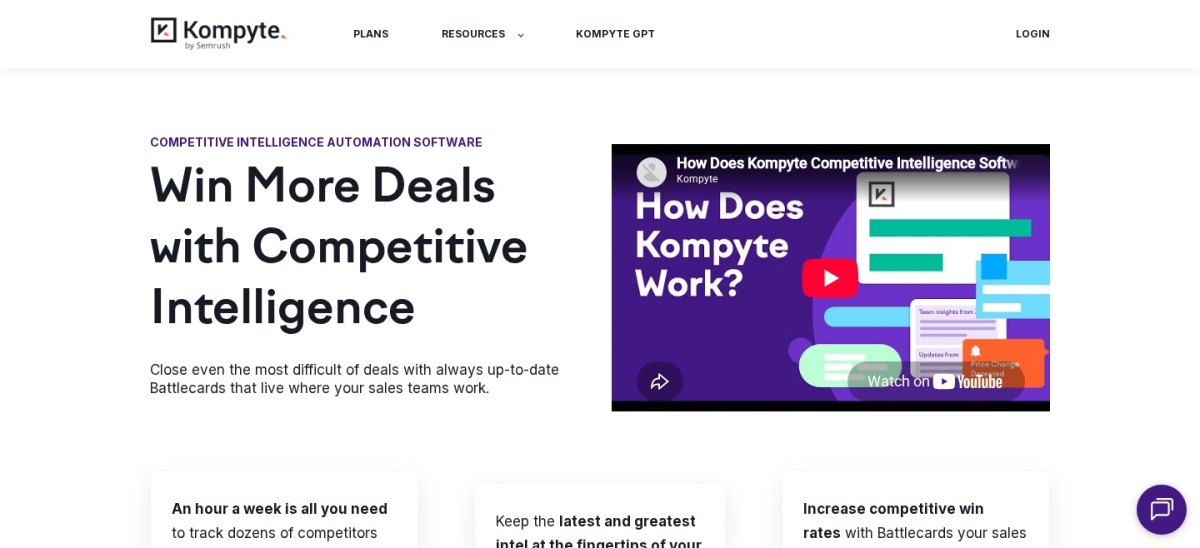
Kompyte is the third battlecard platform in this list, rated 4.3 out of 5 from 102 G2 reviews. It tracks competitor websites, pricing and messaging, then turns the changes into battlecards and alerts for sales teams, at a smaller scale than Crayon or Klue.
The trade off is that it is quote-only and the smallest of the three battlecard tools, with the thinnest review base among them. It fits smaller sales teams that want battlecards without an enterprise program.
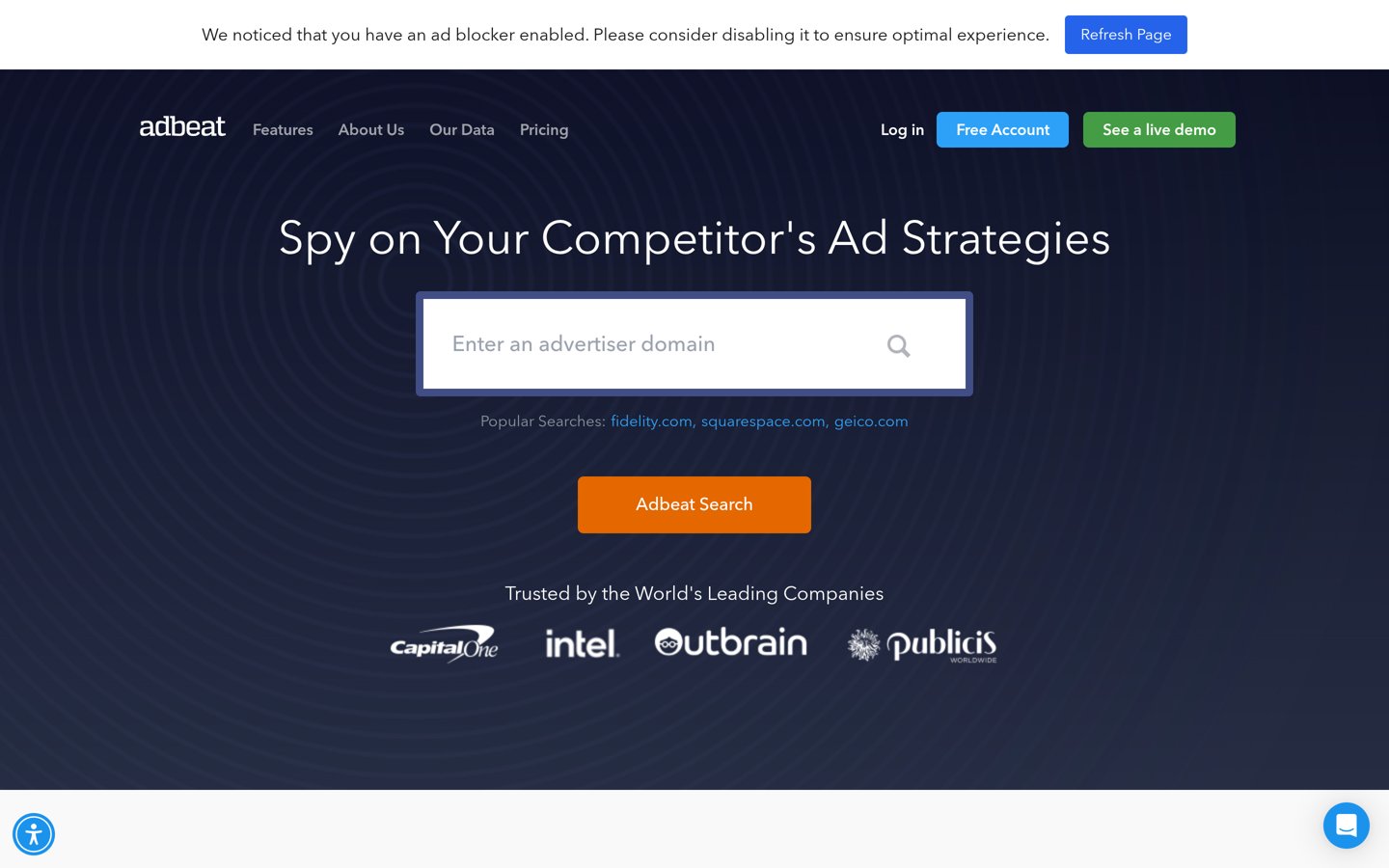
Adbeat is a display and native ad creative intelligence tool, rated 4.1 out of 5 from just 9 G2 reviews. It shows the ads competitors run across display networks, the landing pages behind them and how long each creative has run, with a limited free plan to check coverage first.
The trade off is evidence. Nine reviews is the thinnest base in this list, and Standard costs $249 a month, so the price is high for a narrow job. It fits media buyers who need to see rival display creative.
Adbeat scores 4.1 from 9 reviews, while Semrush scores 4.4 from 4,035. The two numbers are not equally reliable, and a 0.3 gap means little when one side has nine reviewers.
Klue's 4.7 from 443 reviews and SpyFu's 4.6 from 518 are the most trustworthy high scores here. Crayon's 4.6 from 385 is close behind.
Use the score to shortlist, then read the reviews for the job you actually need: traffic data, ad creative or battlecards.
How we chose
We started from every marketing intelligence tool with a public rating on G2, Capterra or Trustpilot, then kept the ones a buyer can actually evaluate, with a published price or a free plan.
Prices come from each vendor's pricing page, checked on 23 November 2026. Ratings and review counts come from G2 on the same day. Where a vendor shows a sale, the list shows the regular price.
No vendor paid for a place, and this list is based on pricing, docs and reviews, not on using the tools ourselves.
How to choose marketing intelligence software
Start with the job, then check the review base.
Pick the job first. Traffic and SEO need Semrush or Similarweb, ad creative needs SpyFu or Adbeat, and battlecards need Crayon, Klue or Kompyte.
Check the review base. A 4.1 from 9 reviews is not the same evidence as a 4.4 from 4,035, so weight the score by the count behind it.
Try the free tier before the quote. Semrush, Similarweb and Adbeat all have free tiers, so check data coverage for your own competitors before any sales call.
Budget for the quote-only tools. Crayon, Klue and Kompyte run to five figures a year, so they need a business case and a dedicated owner.
FAQ
What is the best marketing intelligence software?
Semrush is the best marketing intelligence software for most teams. One Pro subscription at $139.95 a month covers SEO, ads, traffic and content data, and it is rated 4.4 out of 5 from 4,035 G2 reviews, the largest base in this list.
What is the cheapest marketing intelligence tool?
SpyFu is the cheapest serious option at $39 a month for Basic, with unlimited searches across competitor keywords and Google Ads copy. It covers search ads well but not display creative, traffic estimates or battlecards.
What is the best tool for sales battlecards?
Klue is the best pick for sales battlecards, rated 4.7 out of 5 from 443 G2 reviews. Its dynamic battlecards land inside Salesforce, Slack, Highspot and Gong, with win/loss analysis built in.
How much does Similarweb cost?
Similarweb publishes no prices. Starter is widely reported around $199 a month, but every number above that needs a sales call. A limited free tier is available to check traffic data for your own competitors.
Is Semrush worth $139.95 a month?
Semrush is worth it if one subscription replaces three tools: keyword research, position tracking, site audits, backlink analysis and competitor PPC. Annual billing cuts Pro to $117.33 a month, and a limited free account lets you check the data first.
What does Crayon do?
Crayon watches competitors for you. Its crawlers track website changes, pricing updates, review shifts and messaging changes, then analysts curate the noise into battlecards that land in your CRM. It is quote-only, with estimates near $25,000 a year.