Best Marketing CRM Software in 2026: 9 Tools Compared
WLWPLegible EditorsLast verified 23 Nov 2026How we rank12 min read
★ Short answer
HubSpot Marketing Hub is the best marketing CRM for most teams, combining CRM, email, landing pages and automation in one login, rated 4.4/5 on G2 from 15,978 reviews. Pick ActiveCampaign for the deepest automation at $19 a month, or Brevo for the cheapest start at $9 a month.
How we make this list: we compare pricing pages, product documentation and public user reviews, then re-check every price before each update. No product paid for a place. Disclosure.
HubSpot Marketing Hub leads this list with a 4.4/5 G2 rating from 15,978 reviews and the deepest CRM-native workflow engine.
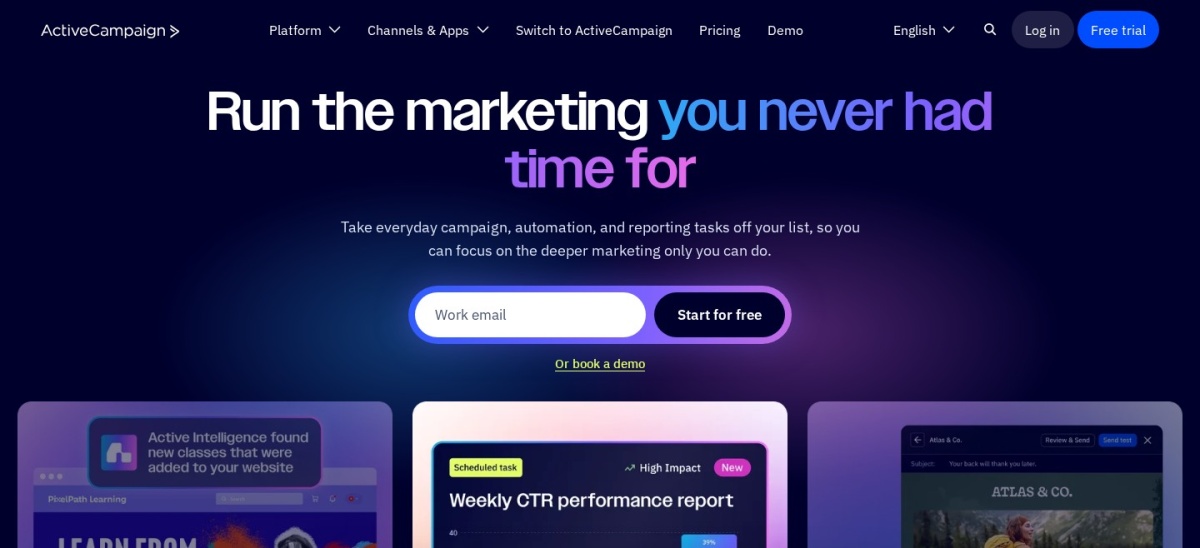
ActiveCampaign gives the deepest automation per dollar, with Starter at $19 a month, or $15 billed yearly.
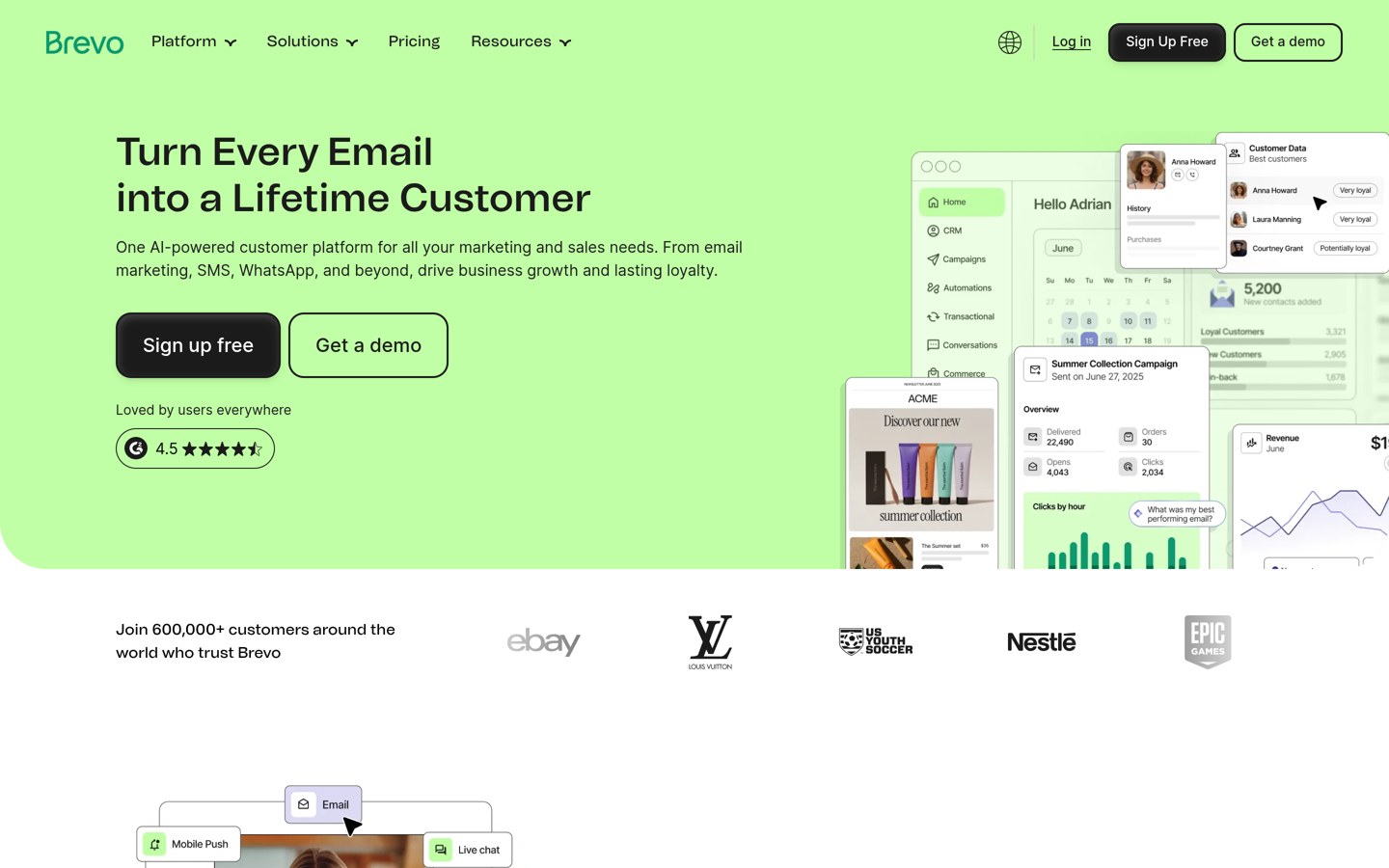
Brevo is the cheapest paid start at $9 a month, billing by emails sent rather than contacts stored.
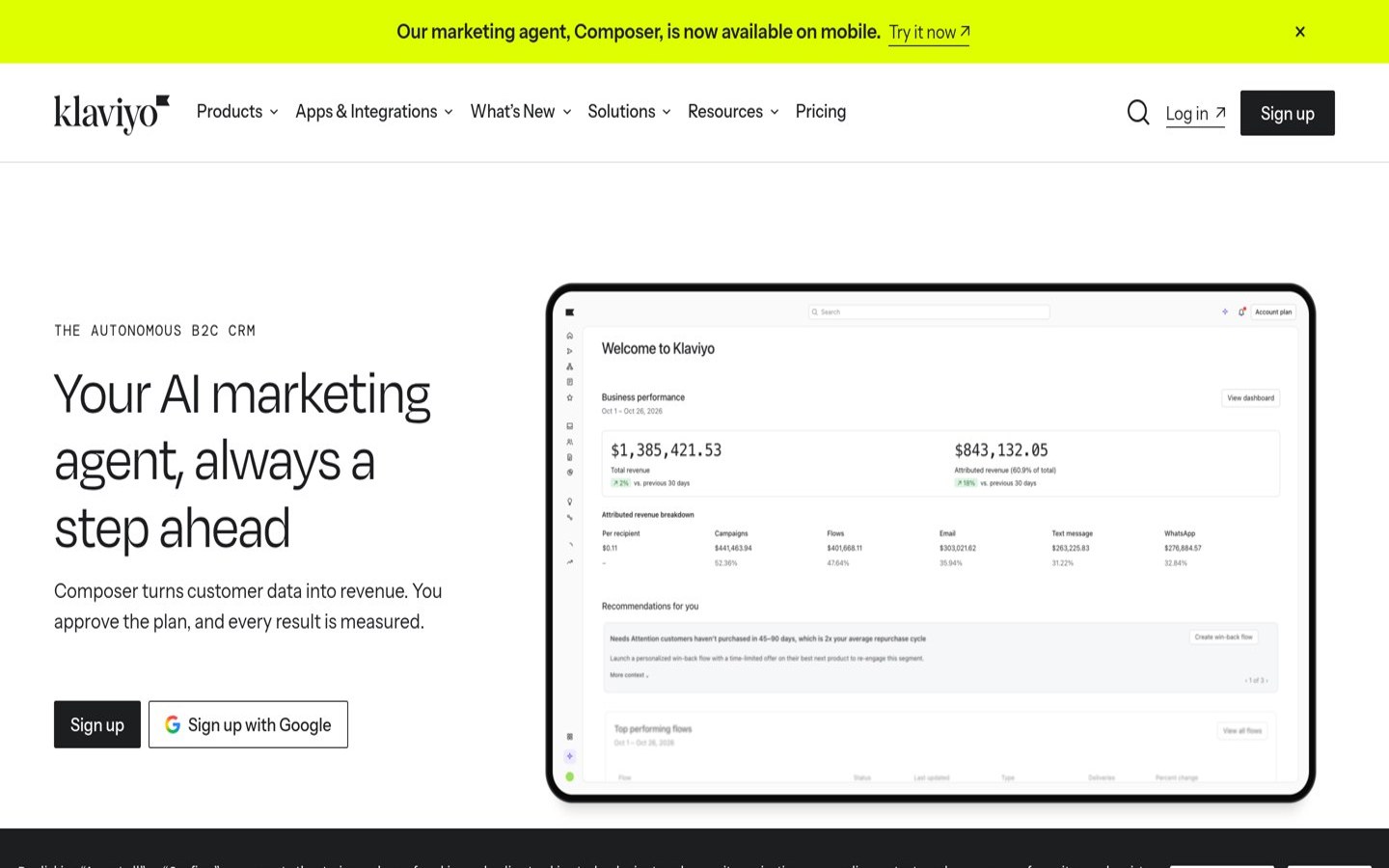
Klaviyo is the ecommerce pick, free up to 250 profiles and $20 a month for 500.
Salesforce Marketing Cloud starts at $1,250 a month, so it only fits teams already on Salesforce.
What a marketing CRM does
A marketing CRM does two jobs at once: it keeps every customer record in one place and it runs the campaigns that reach those customers.
The billing unit is the first thing to check. HubSpot, Salesforce and Zoho charge per seat or user, ActiveCampaign, Klaviyo and Mailchimp charge by contacts, and Brevo charges by emails sent.
The second thing is where the automation lives. Our guide to the best CRM for small business covers the CRM side alone, while this list ranks tools that run campaigns too.
Free plans are real here. HubSpot, Brevo, Klaviyo, Zoho and Mailchimp all let a small team start free, so pay only when the list or the team grows.
HubSpot Marketing Hub homepage, captured Nov 2026.
HubSpot Marketing Hub is the all-in-one pick in this list: the CRM, email marketing, landing pages, forms and live chat share one login, so a contact's history sits next to the campaign that reached them. Starter costs $20 per seat a month and includes 1,000 marketing contacts, while the free plan covers 2 users.
The trade off is the price jump. Real workflow automation, A/B testing and custom reporting start with Professional at $890 a month plus a $3,000 onboarding fee, so Starter is mostly email and forms. It suits growing teams that want marketing and sales on one record and can fund the upgrade.
What we like
CRM, email, landing pages and chat in one login
Largest review base in this list on G2
Free plan covers 2 users to start
1,400+ app marketplace
Watch out for
Real automation needs Professional at $890 a month
ActiveCampaign is the automation specialist in this list, with visual workflows, conditional content and predictive sending at its core. The built-in CRM with deal pipelines means sales follow-up lives next to the campaigns. Starter costs $19 a month billed monthly, or $15 billed yearly, for 1,000 contacts.
The trade off is billing. Since November 2025 ActiveCampaign charges for all stored contacts, including unsubscribed and bounced ones, so a messy list raises the bill. It suits small teams that want the deepest email automation per dollar and can keep their list clean.
Brevo is the value pick because it bills by emails sent, not contacts stored. Starter costs $9 a month for 5,000 emails, and the free plan stores up to 100,000 contacts while sending 300 emails a day. It covers email, SMS, WhatsApp and a CRM pipeline from one login.
The trade off is depth. Contact scoring needs a higher tier, and its CRM is simpler than HubSpot or Zoho, so growing teams may outgrow it. It suits budget-conscious senders who want email, SMS and CRM from $9 a month without per-contact billing.
Klaviyo is the ecommerce pick in this list, built for stores that judge campaigns by revenue. It automates emails, texts and push notifications from store events such as abandoned carts, and its free plan covers 250 active profiles and 500 emails a month. Paid Email starts at $20 a month for 500 profiles.
The trade off is billing by profiles. Since February 2025 Klaviyo counts every active profile, not just those emailed, so list hygiene directly moves the bill. It suits Shopify and ecommerce brands that want revenue-tied automation and can keep their lists clean.
What we like
Highest G2 rating in this list at 4.6/5
Automates from store events such as abandoned carts
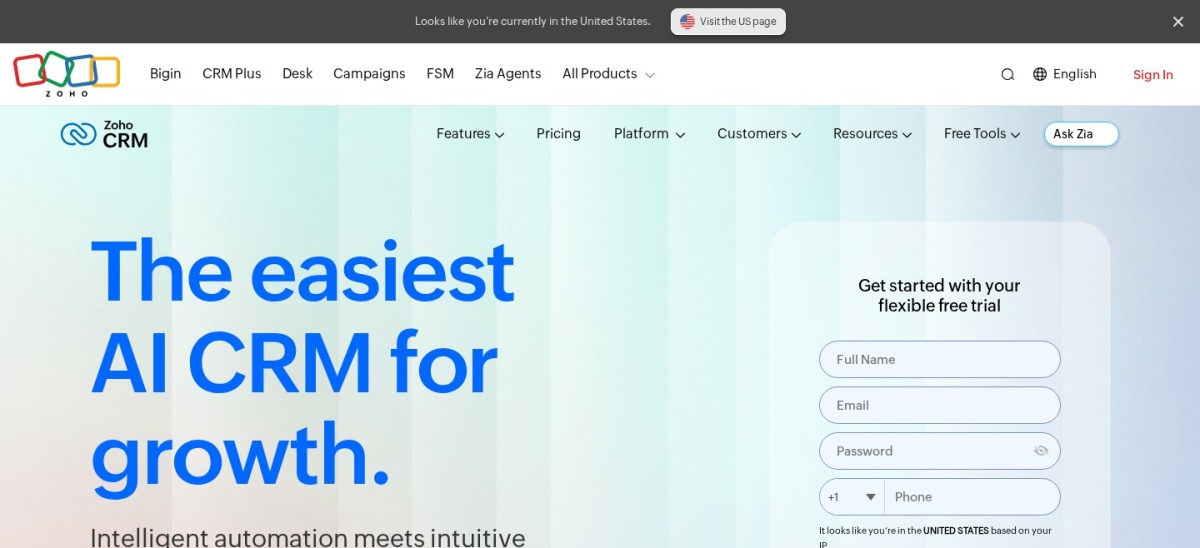
Zoho CRM is the budget CRM-first pick, with a real free plan for up to 3 users covering contacts, reminders, workflows and reports. Standard costs $14 a user a month billed annually, or $20 month to month, and adds email campaigns, scoring rules and social integration. G2 rates it 4.1/5 from 2,949 reviews.
The trade off is setup. Zoho's depth comes with a longer setup and a busier interface than HubSpot or Brevo, and its marketing tools are split across CRM and Zoho Campaigns. It suits small teams that want a full CRM with email campaigns from $14 a user.
Mailchimp is the best-known email platform in this list, with a free plan for up to 500 contacts and 1,000 sends a month. Essentials costs $13 a month and adds more sends, A/B testing and 24/7 support, while Standard at $20 a month adds automation and segmentation. G2 rates it 4.4/5 from 5,421 reviews.
The trade off is CRM depth. Mailchimp's CRM is lighter than HubSpot or Zoho, and its price climbs fast as the list grows past 500 contacts. It suits small senders who want a familiar email tool with basic contact records and no setup work.
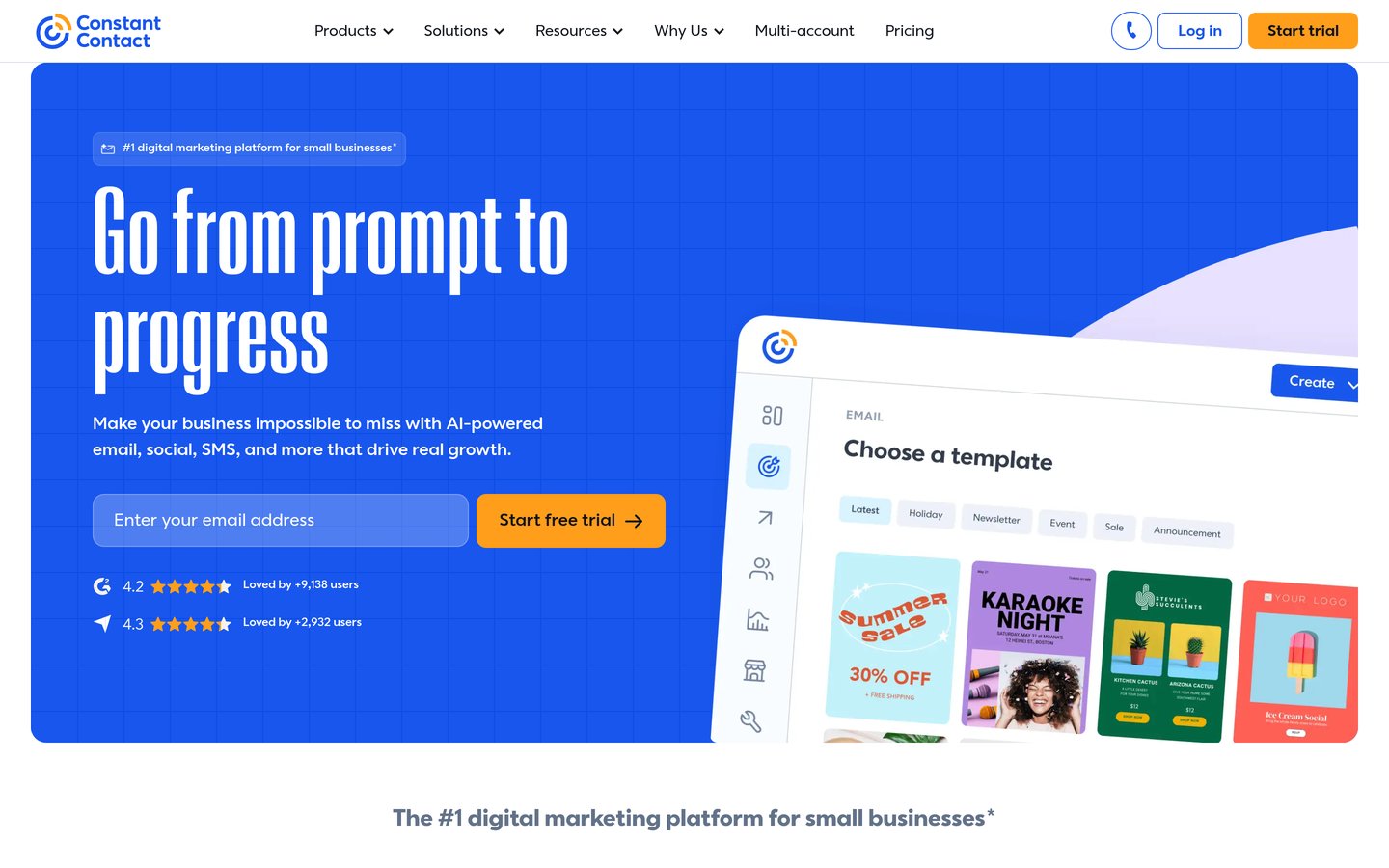
Constant Contact is the small-business email pick, with a drag-and-drop builder, 300+ integrations and one automation template on the Lite plan. Lite costs $12 a month, or $10.20 a month billed yearly, and allows sends equal to 10 times your contact count. G2 rates it 4.1/5 from 7,427 reviews.
The trade off is automation depth. Lite includes only one automation template and one custom segment, and the price rises steeply past 10,000 contacts. It suits small teams that want simple email campaigns and a familiar builder without learning a full CRM.
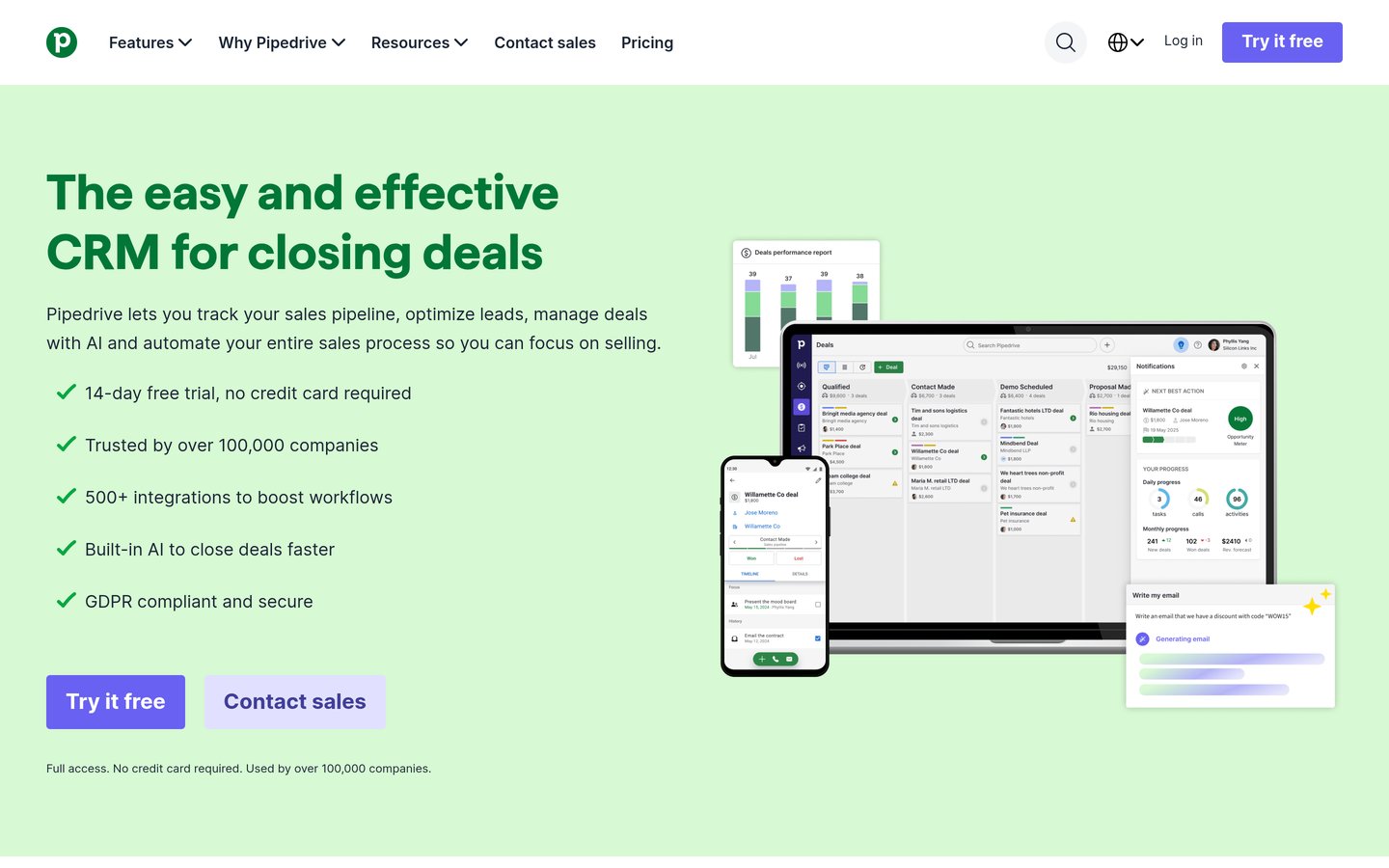
Pipedrive is a sales-first pipeline CRM that adds email campaigns through its Campaigns add-on. Lite costs $14 a user a month billed annually, and Campaigns starts at $13.33 a month for the workspace, with a drag-and-drop builder and open and click analytics. G2 rates it 4.3/5 from 2,924 reviews.
The trade off is that marketing is a bolt-on. Campaigns handles basic newsletters but lacks branching logic and engagement triggers, and add-ons stack fast. It suits sales teams that already run Pipedrive and want light outreach without a second platform.
Salesforce Marketing Cloud homepage, captured Nov 2026.
Salesforce Marketing Cloud, now called Agentforce Marketing, is the enterprise pick for multi-channel journeys on the Salesforce platform. Engagement starts at $1,250 a month, with AI personalisation, cross-channel orchestration and deep analytics. G2 rates it 4.0/5 from 4,629 reviews.
The trade off is cost and complexity. The price climbs with profiles and modules, and reviewers note slow support for smaller clients and setup that often needs outside help. It suits large teams already standardised on Salesforce Sales Cloud.
Five tools in this list charge by contacts or profiles, three charge per seat or user, and Brevo charges by emails sent. The cheapest headline price is not always the cheapest bill.
HubSpot's bill rises with every 1,000 marketing contacts, at $50 a month per block on Starter. ActiveCampaign now charges for every stored contact, including unsubscribed ones, and Klaviyo counts every active profile.
Before you buy, model the bill at your real list size and seat count. A $9 or $19 starting price can double once the list passes a few thousand contacts.
How we chose
We started from the best-known marketing CRM platforms on G2, then kept those with a live product page and a public rating.
Prices come from each vendor's pricing page, checked on 23 November 2026. Where a vendor shows a sale, the list shows the regular price. Ratings and review counts come from G2 on the same day.
This list is based on pricing, docs and reviews, not on using the tools ourselves. We left out tools with no G2 profile or no public rating, and no vendor paid for a place.
How to choose marketing CRM software
Work out how you will be billed before you compare features.
Work out your billing unit. Seats, contacts and emails sent all produce different bills, so model the cost at your real list size and team size first.
List the automations you actually need. Branching workflows, lead scoring and A/B testing sit on higher tiers in most tools, so check the tier before you fall for the entry price.
Start free where you can. HubSpot, Brevo, Klaviyo, Zoho and Mailchimp all offer free plans, so run a real campaign before you pay.
Check the upgrade jump. HubSpot Professional at $890 a month and Salesforce at $1,250 a month are big steps, so know the price of the tier you will actually land on.
FAQ
What is the best marketing CRM software?
HubSpot Marketing Hub is the best pick for most teams, combining CRM, email, landing pages and automation in one login, rated 4.4/5 on G2 from 15,978 reviews. ActiveCampaign is the stronger choice for automation-first small teams.
How much does marketing CRM software cost?
Brevo Starter costs $9 a month and ActiveCampaign Starter $19 a month, while HubSpot Marketing Hub Starter is $20 per seat a month. Salesforce Marketing Cloud starts at $1,250 a month, so the range in this list runs from $9 to $1,250 a month.
Is there a free marketing CRM?
Yes. HubSpot, Brevo, Klaviyo, Zoho CRM and Mailchimp all offer free plans, with limits on users, contacts or sends. ActiveCampaign, Constant Contact and Pipedrive offer free trials instead of a free plan.
What is the difference between a CRM and marketing automation?
A CRM stores customer records, deals and history. Marketing automation sends the campaigns, scores leads and runs workflows against those records. A marketing CRM does both in one database, so campaigns and follow-ups never work from different lists.
Which marketing CRM is best for small business?
Brevo is the cheapest start at $9 a month with a generous free plan, and ActiveCampaign gives the deepest automation at $19 a month. HubSpot is the best pick if you want marketing and sales on one record and can fund the Professional upgrade later.
Do I need HubSpot Professional?
Only if you need multi-step workflows with branching, A/B testing and custom reporting. Starter covers email, forms and landing pages, but most growing teams land on Professional at $890 a month, plus a $3,000 onboarding fee.