Apollo.io is the best lead gen software for most teams, pairing a B2B contact database with email sequences and a dialer from $49 a month, and it holds 4.7 out of 5 on G2 from 9,863 reviews. HubSpot suits teams that want leads tied to a CRM, while ZoomInfo has the deepest data for large sales teams.
How we make this list: we compare pricing pages, product documentation and public user reviews, then re-check every price before each update. No product paid for a place. Disclosure.
Apollo.io is the top pick: a contact database plus sequences and a dialer from $49 a user a month, rated 4.7/5 on G2.
HubSpot Marketing Hub is the best inbound option, with a free plan and Starter at $20 a seat a month.
ZoomInfo has the deepest B2B data but publishes no prices, and its free Lite plan gives only 10 credits a month.
UpLead and Lusha sell verified contacts by the credit, starting at $99 and $49.90 a month.
OptinMonster is the only pick here for capturing leads on your own site, with Basic renewing at $210 a year.
Instantly is the volume sender: unlimited email accounts and warm-up from $47 a month, but lead data costs extra.
What lead gen software should do
Lead gen software covers two jobs: finding people to contact, and capturing visitors who reach your site. Most tools here do the first job; HubSpot and OptinMonster do the second.
For finding contacts, the database matters more than the feature list. Check how many contacts you can export each month, whether phone numbers cost extra credits, and how the vendor checks that emails are still valid.
Credit pricing is the part buyers misjudge most. A low monthly price can still mean a high cost per lead once phone lookups cost five credits each, so work out the cost per contact before you pick a plan.
A landing page is where captured leads start. Our guide on creating a landing page in WordPress covers the page itself, while the tools below bring the visitors and the contact data.
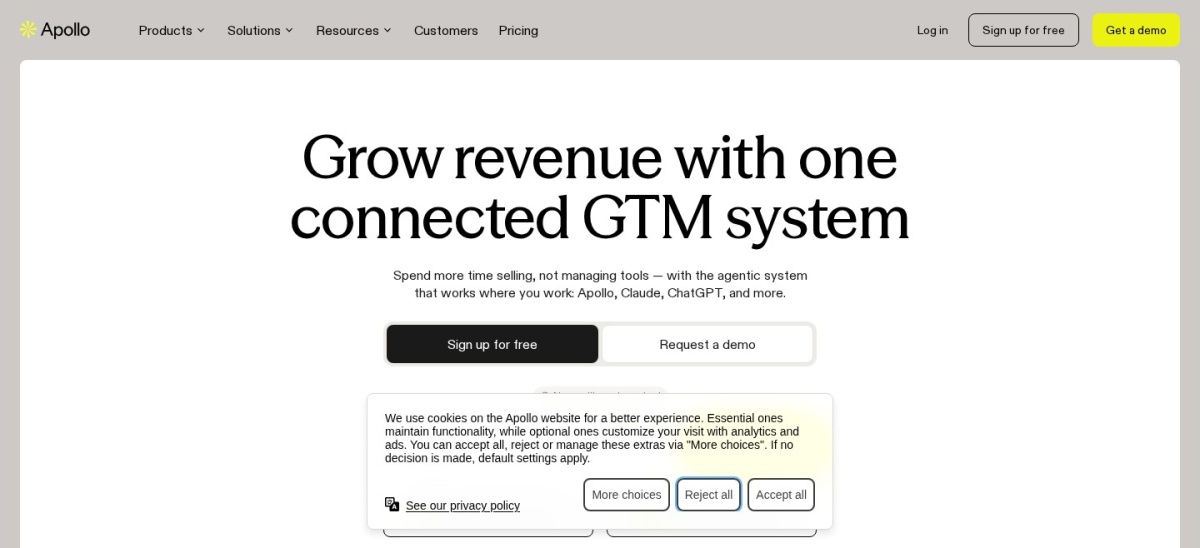
Apollo.io is a sales platform that pairs a B2B contact database with email sequences, a dialer and basic deal tracking in one account. The free plan includes search, 2 sequences and a small credit allowance, while Basic at $49 a user a month billed yearly adds 30,000 credits a year and unlimited sequences.
The trade off is data quality. Reviewers praise the breadth of the database but report stale contacts, mainly for small firms and markets outside North America, and the interface can feel crowded. It suits small sales teams that want prospecting and outreach in one tool without an enterprise contract.
HubSpot Marketing Hub homepage, captured Nov 2026.
HubSpot Marketing Hub is the marketing arm of HubSpot's CRM, so forms, landing pages, email and live chat all write into the same contact records sales uses. The free plan covers two users with forms and basic email, and Starter at $20 a seat a month adds 1,000 marketing contacts and removes HubSpot branding.
The trade off is the price cliff. Professional jumps to $890 a month plus a $3,000 onboarding fee, so growing past Starter costs far more than the first tier suggests. It suits small teams that want leads, email and CRM in one place and plan to stay small.
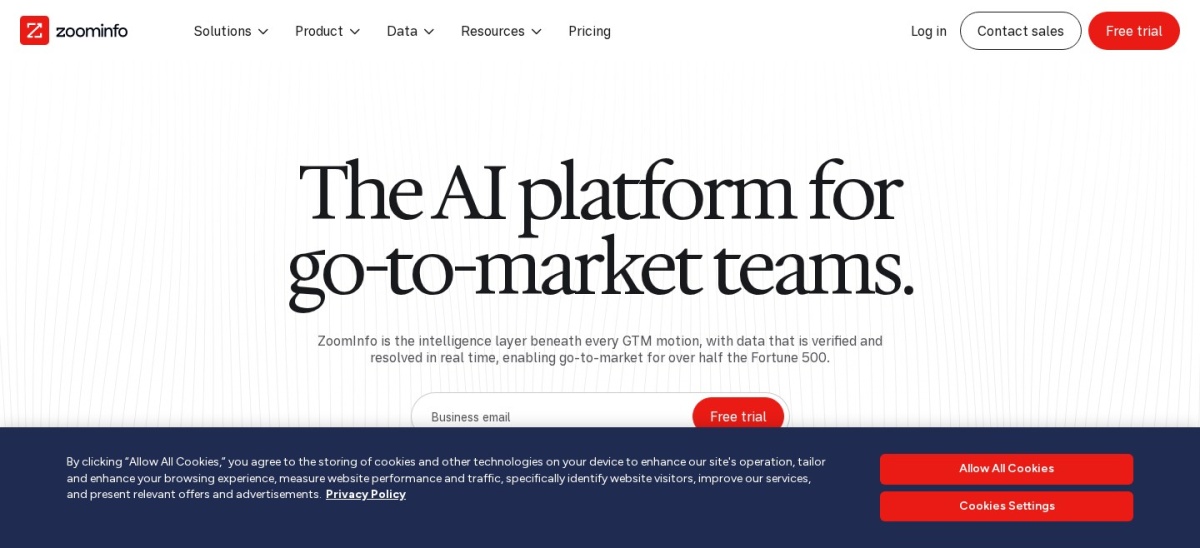
ZoomInfo is the largest B2B data platform in this list, with contact and company records, intent signals and buying triggers such as funding rounds and leadership changes. ZoomInfo Lite is free with 10 credits a month, and the full platform adds a Chrome extension plus Salesforce and HubSpot integrations.
The trade off is buying it. ZoomInfo publishes no prices, sells on annual contracts through sales, and buyer reports put Professional near $14,995 a year. It suits mid-market and enterprise sales teams that need the deepest data and can sign a large contract.
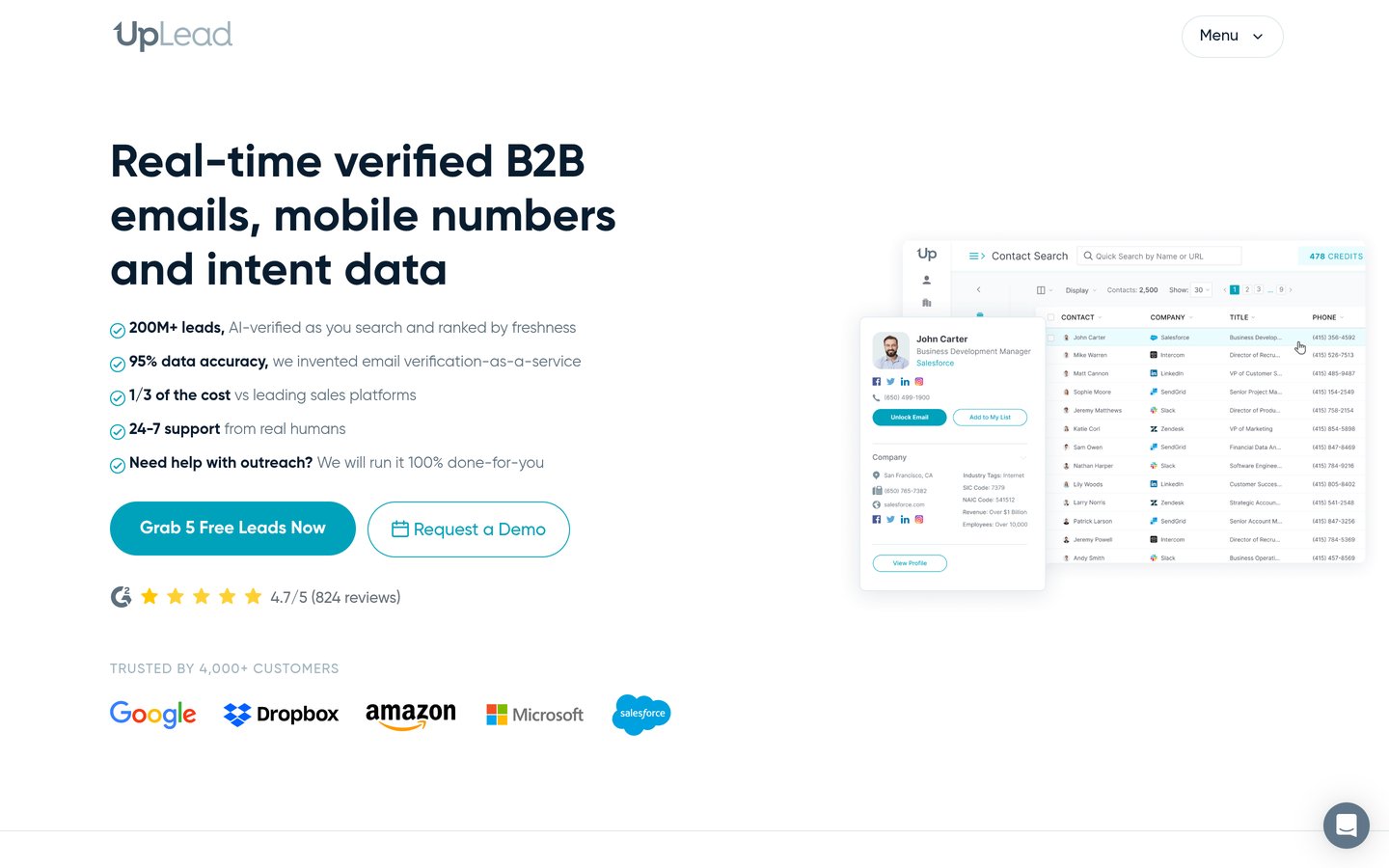
UpLead is a B2B contact database built around verification. Every email gets a real-time check when you export it, and one credit returns the verified email plus the mobile number where available. Essentials costs $99 a month, or $74 a month billed yearly, for 170 credits a month.
The trade off is volume. At 170 credits a month, Essentials covers about eight new contacts per working day, and extra credits cost $0.60 each. It suits solo sellers and small teams that want a small number of verified contacts rather than a large raw list.
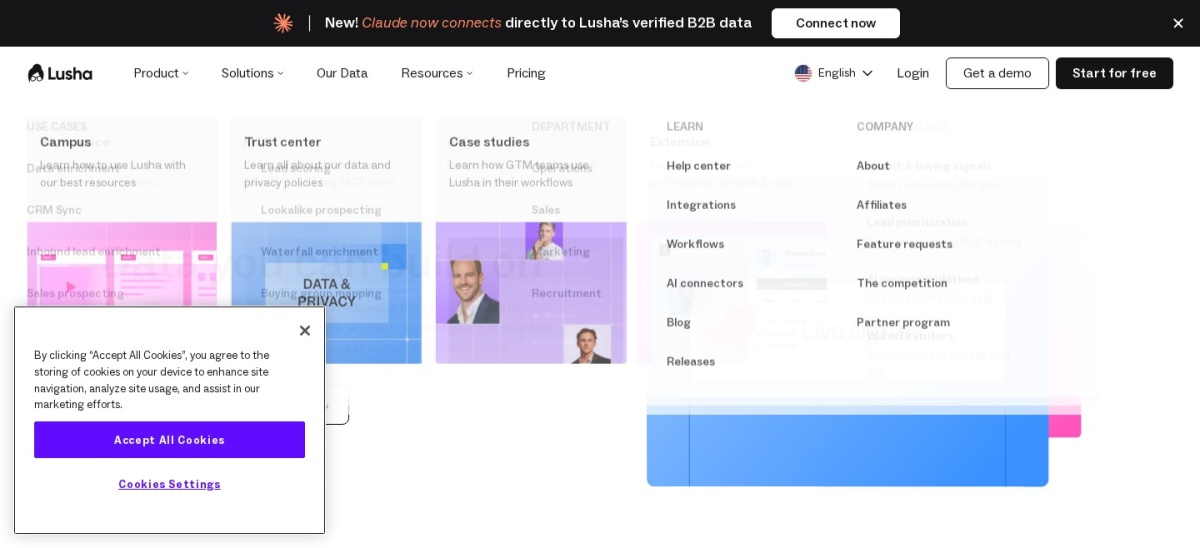
Lusha is a contact data tool built around LinkedIn prospecting, with a browser extension that reveals emails and phone numbers from profiles and company pages. The free plan gives 40 credits a month, and Starter costs $49.90 a month, or $37.45 a month billed yearly, for 400 credits a month.
The trade off is the credit math. An email costs one credit but a phone number costs five, so a calling list burns through the allowance fast. It suits reps who prospect mainly on LinkedIn and want a posted price with no sales call.
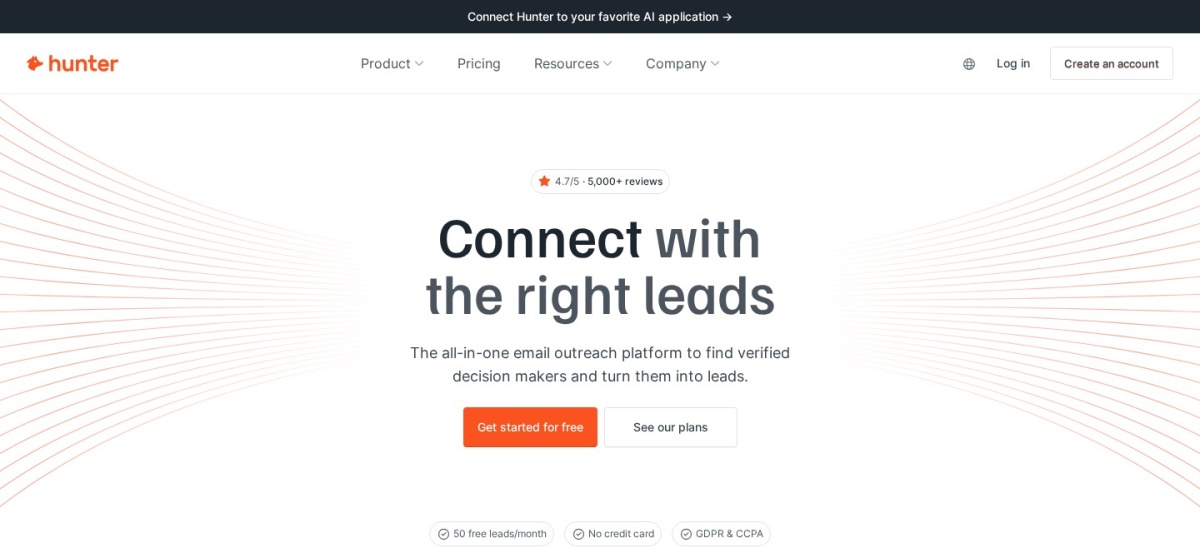
Hunter is a focused email finder and verifier. It finds work emails from a company domain, checks them before you send, and runs simple sequences from the same account. The free plan gives 50 credits a month, and Starter costs $49 a month, or $34 a month billed yearly, for 2,000 credits a month.
The trade off is scope. Hunter finds emails well but has no phone data and no large company database, so it works best beside a database tool. It suits solo operators and small teams that run email-only prospecting and want a simple tool.
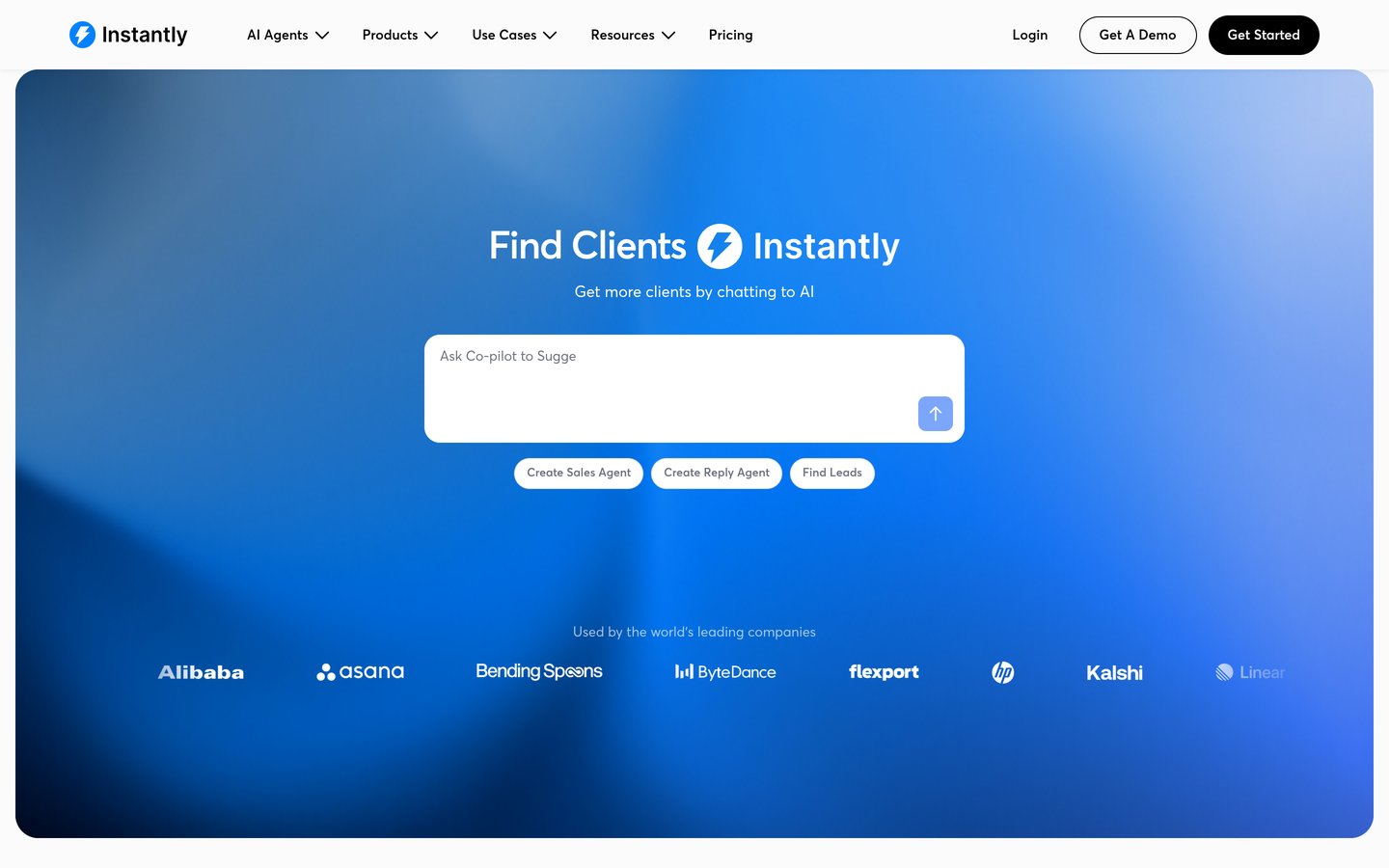
Instantly is a cold email platform built for volume. You connect unlimited email accounts, it warms them up automatically, and it spreads sends across inboxes so no single mailbox burns out. Growth costs $47 a month, or $37.60 a month billed yearly, for 5,000 emails and 1,000 contacts a month.
The trade off is that lead data is a separate subscription. Growth covers sending only, so finding contacts needs the Credits plans from $9 a month or another database tool. It suits founders and agencies that send high volumes of cold email.
4.3/5on WordPress.org (822 reviews, checked Nov 2026)
Paid from$210/yr
Best for capturing leads on your site
Popup typesLightbox, bar, slide-in
WordPress installs1M+
Free planYes, via plugin
Paid planBasic, renews $210/yr
optinmonster.com
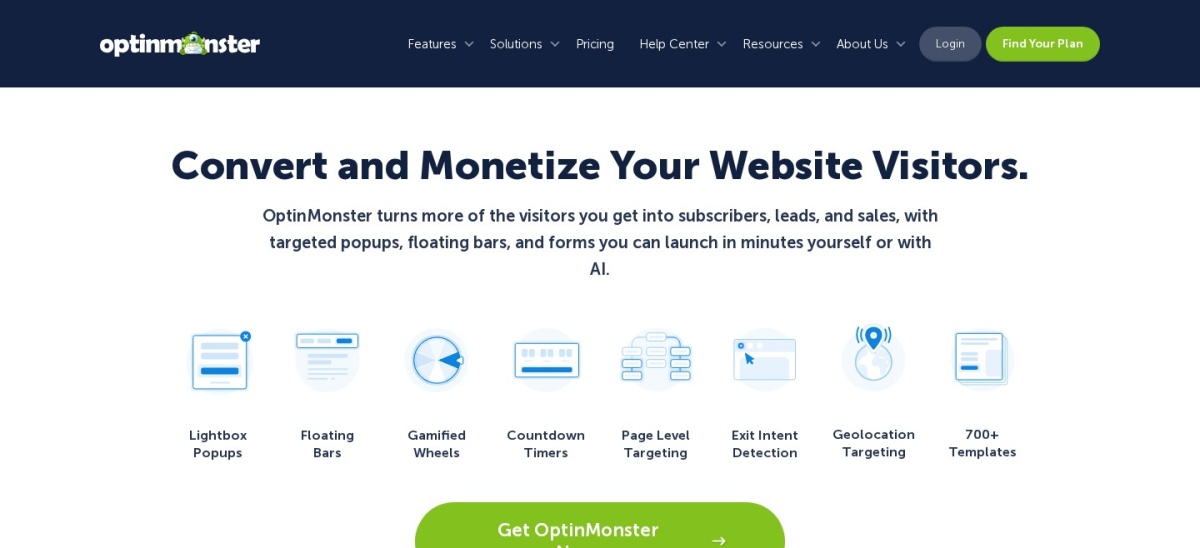
OptinMonster homepage, captured Nov 2026.
OptinMonster is a hosted lead capture platform that shows popups, floating bars, slide-ins and inline forms on any site. Its WordPress plugin has more than 1 million active installs, and campaigns are built in the OptinMonster app. Basic costs $108 in the first year and renews at $210 a year for 1 site and 2,500 impressions a month.
The trade off is the renewal price. Basic looks cheap at $9 a month in year one, but it renews at $210 a year, and exit-intent and A/B testing need higher plans. It suits WordPress sites that want deep targeting rules for popups and forms.
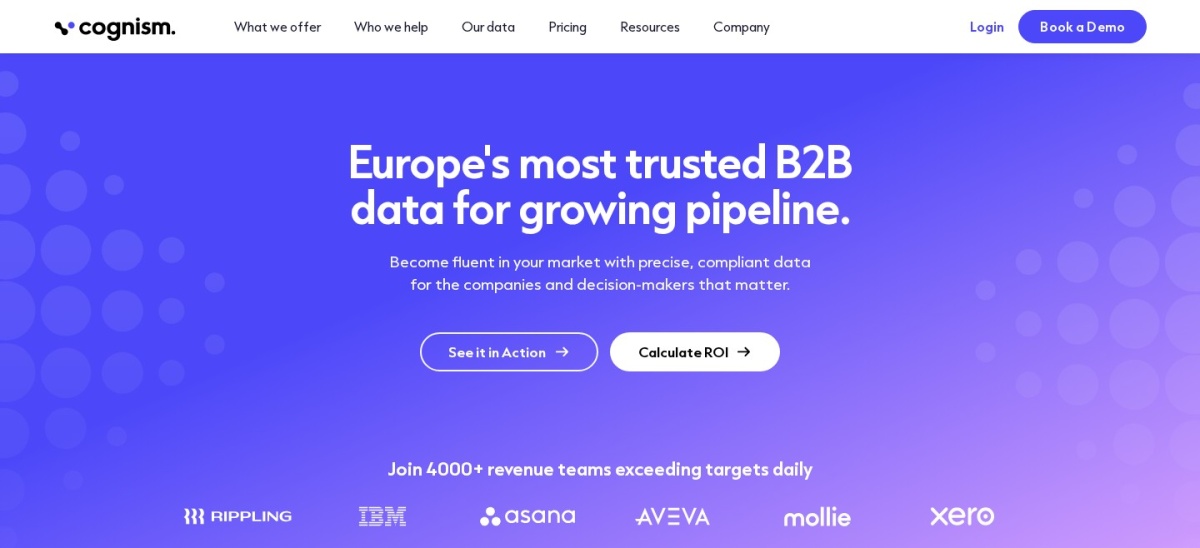
Cognism is a B2B data platform built around phone-verified mobile numbers and strong coverage of European contacts. It adds intent signals and a browser extension, and it syncs contacts to Salesforce and HubSpot. There is no free plan, and every package is sold through a sales conversation.
The trade off is access. Cognism publishes no prices, so small teams cannot check the cost without booking a demo, and reviewers call the plans expensive for small firms. It suits sales teams that call prospects and need verified mobiles.
Free plans here are trials in all but name. Apollo.io, Lusha and Hunter give you a small monthly credit allowance, and ZoomInfo Lite gives 10 credits a month, enough to check data quality on real prospects.
Paid plans mostly buy credits and sending volume. The jump from free to paid is steepest where credits are the product, so count the contacts you need each month before you pick a tier.
Two tools in this list publish no prices at all. ZoomInfo and Cognism sell through sales on annual contracts, so budget for a sales process as well as a subscription if either is on your shortlist.
How we chose
We started from the best-known lead gen tools across contact databases, outreach platforms and on-site capture, then kept nine with published prices or a clear quote-only model and a public rating.
Prices come from each vendor's pricing page, checked on 25 November 2026. Ratings and review counts come from G2 on the same day, except OptinMonster, which comes from WordPress.org. Where a vendor shows a sale or first-year rate, the list shows the regular price.
We left out tools with no public rating and tools that only sell through resellers. No vendor paid for a place, and we do not claim hands-on testing for this list.
How to choose lead gen software
Start with where your leads come from today, then match the tool to that source.
Decide whether you need contacts or captures. If you cold-email new accounts, pick a database tool. If visitors already reach your site, pick a capture tool first.
Work out your cost per lead. Divide the monthly price by the contacts or credits you get. Phone numbers often cost several credits each, so check that before you commit.
Check the free plan limits. Free credits run out fast: 40 a month on Lusha and 50 on Hunter cover light use only. Trial the data quality on real prospects before paying.
Confirm the CRM connection. Leads lose value when they sit in a spreadsheet. Check the tool syncs with the CRM your sales team already uses.
FAQ
What is the best lead gen software?
Apollo.io is the best lead gen software for most teams. It combines a B2B contact database with email sequences and a dialer from $49 a user a month, and it holds 4.7 out of 5 on G2 from 9,863 reviews.
What is the cheapest lead gen software here?
HubSpot Marketing Hub is the cheapest paid start, with Starter at $20 a seat a month and a free plan for two users. Apollo.io, Hunter and Instantly all start under $50 a month, while ZoomInfo and Cognism are quote-only and cost far more.
Is there free lead gen software?
Yes. Apollo.io, HubSpot, ZoomInfo Lite, Lusha, Hunter and OptinMonster all have free plans or free accounts, but each caps credits or impressions. Free plans suit light use and trials; steady prospecting needs a paid plan.
What is the difference between Apollo.io and ZoomInfo?
Apollo.io is a self-serve tool that pairs contact data with outreach from $49 a user a month. ZoomInfo has a larger database and more intent signals, but it is quote-only with annual contracts, so it suits larger sales teams with bigger budgets.
Do I need a CRM as well as lead gen software?
Most teams do. Lead gen tools find and capture contacts, while a CRM tracks follow-ups and deals. HubSpot covers both in one account, and Apollo.io, Lusha and Hunter all sync leads to common CRMs.
Can lead gen software find phone numbers?
Yes, but phones usually cost more credits than emails. Lusha charges five credits for a phone number against one for an email, and Cognism is built around phone-verified mobiles. Check the credit cost before you plan a calling campaign.
SaaS SEO and WordPress specialist with about 8 years of experience. Rakib compares WordPress plugins, themes, hosting and software using public pricing, documentation and user reviews. See how we rank.