LabWare is the best laboratory information system software for most regulated labs, rated 4.5 out of 5 on G2 from 102 reviews. Pick CrelioHealth for diagnostic labs that want published pricing, and CloudLIMS for smaller labs that need pure SaaS.
How we make this list: we compare pricing pages, product documentation and public user reviews, then re-check every price before each update. No product paid for a place. Disclosure.
LabWare leads for regulated labs: the deepest configurability in this list, rated 4.5/5 on G2 from 102 reviews.
CrelioHealth is the highest rated tool here at 4.7/5 on G2, and one of only three tools here with published pricing, from $1,400 a month.
STARLIMS brings 159 G2 reviews, the largest among the enterprise LIMS picks here, but G2 data puts implementation at about 8 months.
CloudLIMS and QBench publish per-user pricing, while LabWare, STARLIMS, Labguru, Benchling and LabVantage are quote-only.
SciNote is the only free starting point here, with a free plan for individual users and 303 G2 reviews.
Clinisys is the true clinical LIS in this list, but its Capterra rating rests on only 14 reviews, so treat it as a shortlist candidate.
What laboratory information system software should cover
A laboratory information system tracks samples from login through testing, review and reporting, and keeps the audit trail that regulators and clinicians rely on. The best fit depends on the lab: clinical, diagnostic, pharma QC, research or industrial testing.
LIS and LIMS are often sold under the same banner, but they solve different problems. A clinical LIS is patient-centric and built around orders, results and outreach, while a LIMS is sample-centric and built around batches, stability and manufacturing workflows.
Look for instrument integration, barcode handling, audit trails, electronic signatures and compliance with the standards your lab answers to, such as 21 CFR Part 11, ISO 17025 or HIPAA. If a vendor cannot name its compliance coverage, keep looking.
Pricing is the hardest part of this market. Only three of the ten tools here publish a price, so budget for quoted enterprise deals and implementation services, not just licences. Our guide on average website cost statistics shows the same pattern of quoted pricing in specialist software.
The 10 best laboratory information system software tools
01
LabWare LIMS
4.5/5on G2 (102 reviews, checked Nov 2026)
PricingCustom/yr
Best laboratory information system software overall
Cheapest paid planQuote only
DeploymentSaaS, hosted or on-premises
Compliance21 CFR Part 11, GMP, GLP, ISO
Also includesLabWare ELN and mobile
labware.com
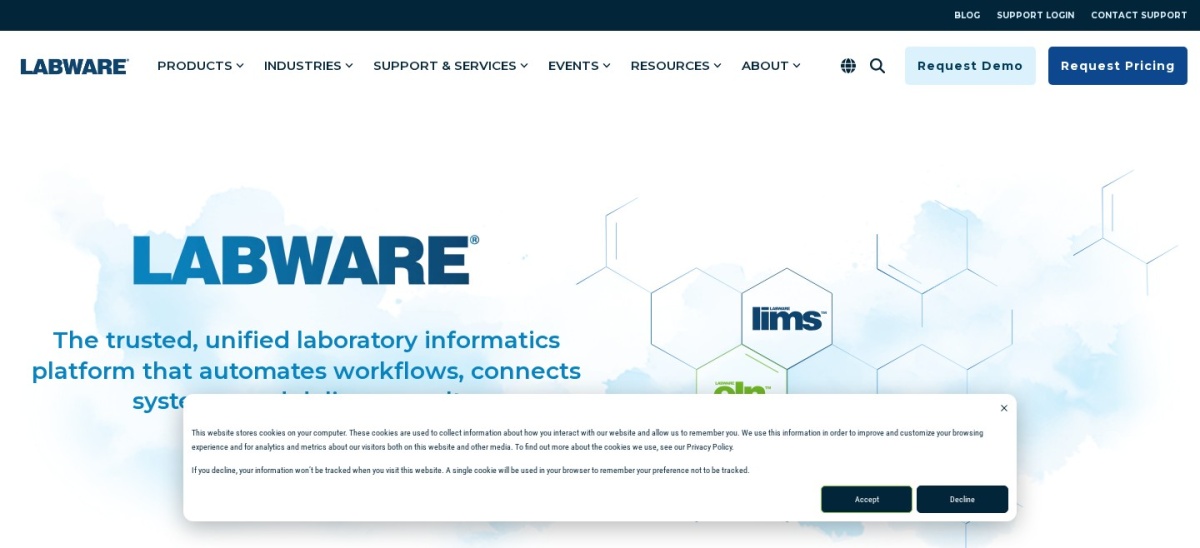
LabWare LIMS homepage, captured Nov 2026.
LabWare LIMS is the reference enterprise laboratory information platform, combining LIMS and ELN on one architecture. It covers sample management, stability studies, instrument integration, environmental monitoring and audit trails with electronic signatures for regulated labs.
The trade off is scale and cost. Pricing is quoted per deal, implementations run for months, and reviewers call it costly for small companies. It suits large, regulated labs that need deep configurability and have the team to run it.
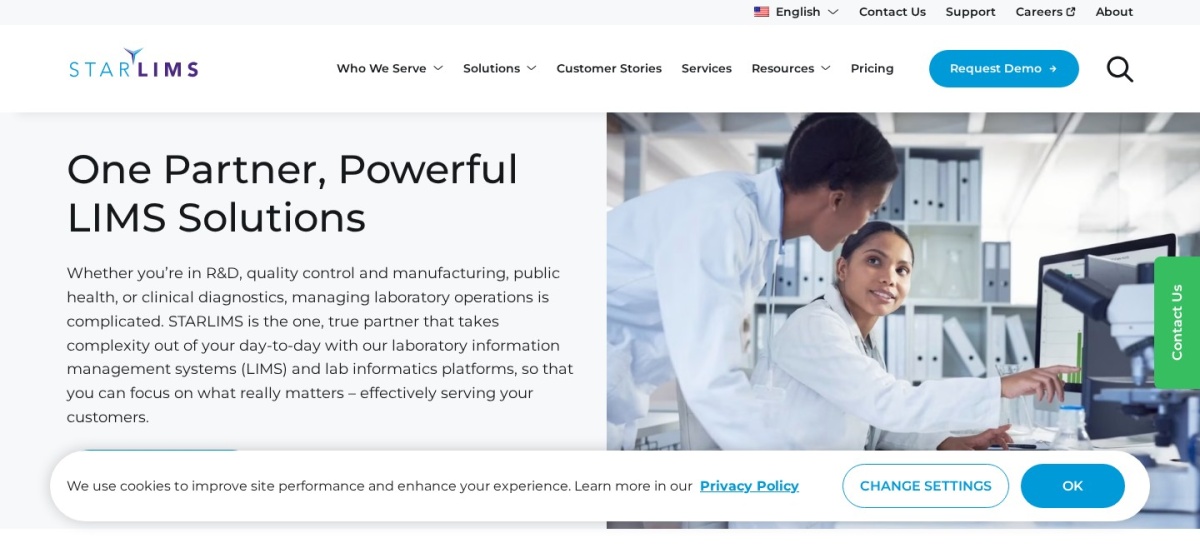
STARLIMS is one of the longest-running laboratory informatics platforms, in use since 1986 across pharma quality control, clinical diagnostics, food safety and public health. The suite covers LIMS, ELN, scientific data management and lab execution with audit trails and electronic signatures.
The trade off is the enterprise buying experience. Pricing is quoted, reviewers note high licensing and annual maintenance fees, and G2 data puts implementation at about 8 months. It suits large organizations that want decades of regulated-industry proof.
What we like
159 G2 reviews, the largest among enterprise LIMS picks
Broad multi-industry coverage
Strong customization and integration options
Public health and clinical editions available
Watch out for
No published price; every deal is quoted
Some modules have a dated interface, reviewers say
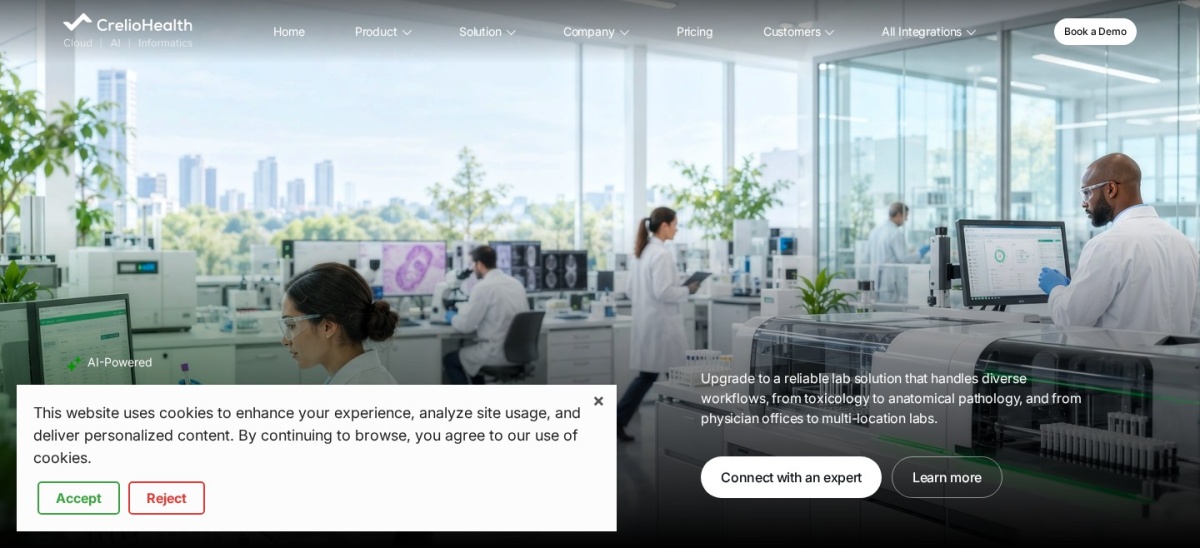
CrelioHealth is a cloud LIS built for diagnostic labs, covering hematology, blood chemistry, toxicology, molecular and anatomical testing. The Optimized plan costs $1,400 a month billed annually, includes 6 users and 2 analyzers, and the vendor reports 2,500+ labs and 300,000+ samples processed daily.
The trade off is onboarding cost and scope. Optimized adds a $7,500 onboarding fee and an 8-week assisted setup, and multi-site features need the Pro plan at $2,750 a month. It suits diagnostic labs that want a modern cloud LIS with a published price.
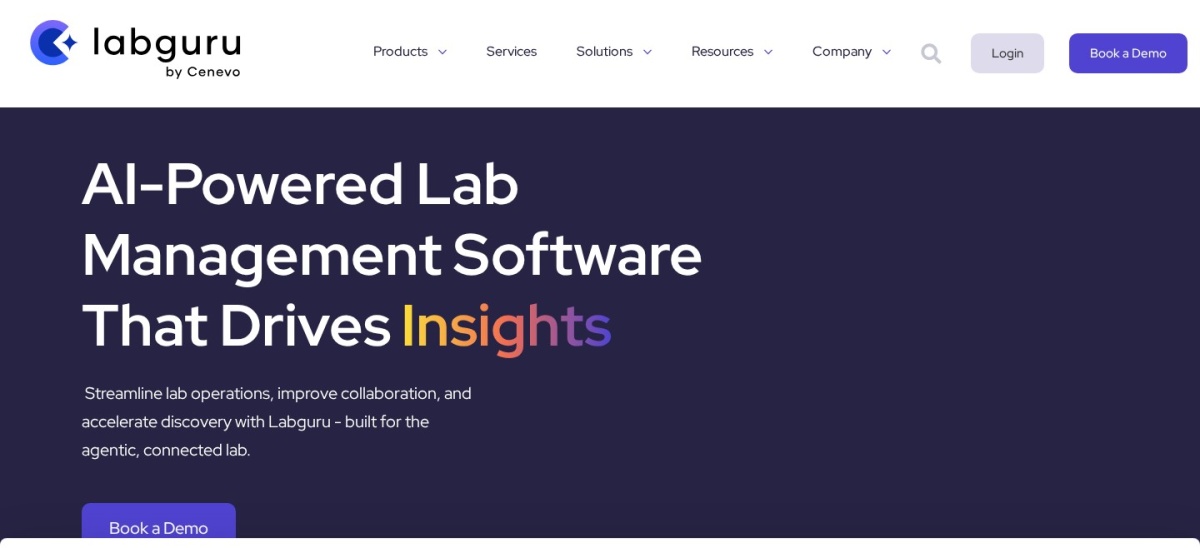
Labguru ELN LIMS is a cloud lab management platform that combines an electronic lab notebook, LIMS, inventory, ordering and equipment management in one system. It is built for biotech, pharma and academic research teams, and the vendor says more than 100,000 scientists use it.
The trade off is pricing transparency. Labguru publishes no plan prices, so every deal is quoted, and reviewers note costs can climb for smaller or non-academic labs. It suits research teams that want one system instead of separate ELN, LIMS and inventory tools.
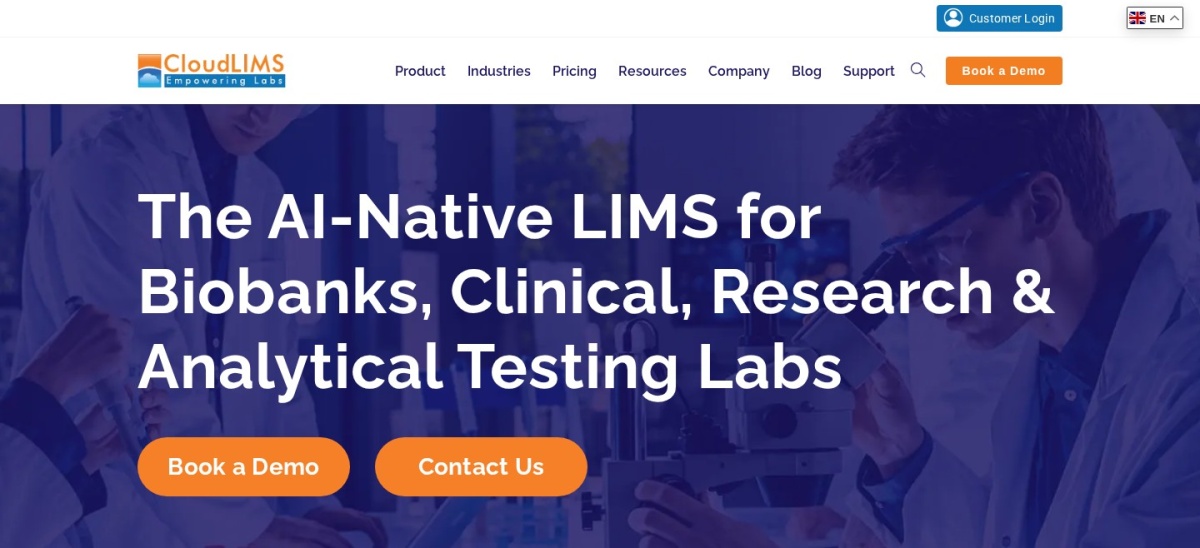
CloudLIMS is a pure SaaS LIMS with no servers to run, aimed at biobanks, clinical diagnostics, cannabis, environmental and analytical testing labs. The 5-user plan costs $285 per user a month billed annually, and per-user pricing falls to $42 a month at 100 users.
The trade off is depth. Customization does not match LabWare or STARLIMS, and labs with strict data-residency rules need to verify hosting details. It suits small and mid-size labs that want to go live fast without infrastructure.
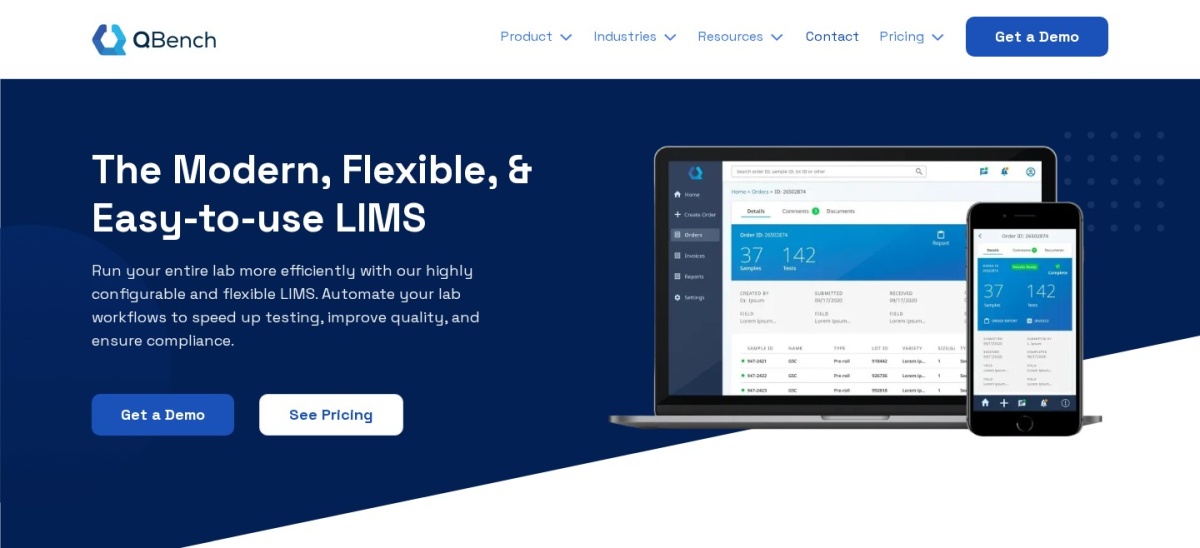
QBench is a modern, no-code LIMS for materials, food, life sciences, agriculture and environmental labs. The Foundation plan starts at $16,500 a year for 5 users and covers orders, samples, tests, batches, workflows and reporting, with volume discounts from 10 users.
The trade off is that the entry plan is still a serious spend for a very small lab, and instrument integration, the customer portal and inventory need the Growth plan at $19,500 a year. It suits growing labs that want configurability without custom code.
What we like
Published pricing on all three plans
Rated 4.6/5 on G2 from 149 reviews
No-code configuration and automations
Volume discounts from 10 users
Watch out for
Entry plan is $16,500 a year for 5 users
Instrument integration needs the Growth plan
No free plan, only a demo
Growth adds instrument integration and a customer portalVisit qbench.net
07
Benchling
4.5/5on G2 (65 reviews, checked Nov 2026)
PricingCustom/yr
Best for biotech R&D teams
Cheapest paid planQuote only
Free trialSign-up available
PlatformLIMS, ELN, registry, workflows
Customers1,300+ biotech companies
benchling.com
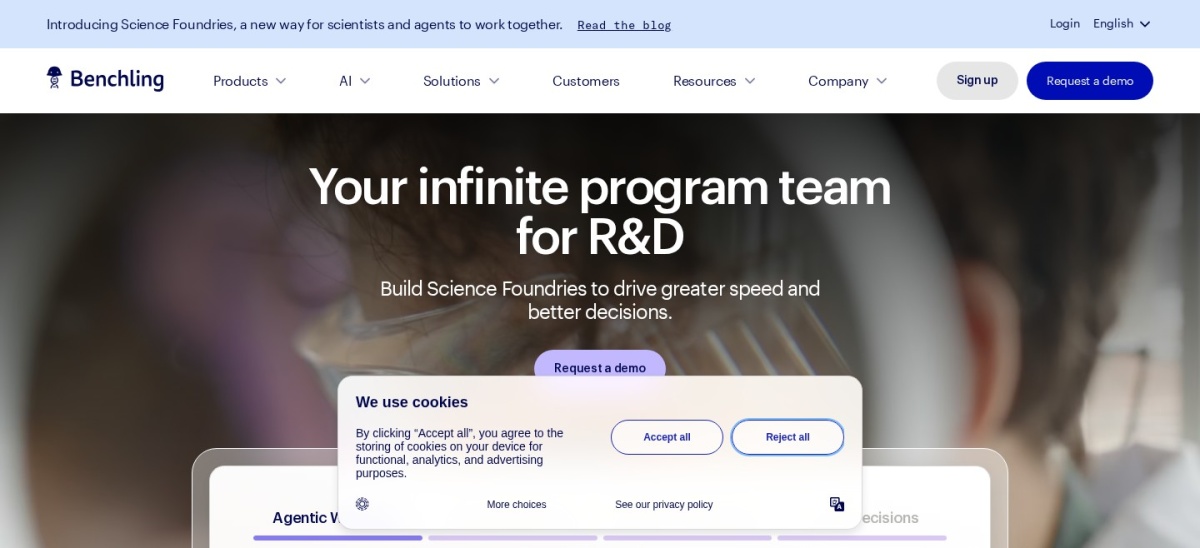
Benchling homepage, captured Nov 2026.
Benchling is the modern system of record for biotech R&D, combining molecular biology tools, an electronic lab notebook, a sample registry and LIMS workflows in one cloud platform. The vendor says more than 1,300 biotechnology companies use it, from startups to large enterprises.
The trade off is price and focus. Benchling publishes no plan prices, advanced modules are pricey according to reviewers, and it is built for R&D rather than routine diagnostic or manufacturing QC labs. It suits biotech teams running discovery through process development.
What we like
Rated 4.5/5 on G2 from 65 reviews
Strongest fit for biotech R&D workflows
Used by 1,300+ biotech companies
Modern interface reviewers praise for collaboration
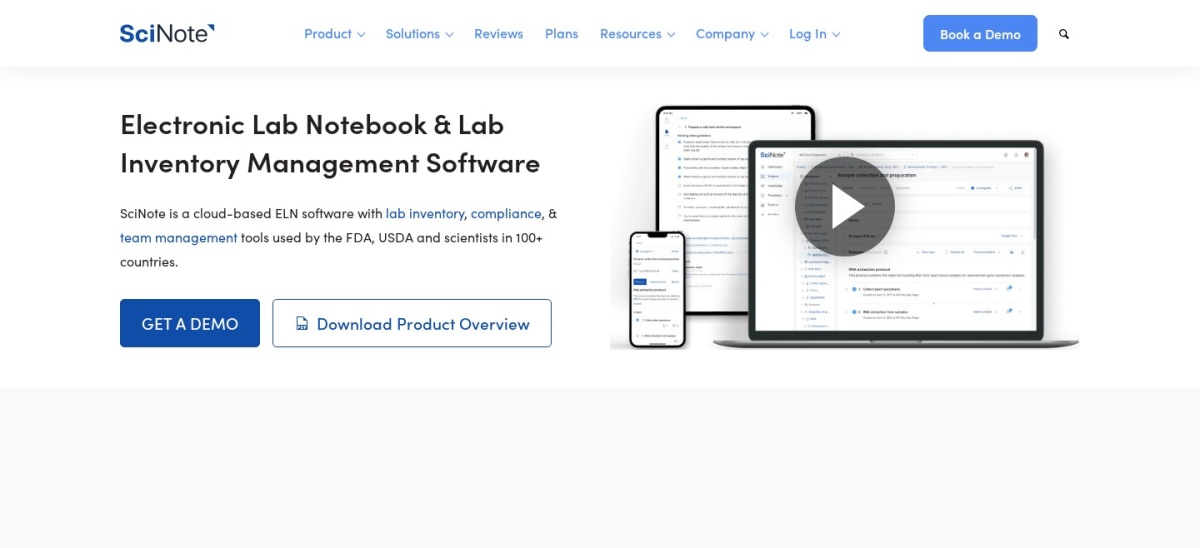
SciNote is a cloud electronic lab notebook with lab inventory, protocol management, project management and 21 CFR Part 11 compliance. A free plan covers individual users, and the vendor says it is used by the FDA, USDA and scientists in more than 100 countries.
The trade off is that SciNote is an ELN first and a LIMS second, and paid plan prices are not published, so teams must contact sales for a quote. It suits academic and small research labs that want a free, compliant start.
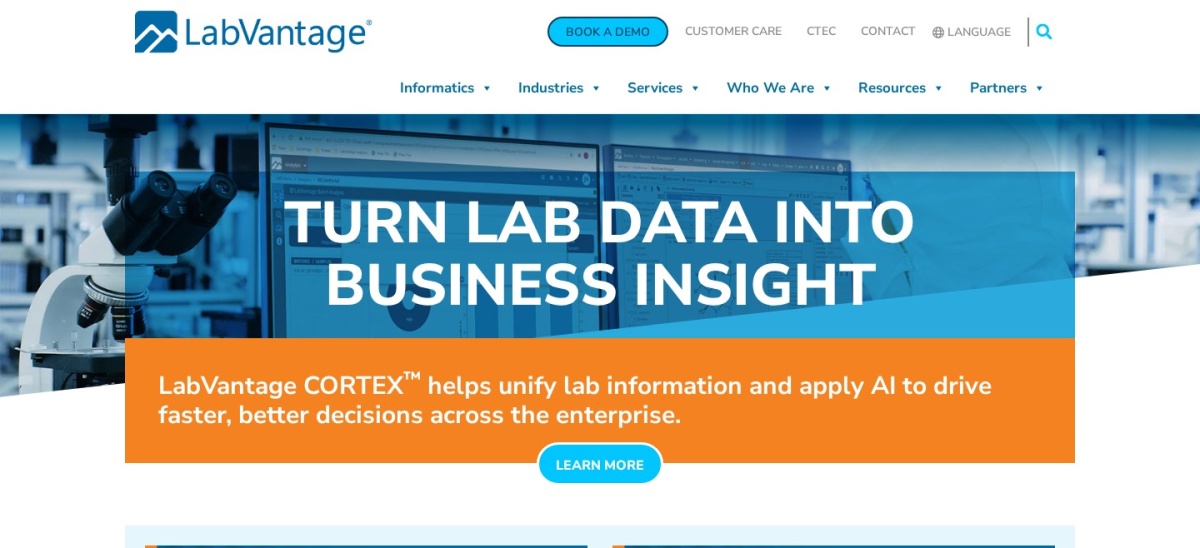
LabVantage is a pharma-focused laboratory informatics platform in use since 1981, with pre-configured and pre-validated editions for pharmaceutical quality control. It covers LIMS, ELN and business intelligence, with an SDK for custom integrations and a cloud-native OnDemand option.
The trade off is usability and cost. Reviewers describe it as expensive and difficult to configure, with complex setup and slow performance in places. It suits pharma and biotech QC labs where compliance pedigree matters most.
Clinisys LIS is the current name for Orchard Harvest, a clinical laboratory information system built over three decades for hospital, reference, physician-office and public health labs. It covers toxicology, microbiology, molecular testing and outreach, with patient-centric and sample-centric workflows.
The trade off is evidence. Its Capterra rating rests on only 14 reviews, pricing is quoted, and the Orchard name now redirects to Clinisys, which can confuse buyers. It suits clinical labs that want a proven LIS with outreach rather than a research LIMS.
Buy a clinical LIS when the lab serves patients: hospital, reference, physician-office and public health labs need orders, patient results, outreach and billing hooks. Clinisys and CrelioHealth are the LIS picks in this list.
Buy a LIMS when the lab serves products or research: pharma QC, manufacturing, food safety, environmental and biotech R&D labs need batches, stability studies and instrument workflows. LabWare, STARLIMS, LabVantage and QBench are the LIMS picks here.
Research labs sit in between. Benchling, Labguru and SciNote combine ELN and LIMS features, which fits discovery work but not routine diagnostic testing.
Buying the wrong category is the most expensive mistake in lab informatics, because switching means re-validating workflows. Confirm the category with a demo on your own sample types before signing.
How we chose
We started from the established laboratory informatics vendors across clinical LIS and enterprise LIMS, then kept ten tools with a verifiable public rating on G2 or Capterra and a live product page.
Prices come from each vendor's pricing page, checked on 25 November 2026. Ratings and review counts come from G2 on the same day, except Clinisys, which uses Capterra. Where a vendor shows no price, the list shows Custom and the text says so.
We left out Thermo Fisher SampleManager and LabCollector: both vendors' sites blocked the screenshot service twice, so they could not be verified visually. No vendor paid for a place, and we do not claim hands-on testing for this list.
How to choose laboratory information system software
Start with the lab type, then match the system to your workflows and compliance needs.
Decide LIS or LIMS first. Clinical and diagnostic labs need a patient-centric LIS; pharma, manufacturing and research labs need a sample-centric LIMS. Getting this wrong costs more than any licence.
List your compliance requirements. Check 21 CFR Part 11, ISO 17025, HIPAA or GMP coverage before the demo, and ask for the validation documents your auditors will want.
Check instrument integration. Ask which of your analyzers connect out of the box, what the interface work costs, and who maintains it when instruments change.
Get the full price in writing. Most vendors quote, so ask for licences, implementation, validation, training and annual maintenance as one total before you sign.
FAQ
What is the best laboratory information system software?
LabWare is the best pick for most regulated labs, rated 4.5 out of 5 on G2 from 102 reviews. CrelioHealth leads for diagnostic labs, and CloudLIMS is the best pure SaaS option for smaller labs.
What is the difference between LIS and LIMS software?
A LIS is patient-centric and built for clinical labs, handling orders, patient results and outreach. A LIMS is sample-centric and built for research, pharma and industrial labs, handling batches, stability and manufacturing workflows.
How much does laboratory information system software cost?
Most enterprise tools are quote-only with no published price. Published prices here range from $285 per user a month for CloudLIMS to $1,400 a month for CrelioHealth and $16,500 a year for QBench.
Is there free laboratory information system software?
SciNote offers a free plan for individual users, which is the only free starting point in this list. The enterprise LIS and LIMS platforms here have no free plan, though several offer a free trial or demo.
Which LIS is best for clinical and hospital labs?
Clinisys, formerly Orchard Harvest, is the classic clinical LIS for hospital and reference labs. CrelioHealth is the modern cloud alternative for diagnostic labs, with the highest rating in this list.
Do I need a LIMS or an ELN for research?
Research teams often need both, which is why Benchling, Labguru and SciNote combine ELN and LIMS features. Pure LIMS platforms suit routine testing better, while an ELN alone fits labs that mainly record experiments.
How long does it take to implement a LIS or LIMS?
Enterprise platforms take months: G2 data puts STARLIMS at about 8 months and LabWare implementations are also measured in months. Cloud tools like CloudLIMS and QBench deploy faster, in weeks rather than quarters.
SaaS SEO and WordPress specialist with about 8 years of experience. Rakib compares WordPress plugins, themes, hosting and software using public pricing, documentation and user reviews. See how we rank.