Zoho Inventory is the best inventory software for ecommerce for most small sellers, with a free plan for 50 orders a month, paid plans from $29 a month and a 4.5 out of 5 Capterra rating. Pick Finale Inventory for purchasing and reordering, or Katana if you make the products you sell.
How we make this list: we compare pricing pages, product documentation and public user reviews, then re-check every price before each update. No product paid for a place. Disclosure.
Zoho Inventory is the cheapest way in: a free plan for 50 orders a month, then $29 a month billed annually.
Finale Inventory has the highest rating here at 4.7 out of 5 on Capterra, from 218 reviews.
Katana is the only tool with a free plan that also covers production, up to 30 SKUs.
Veeqo is free for unlimited orders and labels, but its deeper inventory tools sit behind paid plans.
Cin7 Core, Ordoro and Unleashed all start at $349 a month or more, so they fit busier sellers.
Every tool here syncs stock across at least two sales channels, including Shopify and Amazon.
What ecommerce inventory software should do
An ecommerce store sells the same stock on several channels at once. Without one stock record, Shopify can sell an item that Amazon already sold, and the order ends in a refund.
Good inventory software keeps one stock count across every channel, updates it when an order lands, and warns you before a popular item runs out.
Look for the channels you actually sell on, purchase orders, barcode scanning and low-stock alerts. Our guide on adding products in WooCommerce shows how product data feeds the stock count.
Price follows order volume more than team size here. Some tools charge per order, some per user, and some per warehouse, so check which limit you will hit first.
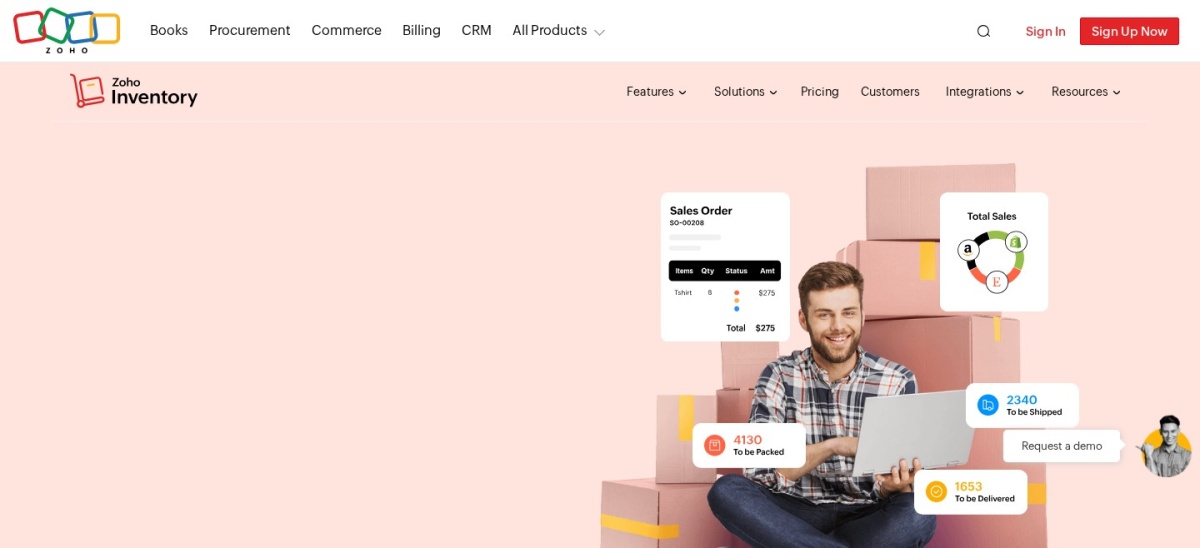
Zoho Inventory is cloud inventory and order management software that tracks stock, sales orders, purchase orders and warehouses across Shopify, Amazon, eBay and WooCommerce. Its free plan covers 1 user, 50 orders and 50 shipments a month, with barcode scanning and Shopify integration.
The trade off is caps. Every tier limits monthly orders, users and warehouses, so a busy month can push a growing store into a higher plan, starting at $29 a month billed annually ($39 billed monthly) on Standard. It suits small sellers who want a real order workflow before paying anything.
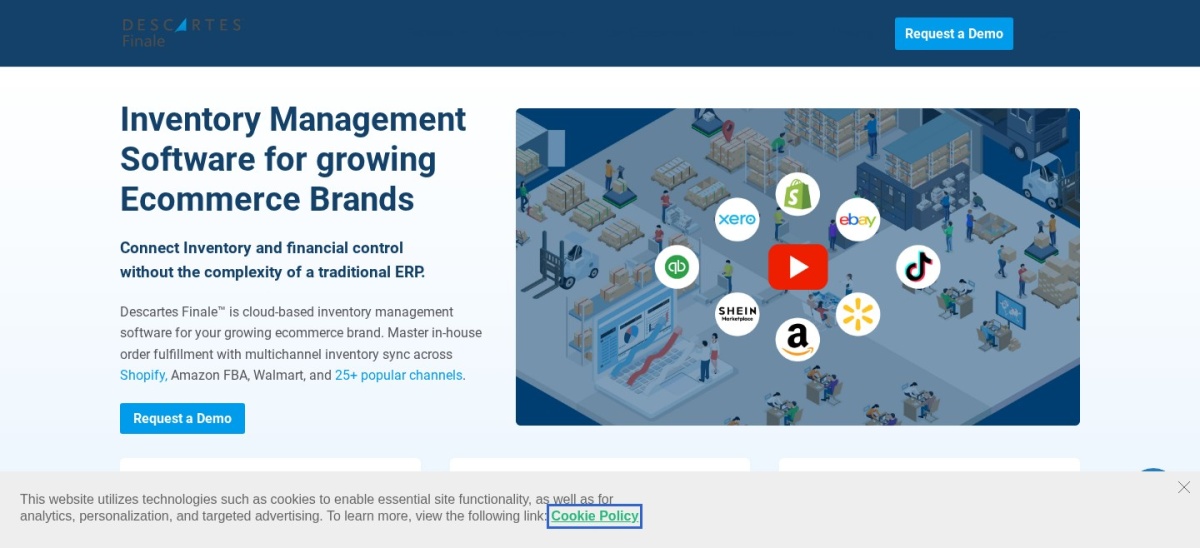
Finale Inventory is cloud inventory software built for ecommerce sellers who buy, store and ship their own stock. Its entry plan starts at $99 a month for 1 user and up to 500 orders a month, with purchase orders, barcode scanning, warehouse transfers and reorder points.
The trade off is scope at the entry price. The $99 plan covers 1 user and 500 orders a month, so a growing team or a busier month needs a higher plan. It suits sellers who want purchasing and reordering done well rather than a broad suite.
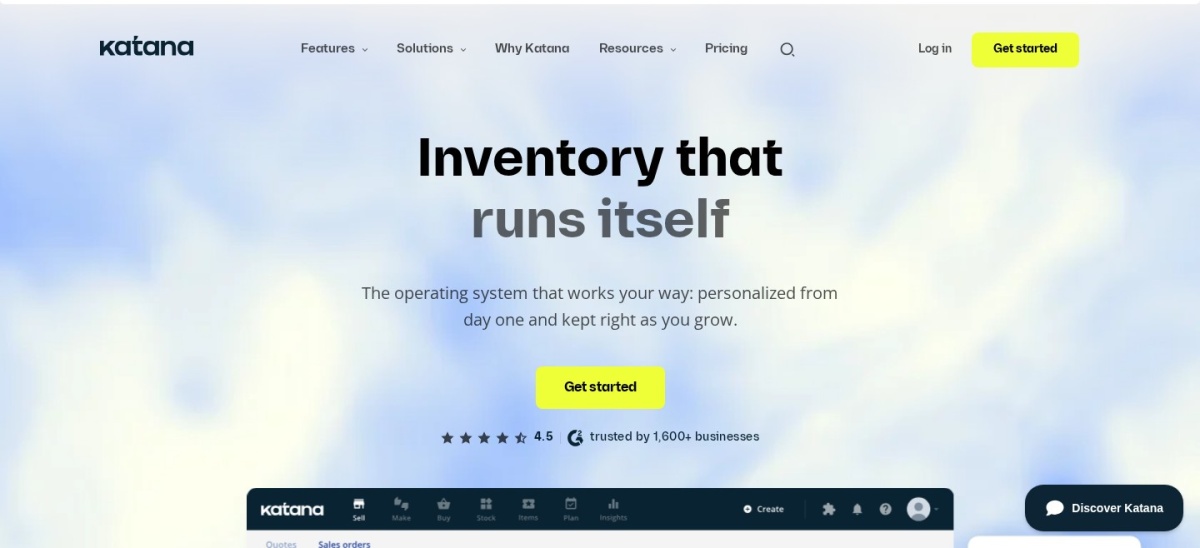
Katana is cloud inventory and manufacturing software for brands that assemble or make products and sell them on Shopify, WooCommerce, Amazon or eBay. Its free plan covers up to 30 SKUs with unlimited users, locations and integrations, and Core from $299 a month removes the SKU limit.
The trade off is price. Core starts at $299 a month, and manufacturing management is a $199 a month add-on, so a small maker pays a lot for the full production setup. It suits multichannel brands that need stock tied to bills of materials and production planning.
inFlow Inventory is stock and order management software built around purchase orders, sales orders, invoicing and barcode workflows. Its Lite plan starts at $99 a month billed annually ($129 billed monthly) for 2 team members and 1 location, with unlimited products and orders.
The trade off is location limits. Multi-location stock transfers need Core at $299 a month billed annually, and Core, Pro and Max carry a $499 onboarding fee. It suits wholesale and B2B sellers who handle large order volumes from one warehouse.
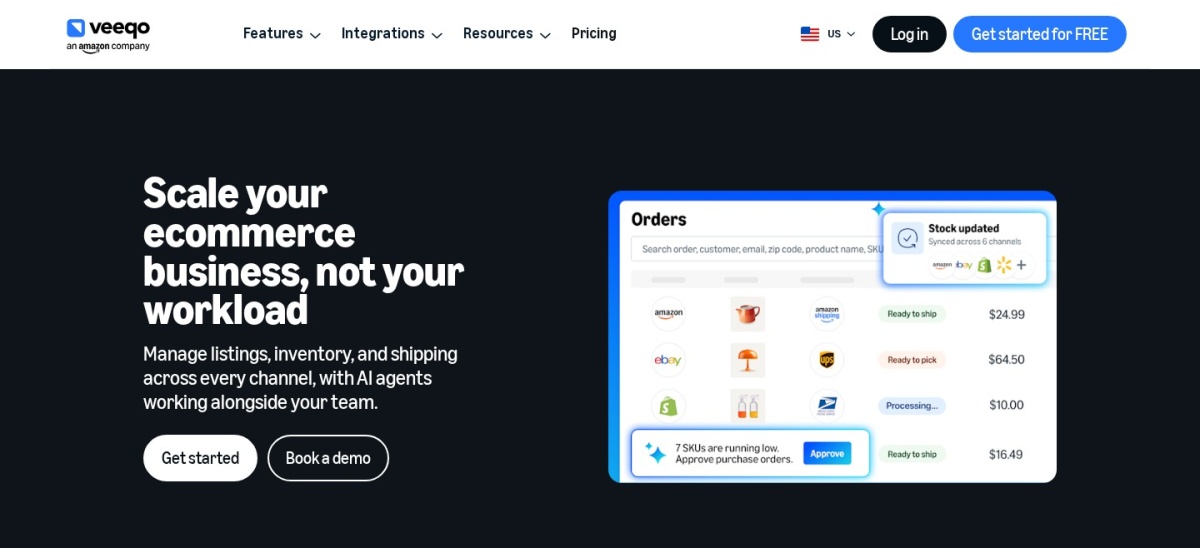
Veeqo is multichannel shipping and inventory software from Amazon for sellers on Amazon, eBay, Shopify and WooCommerce. Its free plan covers unlimited users, orders and shipping labels, with inventory sync, bulk label printing and discounted carrier rates.
The trade off is depth. Advanced inventory tools such as automated sync, digital picking and forecasting sit behind paid plans, and the free tier is built around shipping first. It suits Amazon-centred sellers who want stock sync and cheap labels without a monthly fee.
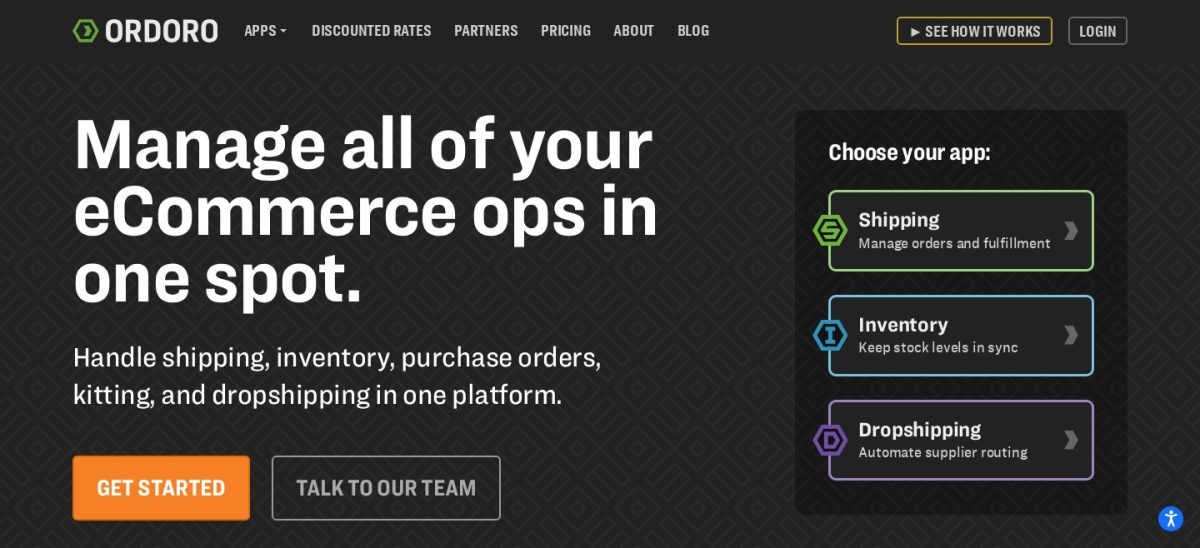
Ordoro is an ecommerce operations platform that combines inventory, order management, shipping and dropshipping for online merchants. Its Inventory Advanced plan costs $349 a month with a 1,000-order monthly base, and it syncs stock across sales channels while printing labels in the same workflow.
The trade off is the modular price. Shipping starts free, but real inventory control needs the $349 Inventory plan, with $100 per extra 1,000 orders, so costs rise with volume. It suits sellers who ship a lot and want inventory and labels in one system.
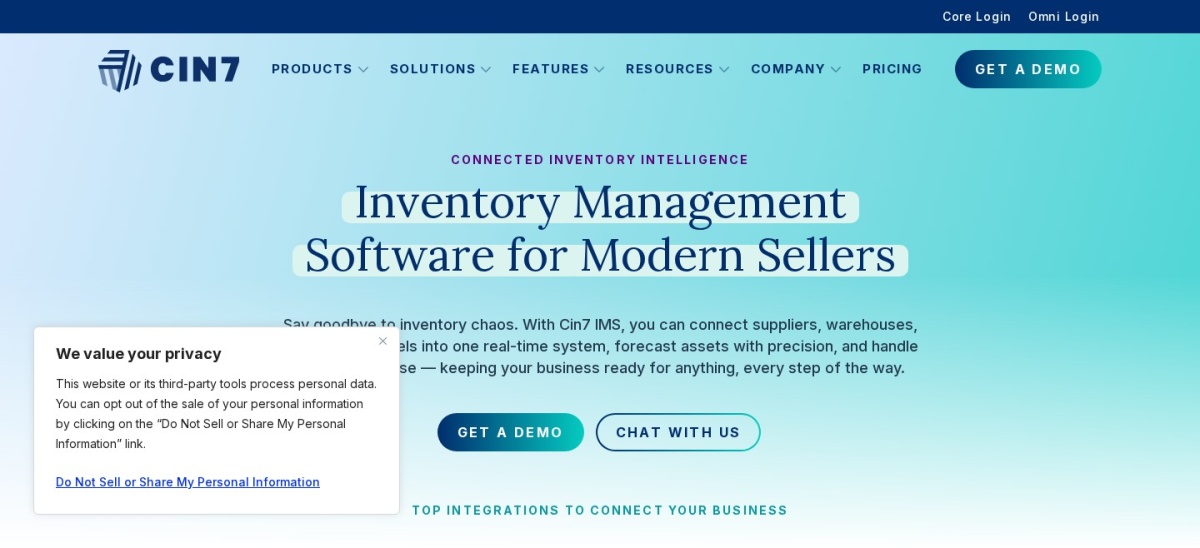
Cin7 Core is inventory, warehouse and manufacturing software for sellers running stock across Shopify, Amazon, eBay and wholesale channels. Its Standard plan costs $349 a month for 3 users and 2 ecommerce integrations, with standard warehouse and manufacturing modules and core reporting.
The trade off is cost at the entry level. Pro costs $599 a month and Advanced $1,199, and extra users and integrations add charges, so small sellers pay a lot for the depth. It suits growing multichannel businesses that need manufacturing and accounting in one system.
What we like
Broad multichannel and marketplace integrations
Warehouse and manufacturing modules included
Rated 4.3 out of 5 from 353 G2 reviews
Watch out for
Standard starts at $349 a month
Extra users and integrations cost more
Pro adds 6 users and 4 integrations at $599/moVisit cin7.com
08
Fishbowl
4/5on G2 (283 reviews, checked Nov 2026)
Starts at$229/mo
Best for QuickBooks-based sellers
Free planNo, free trial
Entry planFishbowl Inventory, $229/mo
AccountingQuickBooks integration
ManufacturingAdvanced plan, $595/mo
fishbowlinventory.com
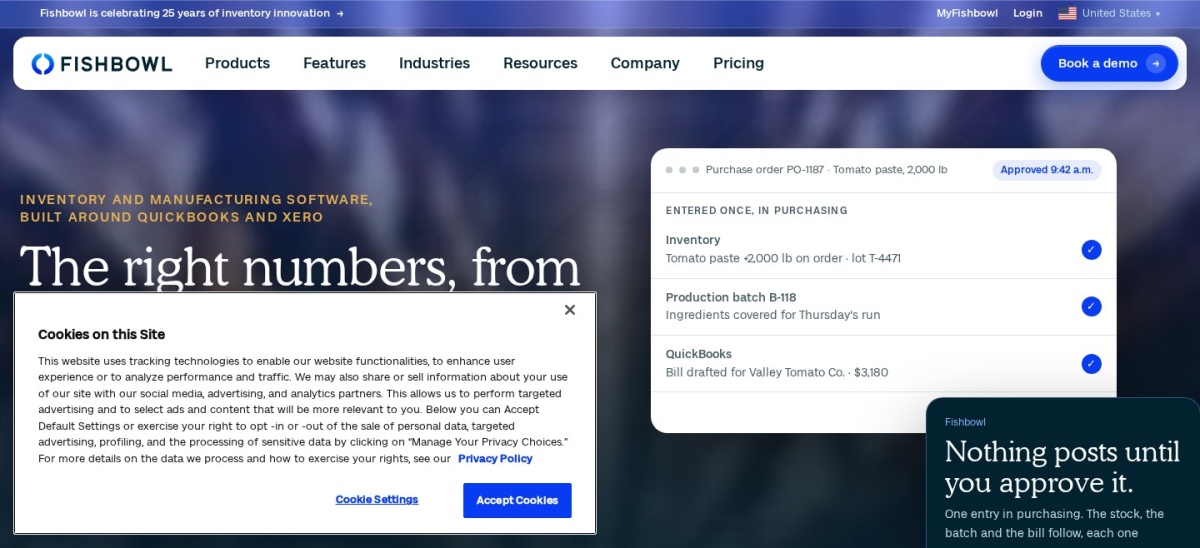
Fishbowl homepage, captured Nov 2026.
Fishbowl is inventory, purchasing and order management software for small businesses that run their books in QuickBooks. Its Fishbowl Inventory plan costs $229 a month and adds stock control, purchasing, fulfillment and manufacturing workflows beyond what QuickBooks alone offers.
The trade off is total cost. Modules, extra users and custom reports add charges on top of the base plan, and the Advanced plan costs $595 a month. It suits QuickBooks users who want deeper inventory and manufacturing without moving to a full ERP system.
Unleashed is cloud inventory software for manufacturers, wholesalers and distributors that need accurate stock across several warehouses. Its Core plan costs $399 a month for 3 users, with multi-warehouse tracking, batch and serial tracking, sales and purchase orders, and Xero integration.
The trade off is the add-on model. Demand forecasting needs Pro at $729 a month, and barcode scanning, warehouse management and a B2B store are paid add-ons, so the full setup costs far more than Core. It suits product businesses that value stock accuracy and accounting sync above a low entry price.
Free plans cover basic stock sync and a small order volume. Zoho Inventory allows 50 orders a month, Katana allows 30 SKUs, and Veeqo allows unlimited orders but keeps deeper inventory tools behind paid plans.
Paid plans mostly add volume and locations. You get more orders, more users, more warehouses and features such as forecasting or a B2B portal.
If you sell on three or more channels, a free plan can still work while volume is low. Once orders pass a few hundred a month, the cheapest paid plan usually costs less than the refunds from overselling.
How we chose
We started from inventory tools with published pricing and a public rating on G2, Capterra or GetApp, then kept those built for sellers on Shopify, Amazon, eBay or WooCommerce.
Prices come from each vendor's pricing page and provider pricing listings, checked on 25 November 2026. Ratings and review counts come from G2, Capterra and GetApp on the same day. Where a vendor shows a sale, the list shows the regular price.
We left out tools with no published price, such as Linnworks, which is quote-based. No vendor paid for a place, and we do not claim to have used these tools ourselves.
How to choose inventory software for ecommerce
Start with the channels you sell on, then check which limit you will hit first.
List every channel you sell on. Check that the tool syncs stock with Shopify, Amazon, eBay or WooCommerce, whichever you use, before you look at anything else.
Find your monthly order count. Pick a plan whose order, user or warehouse limit sits above your busiest month, not your average month.
Check the purchase order workflow. You need purchase orders, receiving and reorder points if you buy stock in batches; a shipping-only tool will not cover it.
Try the free plan or trial first. Set up one channel, import a small set of products and watch the stock count change when a test order lands.
FAQ
What is the best inventory software for ecommerce?
Zoho Inventory is the best pick for most small sellers. Its free plan covers 50 orders a month, paid plans start at $29 a month billed annually, and it is rated 4.5 out of 5 on Capterra from 422 reviews.
Is there free inventory software for ecommerce?
Yes. Zoho Inventory is free for 50 orders a month, Katana is free for up to 30 SKUs, and Veeqo is free for unlimited orders and shipping labels. Free plans cap orders, SKUs or features, so check the limits before you commit.
How much does inventory software for ecommerce cost?
Entry prices in this list run from $29 a month for Zoho Inventory to $399 a month for Unleashed. Most small sellers pay $29 to $99 a month, while multichannel and manufacturing tools start at $299 to $399 a month.
Do I need inventory software if I only sell on Shopify?
Not always. Shopify tracks stock for one store, but it does not sync with Amazon, eBay or a warehouse system. Add inventory software once you sell on a second channel or hold stock in more than one place.
What is the difference between inventory software and an ERP?
Inventory software tracks stock, orders and purchasing. An ERP adds accounting, HR and full financial planning in one system. Most ecommerce sellers do not need an ERP until they outgrow tools such as Cin7 Core or Fishbowl.
Can inventory software stop overselling?
Yes, when every channel syncs to one stock count. An order on any channel lowers the shared count at once, so a second channel cannot sell the same item. Sync delays of a few minutes can still cause rare oversells at peak times.
SaaS SEO and WordPress specialist with about 8 years of experience. Rakib compares WordPress plugins, themes, hosting and software using public pricing, documentation and user reviews. See how we rank.