MarketMan is the best food costing software for most restaurants, with real-time recipe costing, invoice scans and actual vs theoretical reporting from $249 a month. Pick meez from $19 a month for recipe costing on a budget, or MarginEdge at $350 a location for hands-off invoice processing.
How we make this list: we compare pricing pages, product documentation and public user reviews, then re-check every price before each update. No product paid for a place. Disclosure.
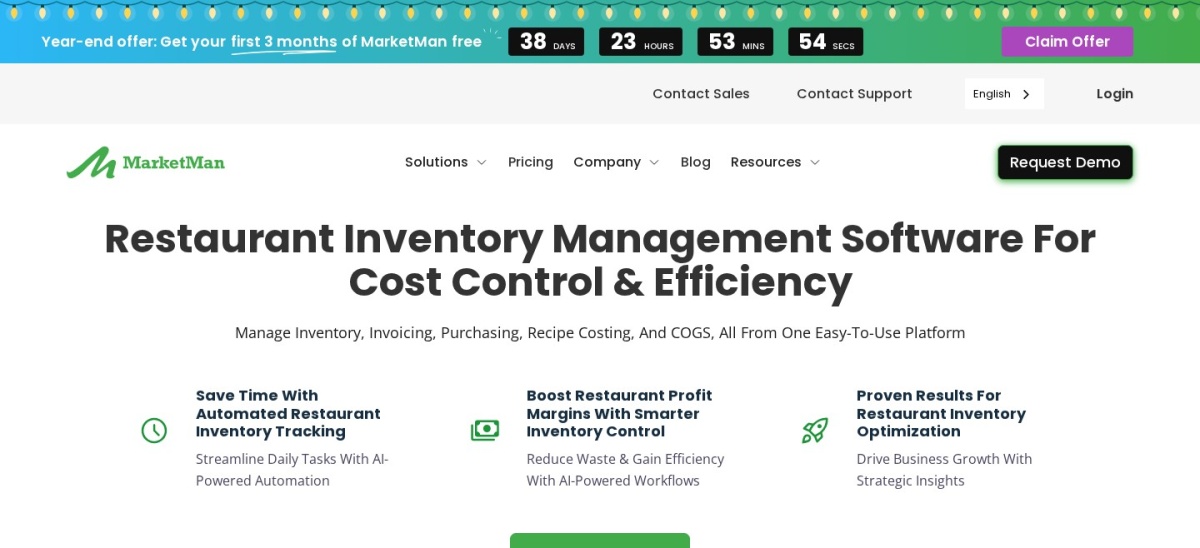
MarketMan leads on breadth: live recipe costing, invoice scans and ordering from $249 a month.
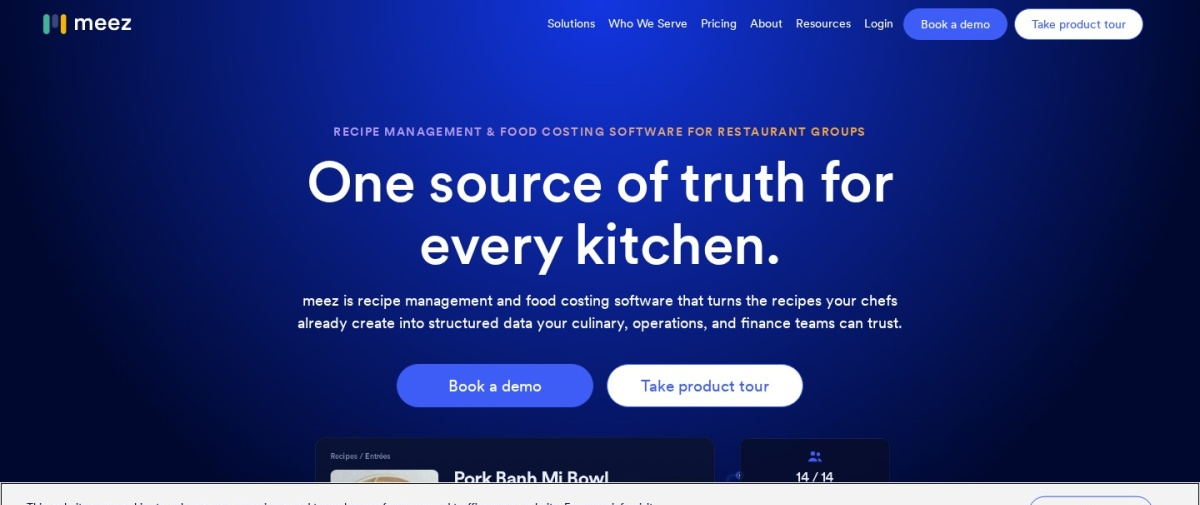
meez is the cheapest way in at $19 a month, but inventory needs the $89 Pro plan.
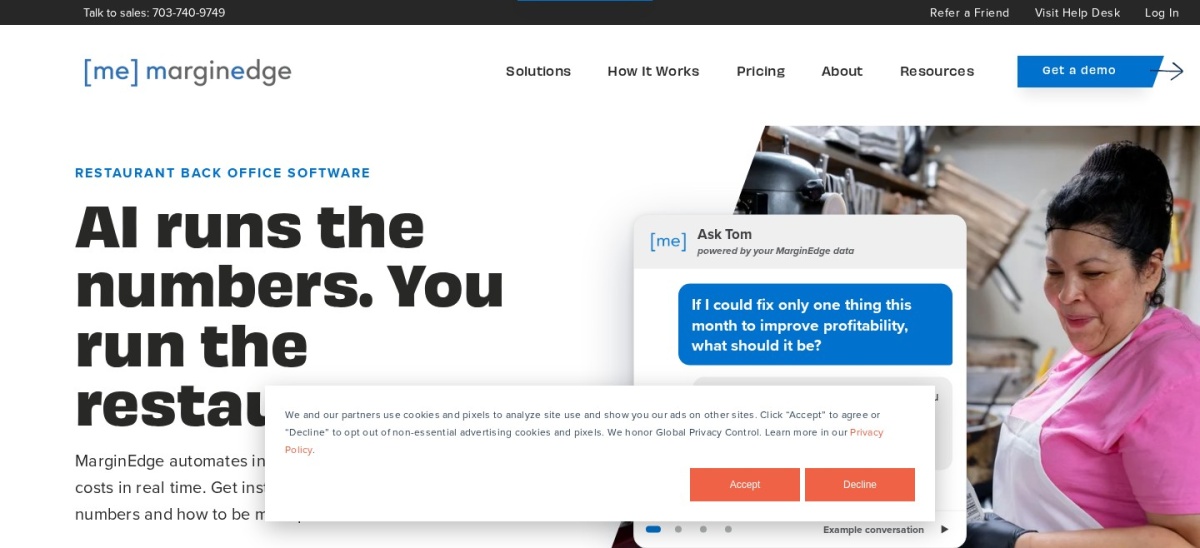
MarginEdge is the only flat $350-a-location plan with unlimited invoices and bill pay included.
Restaurant365 is the dearest at $489 a location a month, and the only pick with full accounting built in.
Three tools publish no dollar price at all: Apicbase, Craftable and Restroworks are quote-based.
What food costing software should do
Food cost is the number most restaurants watch closest, and it moves every time a supplier changes a price. Recipe costing software keeps each dish costed against live ingredient prices, so a menu price is based on today, not last month.
The tools in this list split into two kinds. Inventory platforms such as MarketMan and MarginEdge track stock, invoices and usage, while recipe-first tools such as meez and reciProfity focus on costing and scaling the recipes themselves.
Price is the sharpest difference. Entry points run from $19 a month for meez to $489 a location a month for Restaurant365, and three tools in this list do not publish a dollar price at all. Our guide on managing inventory in WooCommerce covers the same counting habits for smaller shops.
Watch the tier trap. In several tools here, recipe costing is on the entry plan but inventory, invoice processing or multi-site views sit a tier or two higher, so check which plan holds the feature you need before you compare prices.
MarketMan is a cloud platform for restaurant inventory, purchasing and recipe costing, used by more than 15,000 restaurants. The Starter plan costs $249 a month and includes real-time recipe costing, actual vs theoretical reporting, waste tracking and 50 AI invoice scans a month.
The trade off is price. At $249 a month, MarketMan costs more than recipe-only tools, and smart ordering and unlimited scans need the $299 Growth plan. It suits independent restaurants and small groups that want live food cost control without a full accounting suite.
MarginEdge is restaurant back-office software built around invoices. You photograph each invoice, MarginEdge codes it, and the prices flow into recipe costs, inventory and a daily profit and loss report. The flat price is $350 per location a month and includes unlimited invoice processing and bill pay.
The trade off is price. At $350 a location each month, MarginEdge is one of the dearest tools here, and Toast restaurants also pay Toast a separate API fee. It suits restaurants buried in paper invoices that want food cost figures every day, not at month end.
meez is recipe management and food costing software built by chefs. The Starter plan costs $19 a month billed annually and covers unlimited recipes, AI recipe import, scaling, yield calculations and a margin calculator. Costs recalculate the moment an ingredient price changes.
The trade off is scope. Starter has no inventory, so stock counts need the $89 Pro plan, and invoice-fed costs need the $179 Premium plan. It suits chefs and small teams that need every recipe costed and scaled, and can live without full inventory for now.
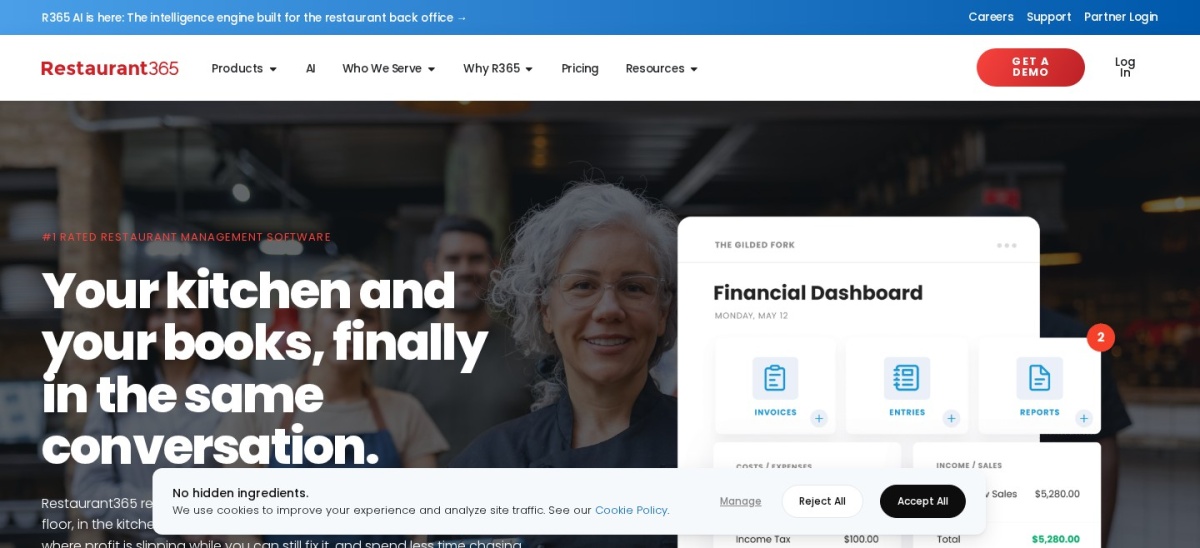
Restaurant365 is an operations platform that combines restaurant accounting, inventory, purchasing and scheduling in one system. The Professional plan costs $489 a month per location billed annually and links recipe costs to the general ledger, so food cost shows up in the same reports as labor and sales.
The trade off is size and price. At $489 a location each month, Restaurant365 is the dearest tool here, and setup takes weeks rather than days. It suits restaurant groups that want accounting and inventory in one place instead of stitching separate tools together.
What we like
Accounting and inventory in one system
Largest review base in this list at 331 G2 reviews
Apicbase is a back-of-house platform for multi-site foodservice groups, built around one recipe database shared across every outlet. It covers recipe and menu management, technical sheets, food costing, procurement and inventory, and it holds a 4.5 out of 5 rating on G2 from 60 reviews.
The trade off is price. Apicbase sells Growth, Professional and Enterprise tiers by quote only, with Growth starting from five outlets, so single restaurants cannot buy in. It suits hotel groups and chains that need the same recipes and costs enforced at every site.
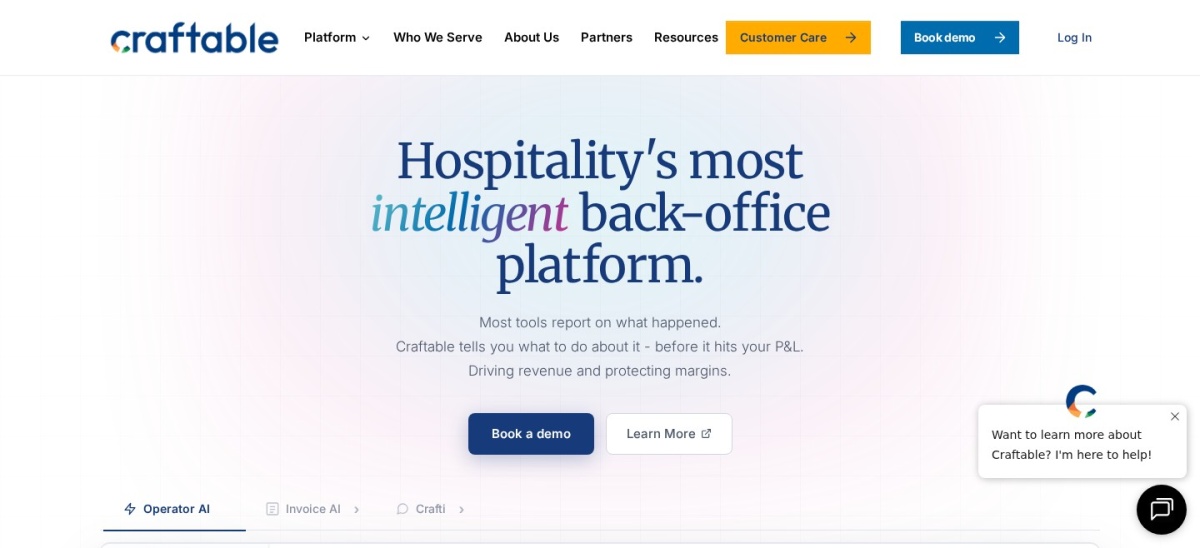
Craftable is a hospitality platform that ties inventory, recipe costing, ordering and invoices together, with AI tools for invoice capture and reporting. It holds a 4.4 out of 5 rating on G2 from 129 reviews, and reviewers praise its recipe costing and real-time cost visibility across locations.
The trade off is price and setup. Craftable does not publish prices on its own site, and G2 figures disagree on the entry point, while reviewers note a steep setup and learning curve. It suits mid-size groups that will invest weeks in setup to get tight cost control.
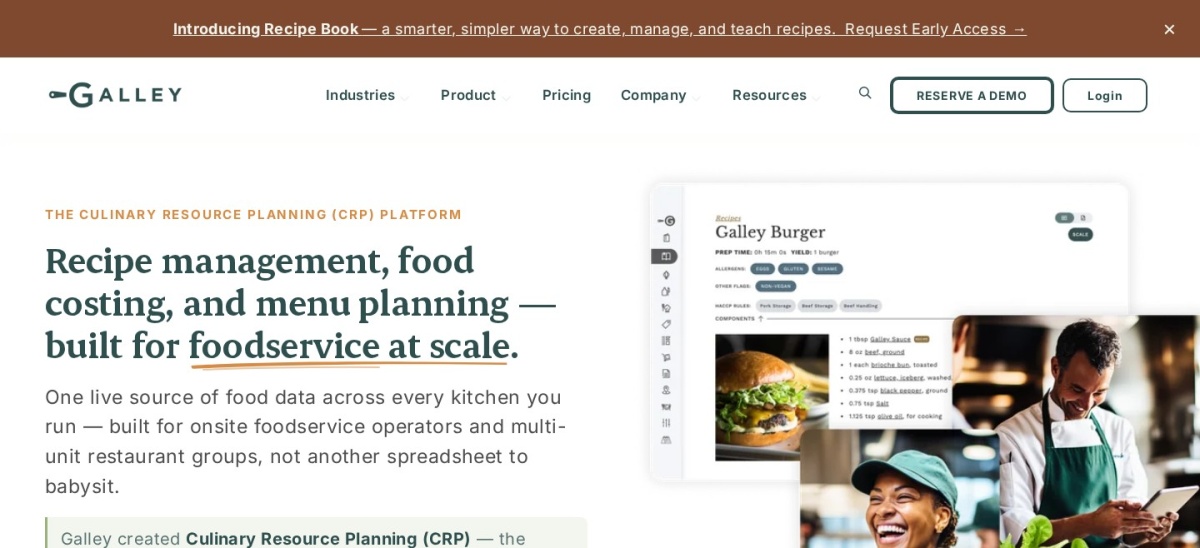
Galley is a culinary resource planning platform for high-volume kitchens, commissaries and ghost kitchens. It connects recipes, menus, inventory and ordering, costs each recipe as vendor prices change, and turns menus into production plans. A free Test Kitchen tier lets small teams try the core recipe tools.
The trade off is focus and proof. Galley is built for production at scale, so a single restaurant may find it heavy, and its 4.8 Capterra rating rests on only 12 reviews. It suits caterers, commissaries and groups that plan production around costed recipes.
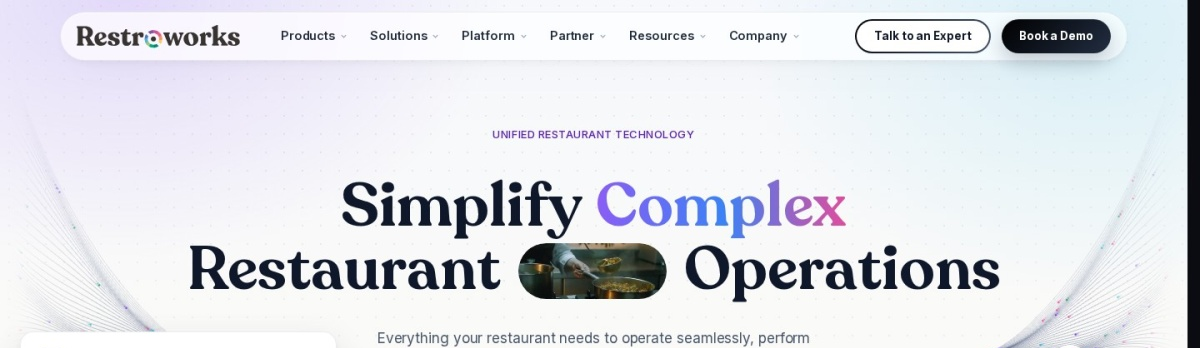
Restroworks is a cloud restaurant platform used by more than 25,000 restaurants, including large chains, with inventory management as one of its core modules. Its inventory dashboard ties recipe management to live stock, purchase orders and waste control, and it holds a 4.6 out of 5 rating on G2 from 979 reviews.
The trade off is scale and price. Restroworks sells by custom quote, and its tools are built for multi-unit enterprises, so a single restaurant will find it heavy. It suits chains and franchises that need one database for POS, inventory and costing across every site.
What we like
Largest review base in this list at 979 G2 reviews
reciProfity is a focused food costing tool for independent restaurants, caterers and prepared-food shops. The Agile plan costs $65 a month and covers recipe costing, inventory and waste tracking, plus a built-in Book of Yields with yield data for more than 1,000 ingredients.
The trade off is proof and polish. Its Capterra rating is 3.0 out of 5 from only two reviews, and one reviewer reports being charged after cancelling a trial, so check the trial terms first. It suits small operators that want deep costing without enterprise prices.
Only Galley lists a free tier here, and it keeps the deeper tools behind a paid plan. Its free Test Kitchen tier covers basic recipe work, not invoice automation or multi-site costing.
Paid plans mostly add automation and scale. Invoice scanning, live cost feeds, smart ordering and group reporting sit on paid tiers across this list.
The cheapest paid plan is not always the cheapest buy. meez starts at $19 a month but needs Pro at $89 for inventory, while MarketMan at $249 includes it from the start.
If food cost is already eating margin, a paid plan usually pays for itself faster than a free tier. Start with the feature you need, then find the cheapest plan that holds it.
How we chose
We started from the food costing and restaurant inventory tools with published pricing or a public rating on G2 or Capterra, then kept the nine with the strongest fit for recipe costing, invoice capture or inventory control.
Prices come from each vendor's pricing page or listing, checked on 25 November 2026. Ratings and review counts come from G2 or Capterra on the same day. Where a vendor shows a sale, the list shows the regular price.
We left out tools with no current standalone product and tools whose screenshots were blocked by bot checks. No vendor paid for a place, and we do not claim hands-on testing for this list.
How to choose food costing software
Start with the job you need done every week, then match the tool to it.
Count what you actually do by hand. If invoices eat your evenings, pick an invoice-first tool such as MarginEdge or MarketMan. If recipes are the mess, start with meez or reciProfity.
Check which tier holds the feature you need. Inventory, invoice processing and multi-site views often sit above the entry plan. Price the tier you need, not the cheapest one listed.
Match the tool to your size. A single restaurant rarely needs Restaurant365 or Apicbase. Groups with five or more sites get the most from quote-based platforms built for them.
Trial the costing on your own menu. Load ten of your own recipes with current supplier prices before you pay. If the costs look wrong, the tool will not fix them later.
FAQ
What is the best food costing software?
MarketMan is the best pick for most restaurants. Its $249-a-month Starter plan combines real-time recipe costing, invoice scans, actual vs theoretical reporting and waste tracking, and it holds a 4.3 out of 5 rating on G2.
What is the cheapest food costing software?
meez is the cheapest entry in this list at $19 a month billed annually for its Starter plan, which covers unlimited recipes and basic costing. Inventory needs the $89 Pro plan, so a kitchen that also counts stock should budget for that tier instead.
Do I need inventory management as well as recipe costing?
It depends on how you buy. Recipe costing alone works if your supplier prices barely move and you count stock on paper. If prices change weekly or waste is a problem, an inventory tool such as MarketMan or MarginEdge keeps costs live without extra spreadsheets.
Why do some tools not show a price?
Apicbase, Craftable and Restroworks sell by quote because the price depends on your number of sites, users and modules. That is normal for group software, but it means you must talk to sales before you can compare them fairly with tools that publish prices.
Can food costing software replace my accountant?
No. These tools track ingredient costs, margins and stock, but they do not do tax, payroll or year-end accounts. Restaurant365 comes closest because it includes accounting, yet most restaurants still keep an accountant beside it.
Which tool is best for a single restaurant?
MarketMan suits most single restaurants that want costing plus inventory, while meez suits chefs who mainly need recipes costed. MarginEdge fits single sites buried in paper invoices, though its $350-a-location price is steep for one kitchen.
SaaS SEO and WordPress specialist with about 8 years of experience. Rakib compares WordPress plugins, themes, hosting and software using public pricing, documentation and user reviews. See how we rank.