Best Firewall Security Software in 2026: 9 Tools Compared
WLWPLegible EditorsLast verified 23 Nov 2026How we rank8 min read
★ Short answer
Cloudflare is the best firewall security software for most teams: its free plan includes a WAF with a managed ruleset, and it is rated 4.5 out of 5 on G2 from 808 reviews. Pick Sophos Firewall for a managed hardware firewall, or pfSense when you want a low fixed price of $129 a year.
How we make this list: we compare pricing pages, product documentation and public user reviews, then re-check every price before each update. No product paid for a place. Disclosure.
Cloudflare is the only pick with a WAF on its free plan, and Pro costs $20 a month billed annually.
Sophos Firewall has the highest G2 rating in this list at 4.7 out of 5 from 809 reviews.
pfSense Plus costs $129 a year per instance, the lowest fixed software price here, and the Community Edition is free.
FortiGate, Palo Alto Networks, WatchGuard, Check Point, and Cisco are all priced by quote, so budget for hardware plus a yearly subscription.
NordLayer is the only cloud firewall here priced per user, at $8 a user a month on Lite with a 5-user minimum.
What to look for in firewall security software
A firewall decides which traffic reaches your network or site, and blocks the rest. The right one depends on what you protect: a website, an office network, or a remote team.
Cloud firewalls filter traffic before it reaches you, while hardware firewalls sit on your own network. Our guide on what a web application firewall is explains how the two kinds differ.
Look for the firewall type first, then the management model. A cloud dashboard suits a small team, while a hardware box suits an office that wants local control.
Price is the hardest part to compare. Only three tools here publish a price, and the rest sell by quote, so expect a sales call and a yearly subscription on top of hardware.
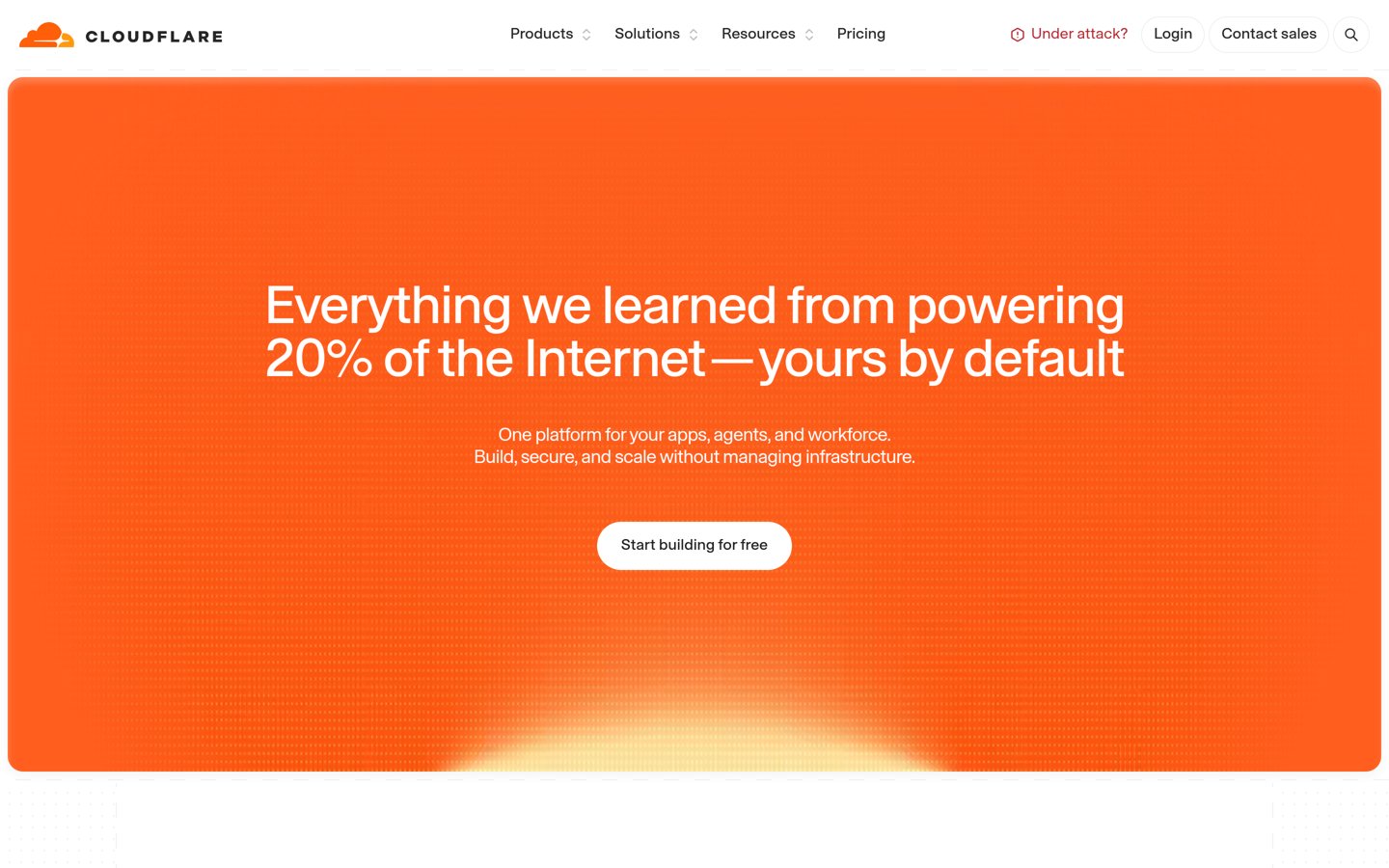
Cloudflare is a cloud security platform whose WAF sits in front of your site and filters attack traffic before it reaches your server. The free plan includes the Free Managed Ruleset, unmetered DDoS protection, and a CDN, and Pro adds the Cloudflare Managed Ruleset and the OWASP Core Ruleset with 20 custom rules.
The trade off is that advanced controls cost more as you grow. Bot management, extra rules, and the full Zero Trust suite sit on higher plans or add-ons, so a large site pays well above Pro. It suits most websites and small teams that want strong protection without buying hardware.
Sophos Firewall is a next-generation firewall that runs on XGS Series appliances and is managed from the Sophos Central cloud console. It combines firewalling with intrusion prevention, web filtering, and TLS inspection, and the smallest desktop model, the XGS 88, handles 9.9 Gbps of firewall throughput.
The trade off is price transparency. Sophos sells through partners and by quote, so there is no published list price, and the appliance plus its yearly protection subscription add up. It suits small offices that want a managed hardware firewall with a clear console.
What we like
Highest G2 rating here, 4.7 out of 5
Cloud console manages every appliance
TLS inspection built in on XGS models
XGS models from small desktop to rackmount
Watch out for
No published price, sold by quote
Needs an appliance plus a yearly subscription
Paid plans add protection subscriptions per applianceVisit sophos.com
03
pfSense
4.7/5on G2 (325 reviews, checked Nov 2026)
Paid from$129/yr
Best value firewall software
TypeSoftware firewall
Free editionCommunity Edition
Plus price$129/instance/yr
SupportTAC Lite, best effort
pfsense.org
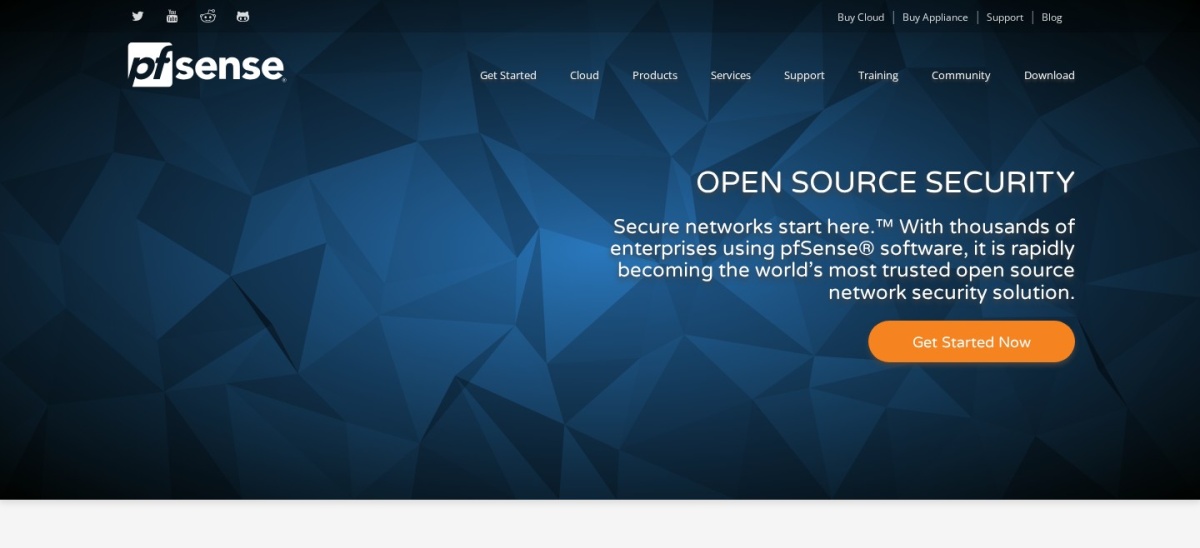
pfSense homepage, captured Nov 2026.
pfSense is an open source firewall and router from Netgate that runs on your own hardware, a virtual machine, or a Netgate appliance. The free Community Edition covers firewalling, routing, VPN, and traffic shaping, and pfSense Plus adds Netgate support and steady upgrades for $129 a year per instance.
The trade off is that you do the work. There is no cloud console or managed setup, and the interface assumes you know networking, so beginners face a steep learning curve. It suits IT-capable small teams that want a low fixed price and full control.
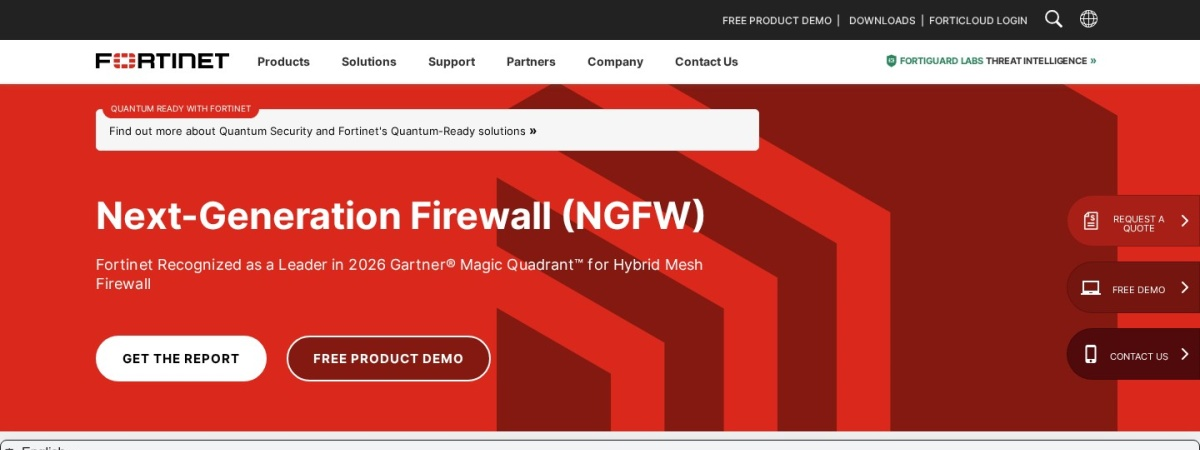
FortiGate is Fortinet's next-generation firewall, sold as hardware, virtual, and cloud appliances. One box covers firewalling, intrusion prevention, application control, web filtering, IPsec VPN, and SD-WAN, and FortiManager manages many firewalls from one console.
The trade off is licensing. Reviewers call the licensing complex and potentially costly, and Fortinet publishes no list price, so you price it through a partner. It suits mid-sized and large networks that want one vendor for firewall, VPN, and SD-WAN.
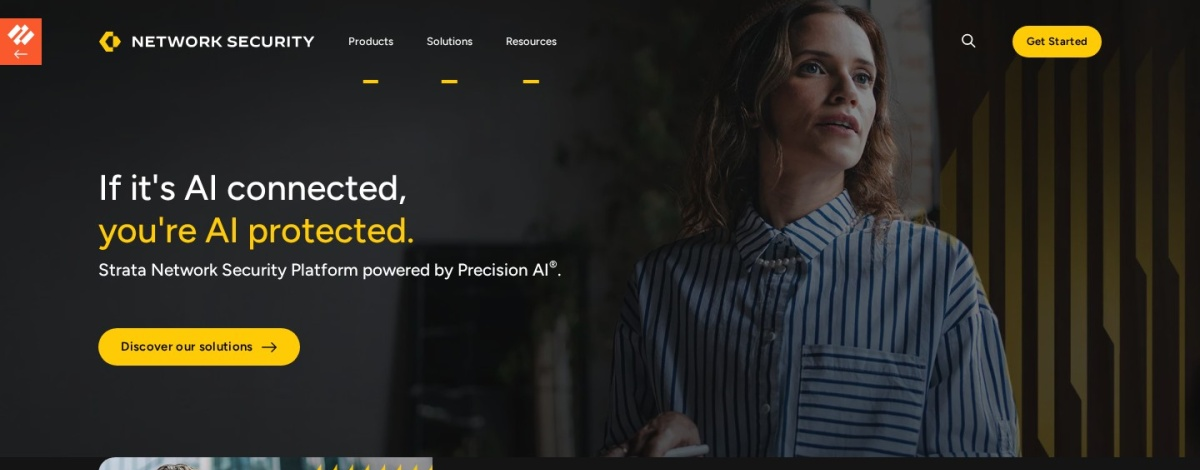
Palo Alto Networks is a next-generation firewall that uses App-ID and User-ID to control traffic by application and user, not just by port. Threat prevention, DNS security, and URL filtering run on the same platform, which is why it is a common pick for large networks.
The trade off is cost and complexity. Reviewers cite expensive licensing and a steep learning curve, and Palo Alto Networks publishes no list price. It suits larger teams with network staff who need fine-grained control over applications and users.
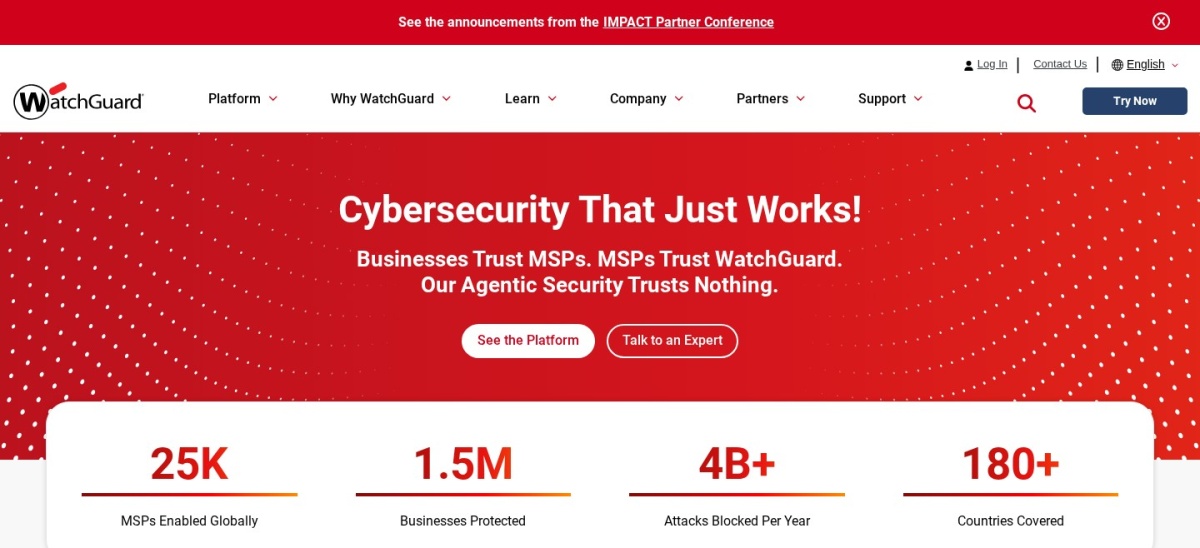
WatchGuard is a network security platform that combines Firebox firewalls with endpoint security and AuthPoint multi-factor authentication. It is built for small and mid-sized teams, and its homepage states that 1.5 million businesses are protected.
The trade off is that advanced features raise the cost. Reviewers praise the ease of use and bundled value, but note that the fuller security suite costs more, and WatchGuard publishes no list price. It suits small teams that want one vendor for firewall, endpoint, and login security.
Check Point Quantum is a next-generation firewall family that runs from small branch gateways to data center models with up to 30 Gbps of threat prevention performance. It pairs AI-powered threat prevention with SandBlast sandboxing and the R81 management software.
The trade off is complexity. Reviewers praise the threat prevention and central management, but note a complex setup and a steep learning curve, and Check Point publishes no list price. It suits enterprises that want deep inspection and central control.
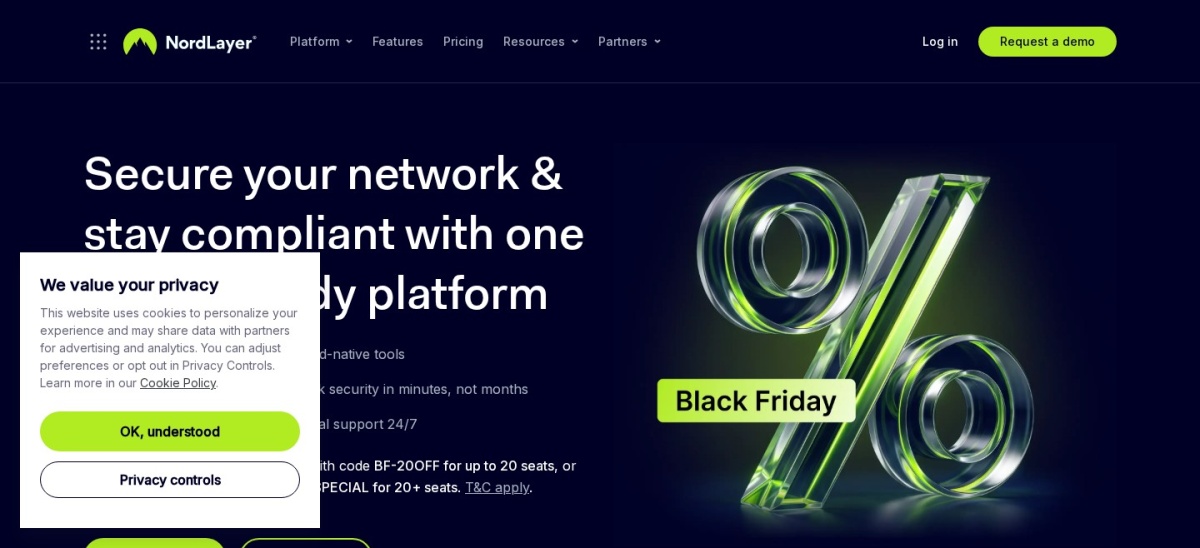
NordLayer is a cloud firewall and secure access platform for remote and hybrid teams. Lite costs $8 a user a month billed annually with a 5-user minimum, and it adds a cloud firewall, threat prevention, and dedicated IPs on higher tiers.
The trade off is the per-user bill. Five users on Lite cost $480 a year, and the cloud firewall and zero-trust controls need the Premium tier at $14 a user a month. It suits remote teams that want managed network access without buying hardware.
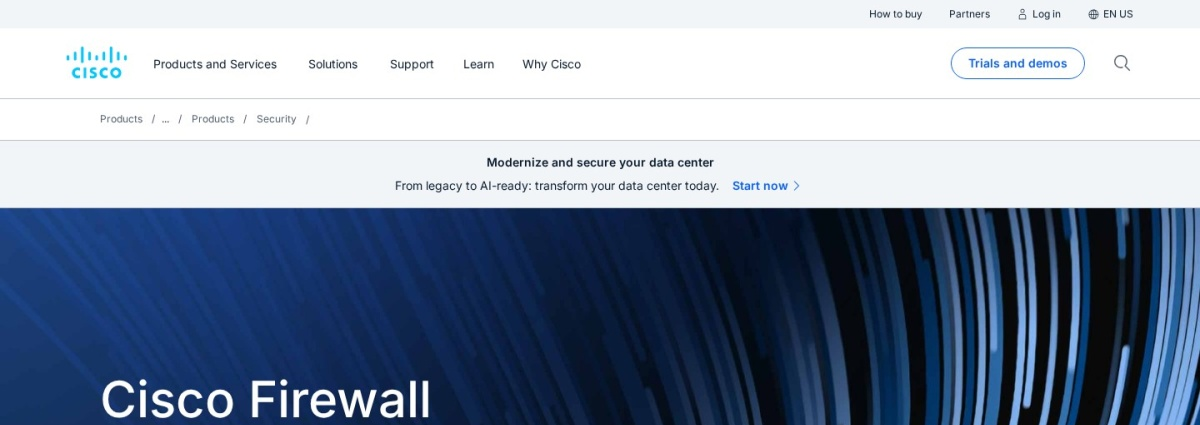
Cisco Secure Firewall homepage, captured Nov 2026.
Cisco Secure Firewall is Cisco's next-generation firewall, available as hardware and as the Threat Defense Virtual appliance for cloud networks. It pairs firewalling with Snort intrusion prevention and is managed from the Cisco Secure Firewall Management Center.
The trade off is cost and setup time. Reviewers note that licensing, maintenance, and support fees add up for small deployments, and G2 lists a 3-month average time to implement. It suits teams already invested in Cisco networking.
A cloud firewall filters traffic at the provider's edge, before it reaches your network. Setup is usually a DNS change or an agent install, and there is no box to buy.
A hardware firewall runs on an appliance in your office or data center. It inspects traffic locally, works even if the internet link is down, and needs someone to patch and replace it.
Pick cloud when your team is remote or you have no IT staff on site. Pick hardware when you run an office network with servers, printers, and devices that never leave the building.
How we chose
We started from the firewall products with the most G2 reviews in the network firewall and cloud security categories, then kept nine established tools that cover cloud, hardware, and software firewalls.
Prices come from each vendor's pricing page, checked on 23 November 2026. Ratings and review counts come from G2 on the same day. Where a vendor shows no price, the list shows Custom instead of a guessed figure.
We left out consumer antivirus firewalls and tools with too few reviews to rank fairly. No vendor paid for a place, and we do not claim hands-on testing for this list.
How to choose firewall security software
Start with what you protect, then match the firewall type to it.
Decide what the firewall protects. A website needs a cloud WAF, an office network needs a hardware firewall, and a remote team needs a cloud firewall with per-user access.
Check who will manage it. A cloud dashboard suits a team with no network specialist, while pfSense and FortiGate suit teams that can configure rules themselves.
Ask for the full yearly cost. Hardware firewalls add a yearly subscription to the box price, so get the renewal figure in writing before you buy.
Run a trial before you commit. Most tools here offer a trial or a free plan, so check that real traffic passes cleanly before you switch the whole network over.
FAQ
What is the best firewall security software?
Cloudflare is the best pick for most teams. Its free plan includes a WAF with a managed ruleset, Pro costs $20 a month billed annually, and it is rated 4.5 out of 5 on G2 from 808 reviews.
How much does firewall software cost?
Published prices here run from free to $240 a year for Cloudflare Pro and $129 a year for pfSense Plus. Hardware firewalls from Fortinet, Palo Alto Networks, Sophos, WatchGuard, Check Point, and Cisco are priced by quote, so the cost depends on the model and subscription.
Do I need a hardware firewall or a cloud firewall?
Pick a cloud firewall when your team works remotely or you have no IT staff on site. Pick a hardware firewall when you run an office network with local servers and devices, since it inspects traffic on site.
Is there a free firewall worth using?
Yes. Cloudflare has a free plan with a WAF, and pfSense Community Edition is free and open source. Both suit small setups, but they need more manual setup than a managed cloud firewall.
What is the difference between a firewall and a WAF?
A network firewall filters traffic by IP address and port, while a WAF reads the content of web requests and blocks attacks such as SQL injection. Many tools here combine both, and Cloudflare is mainly a WAF with network controls.
Can one firewall protect remote workers?
Yes, with a cloud firewall such as NordLayer or Cloudflare Zero Trust, which checks each user and device before it reaches company resources. A hardware firewall alone cannot do this unless remote users connect through its VPN.