Databricks Feature Store is the best feature store for most teams, rated 4.6 out of 5 on G2 from 1,366 reviews, with governed features on Delta Lake and Unity Catalog. Pick Snowflake for SQL-first teams, Hopsworks for a free open-core start, and SageMaker if your stack already runs on AWS.
How we make this list: we compare pricing pages, product documentation and public user reviews, then re-check every price before each update. No product paid for a place. Disclosure.
Databricks Feature Store leads on review volume, with 4.6 out of 5 on G2 from 1,366 reviews, and it now includes Tecton after the August 2025 acquisition.
Snowflake Feature Store is the simplest pick for SQL teams, at $2.00 per credit on Standard, with a 30-day trial worth $400 in credits.
Hopsworks is the only entry with a free $0 tier that includes the feature store, plus pay-as-you-go SaaS at $0.35 per credit.
SageMaker Feature Store has the clearest free tier of the cloud stores: 10 million read units, 10 million write units and 25 GB a month.
Vertex AI's legacy feature store closes on 17 February 2027, so new Google Cloud projects must use the BigQuery-native version.
Eight of the nine tools bill by usage or quote only; Redis Cloud is the only one with a flat paid plan, from $22 a month.
What a feature store should cover
A feature store is the shared layer where machine learning features are defined once and served the same way in training and in production. Without one, training code and serving code drift apart, and models see different numbers live than they saw in testing.
Every store on this list has two halves: an offline store for building training sets and an online store for low-latency reads at prediction time. Point-in-time joins matter most, because they rebuild each training row as it looked at the time of the event, not as it looks now.
Most of these tools are parts of bigger platforms, not standalone products. Databricks, Snowflake, SageMaker and Vertex AI bundle the store with the warehouse or cloud where your data already lives, so the cheapest choice is usually the one that matches your stack.
Pricing is usage-based almost everywhere, so compare the meter, not the headline. Our guide on connecting an AI model to WordPress shows how an AI feature reaches a live site once the model is trained.
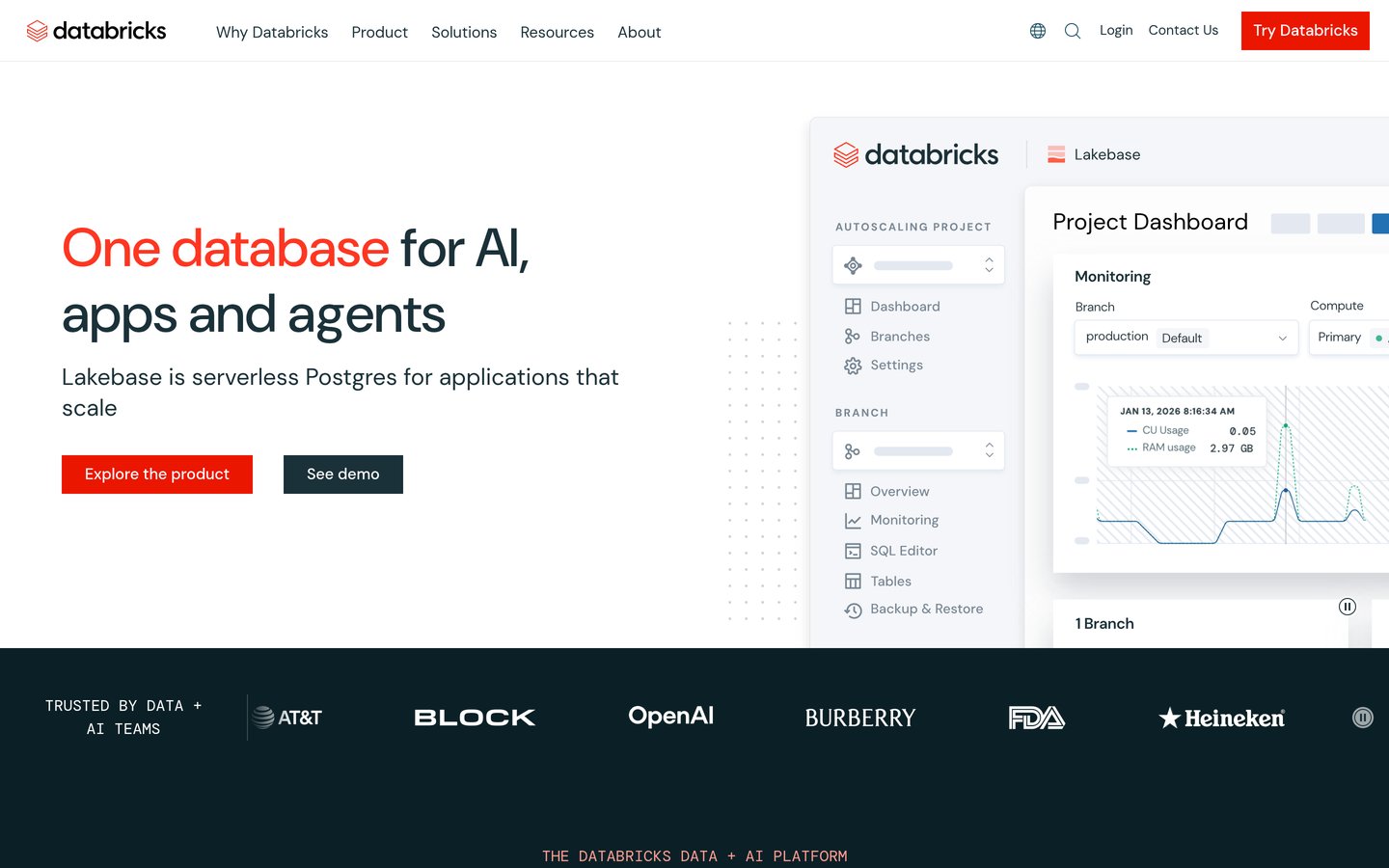
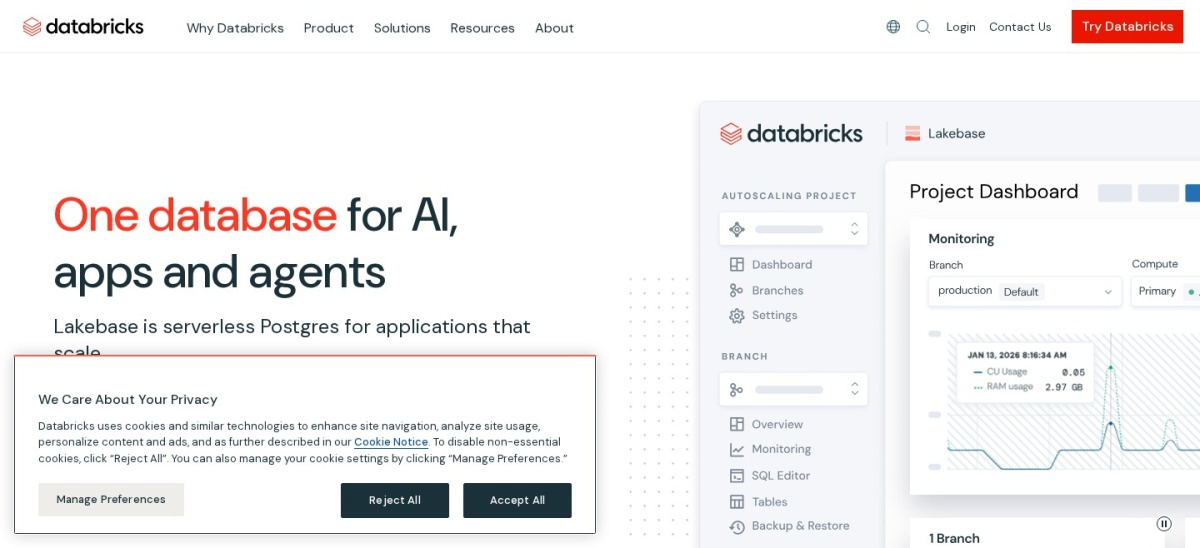
Databricks Feature Store homepage, captured Nov 2026.
Databricks Feature Store is the feature layer of the Databricks lakehouse, with features governed in Unity Catalog and stored on Delta Lake. It covers offline training sets, online serving through Synced Tables and point-in-time joins, and Databricks acquired Tecton in August 2025, folding its real-time pipelines into the platform.
The trade off is usage billing. There is no separate feature-store charge, but every job bills Databricks Units plus the underlying cloud compute, so costs rise with use and need monitoring. It suits teams already running data and ML work on Databricks.
What we like
Largest review base in this list, 1,366 G2 reviews
Unity Catalog governance across features and models
Snowflake Feature Store homepage, captured Nov 2026.
Snowflake Feature Store is the feature layer inside the Snowflake warehouse, so features are defined in SQL over tables your team already owns. It provides an offline store for training, a managed online store for serving and point-in-time correct joins, with no separate system to run.
The trade off is the credit meter. Standard credits list at $2.00 each in AWS US East, storage bills separately, and a warehouse left running keeps burning credits. It suits SQL-first teams that already keep their data in Snowflake.
What we like
No new system to run or learn
Strong G2 base: 4.6 from 763 reviews
30-day trial with $400 in credits
Storage and compute scale separately
Watch out for
Usage costs can spike without monitoring
No free tier beyond the trial
Tied to the Snowflake warehouse
Editions reprice every credit, so Enterprise costs more per creditVisit snowflake.com
03
Hopsworks
4.3/5on G2 (2 reviews, checked Nov 2026)
PricingCustom/yr
Best open-core feature store
Free tier$0, 1 project
Online storeRonDB
Offline storesHudi, Delta, Iceberg
PricingSaaS $0.35 per credit
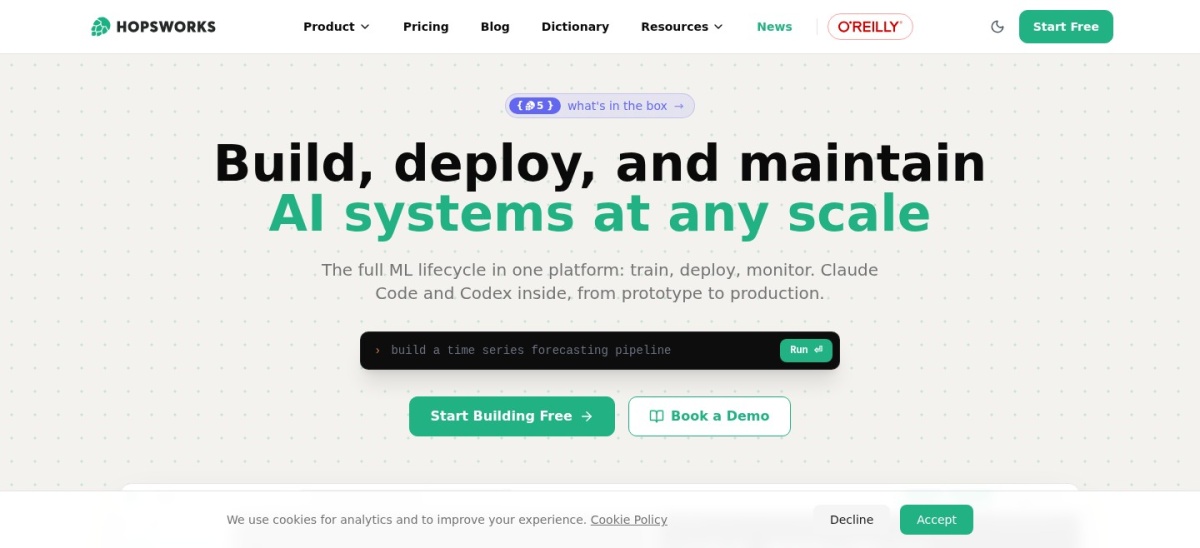
hopsworks.ai
Hopsworks homepage, captured Nov 2026.
Hopsworks is an open-core feature store and MLOps platform, built around the industry's first feature store for machine learning. The free tier covers 1 project with the feature store and model registry, and the managed service adds model serving, RonDB online storage and a platform SLA.
The trade off is thin public proof. It has only 2 G2 reviews, so the 4.3 rating says little, and production costs depend on credit, storage and compute use. It suits teams that want an open core, a free start and on-prem or air-gapped deployment.
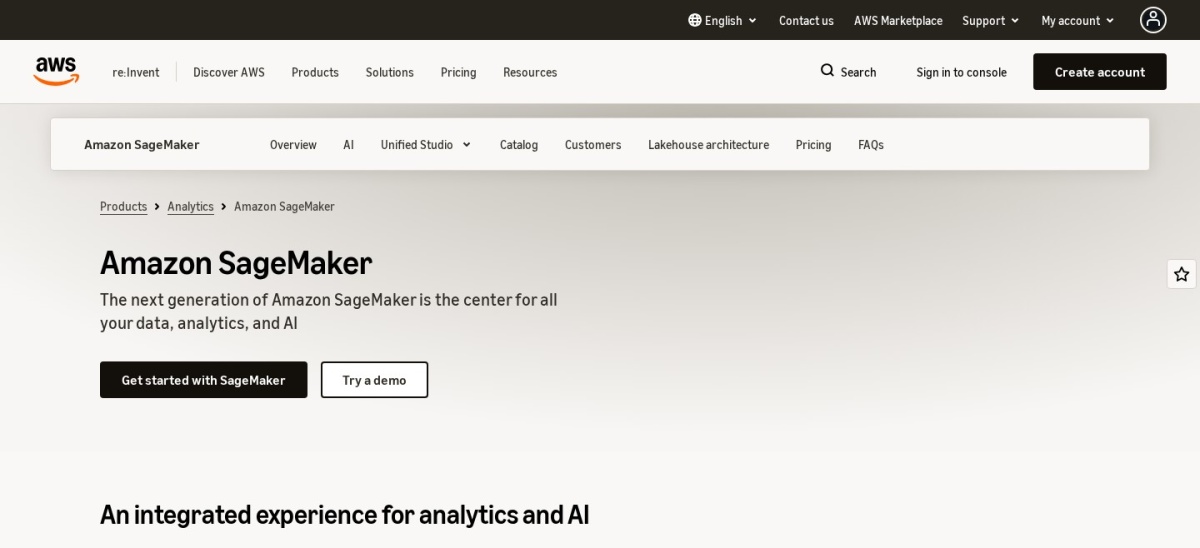
Amazon SageMaker Feature Store homepage, captured Nov 2026.
Amazon SageMaker Feature Store is the AWS-native store for teams already on Amazon Web Services. It keeps an offline store in S3 and an online store for low-latency reads, and the free tier covers 10 million read units, 10 million write units and 25 GB of online storage a month.
The trade off is metering. Online reads list at $1.75 per million units and writes at $7.45 per million, so heavy read traffic adds up fast. It suits AWS teams that want features beside training, endpoints and pipelines in one console.
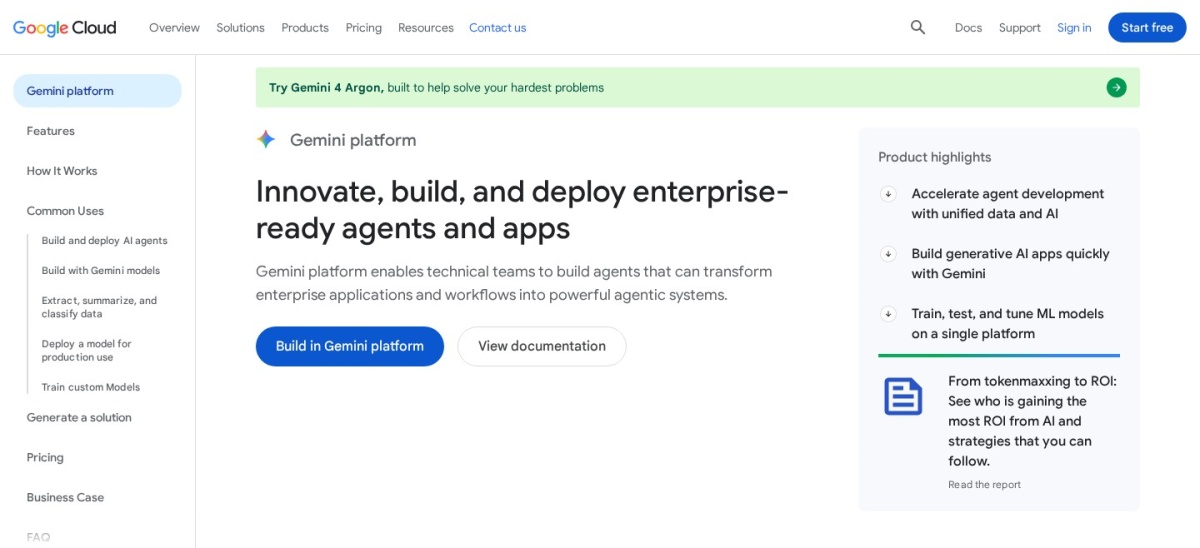
Google Vertex AI Feature Store homepage, captured Nov 2026.
Google Vertex AI Feature Store is the Google Cloud store for teams whose data lives in BigQuery. The current version defines features over BigQuery tables and serves them through data processing nodes at $0.08 an hour, optimized serving nodes at $0.30 an hour or Bigtable nodes at $0.94 an hour.
The trade off is the sunset. The legacy feature store closes on 17 February 2027, so new projects must use the BigQuery-native version, and serving nodes bill while they run. It suits Google Cloud teams that already standardize on BigQuery.
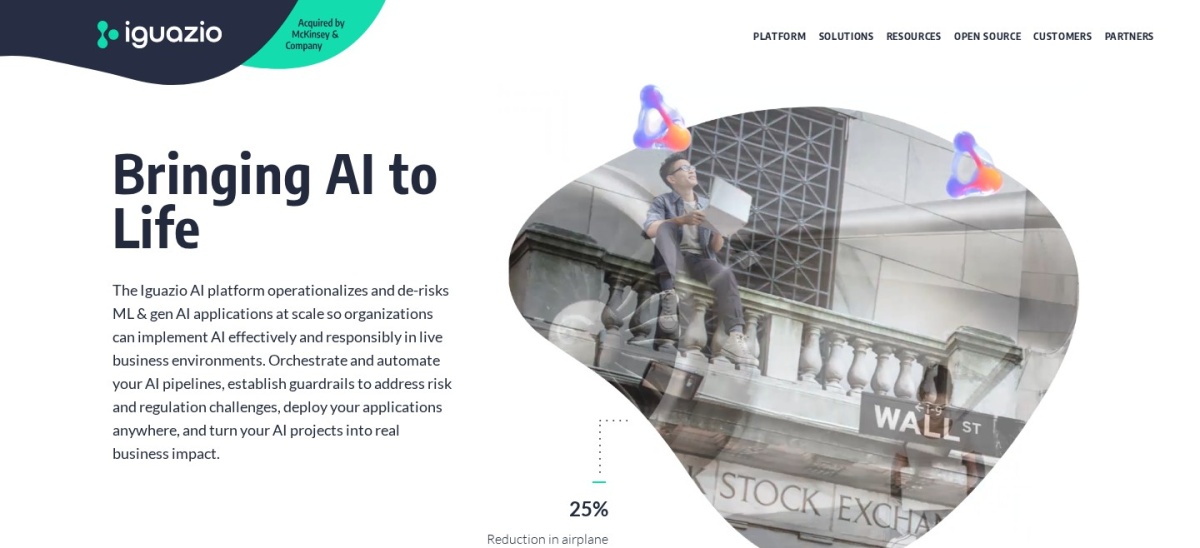
Iguazio is a real-time MLOps platform, now part of McKinsey, with an integrated feature store for online and offline use. It bundles real-time data processing, feature engineering, model serving and drift monitoring in one dashboard, and it runs in the cloud, on-prem or hybrid.
The trade off is opacity. Iguazio publishes no prices, and its 4.8 G2 rating rests on only 4 reviews, so buyers need a sales call and reference checks. It suits enterprises that want one production platform rather than assembled parts.
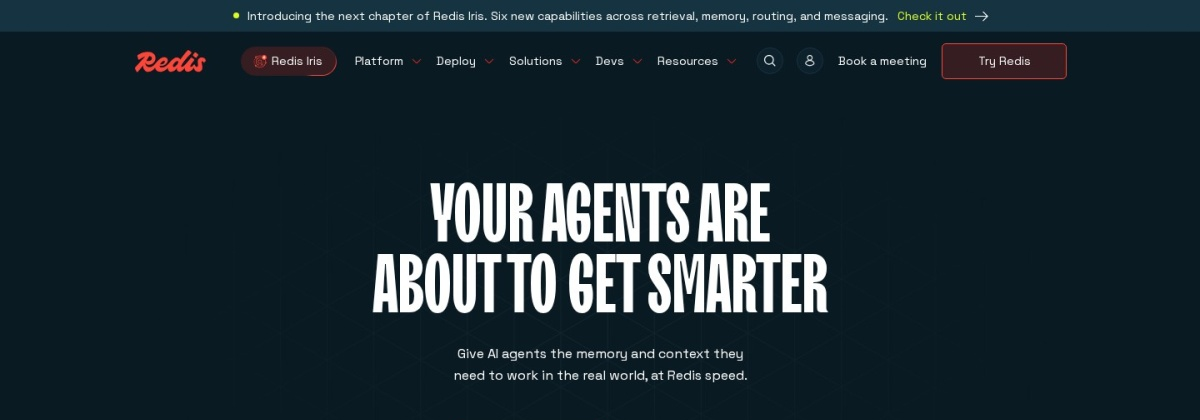
Redis Cloud is an in-memory online store, not a full feature store, and it earns its place here on speed. Feature values held in Redis answer in sub-millisecond time, which is why Feast, Tecton and Hopsworks all use Redis as an online layer. The Cache tier starts at $22 a month.
The trade off is scope. Redis stores and serves features but has no registry, no point-in-time joins and no training sets, so pair it with Feast or a full store. It suits teams that need the fastest possible online reads and already run Redis.
What we like
Sub-millisecond online reads
Rated 4.6 on G2 from 44 reviews
Managed cloud with failover
Cheapest flat paid plan here, $22 a month
Watch out for
No feature registry or training sets
No point-in-time joins on its own
Costs rise fast with memory use
Cache tier starts at $22 a month; add a registry beside itVisit redis.com
08
Tecton
5/5on G2 (1 reviews, checked Nov 2026)
PricingCustom/yr
Best managed real-time pipelines
Online servingManaged online store
TransformationsPython and SQL
Point-in-time joinsYes
PricingCustom, deal-specific
tecton.ai
Tecton homepage, captured Nov 2026.
Tecton is a managed feature platform for real-time machine learning, built by the team behind Uber's Michelangelo platform. It defines features in Python or SQL, runs managed transformation pipelines and serves them online with point-in-time correct training sets.
The trade off is its future. Databricks announced its acquisition of Tecton in August 2025, so buyers should confirm whether Tecton is still sold standalone and under what terms. It suits enterprises that need managed real-time pipelines and strong governance.
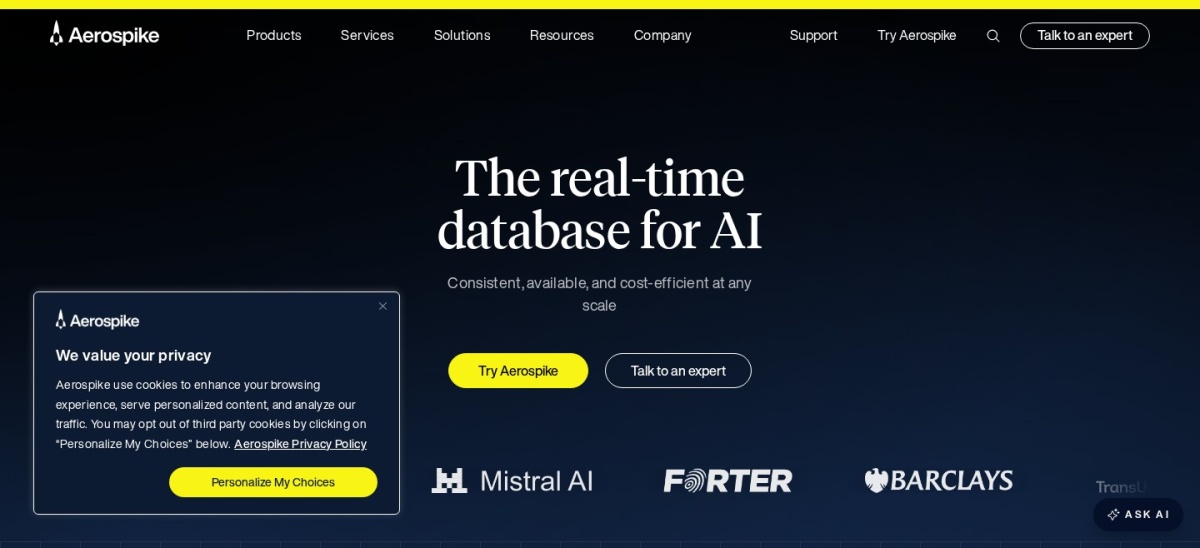
Aerospike is a real-time database used as a high-throughput online store for features. It keeps data on SSDs with in-memory indexes, serves reads in sub-millisecond time and scales across data centers with cross-datacenter replication.
The trade off is scope, as with Redis. Aerospike stores and serves features but has no registry, no transformations and no training sets, so it needs a feature layer above it. It suits teams serving very large feature volumes at low latency.
Feast is the open-source reference feature store, under the Apache-2.0 licence, and it is free to run. It defines features once and serves them from more than 20 interchangeable online stores, including Redis, DynamoDB and Bigtable.
Feast has no G2 or Capterra rating, so it is not ranked in the list above. That is a gap in public reviews, not in the software: it is the standard choice for teams that want no vendor lock-in.
The catch is operations. You run the registry, the online store, the offline store and the feature server yourself, and you pay for the infrastructure underneath. It fits teams with platform engineers and a multi-cloud plan.
Two dates that change the shortlist
Vertex AI's legacy feature store closes fully on 17 February 2027. New Google Cloud projects should start on the BigQuery-native version, and existing users should plan the move now.
Databricks retired legacy Online Tables in January 2026, and Synced Tables are the current serving path. Check any older Databricks guide before following it.
Databricks acquired Tecton in August 2025. Tecton still appears in this list because it is the best-known dedicated feature platform, but confirm its standalone terms before signing.
How we chose
We started from every dedicated feature store and every cloud feature store with a public review page, then kept the nine with a G2 rating and a live product site.
Prices and free tiers come from vendor pricing pages and G2 pricing pages, checked on 25 November 2026. Ratings and review counts come from G2 on the same day. Where a vendor bills by usage, the list shows Custom and names the meter instead of inventing a flat price.
We left out open-source Feast from the ranked list because it has no G2 or Capterra rating, and we left out Chalk because the G2 listing under that name is a different education product. No vendor paid for a place, and we do not claim hands-on testing for this list.
How to choose a feature store
Start with where your data already lives, then match the serving speed your models need.
Match the store to your stack. Databricks, Snowflake, SageMaker and Vertex AI are cheapest where their warehouse or cloud already holds your data. Switching stacks to save on the store is a false economy.
Split online from offline needs. Training needs point-in-time correct history; serving needs low-latency reads. A tool that only does one half, such as Redis or Aerospike, needs a partner for the other.
Price the meter, not the plan. Most stores bill by credit, node-hour or read unit. Estimate a month of traffic first, because an idle serving node or a running warehouse still bills.
Check the sunset dates. Vertex AI legacy closes in February 2027 and Databricks retired legacy Online Tables in January 2026. Start new projects on the current version only.
FAQ
What is the best feature store software?
Databricks Feature Store is the best pick for most teams. It is rated 4.6 out of 5 on G2 from 1,366 reviews, governs features in Unity Catalog and now includes Tecton's real-time pipelines. Snowflake is the better pick for SQL-first teams, and Hopsworks for a free start.
What is a feature store?
A feature store is a shared layer that defines machine learning features once and serves the same values for training and for live predictions. It keeps an offline store for training sets and an online store for fast reads, with point-in-time joins so training data matches history.
Is there a free feature store?
Yes. Feast is free open-source software under the Apache-2.0 licence, and Hopsworks has a free tier with 1 project including the feature store. SageMaker Feature Store also has a free tier of 10 million read units, 10 million write units and 25 GB a month.
Do I need a feature store if I use Databricks or Snowflake?
Probably not a separate one. Both platforms include a feature store, so most teams should use the built-in store first. Add a dedicated store such as Tecton or Hopsworks only when you need real-time pipelines or multi-cloud serving they do not cover.
What is the difference between online and offline feature stores?
The offline store holds history for building training sets, while the online store holds current values for fast reads at prediction time. Redis and Aerospike are online stores only, so they need a registry and an offline store beside them.
How much does a feature store cost?
Most bill by usage, so there is no flat price. Snowflake credits list at $2.00 each on Standard, Vertex AI serving nodes run $0.08 to $0.94 an hour, and Redis Cloud starts at $22 a month. Tecton, Iguazio and Aerospike are custom-quoted.
Is Tecton still available after the Databricks acquisition?
Databricks announced the acquisition in August 2025 and is folding Tecton's real-time pipelines into its own feature store. Tecton may still be sold standalone, but buyers should confirm availability, terms and support directly before signing anything.
SaaS SEO and WordPress specialist with about 8 years of experience. Rakib compares WordPress plugins, themes, hosting and software using public pricing, documentation and user reviews. See how we rank.