Best Extended Detection Response Software Reviews in 2026: 9 Tools Compared
WLWPLegible EditorsLast verified 23 Nov 2026How we rank11 min read
★ Short answer
CrowdStrike Falcon is the best extended detection and response tool for most teams, with full EDR from $184.99 per device a year and a 4.6 out of 5 G2 rating. Pick SentinelOne for autonomous rollback, or Microsoft Defender for Endpoint if your team already runs Microsoft 365.
How we make this list: we compare pricing pages, product documentation and public user reviews, then re-check every price before each update. No product paid for a place. Disclosure.
CrowdStrike Falcon is the top pick: full EDR on the Enterprise tier at $184.99 per device a year, rated 4.6/5 on G2.
Only CrowdStrike, SentinelOne and Microsoft publish clear prices; the other six tools in this list are quote-only.
SentinelOne Complete at $179.99 per endpoint a year is the closest priced rival, with one-click ransomware rollback.
Microsoft Defender for Endpoint Plan 2 costs $5.20 per user a month and is already included in Microsoft 365 E5.
Sophos and Trend Micro both score 4.7/5 on G2, but both need a sales quote before you can budget them.
What extended detection and response means
Extended detection and response, or XDR, pulls signals from endpoints, email, identity, network and cloud into one place. Instead of chasing separate alerts, analysts work one incident with a full timeline.
The tools in this list differ most in scope and price. Some cover the endpoint only, while others add network, email and cloud data to the same console.
Price transparency is the sharpest split. Only three vendors publish a per-device or per-user price, and the rest ask for a quote, so budget from the published figures first and use quotes to compare the rest.
Check the trial before you buy. Most tools here offer a trial of 15 to 30 days, which is enough to test the agent on a small group of machines and see how noisy the alerts are.
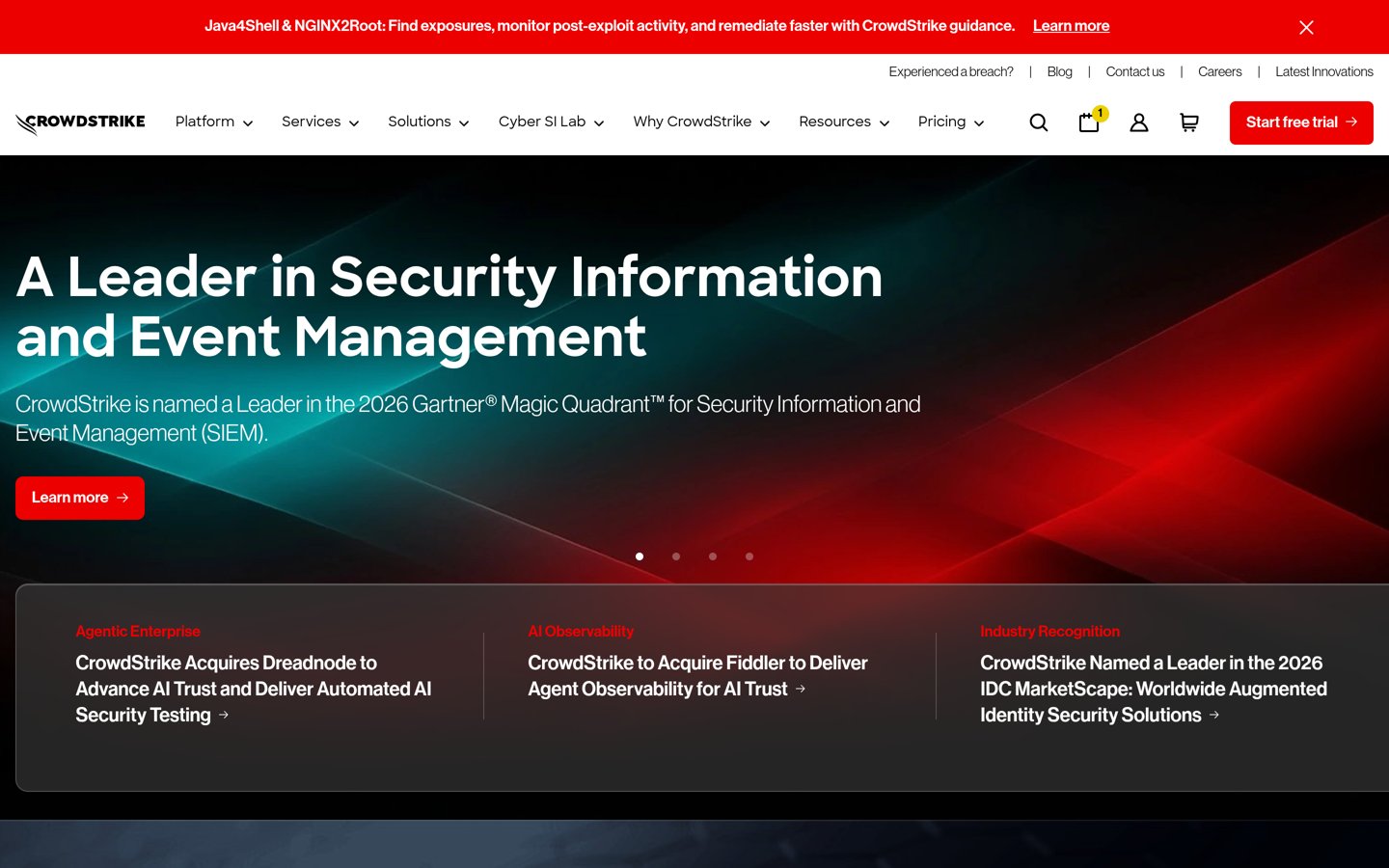
CrowdStrike Falcon is a cloud-native platform built around one lightweight agent on each device. It links endpoint, identity and cloud signals into one incident view, and the Enterprise tier adds Falcon Insight XDR with managed threat hunting from OverWatch. A 15-day free trial is available.
The trade off is price. The cheapest bundle, Falcon Go at $59.99 per device a year, is antivirus only, so full EDR starts at Enterprise for $184.99 per device a year, and add-on modules raise the bill further. It suits teams that want the deepest threat intelligence and a mature managed option.
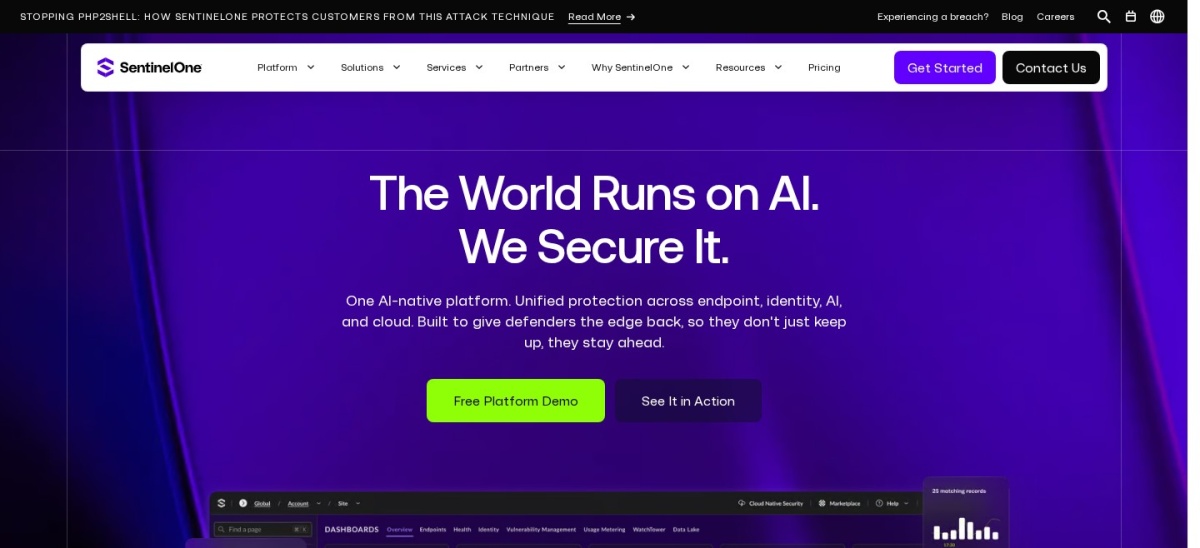
SentinelOne Singularity homepage, captured Nov 2026.
SentinelOne Singularity is an autonomous endpoint platform whose on-device AI can stop a threat and roll back ransomware damage without waiting for a cloud verdict. The Complete tier adds full EDR and XDR, the Purple AI assistant and 14 days of searchable data. It covers Windows, macOS and Linux with one agent.
The trade off is the price jump to real EDR. Core starts at $69.99 per endpoint a year but covers prevention only, while Complete, the first tier with EDR, costs $179.99 per endpoint a year for 5 to 100 workstations. It suits lean teams that want the agent to act on its own.
What we like
Autonomous response with one-click ransomware rollback
On-device AI works without a cloud verdict
Published prices for four of five packages
Rated 4.7/5 on G2
Watch out for
EDR starts at Complete, $179.99 per endpoint a year
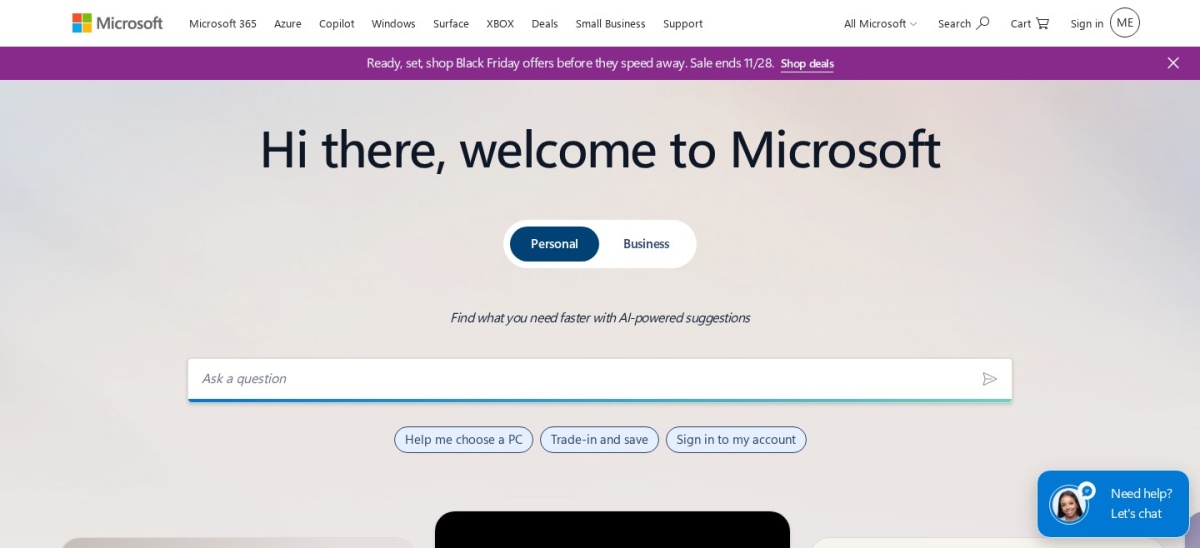
Microsoft Defender for Endpoint homepage, captured Nov 2026.
Microsoft Defender for Endpoint is the detection and response service for Microsoft 365 teams. Plan 2 at $5.20 per user a month adds behavioural detection, automated investigation and remediation, advanced hunting with KQL and six months of data retention. One licence covers up to five devices.
The trade off is the Microsoft tie-in. Plan 1 at $3.00 per user a month is prevention only, and the console takes time to learn, with G2 reviewers reporting about three months to implement. It suits teams already on Microsoft 365 E5, where Plan 2 is included.
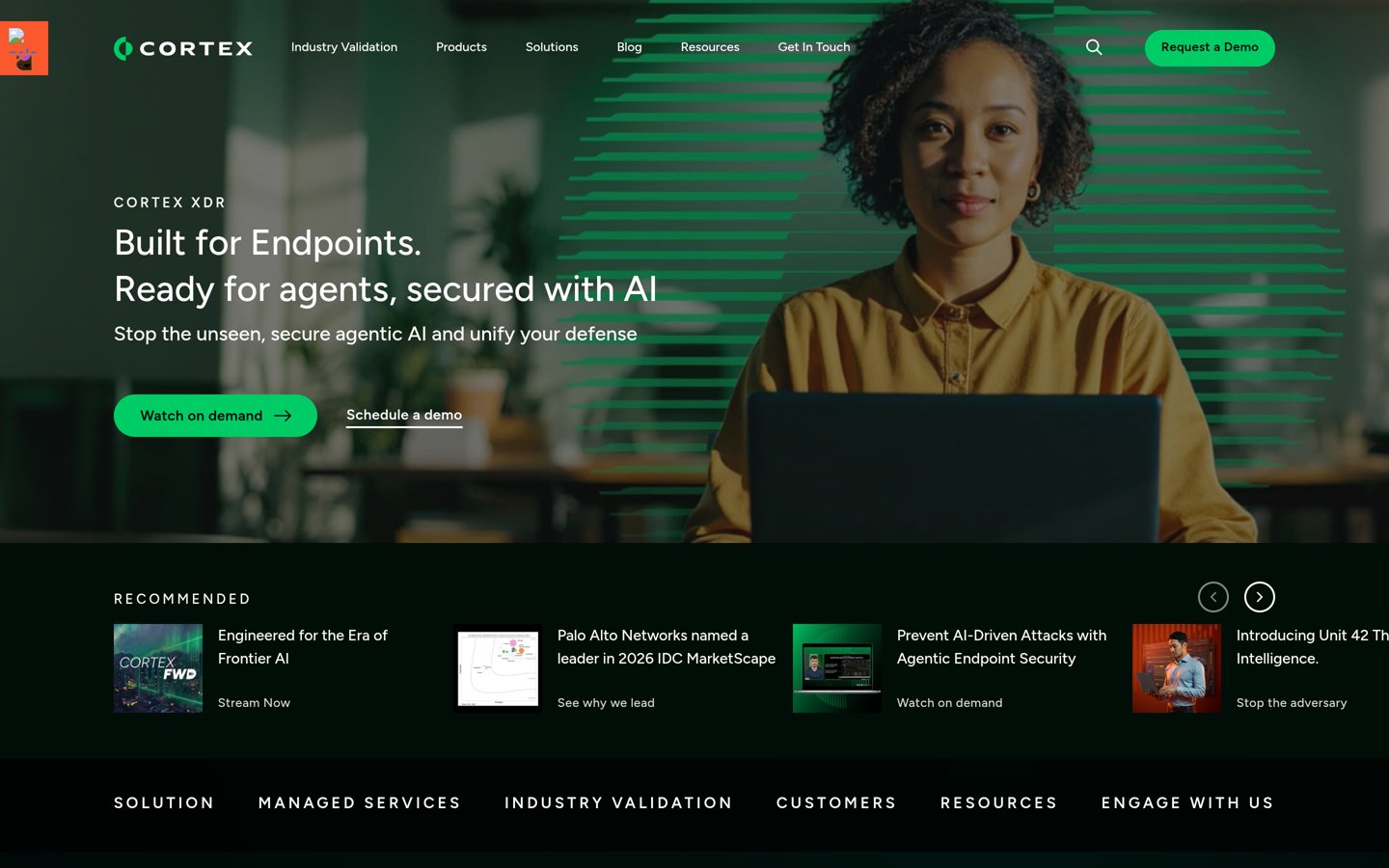
Palo Alto Cortex XDR is an enterprise platform that correlates endpoint, network and cloud data into one incident timeline with a root-cause view. Behavioural analytics and automated scoring help analysts rank alerts, and it fits naturally beside Palo Alto firewalls. Pricing is quote-only.
The trade off is cost and tuning. G2 reviewers call it a premium product with licensing that adds up fast, and the console needs skilled staff to tune. It suits large security teams already running Palo Alto network gear.
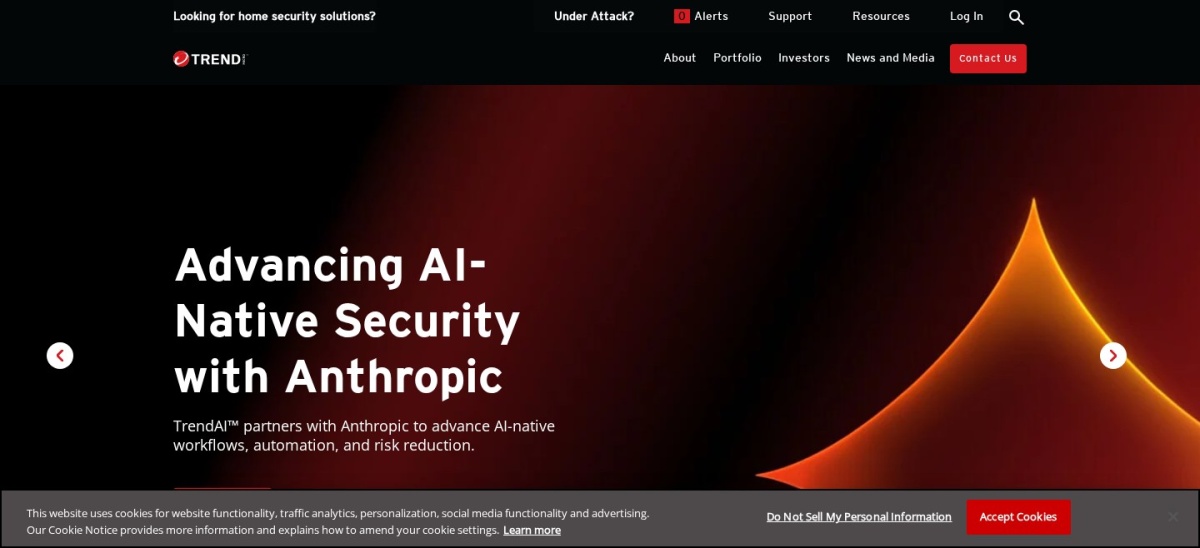
Trend Micro Vision One homepage, captured Nov 2026.
Trend Micro Vision One is a unified platform that pulls together endpoint, email, network and cloud signals into one console. It adds risk scoring across those layers and virtual patching for unpatched systems. Pricing is quote-only, and a 30-day trial is available.
The trade off is complexity. G2 reviewers note pricing may be higher for smaller teams and find the credit-based licensing confusing, while the wide console can overwhelm small teams. It suits mid-market and enterprise teams that already use Trend Micro layers.
What we like
One console for endpoint, email, network and cloud
Sophos Endpoint, formerly Intercept X, is a cloud-managed endpoint platform with deep-learning malware detection and anti-ransomware protection. It is managed from the Sophos Central console, and XDR features come with the Intercept X Advanced with XDR tier. A 30-day trial is available.
The trade off is pricing. Sophos does not publish a list price, so every quote is custom, and the entry tier leaves out XDR. It suits small and mid-market teams that want a usable console and the option of bundled managed detection.
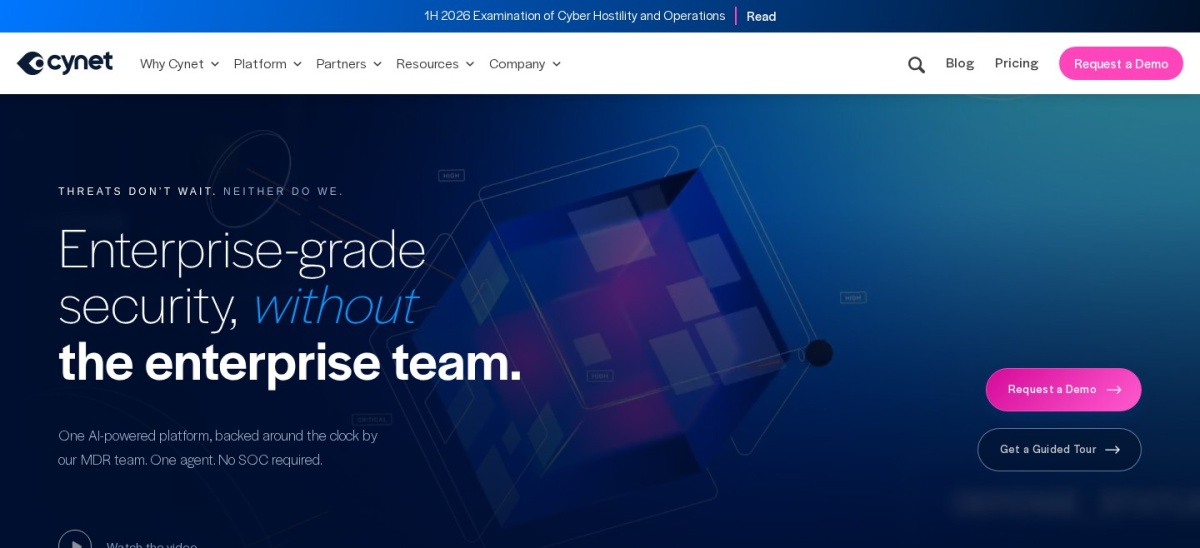
Cynet is an all-in-one XDR platform that combines endpoint, network and user protection with 24/7 managed detection and response in one console. It is built for lean teams, with automated investigation and response across its layers. Pricing is quote-only.
The trade off is scale and proof. It has a smaller review base than the leaders, and third-party price figures for its tiers conflict, so budget from a direct quote. It suits small teams that want XDR plus a managed SOC without hiring analysts.
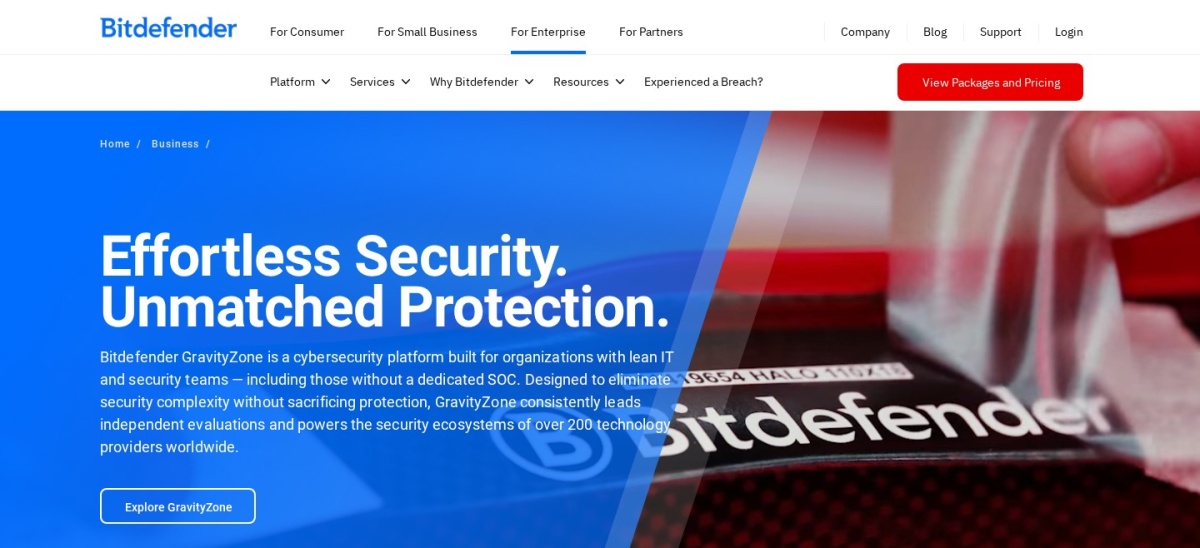
Bitdefender GravityZone homepage, captured Nov 2026.
Bitdefender GravityZone is a layered endpoint platform with prevention, EDR and XDR tiers managed from one console. It covers endpoints, identities and cloud workloads, and the Business Security tiers suit small and mid-market teams. Pricing is quote-based.
The trade off is rating and price clarity. It holds the joint-lowest G2 rating in this list at 4.1 out of 5, and bundle prices change with seat count, so there is no single per-endpoint list price. It suits cost-conscious teams that already trust Bitdefender prevention.
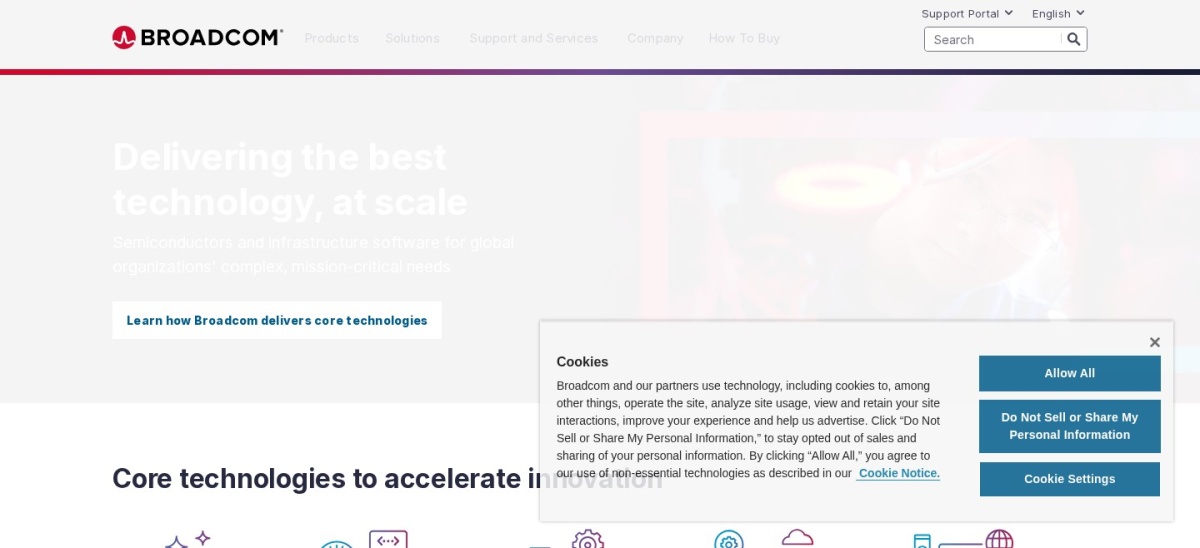
Carbon Black Cloud, now part of Broadcom, is an endpoint and workload protection platform with prevention, EDR and audit tools in one console. It gives analysts deep visibility into endpoint activity and system isolation for containing threats. Pricing is quote-only.
The trade off is its thin review base and mixed feedback. It holds 4.1 out of 5 on G2 from only 39 reviews, and reviewers report complex setup and agent removal issues. It suits enterprises already invested in Broadcom or VMware tools.
Six of the nine tools here do not publish a price. Ask each vendor for the same scope: the same number of endpoints, the same retention window and the same support level.
Watch for extras that sit outside the headline quote. Data storage, managed hunting and extra modules are often priced apart from the endpoint licence.
Ask what the price is in year two, not just year one, since first-year pricing can differ from the renewal price.
How we chose
We started from the best-known XDR and EDR platforms on G2, then kept nine established tools with a current product, a public homepage and a trial or a quote route.
Prices and trial lengths come from vendor pricing pages and pricing summaries checked on 23 November 2026. Ratings and review counts come from G2 on the same day. Where a vendor shows no list price, the list shows a quote-based price instead of a guess.
We left out tools with no public XDR or EDR tier and tools aimed only at consumers. No vendor paid for a place, and we do not claim hands-on testing for this list.
How to choose an extended detection response tool
Start with the stack you already run, then match the tool to the team that will use it.
List what you already run. If you run Palo Alto firewalls or Microsoft 365, the matching tool removes an integration project.
Count the endpoints and the analysts. A tool with managed hunting fits a team with no night shift, while a deep console fits a team with analysts on staff.
Run the trial on real machines. Put the agent on a small group of laptops and servers for two weeks and watch alert volume before you roll it out.
Compare the second-year price. Ask for the renewal price in writing, with retention and support included, before you sign.
FAQ
What is the best extended detection response software?
CrowdStrike Falcon is the best overall pick in this list. Its Enterprise tier adds full EDR with managed threat hunting at $184.99 per device a year, and it is rated 4.6 out of 5 on G2 from 441 reviews.
What is the difference between EDR and XDR?
EDR watches endpoints only, while XDR pulls in email, identity, network and cloud signals as well. XDR gives analysts one incident view across those sources instead of separate alerts from each tool.
How much does XDR software cost?
Published prices in this list run from $5.20 per user a month for Microsoft Defender for Endpoint Plan 2 to $184.99 per device a year for CrowdStrike Falcon Enterprise. Six of the nine tools are quote-only, so get a written quote for your endpoint count.
Is Microsoft Defender for Endpoint enough on its own?
For teams already on Microsoft 365, Plan 2 is a strong option with full EDR, automated investigation and KQL hunting. Teams outside the Microsoft stack, or with mixed Mac and Linux fleets, may prefer a vendor-neutral tool.
Do I need a SOC to run XDR?
Not always. Tools such as Cynet and CrowdStrike Falcon Complete bundle managed detection, so the vendor watches alerts for you. Without that, you need staff to triage alerts and act on them.
Can I try XDR software before buying?
Most tools in this list offer a trial, usually 15 to 30 days. Use it on a small group of machines to check agent impact, alert volume and how the console fits your team.