Shopify is the best e-commerce platform for most startups: Basic costs $29 a month billed yearly, includes unlimited products and hosting, and is rated 4.4/5 on G2 from 5,159 reviews. Pick WooCommerce for a free start on WordPress, or Ecwid to add a small store to a site you already have.
How we make this list: we compare pricing pages, product documentation and public user reviews, then re-check every price before each update. No product paid for a place. Disclosure.
Shopify is the top pick for most startups: Basic is $29 a month billed yearly, rated 4.4 out of 5 on G2 from 5,159 reviews.
WooCommerce is free and runs on over 7 million sites, but you pay for hosting and upkeep yourself.
BigCommerce charges no platform transaction fee and includes unlimited products on its $29 Core plan.
Ecwid is the cheapest paid start at $5 a month, and the highest rated here at 4.7 out of 5 on G2.
Sellfy takes 0% of each sale, but Starter caps annual sales at $10,000.
What a startup should look for in an e-commerce platform
A startup store has different needs from a big store. You need to launch fast, keep monthly costs low and change plans without rebuilding the shop.
Start with the fee stack, not the sticker price. A $29 plan with a 2% transaction fee can cost more than a $39 plan with no fee once sales grow, so check card rates and platform fees together.
Free plans help you start, but most cap products or keep the vendor branding. Our guide on how much a WooCommerce store costs shows what the free plugin still costs to run.
Pick the platform that fits how you sell. A WordPress site points to WooCommerce, a market stall points to Square Online, and digital products point to Sellfy.
Shopify is a hosted e-commerce platform that gives a startup a full online store, hosting, checkout and payments in one dashboard. Basic costs $29 a month billed yearly and includes unlimited products, a free SSL certificate, discount codes and 24/7 support, with a 3-day free trial followed by $1 a month for 3 months.
The trade off is cost creep. Paid apps and themes add up fast, and using a payment provider other than Shopify Payments adds a 2% fee on Basic. It suits startups that want to launch fast and grow without hiring a developer.
4.5/5on WordPress.org (4,834 reviews, checked Nov 2026)
PriceFree
Best free option for WordPress startups
Plugin priceFree
Active installs7M+
HostingNot included
Payment gatewaysStripe, PayPal and more
woocommerce.com
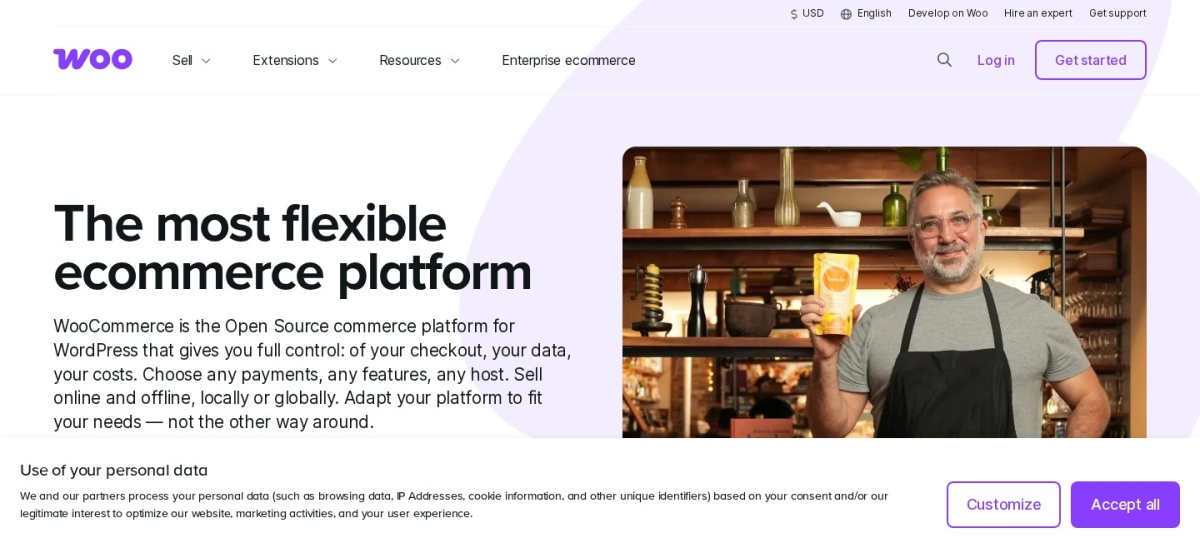
WooCommerce homepage, captured Nov 2026.
WooCommerce is a free, open-source plugin that turns a WordPress site into a full online store. It has more than 7 million active installs and a 4.5 out of 5 rating from 4,834 reviews on WordPress.org, and it covers products, checkout, coupons, taxes and shipping with no monthly platform fee.
The trade off is that you run the store yourself. Hosting, security, backups and updates are your job, and payment extensions and themes cost extra. It suits startups that already use WordPress or want full control of their data and checkout.
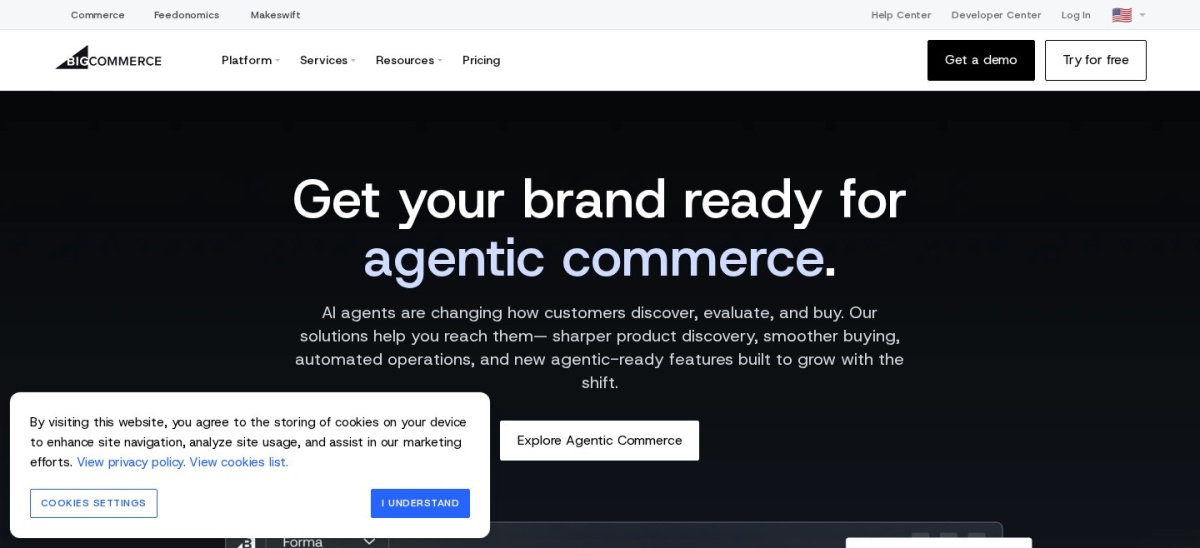
BigCommerce is a hosted platform that packs more selling tools into its entry plan than most rivals. Core costs $29 a month billed yearly ($39 month to month) and includes unlimited products, unlimited staff accounts, multi-channel selling and no platform transaction fee, with a 15-day free trial.
The trade off is the sales cap. Core covers up to $50,000 in annual sales, then BigCommerce moves you to a higher plan, and abandoned cart recovery needs the Growth plan. It suits startups that expect steady growth and want fewer paid apps.
Squarespace is a design-led website builder with selling built into every plan. Basic costs $19 a month billed yearly ($25 month to month) and includes unlimited products, secure hosting, a free custom domain for a year and a 14-day free trial.
The trade off is the store fee. Basic charges a 2% fee on online store sales, and discounts, shipping labels and code injection need the Core plan at $29 a month billed yearly. It suits startups where the site itself has to look designed from day one.
What we like
Polished, design-led templates
Selling built into every plan
Free domain for a year on annual plans
Watch out for
2% store fee on the Basic plan
Smaller app ecosystem than Shopify
Core plan needed for discounts and shipping labels
Wix is a drag-and-drop website builder with e-commerce on its Core plan and up. Core costs $29 a month billed yearly and adds payments, 50 GB of storage and basic e-commerce tools, while a free plan lets you build a site before you pay.
The trade off is depth. Wix is easy to start, but its store tools are lighter than Shopify or BigCommerce, and selling needs a paid plan. It suits startups that need a website first and a small store second.
What we like
Very easy drag-and-drop editor
Free plan to build before paying
Large template library to start from
Watch out for
Selling needs the $29 Core plan
Store tools are lighter than Shopify
Switching templates means rebuilding
Business adds more storage and marketing toolsVisit wix.com
06
Square Online
4.2/5on G2 (482 reviews, checked Nov 2026)
PriceFree
Best free start for sellers who also sell in person
Free planYes, unlimited products
Paid planPlus, $29/mo
Online card rate2.9% + 30¢
In-person sellingBuilt in with Square POS
squareup.com
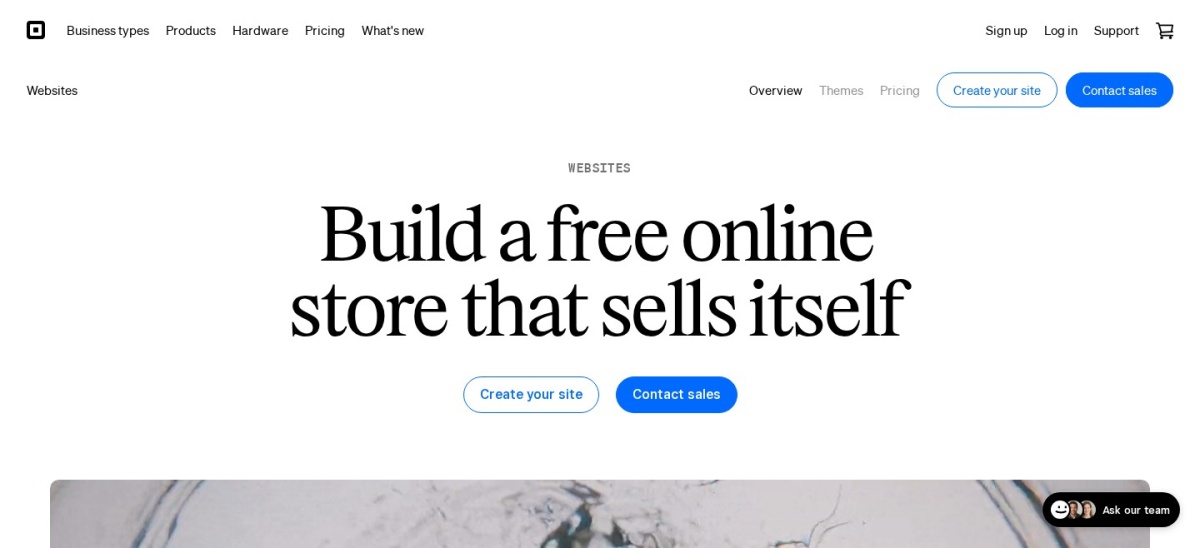
Square Online homepage, captured Nov 2026.
Square Online is the store builder from Square, built for sellers who also sell in person. The free plan covers unlimited products, and the Plus plan costs $29 a month billed yearly and adds a custom domain and more design control.
The trade off is design depth. Themes and layout options are simpler than Wix or Squarespace, and G2 lists Plus at $49 a month, so check the annual billing price before you pay. It suits startups with a market stall or pop-up shop beside the online store.
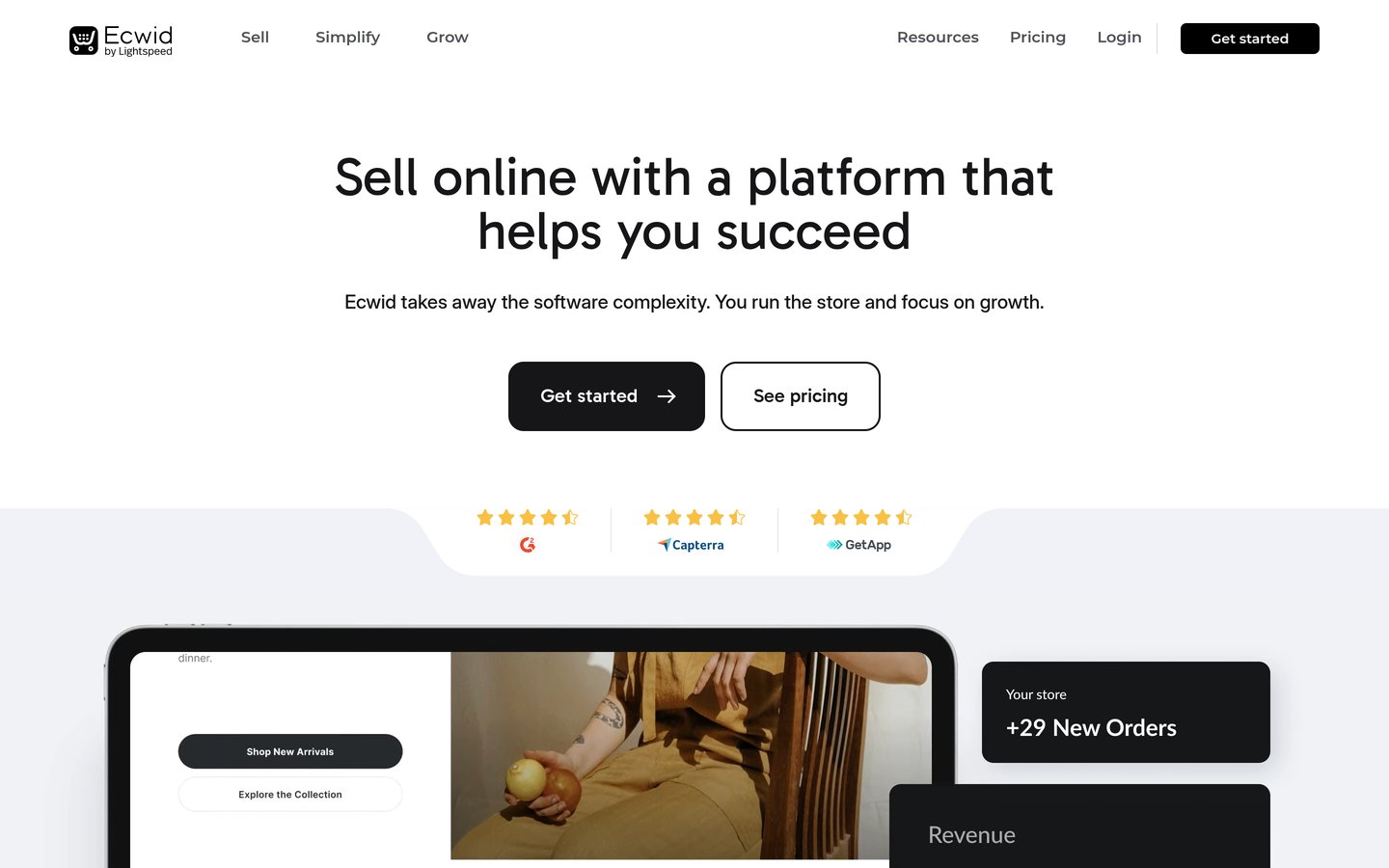
Ecwid is a store you embed into an existing website, social page or marketplace instead of building a new site. Starter costs $5 a month for up to 10 products, and Ecwid charges no platform transaction fee on any plan.
The trade off is product caps. Starter stops at 10 products, and the fuller Venture plan costs $29 a month billed yearly for 100 products and social selling. It suits startups that already have a site or audience and want to add selling fast.
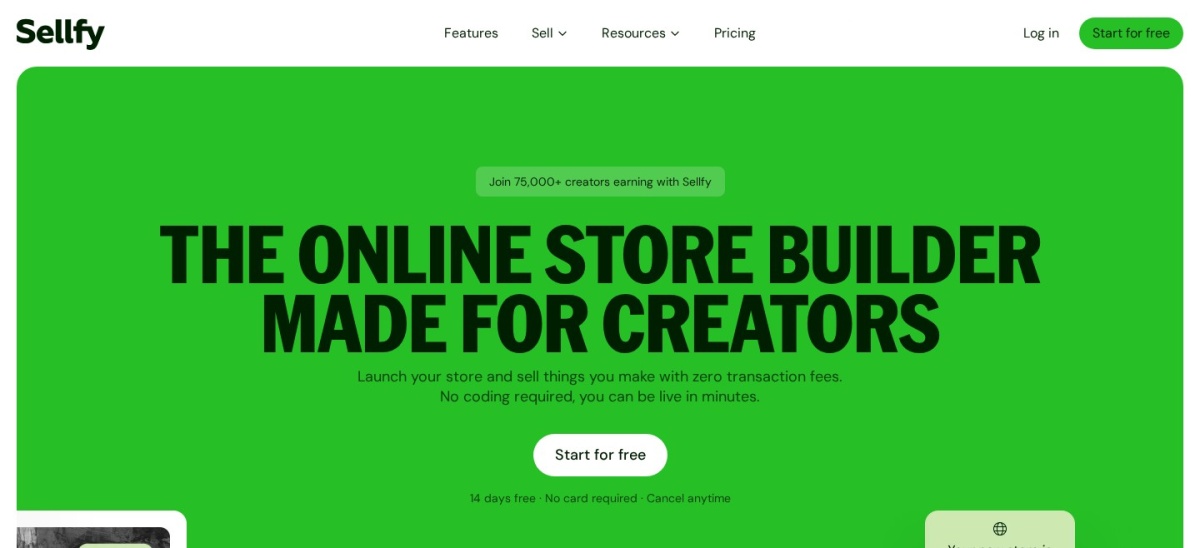
Sellfy is a simple storefront for creators selling downloads, subscriptions and merch. Starter costs $22 a month billed yearly and includes unlimited products, built-in email marketing and 0% transaction fees, with a 14-day free trial.
The trade off is the sales cap. Starter covers up to $10,000 in annual sales, and crossing it means upgrading or paying a 2% overage. It suits creators who want one flat fee and no cut taken from each sale.
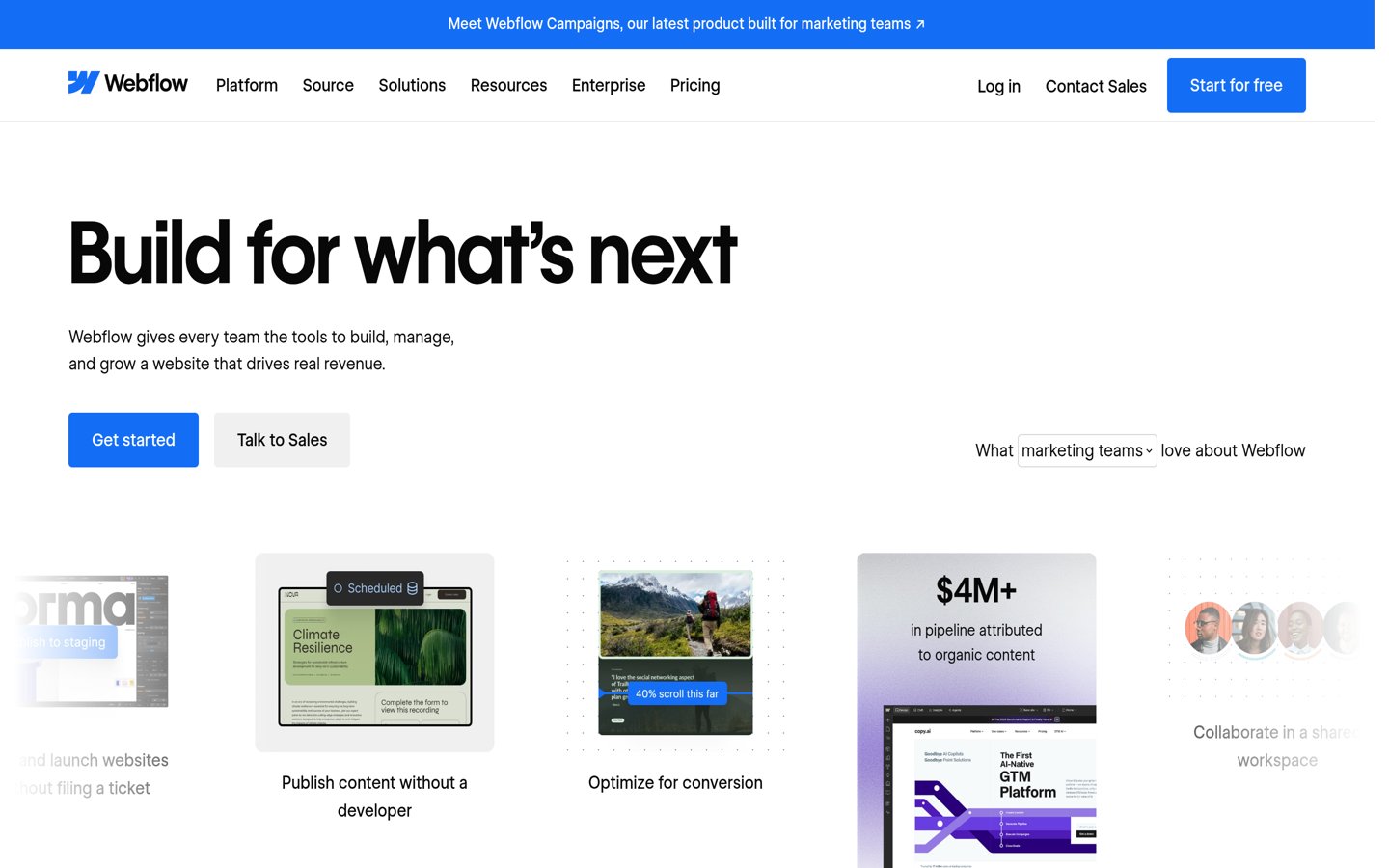
Webflow is a visual website builder that lets a startup design every product page and the checkout without code. Ecommerce Standard costs $29 a month billed yearly ($42 month to month) and covers 500 products, with payments through Stripe or PayPal.
The trade off is the learning curve. Webflow takes longer to learn than Wix or Squarespace, and Standard adds a 2% transaction fee on top of card fees. It suits design-led startups that want a store no template can match.
Free plans cover the basics well. WooCommerce, Square Online, Wix and Webflow all let you start without a monthly fee, though Square and Wix keep their branding on free sites.
Paid plans mostly remove fees, caps and branding. Square Plus drops the branding, Ecwid Venture lifts the product cap to 100, and Sellfy Business raises the sales cap to $50,000 a year.
Watch the fee on each sale, not just the monthly price. A 2% platform fee on $5,000 of monthly sales adds $100 a month, more than the gap between most plans here.
How we chose
We started from the hosted builders and WordPress options most often recommended for new stores, then kept nine with a public price, a public rating and a plan a startup can afford.
Prices come from each vendor's pricing page, checked on 25 November 2026. Ratings and review counts come from G2 on the same day, except WooCommerce, which comes from WordPress.org. Where a vendor shows a sale, the list shows the regular price.
We left out platforms with no public rating or no clear startup plan. No vendor paid for a place, and we do not claim to have used these tools ourselves.
How to choose an e-commerce platform for your startup
Start with how you sell today, then check what each plan costs at your sales level.
Count what you will sell. A store with 10 products fits Ecwid Starter at $5 a month, while a catalog of hundreds needs Shopify, BigCommerce or WooCommerce.
Add up the fees, not just the plan. Multiply your expected monthly sales by the card rate and any platform fee, then add the plan price to see the real monthly cost.
Check the caps before you commit. Sales caps, product caps and staff limits force an upgrade at the worst moment, so read the plan limits on the pricing page.
Start on a trial or free plan. Most tools here offer a free plan or a 14-day trial, so build the store and run a real order before you pay for a year.
FAQ
What is the best e-commerce platform for startups?
Shopify is the best pick for most startups. Basic costs $29 a month billed yearly, includes unlimited products and hosting, and is rated 4.4 out of 5 on G2 from 5,159 reviews. WooCommerce is the best free alternative for WordPress sites.
What is the cheapest e-commerce platform for a startup?
WooCommerce and Square Online both let you start with no monthly fee, though WooCommerce still needs hosting. The cheapest paid plan here is Ecwid Starter at $5 a month for up to 10 products, and Sellfy Starter is $22 a month billed yearly.
Is WooCommerce really free?
The WooCommerce plugin is free, and it has no monthly platform fee. You still pay for WordPress hosting, a domain, and any paid extensions or themes you add, so a small store often costs $10 to $30 a month to run.
Do I need to pay transaction fees on top of the plan?
It depends on the platform. BigCommerce, Ecwid and Sellfy charge no platform transaction fee, while Squarespace Basic charges 2% and Webflow Standard charges 2%. Card processing fees from Stripe or PayPal apply on every platform.
Can I switch platforms later?
Yes, but it takes work. Products, orders and customer data can usually be exported, while the theme and store design have to be rebuilt. Pick a platform you can grow with for at least a year to avoid a rebuild.
Which platform is best for selling digital products?
Sellfy is built for digital products, with 0% transaction fees and built-in email marketing, though Starter caps annual sales at $10,000. WooCommerce also works well for downloads if you already run WordPress.
SaaS SEO and WordPress specialist with about 8 years of experience. Rakib compares WordPress plugins, themes, hosting and software using public pricing, documentation and user reviews. See how we rank.