Best Digital OOH Advertising Platforms in 2026: 7 Tools Compared
WLWPLegible EditorsLast verified 23 Nov 2026How we rank10 min read
★ Short answer
Vistar Media is the best digital OOH advertising platform for most buyers, with a full programmatic DSP and SSP stack across 25+ countries, rated 4.5/5 on G2. Pick StackAdapt for DOOH inside omnichannel campaigns and Blip Billboards for the cheapest self-serve test, from $0.01 per play.
How we make this list: we compare pricing pages, product documentation and public user reviews, then re-check every price before each update. No product paid for a place. Disclosure.
Vistar Media leads programmatic DOOH, with a DSP, SSP and ad server across 25+ countries, rated 4.5/5 on G2.
StackAdapt has the highest G2 rating here at 4.7/5 from 925 reviews, buying DOOH beside display, video and audio.
Broadsign powers 187,000 screens and 76 billion impressions a month, but it is built for media owners, not small buyers.
Every platform except Blip uses custom quotes, so expect a sales call before you see a price.
Blip Billboards is the cheapest test at $0.01 per play, but its 2.1/5 G2 rating is the lowest in this list.
What a digital OOH platform actually does
Digital out-of-home, or DOOH, is advertising on screens in the real world: digital billboards, transit displays, retail screens and street furniture.
Most leading platforms now sell that inventory programmatically, like online ads, with audience targeting, real-time bidding and measurement.
There are two kinds of tool here. Buying platforms such as Vistar Media and StackAdapt help advertisers book screens, while infrastructure such as Broadsign helps media owners run their networks.
Prices are rarely public. Only Blip publishes a per-play rate, so compare the buying model first and the quote second. Our guide to the best ads platforms covers the wider programmatic market.
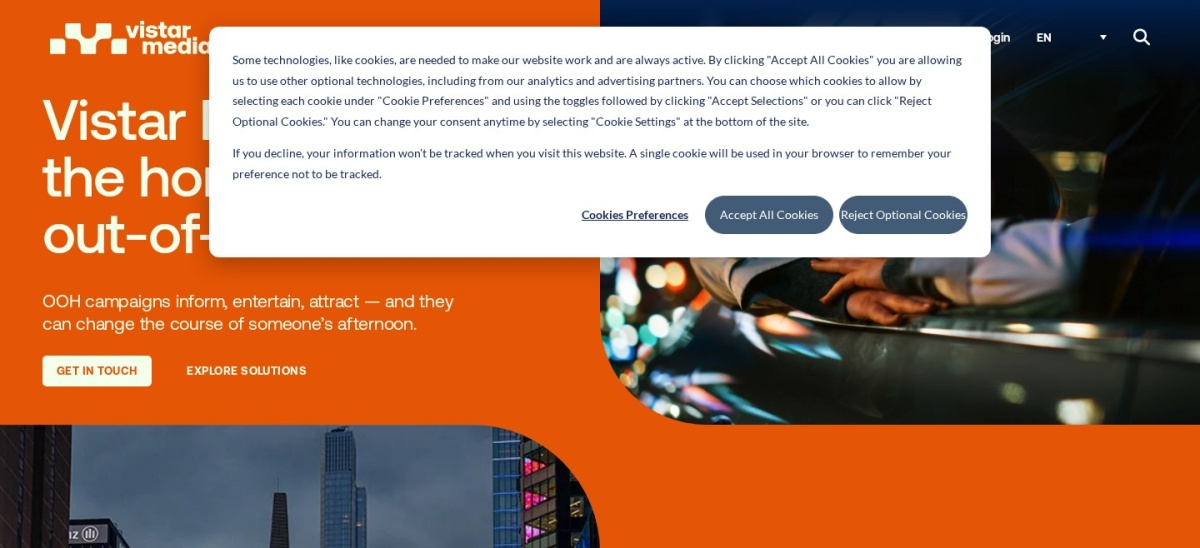
Vistar Media is the programmatic home of out-of-home advertising, now part of T-Mobile Advertising Solutions. Its demand-side platform buys digital screens across retail, transit and street locations in more than 25 countries, while its supply-side platform and ad server serve media owners on the same stack.
The trade off is access. Vistar Media publishes no public price and works on custom quotes, so small advertisers usually buy through an agency or a self-serve tool instead. It suits agencies and brands running multi-market programmatic DOOH campaigns at scale.
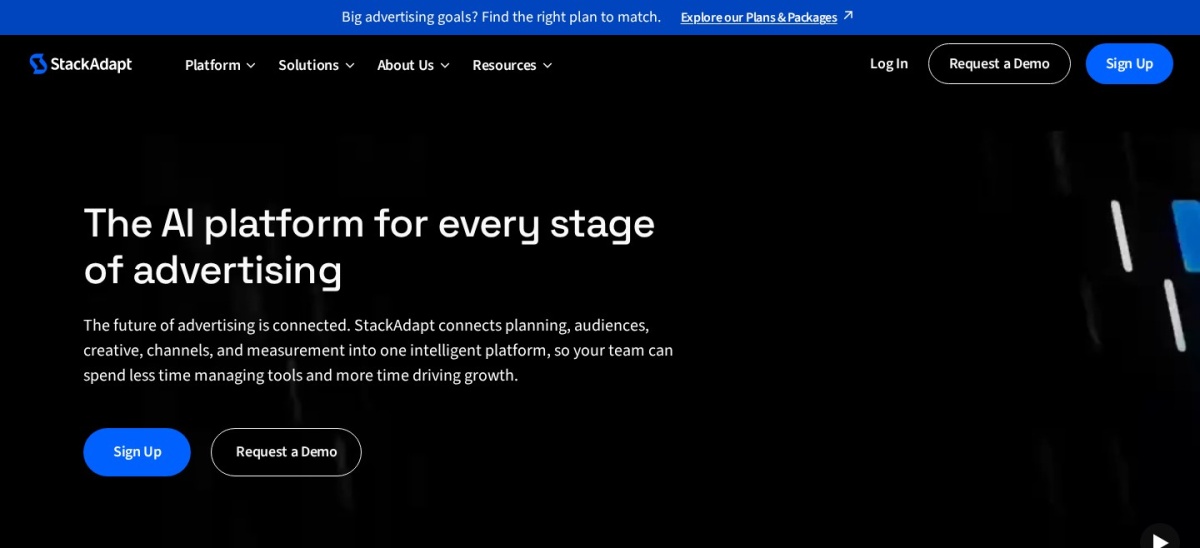
StackAdapt is a multi-channel programmatic platform that buys display, native, video, audio and digital out-of-home from one seat. Agencies use it to add DOOH to wider campaigns without a separate buying tool, and G2 reviewers rate it 4.7 out of 5 from 925 reviews.
The trade off is cost. StackAdapt publishes no public price and works on custom quotes, and reviewers note budgets can run higher than some DSPs. It suits agencies that want DOOH as one channel inside an omnichannel plan.
What we like
DOOH plus display, video and audio in one platform
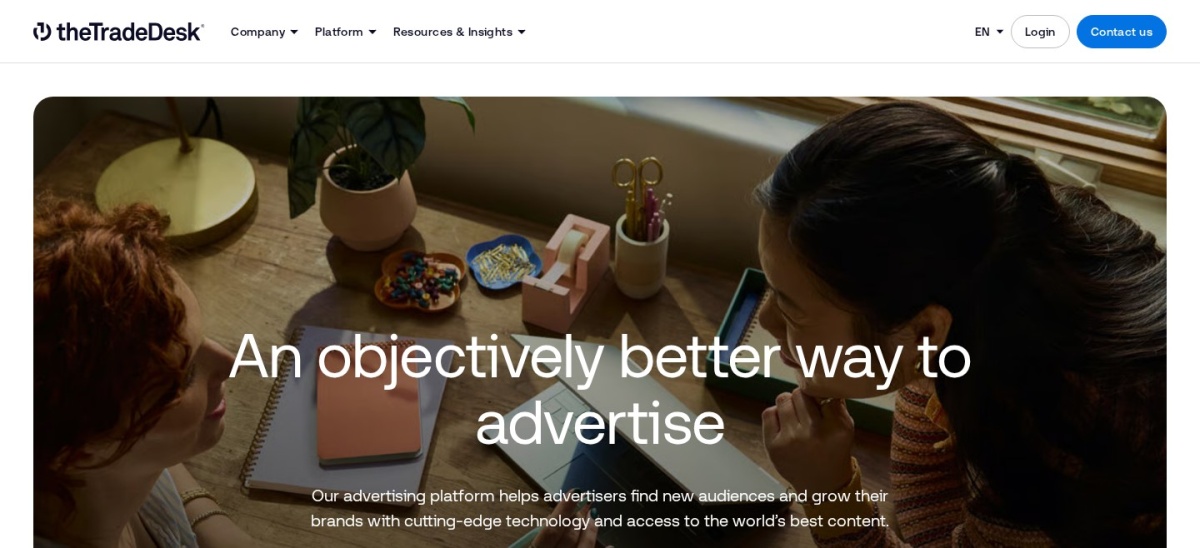
The Trade Desk is an independent demand-side platform that buys DOOH alongside display, video, audio and connected TV. Its Kokai AI optimises campaigns in real time, and it connects to major DOOH supply including Vistar Media and Place Exchange inventory.
The trade off is scale. The Trade Desk is built for enterprise buyers, with contact-sales pricing and minimum spends that can block smaller advertisers. It suits large brands and agencies running DOOH inside a wider omnichannel plan.
Broadsign is the software behind many of the world's digital screen networks, covering content scheduling, inventory, campaign management, ad serving and programmatic selling. Its platform powers 187,000 screens and generates 76 billion impressions a month, and it acquired Place Exchange in November 2025.
The trade off is audience. Broadsign is built for media owners and network operators, not for advertisers buying a single campaign, and pricing is quote-based. It suits media owners and venue networks running large screen fleets.
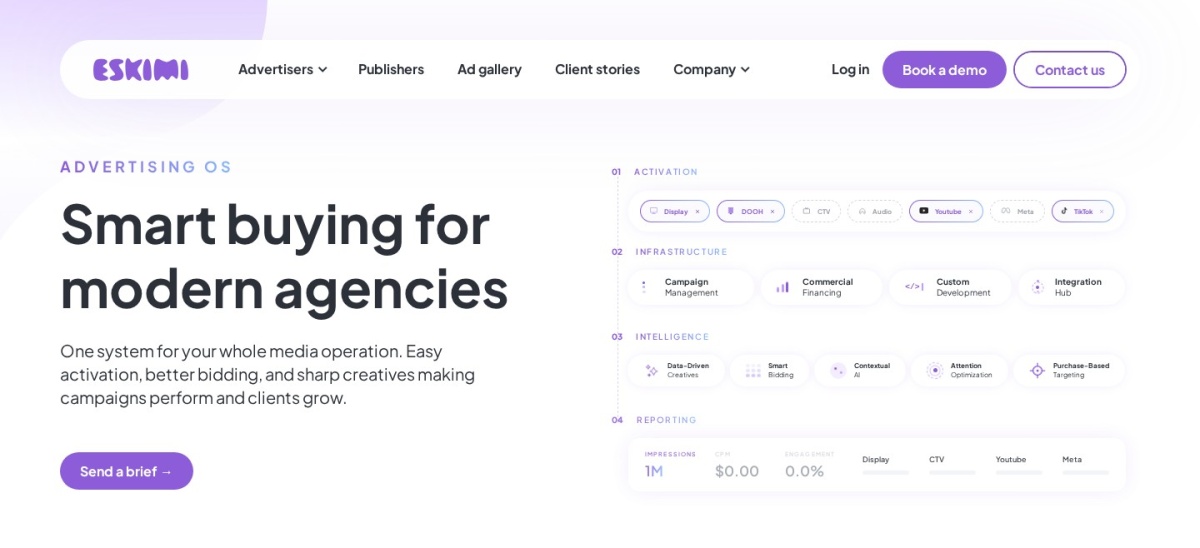
Eskimi is a full-stack programmatic platform that reaches more than 1.5 billion profiled users across 162 markets. It pairs its demand-side platform with a data platform and supply tools, and G2 reviewers rate it 4.8 out of 5 from 103 reviews.
The trade off is focus. Eskimi is strongest in emerging markets and APAC and EMEA, and much of its buying is managed or spend-based rather than pure self-serve. It suits brands targeting audiences outside the usual US and European inventory.
Perion One is the unified advertising platform that absorbed Hivestack, the DOOH demand-side platform Perion acquired in 2023. It combines a DOOH DSP, supply-side tools and an ad server in one stack for buyers and media owners.
The trade off is clarity. The Hivestack brand was retired in 2025, so buyers now deal with the wider Perion One platform, and pricing is quote-based. It suits programmatic buyers who want DOOH infrastructure plus search and social in one vendor.
Blip Billboards is the cheapest way onto a real digital billboard. You pay only when your ad plays, from about $0.01 per play, with a free account and no minimum spend, which makes it the lowest-risk test in this list.
The trade off is reliability. Blip scores only 2.1 out of 5 on G2 from 6 reviews, with reviewers reporting ads that did not appear as scheduled and slow support. It suits local advertisers testing one board with a small budget.
Self-serve vs programmatic: which buying model fits
Self-serve tools such as Blip let you pick screens, set a budget and launch in minutes, with no sales call.
Programmatic platforms such as Vistar Media and StackAdapt buy across many media owners at once, with audience targeting and real-time bidding.
The split is really about budget. Under a few thousand dollars, self-serve is the only practical route. Above that, programmatic buying reaches more screens and better audiences.
Many advertisers use both: a self-serve test to learn which locations work, then a programmatic buy to scale the winners.
How we chose
We started from the DOOH platforms named most often in 2026 buying guides, then kept those with a verifiable G2 rating and a live product.
Prices and ratings come from vendor sites and G2, checked on 23 November 2026. Six of the seven tools publish no public price, so the list shows custom quotes where that is what the vendor offers.
We left out AdQuick and Adomni because neither has a verifiable rating on G2, Capterra or Trustpilot, and Place Exchange because Broadsign acquired it in November 2025. No vendor paid for a place, and we do not claim hands-on testing for this list.
How to choose a digital OOH advertising platform
Start with your budget, then match the buying model to it.
Set a test budget first. Under a few hundred dollars, only Blip works. A few thousand opens self-serve DSPs, while programmatic platforms need larger spends.
Pick the buying model. Choose self-serve for one market and a few screens, or programmatic for many markets, audience targeting and measurement.
Check the inventory where you need it. Ask for the screen list in your cities before signing. Coverage varies widely by market and venue type.
Ask how measurement works. Confirm what proof of play and footfall reporting you get, and whether it costs extra.
FAQ
What is the best digital OOH advertising platform?
Vistar Media is the best all-round pick, with a full programmatic DSP and SSP stack across 25+ countries and a 4.5/5 G2 rating. StackAdapt is the best choice for DOOH inside omnichannel campaigns, and Blip Billboards is the cheapest way to test one board.
How much does digital OOH advertising cost?
It varies widely. Blip charges from about $0.01 per play with no minimum, while most programmatic platforms work on custom quotes and campaign minimums in the low thousands of dollars. Always ask for the all-in CPM, including platform and data fees.
What is the difference between DOOH and OOH?
OOH covers all outdoor advertising, including static billboards. DOOH is the digital subset: screens that can change creative, rotate advertisers and be bought programmatically with targeting and measurement.
Can small businesses buy digital billboard ads?
Yes. Blip Billboards lets local advertisers run digital billboards from about $0.01 per play with a free account and no minimum spend. Self-serve platforms are the practical route for budgets under a few thousand dollars.
Do I need an agency to buy programmatic DOOH?
Not always, but most programmatic platforms sell through agencies or sales teams with custom quotes. Self-serve tools let you buy direct, while StackAdapt and The Trade Desk usually work through an agency seat.
How is DOOH measured?
Platforms report proof of play, impressions and, on some networks, footfall lift measured against store visits. Ask each vendor what measurement is included and what costs extra before you commit budget.