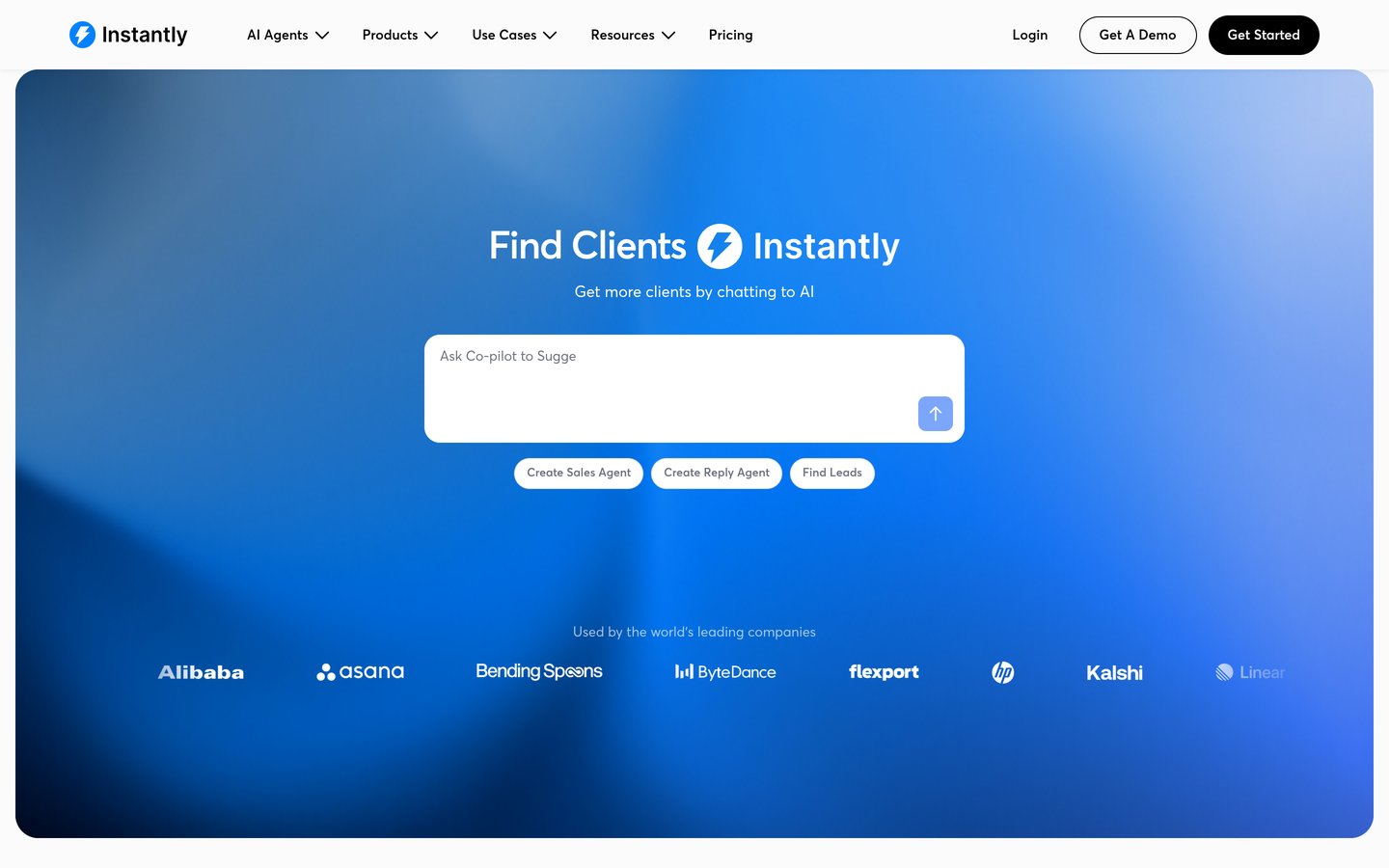
Instantly is the best cold email software for most teams: its $47 Growth plan covers 5,000 emails a month across unlimited inboxes with warm-up included, and it holds a 4.8 out of 5 G2 rating. Pick Lemlist for personalised multichannel outreach, or Apollo if you also need a contact database.
How we make this list: we compare pricing pages, product documentation and public user reviews, then re-check every price before each update. No product paid for a place. Disclosure.
Instantly leads on volume: unlimited inboxes and warm-up from $47 a month, rated 4.8 out of 5 on G2.
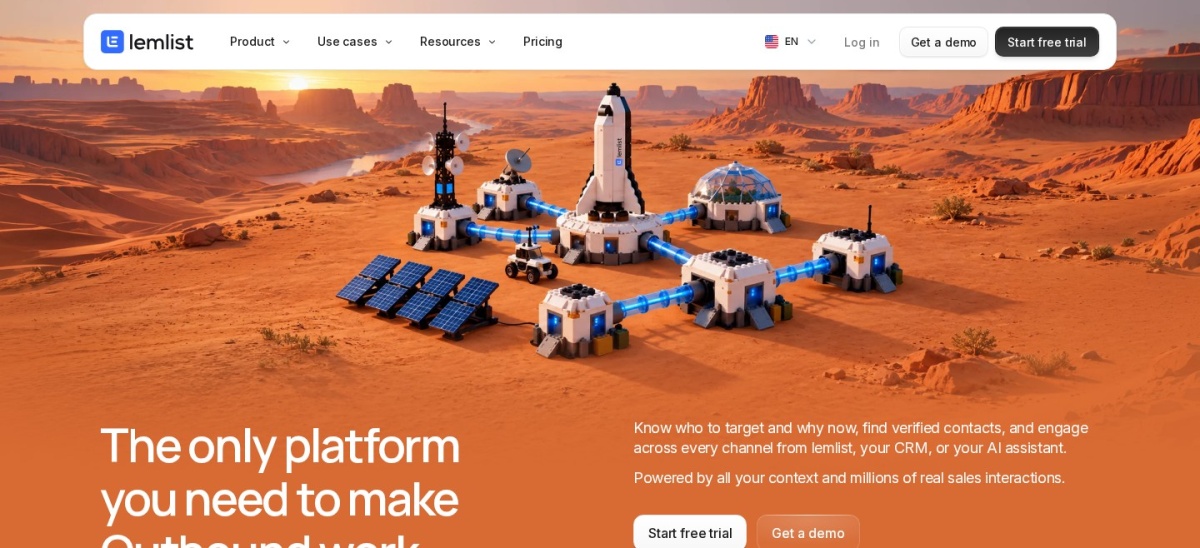
Lemlist is the personalisation pick, with 50,000 emails a month and unlimited users for $69 a month.
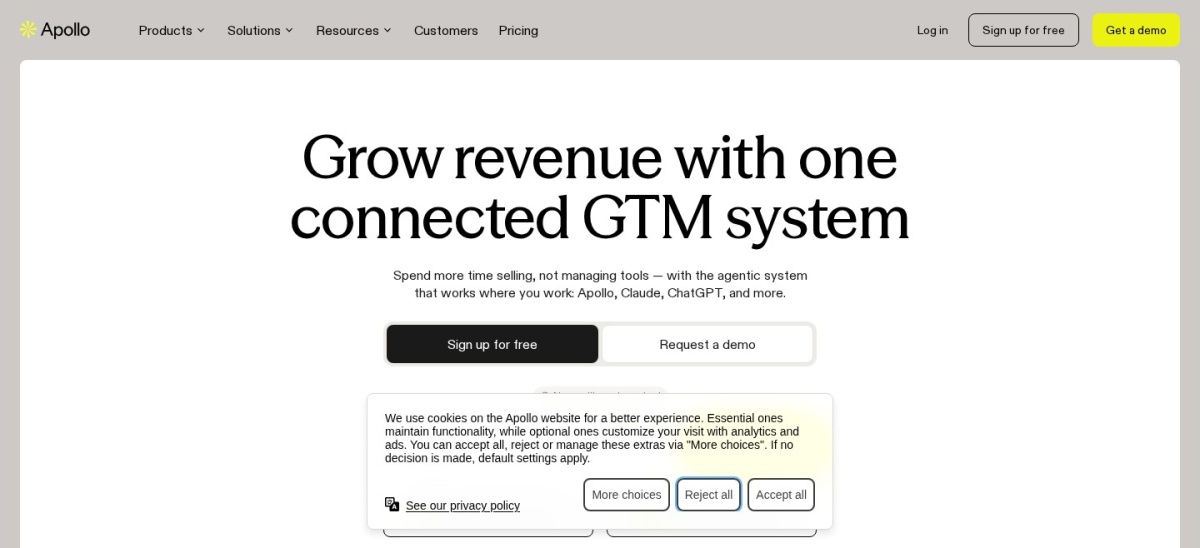
Apollo pairs a free plan with a 240M+ contact database in the same tool.
Mailshake is the cheapest entry at $29 a month, but Starter caps sends at 1,500 a month.
GMass is the only Gmail-native pick, and its Standard plan has no send cap beyond Gmail's own limits.
What cold email software should cover
Cold email tools send sequenced emails to people who have not asked to hear from you, then track opens, replies and bounces. The best ones also warm up new inboxes, rotate sending accounts and keep you out of spam folders.
Price models differ more than features do. Some tools charge per user, some per mailbox and some by send volume, so a cheap headline price can still cost more for your team size.
Deliverability matters more than templates. Warm-up, inbox rotation, verified lists and sensible daily limits decide whether your emails reach inboxes at all. Our guide on setting up SPF, DKIM and DMARC for WordPress email covers the authentication records every sender needs.
Start with your list and your volume. A solo founder sending 2,000 emails a month needs a different tool from an agency running 100,000 sends across 30 inboxes.
Instantly is a cold email platform built for high-volume sending from many inboxes at once. The Growth plan costs $47 a month and covers 5,000 emails and 1,000 uploaded contacts, with unlimited email accounts and unlimited warm-up included. Its SuperSearch database holds more than 450 million B2B contacts, sold separately as credits.
The trade off is that lead data costs extra. SuperSearch credits start at $47 a month on top of the sending plan, so the full bill is higher than the headline price. It suits founders, agencies and sales teams that already have a list or send at volume.
What we like
Unlimited email accounts and warm-up on every plan
Lemlist is a multichannel outreach platform for email, LinkedIn, calls and SMS from one sequence. The Email plan costs $69 a month for 50,000 emails with unlimited users and senders, and includes warm-up through lemwarm and access to a lead database of more than 450 million contacts. Personalised images and videos are built into its campaign editor.
The trade off is price per seat on multichannel plans. The Multichannel plan costs $109 per user a month, and lead credits for finding verified emails cost extra. It suits teams whose edge is personalisation rather than raw sending volume.
Apollo is a sales platform that pairs a contact database of more than 240 million contacts with email sequences, a dialer and deal tracking. The free plan covers basic prospecting, and the Basic paid plan costs $65 a month with 30,000 credits a year and unlimited sequences. It also includes email warm-up and CRM integrations.
The trade off is the daily send cap on cheaper plans. Free and Basic cap sends at 250 emails a day with one mailbox per user, so heavy senders need Professional at $99 a month. It suits reps who build their own lists and run sequences from one tool.
What we like
Free plan with prospecting and sequences
Largest review base in this list at 9,100+ G2 reviews
Database, dialer and sequences in one seat price
Watch out for
250 sends a day cap on Free and Basic
Credits expire and can run out fast
Deliverability tools are less mature than send-only tools
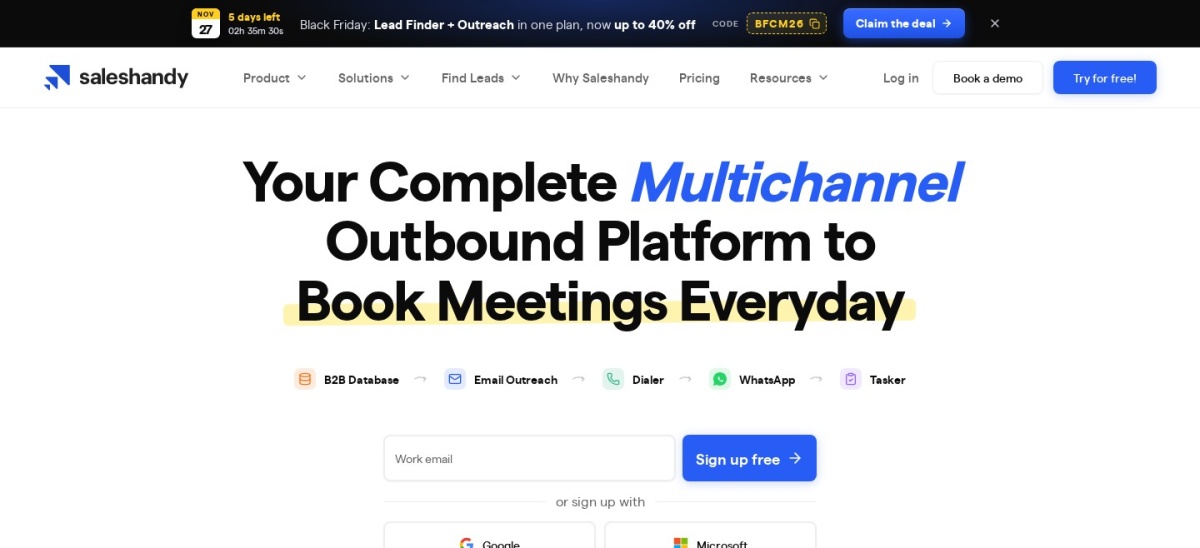
Saleshandy is a cold email platform that bundles sequences, warm-up, a unified inbox and a built-in CRM with Lead Finder data credits. The Starter plan costs $41 a month for one user, 6,000 emails a month, 2,000 active prospects and 1,500 lead credits. Every plan includes unlimited email accounts.
The trade off is the single-user limit on Starter. A second seat needs the Pro plan at $99 a month, which covers 10 users and 100,000 emails. It suits small teams that want flat pricing instead of paying per seat.
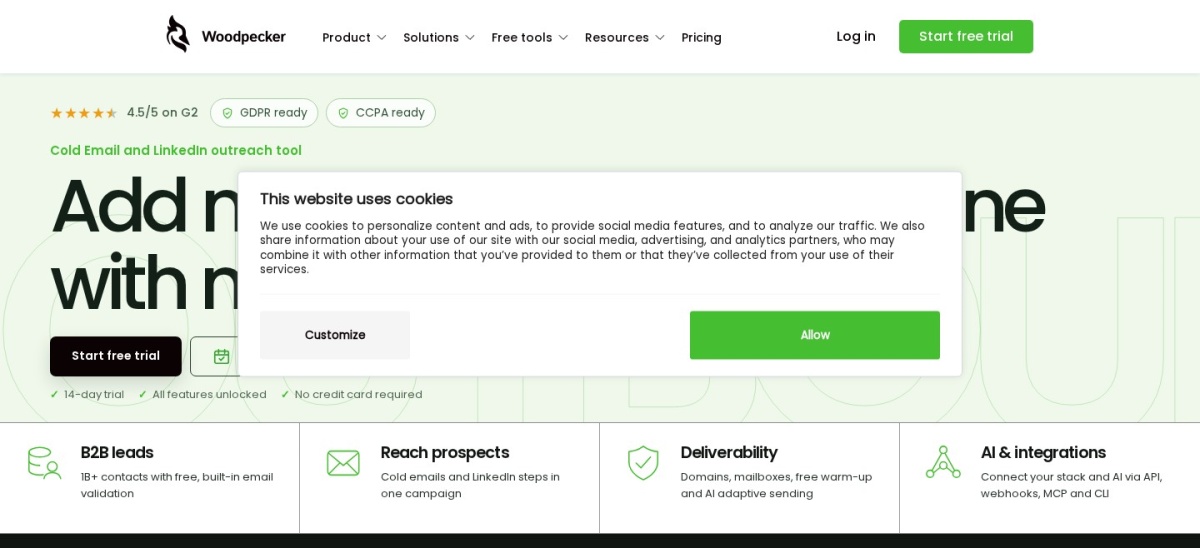
Woodpecker is an email-first outreach tool for agencies and small B2B teams. The Email plan costs $39 a month for 5,000 emails, with unlimited users, unlimited email accounts, free warm-up and free email verification. LinkedIn steps are available as a $29 add-on per account.
The trade off is that its pricing changed recently. Older guides quote prospect-based prices, while the current page bills by emails sent, so check the plan before you budget. It suits email-first teams that want deliverability controls without a large platform.
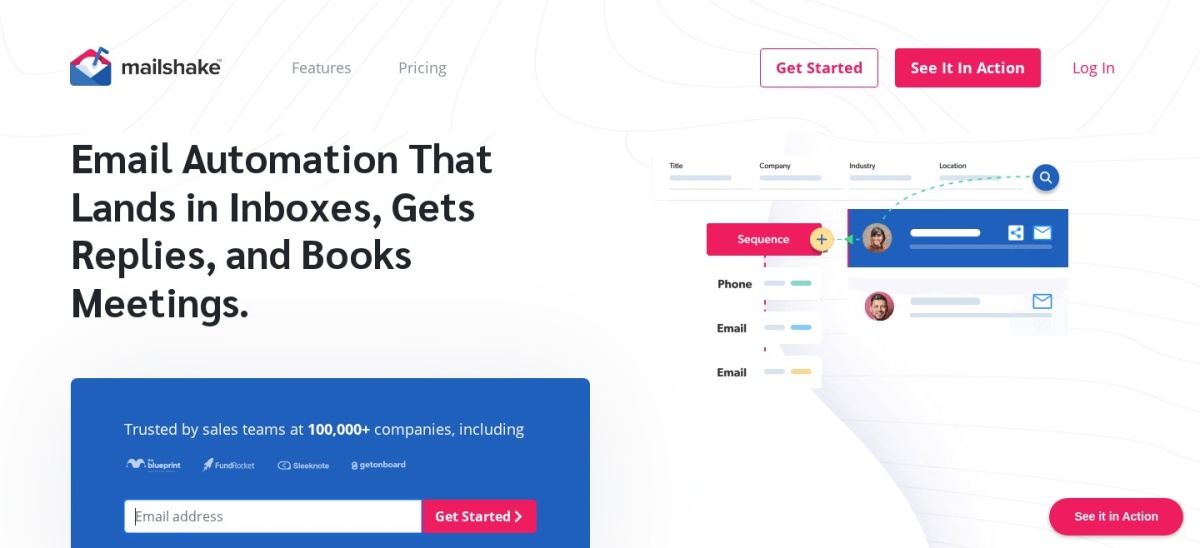
Mailshake is a simple email outreach tool with sequences, AI writing help and a deliverability toolkit. The Starter plan costs $29 a month for one mail account, 1,500 sends a month and unlimited contacts. The Email Outreach plan at $49 a month adds unlimited sends and a second mail account.
The trade off is scale. Mailshake charges per user and limits mailboxes per plan, so running many inboxes costs more than on flat-rate tools. It suits small teams that want to start sending this week with little setup.
What we like
Cheapest entry price in this list at $29 a month
AI writing help and deliverability checks included
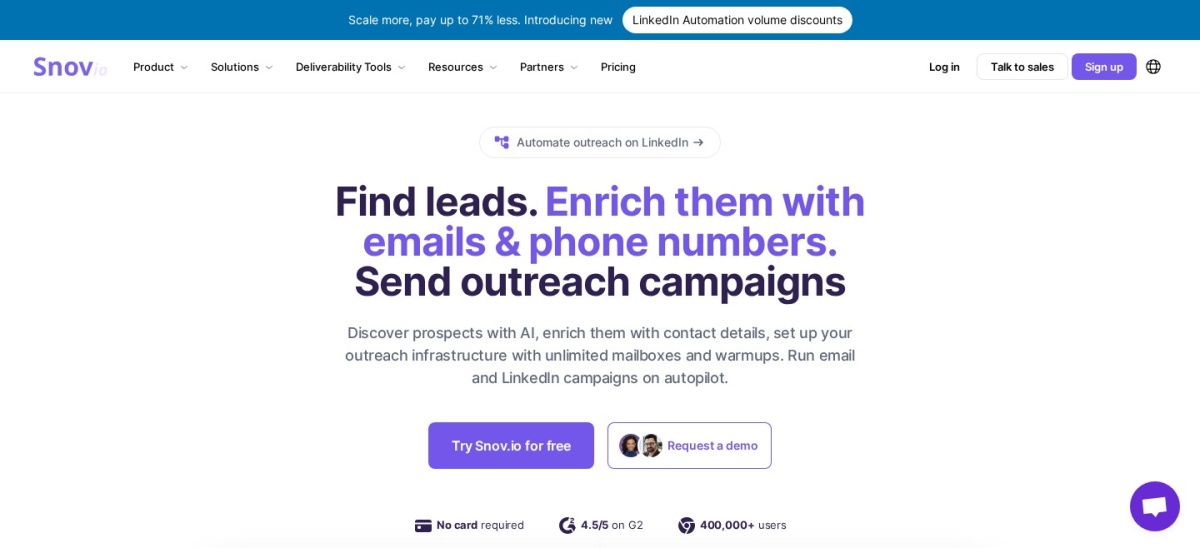
Snov.io is an all-in-one prospecting and outreach tool with an email finder, verifier, warm-up, drip campaigns and a light CRM. The free Trial plan renews 50 credits a month, and the Starter plan costs $39 a month for 1,000 credits, 5,000 recipients and 3 warm-up slots. Paid plans have unlimited team seats.
The trade off is the credit system. Every email search or verification spends credits, so heavy prospecting burns through the Starter allowance fast. It suits solo operators who want finding and sending in one low-cost account.
What we like
Finder, verifier, warm-up and sender in one price
Free Trial plan with 50 credits a month
Unlimited team seats on paid plans
Watch out for
Credits run out fast at high volume
Only 3 warm-up slots on Starter
A/B testing needs a Pro plan
Pro plans add more credits and warm-up slotsVisit snov.io
08
GMass
4.8/5on G2 (1,274 reviews, checked Nov 2026)
Paid from$29.95/mo
Best for Gmail users
Cheapest paid planStandard, $29.95/mo
Emails a monthUnlimited
Works inGmail
SequencesPremium plan
gmass.co
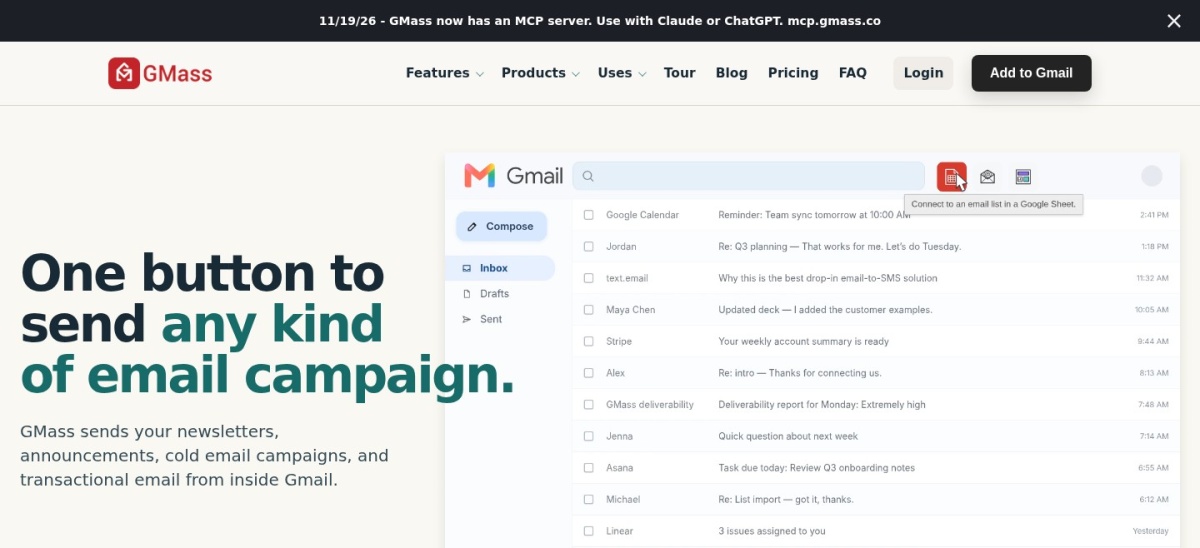
GMass homepage, captured Nov 2026.
GMass is a Chrome extension that turns Gmail into a mail-merge and cold email tool. The Standard plan costs $29.95 a month and covers unlimited emails, contacts and campaigns from your own Gmail account, with personalisation from Google Sheets. A free plan covers small sends.
The trade off is Gmail itself. Standard has no follow-up sequences or API, and sending is capped by Gmail at about 500 emails a day on personal accounts and 2,000 on Workspace. It suits Gmail users who want campaigns inside their inbox.
What we like
Works inside Gmail, with no new dashboard to learn
Unlimited emails on every paid plan
Rated 4.8 out of 5 on G2 from 1,274 reviews
Watch out for
No follow-up sequences on Standard
Gmail only, with no Outlook support
Sending caps come from Gmail, not GMass
Premium adds sequences and the API for $39.95 a monthVisit gmass.co
09
Klenty
4.6/5on G2 (388 reviews, checked Nov 2026)
Starts at$60/mo
Best for phone-first SDR teams
Cheapest paid planStartup, $60/user/mo
ChannelsEmail only
Free trial14 days
DialerPaid add-on
klenty.com
Klenty homepage, captured Nov 2026.
Klenty is a sales engagement platform built around cadences that mix email, LinkedIn, calls and SMS. The Startup plan costs $60 per user a month billed quarterly and covers email cadences with CRM sync. Growth at $70 a user a month billed annually adds multichannel steps.
The trade off is add-on pricing. The parallel dialer costs extra per user, and AI features sit on the Pro plan at $99 a user a month. It suits phone-first SDR teams that want structured cadences and live-call coaching.
Before you send: three checks that protect deliverability
Verify every address before the first send. A bounce rate above a few percent harms the sender reputation of the whole domain.
Warm up new inboxes for two to four weeks before full-volume sending. Most tools in this list include warm-up, but it still takes time.
Keep daily sends per mailbox low, usually under 50, and spread volume across several inboxes instead of pushing one account hard.
Add an unsubscribe link and a real postal address to every cold email, and honour opt-outs at once.
How we chose
We started from the established cold email tools with a G2 rating and a public pricing page, then kept the nine that cover the main ways teams send cold email: high-volume sending, personalised multichannel outreach, database plus sequences, and Gmail-native sending.
Prices come from each vendor's pricing page, checked on 24 November 2026. Ratings and review counts come from G2 on the same day. Where a vendor shows a sale, the list shows the regular price.
We left out enterprise-only platforms that do not publish prices. No vendor paid for a place, and we do not claim hands-on testing for this list.
How to choose cold email software
Match the tool to your list size, your channels and your budget before you compare features.
Count your monthly sends first. A tool priced by volume is cheap at 5,000 emails and dear at 100,000. Check the cap on the entry plan, not just the headline price.
Decide whether you need data too. If you have no list, Apollo, Lemlist or Snov.io bundle finding with sending. If you already have verified contacts, a sending-only tool costs less.
Check warm-up and mailbox limits. Unlimited inboxes and included warm-up matter once you send from more than one address. Per-user tools get dear fast at that point.
Run a trial on a warm domain. Use the trial to send to a small, verified list and watch bounce and reply rates before you move real volume across.
FAQ
What is the best cold email software?
Instantly is the best pick for most teams. Its Growth plan costs $47 a month, covers 5,000 emails across unlimited inboxes with warm-up included, and it holds a 4.8 out of 5 rating on G2 from more than 3,900 reviews.
How much does cold email software cost?
Entry plans in this list run from $29 to $69 a month. Mailshake starts at $29, GMass at $29.95 and Instantly at $47, while Lemlist costs $69. Annual billing cuts most of these prices by about 15 to 25 percent.
Is cold email legal?
Cold email to businesses is legal in the US under CAN-SPAM if you identify yourself, include a real postal address and honour opt-outs. Rules differ elsewhere, so check the law where your recipients live before you send.
Do I need a separate warm-up tool?
No, not with most tools here. Instantly, Lemlist, Woodpecker, Snov.io and Saleshandy include warm-up in their plans. Warm-up still takes two to four weeks, so start it before you need full sending volume.
What is the best free cold email software?
Apollo has the strongest free plan in this list, with basic prospecting, sequences and email warm-up at no cost. Snov.io also renews 50 free credits a month, and GMass offers a free plan for small sends inside Gmail.
How many cold emails should I send per day?
Keep each mailbox under about 50 sends a day, and spread volume across several warmed inboxes. Sending hundreds a day from one new mailbox is the fastest way to land in spam folders.
SaaS SEO and WordPress specialist with about 8 years of experience. Rakib compares WordPress plugins, themes, hosting and software using public pricing, documentation and user reviews. See how we rank.