AWS is the best cloud platform for scalability for most teams, with 200+ services behind a t3.micro entry point from $7.59 a month. Pick Google Cloud for the lowest entry compute at $6.11 a month, or DigitalOcean for flat $4 monthly pricing without metered billing.
How we make this list: we compare pricing pages, product documentation and public user reviews, then re-check every price before each update. No product paid for a place. Disclosure.
AWS leads on breadth: 200+ services, with entry compute from $7.59 a month on a t3.micro.
Google Cloud has the cheapest entry compute here: an e2-micro at $6.11 a month, plus $300 in new-customer credit.
Azure's smallest B1s machine also starts at $7.59 a month and fits teams already on Microsoft 365.
Flat-priced options start lower: Vultr from $2.50 a month, DigitalOcean at $4 and Akamai at $5.
The three hyperscalers bill by the hour, so storage, transfer and idle resources add to the entry compute price.
What scalability means for a cloud platform
A scalable platform lets you start on one small server and grow to many without moving providers. The test is not the first server, but the tenth, and whether the same account, billing and tools still work.
Three things matter most: enough machine sizes to grow into, managed services such as databases and Kubernetes so you stop running them yourself, and billing you can predict. Our guide on what cloud hosting is explains the hosting side in plain terms.
Metered clouds such as AWS, Google Cloud, Azure and Oracle Cloud charge by the hour, so the entry price in this list is the cheapest compute unit running all month. Flat-priced clouds such as DigitalOcean, Akamai, Render, Vultr and Heroku charge one monthly figure for the server.
Free tiers also matter at the start. AWS, Google Cloud, Azure, Render and Oracle Cloud all give away some usage, while DigitalOcean, Akamai, Vultr and Heroku do not.
Amazon Web Services is the largest cloud platform in this list, with more than 200 services covering compute, storage, databases and machine learning. Its entry point for a small server is the EC2 t3.micro, with 2 vCPUs and 1 GiB of memory, at $0.0104 an hour on demand, about $7.59 for a 730-hour month, and the free tier covers a t3.micro for 12 months.
The trade off is that the bill is metered, so storage, data transfer and idle resources sit on top of the $7.59 compute figure. It suits teams that want the widest service range and expect traffic to grow well past one server.
Google Cloud Platform homepage, captured Nov 2026.
Google Cloud Platform is Google's cloud, built around Compute Engine virtual machines, Cloud Run, BigQuery and Kubernetes Engine. Its smallest machine, the e2-micro with 2 shared-core vCPUs and 1 GiB of memory, lists at $0.0084 an hour on demand in Iowa, about $6.11 for a 730-hour month, and one e2-micro a month is in the Always Free tier.
The trade off is that the cheapest machine is small, so a busy app outgrows it fast and the per-second bill still adds storage and egress. It suits developers and small teams that already use Google Workspace or BigQuery and want the lowest entry compute in this list.
What we like
Lowest entry compute price in this list
$300 new-customer credit plus an Always Free tier
Committed-use discounts cut Compute Engine up to 57%
Microsoft Azure is Microsoft's cloud platform, with virtual machines, App Service, Azure SQL and Kubernetes Service alongside Microsoft 365 and Entra ID. Its smallest burstable machine, the B1s with 1 vCPU and 1 GiB of memory, lists at $0.0104 an hour on demand in US East, about $7.59 for a 730-hour month.
The trade off is the same metered billing as the other hyperscalers, so the entry figure covers compute only. It suits teams that already run Microsoft 365 or Active Directory and want one sign-in and one bill for cloud and office tools.
What we like
Strongest fit for Microsoft 365 shops
Free tier includes a $200 credit and free services
Burstable B-series VMs keep small workloads cheap
Watch out for
Smallest G2 review sample in this list, 73 reviews
DigitalOcean is a developer cloud built around Droplets, simple virtual servers with a flat monthly price. The smallest Droplet costs $4 a month, with 512 MB of memory, 1 vCPU and 10 GB of disk, and managed Kubernetes starts at $12 a month while managed databases start at $15 a month.
The trade off is range. It has far fewer managed services than AWS, Google Cloud or Azure, so a team that needs a specific managed database or AI service may outgrow it. It suits small teams and side projects that want a predictable bill and a short learning curve.
What we like
Flat $4 monthly entry price, no metered surprises
Simple console and clear Droplet pricing
Managed Kubernetes and databases from $12 and $15 a month
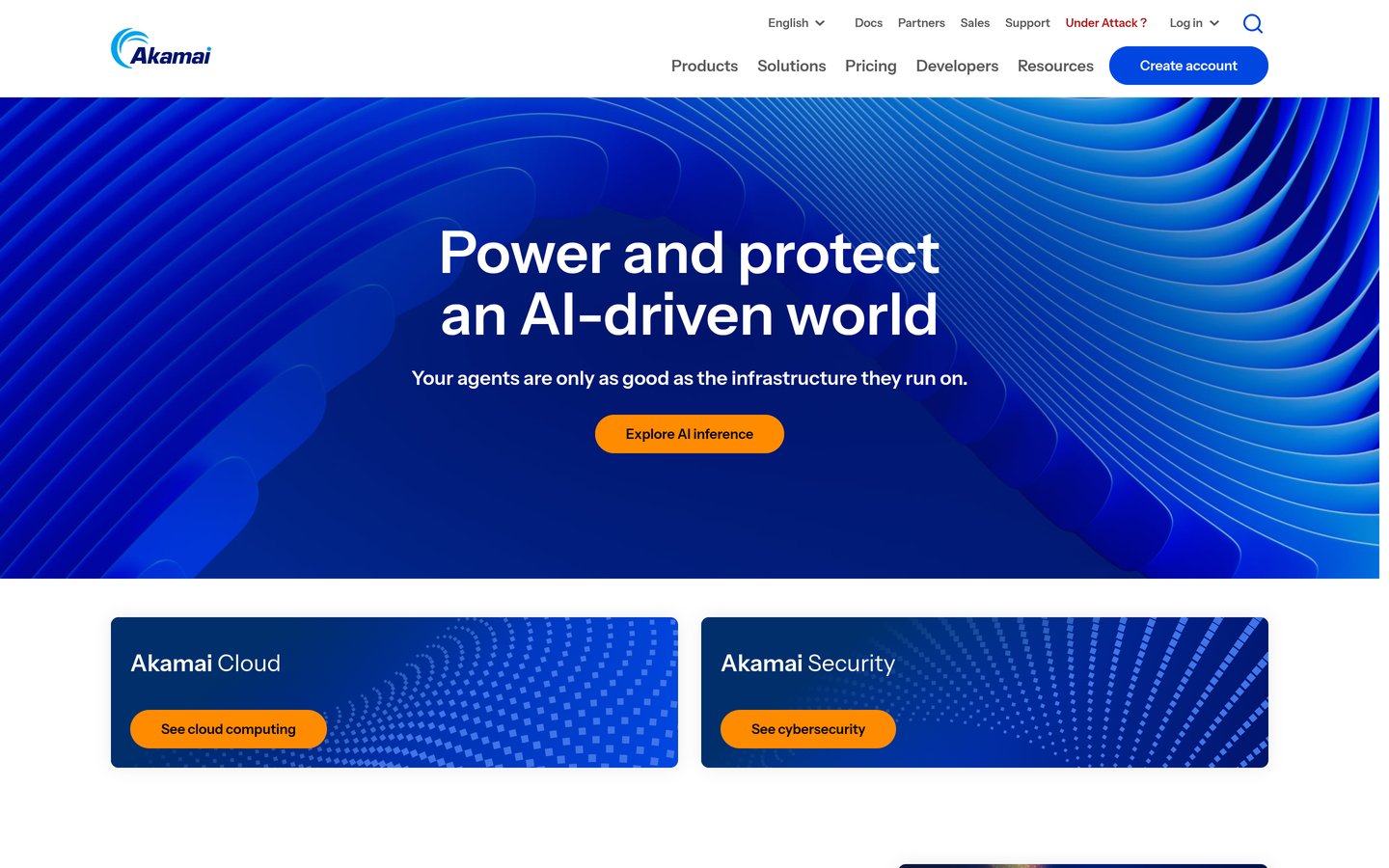
Akamai Cloud Computing homepage, captured Nov 2026.
Akamai Cloud Computing is the cloud built on Linode, which Akamai bought in 2022, and it still sells the same shared-CPU plans under the Linode names. The smallest, the Nanode with 1 vCPU, 1 GB of memory and 25 GB of storage, costs $5 a month, or $0.0075 an hour, and includes 1 TB of transfer.
The trade off is that the brand change still confuses buyers, since plans keep the old Linode names while the platform is sold as Akamai Cloud. It suits developers who want a cheap server with generous transfer and a monthly cap instead of metered billing.
What we like
Nanode at $5 a month with 1 TB of transfer
Hourly billing stops at the monthly price
Shared plans run from $5 to $1,152 a month
Watch out for
No free tier
Brand and plan names still mix Akamai and Linode
Paid plans add larger shared and dedicated CPU serversVisit linode.com
06
Render
4.7/5on G2 (85 reviews, checked Nov 2026)
Paid from$7/mo
Best for GitHub deploys without server admin
Entry web serviceStarter, $7/mo, 512 MB
Free tier$0, 512 MB web service
Managed PostgresFrom $6/mo
DeploysGitHub, with auto deploys
render.com
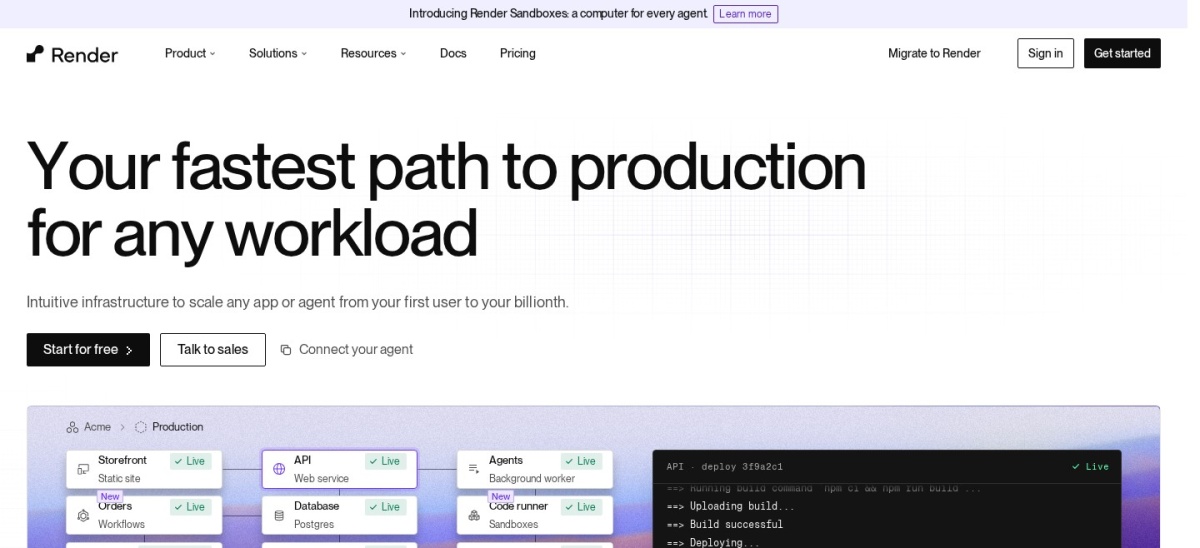
Render homepage, captured Nov 2026.
Render is a managed cloud for web services, background workers, cron jobs and Postgres, built for teams that deploy from GitHub. A Starter web service with 512 MB of memory costs $7 a month, a free tier covers a 512 MB service, and managed Postgres starts at $6 a month.
The trade off is control. Render hides the server, so teams that need a custom operating system setup or a specific kernel module cannot get it here. It suits startups and small teams that want to push code and have the platform run it.
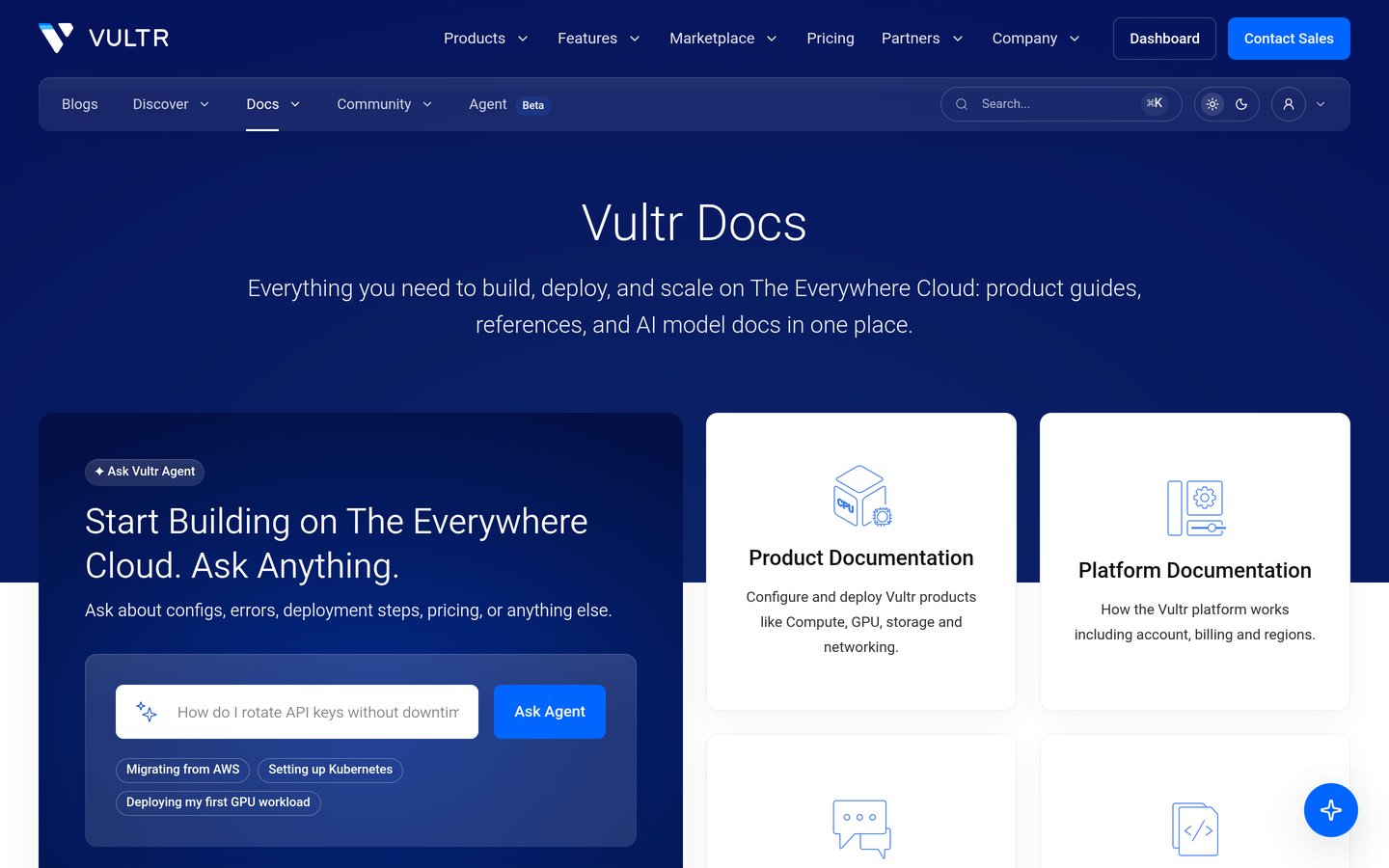
Vultr is a low-cost cloud with virtual servers in many regions, plus high-frequency and dedicated-CPU lines and bare metal from $120 a month. Its cheapest Cloud Compute plan, with 1 vCPU, 512 MB of memory and 10 GB of disk, costs $2.50 a month, though that plan is IPv6-only in two locations.
The trade off is that the headline price has limits. The same 512 MB size with IPv4 costs $3.50 a month in New Jersey only, and the widely available 1 GB plan costs $5 a month. It suits buyers who want the lowest entry price and can live with IPv6-only or a single region.
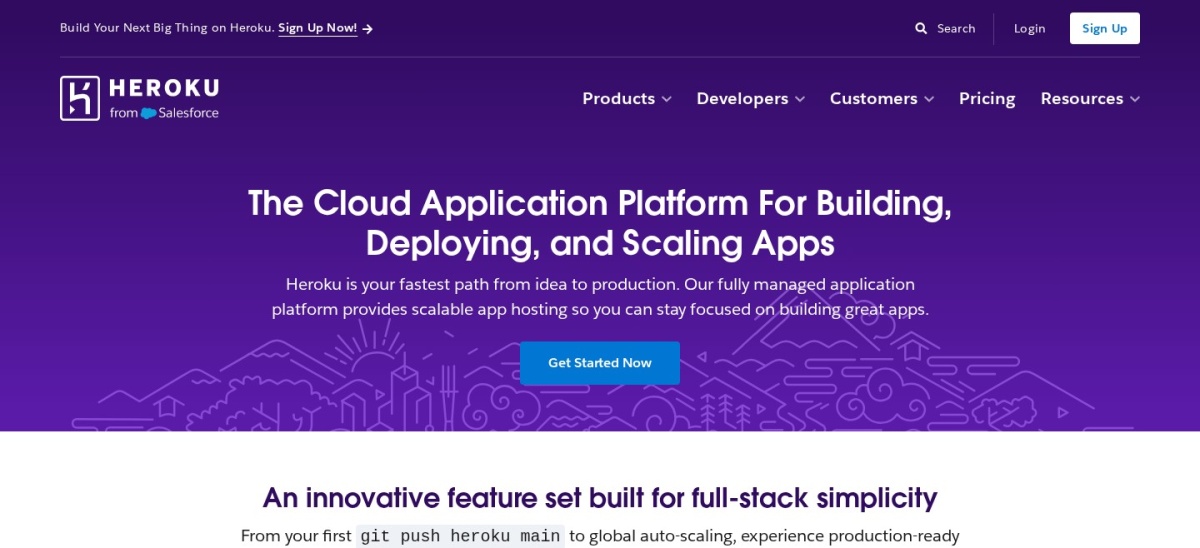
Heroku is a managed application platform from Salesforce, where you deploy with a git push and Heroku runs the server, the runtime and the routing. Its cheapest paid dyno, Eco, costs $5 a month with 0.5 GB of memory, while Basic at $7 a month stays on and Standard starts at $25 a month.
The trade off is cost as you scale. Reviewers note that bills rise fast once an app needs several dynos or larger ones, and the old free tier is gone. It suits small apps and prototypes that need to go live in minutes without server work.
Oracle Cloud is Oracle's cloud platform, with compute, databases, Kubernetes Engine and a large Always Free tier. Its cheapest compute, the Arm-based Ampere A1 Flex shape, lists at $0.01 per OCPU-hour plus $0.0015 per GB-hour, which works out to about $8.40 a month for a 1 OCPU, 1 GB instance running all month.
The trade off is capacity. A1 instances are popular and free-tier users report out-of-capacity errors, so paid capacity is not always there when you want it. It suits Arm-ready workloads and cost-sensitive teams that can live inside the free allowance.
What we like
Most generous free tier in this list
Low per-core Arm pricing, $0.01 per OCPU-hour
Always Free tier plus a monthly A1 allowance
Watch out for
A1 capacity errors are common, even for paid users
Metered prices in this list use a 730-hour month, the standard full month for an always-on server. AWS, Google Cloud, Azure and Oracle Cloud all bill compute by the hour or second, so a server you switch off costs less.
The entry figure covers compute only. Storage, data transfer out, a public IP address and managed databases are billed on top, and they can cost more than the server itself on a busy app.
Flat-priced plans are simpler: the monthly figure is the server price, with a set amount of transfer included. The catch is the size, since the cheapest flat plan is small and a bigger plan is the next step up.
If your traffic is steady, compare the full monthly bill, not the entry price. If it is spiky, a metered cloud that scales to zero, such as Cloud Run or Lambda, may cost less than a server that runs all month.
How we chose
We started from the cloud platforms with public G2 ratings and a clear entry compute price, then kept the nine that cover the hyperscalers, flat-priced developer clouds and managed platforms.
Prices come from each vendor's pricing page or public pricing API, checked on 25 November 2026. Entry compute for the metered clouds is the smallest machine running all month, 730 hours, and ratings and review counts come from G2 on the same day.
We left out platforms with no public rating or no published entry price. No vendor paid for a place, and we do not claim to have used these tools ourselves.
How to choose a cloud platform for scalability
Start with how your app grows, then match the billing model to that shape.
Work out what growth looks like. If traffic is steady, a flat-priced server is easy to budget. If it spikes, a metered cloud with autoscaling fits better.
Check the managed services you will need. A database, cache or queue you run yourself is work. Pick a platform that offers it managed before you need it.
Add up the full monthly bill. Compare compute plus storage, transfer and databases, not the entry price alone. See how to read a hosting plan's CPU and RAM limits before you pick a size.
Start on the free tier or the smallest plan. Run a real workload for a month, watch the bill, then scale up. Moving providers later costs far more than starting small.
FAQ
What is the best cloud platform for scalability?
AWS is the best pick for most teams, with more than 200 services and entry compute from $7.59 a month on a t3.micro. Google Cloud is the cheapest entry at $6.11 a month, and DigitalOcean is the simplest flat-priced option at $4 a month.
How much does it cost to start on AWS?
A t3.micro with 2 vCPUs and 1 GiB of memory costs $0.0104 an hour on demand, about $7.59 for a 730-hour month. Storage, transfer and other services are billed on top, and the free tier covers a t3.micro for 12 months.
Is Google Cloud cheaper than AWS?
For the smallest machine, yes. An e2-micro costs $6.11 a month against $7.59 for an AWS t3.micro, and Google Cloud adds $300 in new-customer credit. Larger machines vary, so compare the size you will actually run.
Which cloud platform has the cheapest entry price?
Vultr, from $2.50 a month for a 512 MB server, though that plan is IPv6-only in two locations. DigitalOcean follows at $4 a month, Akamai at $5 and Heroku at $5 for an Eco dyno.
Do these platforms have a free tier?
AWS, Google Cloud, Azure, Render and Oracle Cloud all have a free tier. Oracle Cloud is the most generous, with 3,000 Ampere A1 OCPU-hours a month, while Google Cloud includes one e2-micro a month.
What is the difference between metered and flat cloud pricing?
Metered clouds bill compute by the hour or second, so you pay for what you use but the bill moves. Flat-priced clouds charge one monthly figure for the server, which is easier to budget but wastes money if the server sits idle.
Which platform is best for a small team?
DigitalOcean or Render. DigitalOcean gives flat $4 monthly Droplets with a simple console, while Render deploys straight from GitHub with a $7 Starter plan. Both are easier to run than the hyperscalers.
Can I move between cloud platforms later?
Yes, but it takes work. Apps built on standard tools such as Docker, Postgres and Kubernetes move more easily than apps tied to one vendor's managed services, so keep that in mind when you choose.
SaaS SEO and WordPress specialist with about 8 years of experience. Rakib compares WordPress plugins, themes, hosting and software using public pricing, documentation and user reviews. See how we rank.