Best Blog Platform for Monetization in 2026: 9 Tools Compared
WLWPLegible EditorsLast verified 23 Nov 2026How we rank7 min read
★ Short answer
WordPress.org is the best blog platform for monetization, because the software is free and it takes no cut of ads, affiliate or membership revenue. Pick Substack for paid newsletters with no upfront cost, or Ghost to keep 100% of subscription revenue.
How we make this list: we compare pricing pages, product documentation and public user reviews, then re-check every price before each update. No product paid for a place. Disclosure.
WordPress.org takes 0% of any revenue, but you pay for hosting from about $3 a month.
Substack is free to publish and keeps 10% of paid subscriptions, which beats a flat fee until you earn real money.
Ghost and beehiiv charge flat monthly fees and take 0% of subscription revenue.
Medium pays from its Partner Program, but you do not own the subscriber list.
Squarespace and Wix charge membership fees until their higher plans.
How blog monetization actually works
A blog earns money in a few ways: ads, affiliate links, paid subscriptions, memberships, courses and digital products. The platform you pick decides which of these are built in, and what cut it takes.
Percentage fees look small at first. Substack keeps 10% of paid subscriptions, which costs little at $200 a month and a lot at $10,000 a month. Flat-fee platforms such as Ghost and beehiiv cost the same whatever you earn.
Ownership matters as much as fees. On WordPress.org you own the site, the email list and the data. On Medium and Substack the platform owns the audience, and moving away is harder.
Start with the revenue model, not the editor. If subscriptions are the business, pick a platform built for them. If the blog supports a shop or service, a builder with memberships may fit better.
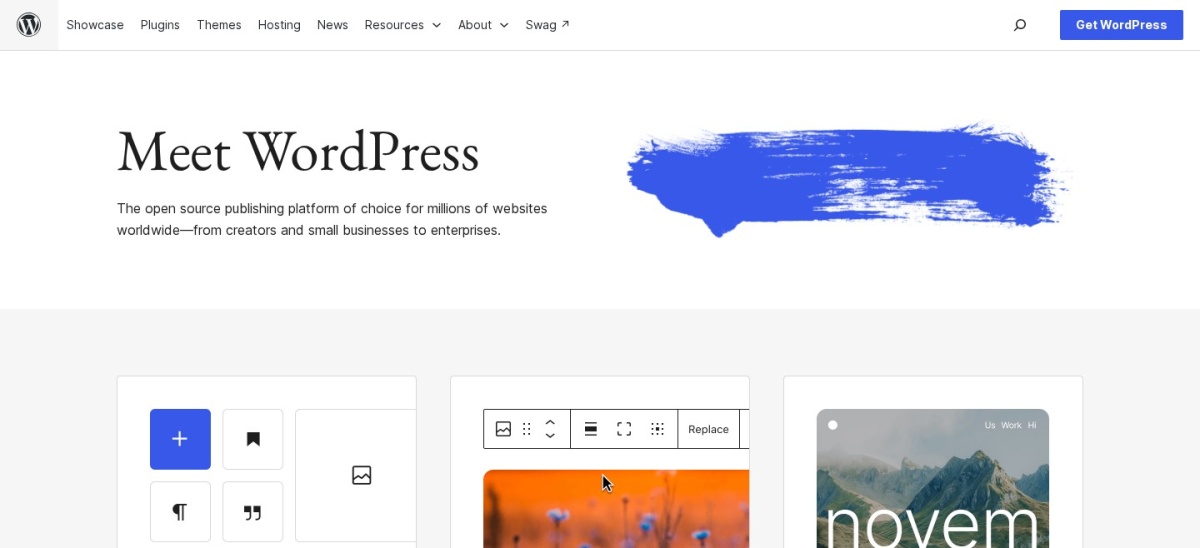
WordPress.org is free, open-source software that you install on your own hosting, so you keep every dollar you earn. You can run ads, affiliate links, memberships, courses and paid newsletters with any plugin, and there is no platform fee on any of it.
The trade off is upkeep. Hosting costs from about $3 a month, and you handle updates, backups and security yourself or pay for managed hosting. It suits bloggers who want full control and plan to earn for years.
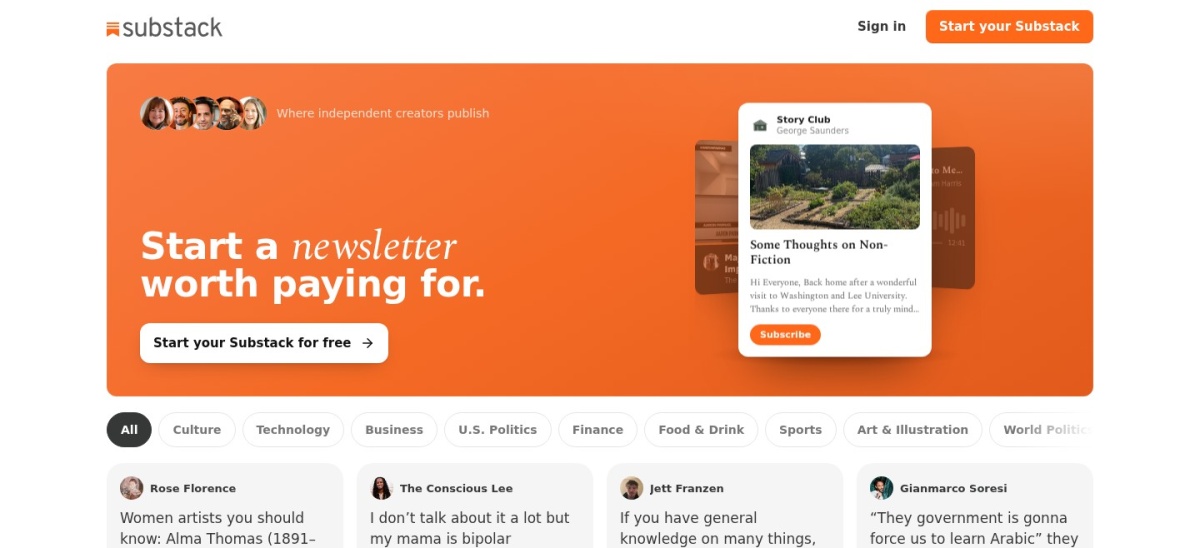
Substack is free to publish on, with no subscriber limit and no monthly bill. You can turn on paid subscriptions at any time, and its recommendation network helps new writers find readers without an existing list.
The trade off is the 10% cut. Substack keeps 10% of every paid subscription, plus Stripe fees of about 2.9% plus $0.30 per payment, and that share never falls. It suits writers starting from zero audience.
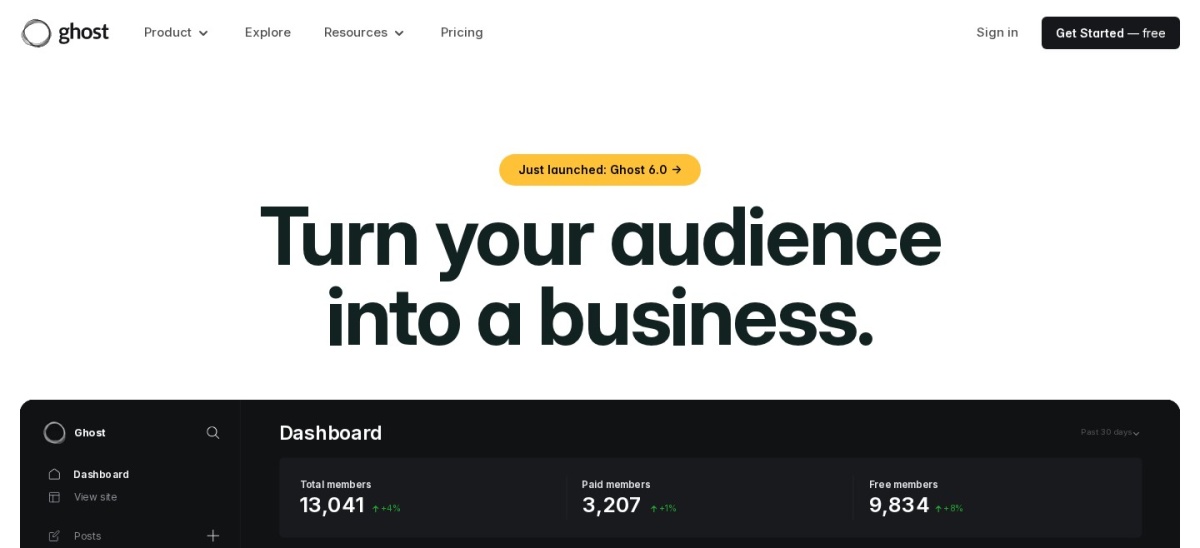
Ghost is a publishing platform with newsletters and memberships built in, and it takes 0% of paid subscription revenue. The hosted Starter plan costs $18 a month billed monthly, and the Publisher plan at $35 a month adds paid subscriptions and custom themes.
The trade off is the monthly bill. You pay from $18 a month before you earn anything, and the price rises with your member count. It suits independent publications whose subscriptions are the business.
What we like
0% platform fee on subscriptions
Newsletters and memberships built in
Fast, clean publishing experience
Watch out for
Monthly fee starts before you earn
No free plan, only a 14-day trial
Publisher adds paid subscriptions and custom themesVisit ghost.org
04
beehiiv
4.5/5on G2 (40 reviews, checked Nov 2026)
Paid from$59/mo
Best for stacking ads, subs and boosts
Free planUp to 2,500 subscribers
Lite plan$59/mo billed monthly
Revenue cut0% on paid subscriptions
Ad networkIncluded from Lite
beehiiv.com
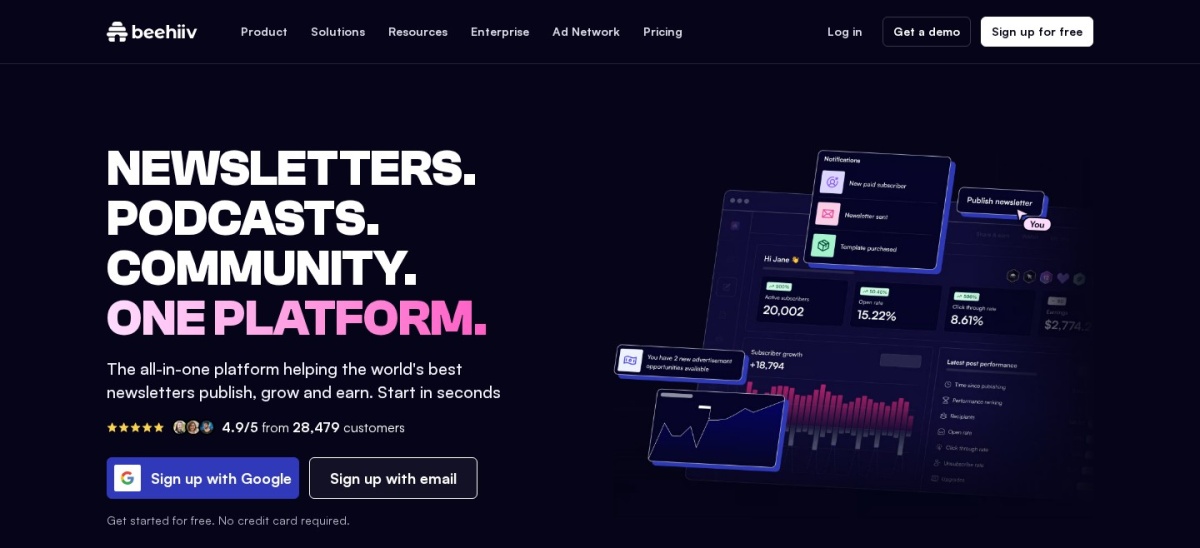
beehiiv homepage, captured Nov 2026.
beehiiv is a newsletter platform built to grow and monetize an audience, with an ad network, paid recommendations and boosts alongside subscriptions. The free plan covers up to 2,500 subscribers, and Lite costs $59 a month billed monthly with a 0% cut on paid subscriptions.
The trade off is price. Lite costs $59 a month, so it only pays off once your list earns real money. It suits writers whose blog is really a newsletter with a public archive.
Medium is a publishing platform with a large built-in readership, and its Partner Program pays writers from the time paying members spend reading their stories. Publishing is free, and the Member plan costs $5 a month or $50 a year.
The trade off is ownership. You do not own the subscriber list, a custom domain and the Partner Program both need the Member plan, and Medium sets the rules for distribution and pay. It suits new writers who need readers on day one.
What we like
Built-in audience from day one
No setup or hosting to manage
Partner Program needs no audience of your own
Watch out for
You cannot export a subscriber list
Payouts are small and platform-controlled
Member unlocks the Partner Program and a custom domainVisit medium.com
06
Kit
4.4/5on G2 (237 reviews, checked Nov 2026)
Paid from$39/mo
Best for monetizing through email funnels
Free planUp to 10,000 subscribers
Creator plan$39/mo billed monthly
Commerce fee3.5% + $0.30 per sale
AutomationIncluded on Creator
kit.com
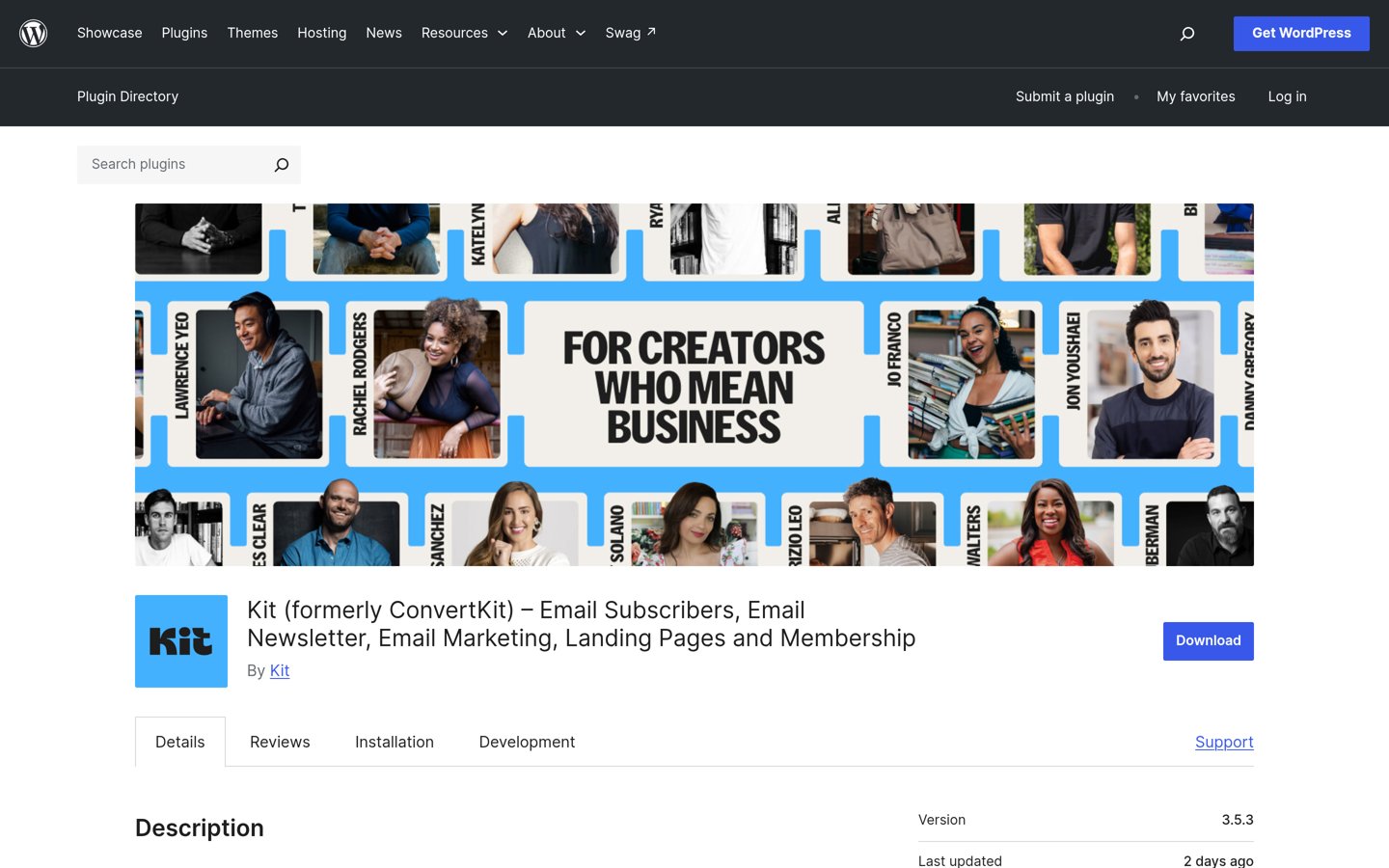
Kit homepage, captured Nov 2026.
Kit, formerly ConvertKit, is an email platform for creators who sell through funnels and digital products. The free plan covers up to 10,000 subscribers, and Creator costs $39 a month billed monthly with automation and paid products included.
The trade off is that Kit is an email tool first, not a blog. You still need a website for your posts, and commerce sales carry a 3.5% plus $0.30 fee. It suits creators who sell courses and products by email.
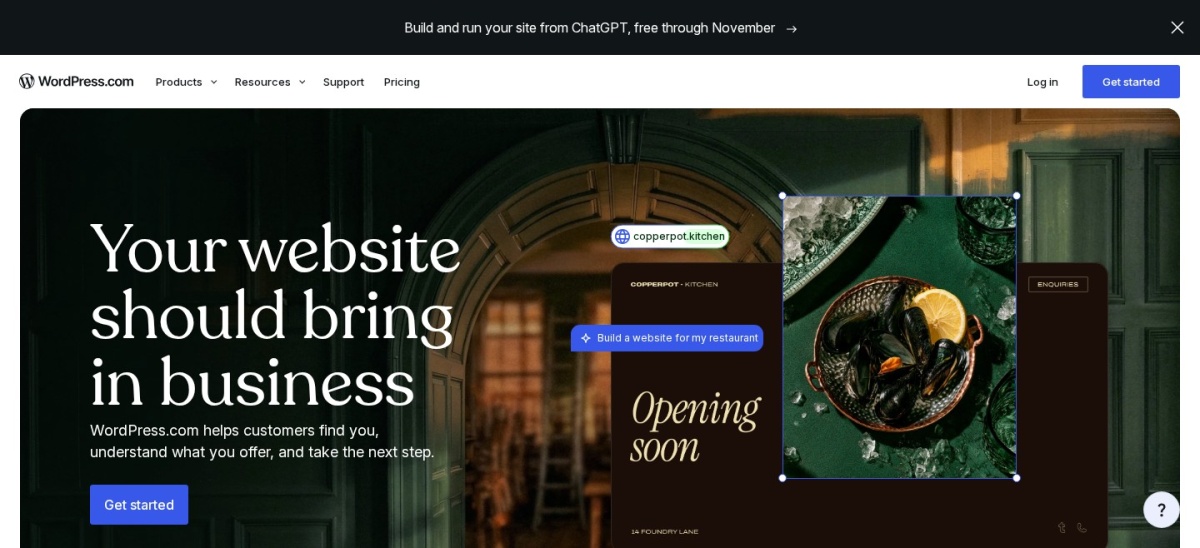
WordPress.com is the hosted version of WordPress, with a free plan and paid plans from Personal at $9 a month billed monthly. You can run paid newsletters and ads, and the platform fee on paid subscriptions falls from 10% on Free to 0% on Commerce.
The trade off is the fee ladder. Cheap plans take up to 10% of subscription revenue, and plugins and themes need the Business plan at $40 a month. It suits writers who want WordPress without server work.
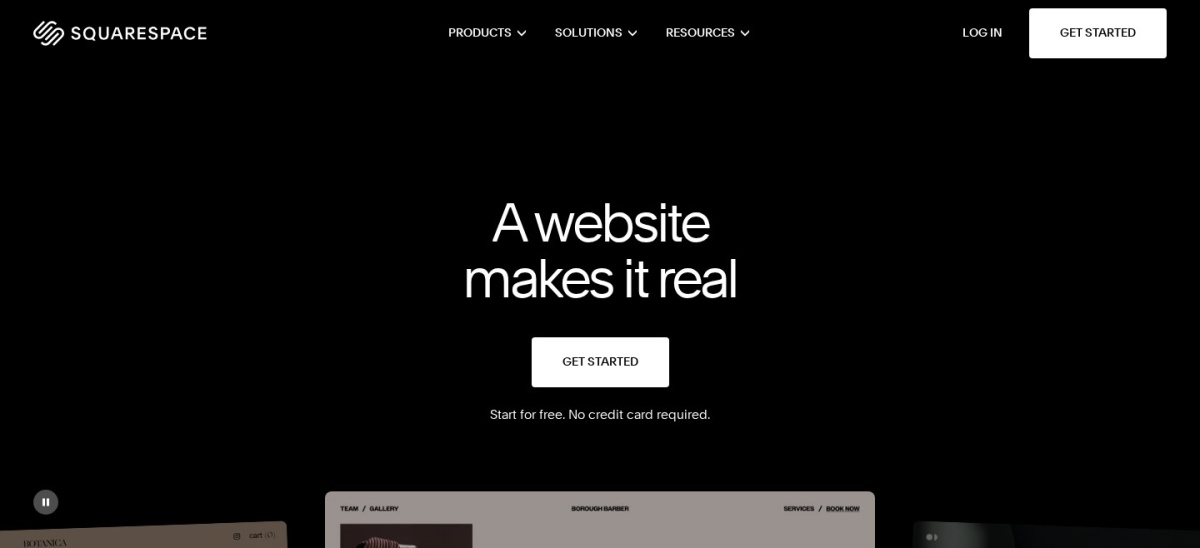
Squarespace is a website builder with a blog, memberships and courses built in, so a design-led blog can charge readers without extra tools. The Basic plan costs $25 a month billed monthly, with a 7% fee on digital content and memberships.
The trade off is the fee. The 7% cut on Basic only drops to 0% on the Core plan, so selling content costs more until you upgrade. It suits authors who want a polished portfolio and blog site with little setup.
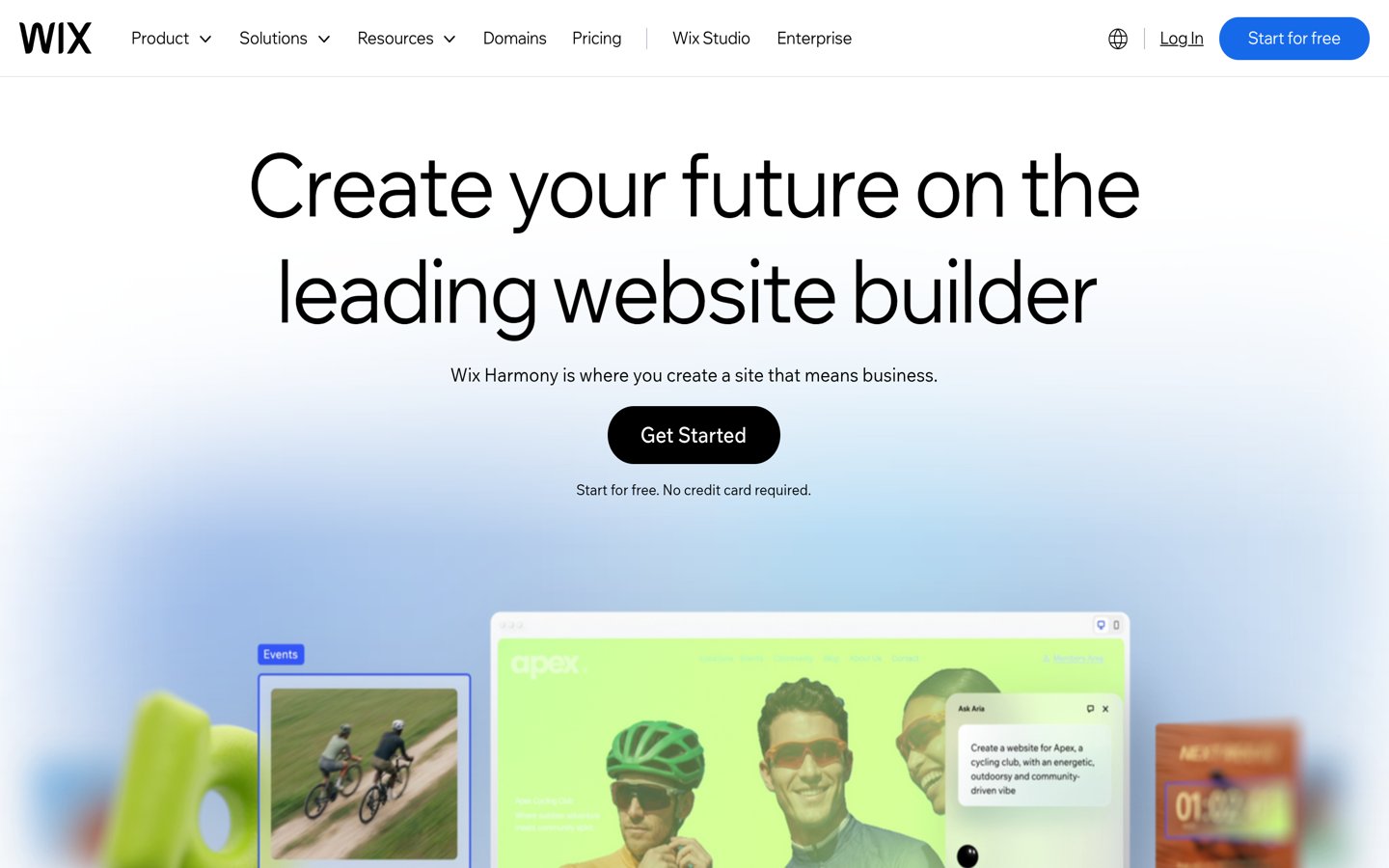
Wix is a website builder with a blog, email marketing and payments in one place, so a beginner can set up a monetized blog without code. The free plan carries Wix branding, Light costs $24 a month billed monthly, and Core adds payments.
The trade off is fees and lock-in. Membership fees run 4% on Core and only reach 0% on Elite, and moving a Wix site elsewhere is hard. It suits simple blogs where the blog supports a business.
What we like
Easiest setup in this list
Marketing tools built in
Free plan to start
Watch out for
Membership fees until the top plan
Hard to move your site away later
Core adds payments and lower membership feesVisit wix.com
Do the fee math before you pick
At $500 a month in subscriptions, Substack keeps $50, Ghost Publisher costs $35 and beehiiv Lite costs $59. Substack is cheapest at that level.
At $5,000 a month, Substack keeps $500, while Ghost and beehiiv still cost $35 and $59. Flat fees win once paid subscriptions pass a few hundred dollars a month.
Stripe fees apply on top everywhere, at about 2.9% plus $0.30 per payment, so include them in any comparison.
How we chose
We started from the blog platforms with public pricing pages and a real way to charge readers, then kept the nine with the clearest monetization options.
Prices come from each vendor's pricing page, checked on 23 November 2026. Ratings come from G2. Where a vendor shows a sale, the list shows the regular monthly-billed price.
We left out platforms with no way to charge readers and pure website builders without a blog. No vendor paid for a place, and we do not claim hands-on testing for this list.
How to choose a blog platform for monetization
Start with how you plan to earn, then check what the platform keeps.
Pick your main revenue model. Subscriptions, ads, affiliates and courses need different tools. Choose the platform built for the one you will rely on most.
Work out the fee crossover. Compare a percentage cut with a flat fee at your expected revenue. A 10% cut beats $59 a month until you pass about $590 a month.
Check who owns the audience. If you may move later, pick a platform that lets you export your email list and your content.
Count the full monthly cost. Add hosting, the plan fee and payment fees together. A free platform with a 10% cut can cost more than a $35 flat fee.
FAQ
What is the best blog platform for monetization?
WordPress.org is the best pick overall, because the software is free and it takes no cut of any revenue. You pay only for hosting, and you can use any ads, affiliate or membership plugin.
Is Substack or Ghost better for paid newsletters?
Substack is cheaper to start, since it is free until you charge readers. Ghost is cheaper once you earn, because its flat fee replaces Substack's 10% cut of every payment.
Can I monetize a blog for free?
Yes. Substack and Medium let you publish free, and WordPress.org software is free if you have hosting. Substack takes 10% of paid subscriptions, and Medium pays through its Partner Program.
Does WordPress.com take a cut of my revenue?
Yes, on cheaper plans. The fee on paid subscriptions is 10% on Free, 8% on Personal, 4% on Premium, 2% on Business and 0% on Commerce, plus Stripe fees.
What is the cheapest way to sell memberships?
Ghost Publisher at $35 a month billed monthly is the cheapest flat-fee route with a 0% cut. WordPress.org with a membership plugin can cost less if you already pay for hosting.
Can I run ads on any blog platform?
Most platforms allow ads, but the terms differ. WordPress.org and Ghost give you full control, while Medium and Substack limit ad options and Wix and Squarespace take fees on some plans.