Best Billing and Inventory Management Software in 2026: 9 Tools Compared
WLWPLegible EditorsLast verified 23 Nov 2026How we rank12 min read
★ Short answer
QuickBooks Online is the best billing and inventory software for most small businesses. It covers invoicing and billing, with inventory on the $140 Plus plan, rated 4.0 out of 5 on G2. Pick Zoho Books for the lowest cost and Xero when your team hates per-user fees.
How we make this list: we compare pricing pages, product documentation and public user reviews, then re-check every price before each update. No product paid for a place. Disclosure.
QuickBooks Online is the default ledger, from $38 a month, with inventory on Plus at $140.
Zoho Books is the value pick: a free ledger, with Standard at $20 a month.
Xero includes inventory on every plan from $27 a month, with unlimited users.
Wave and Square Invoices both bill free, but Wave has no inventory tracking at all.
Prices run from free to $349 a month for Cin7 Core, built for multichannel sellers.
What billing and inventory software should cover
Billing and inventory software has to do two jobs at once: get invoices paid and keep stock counts honest. A sale should reduce stock, and a purchase order should raise it, without anyone retyping numbers.
The first check is where inventory lives. Xero includes stock on every plan, Zoho Books keeps it on Professional, and QuickBooks keeps it on Plus, so the entry price is not the price of the job.
The second check is whether you need a ledger at all. Square Invoices and BILL handle billing and payments well, but they sit beside accounting software instead of replacing it.
Our guide to free vs premium plugins makes the same point for WordPress: check what the free plan leaves out before you commit to a paid tier.
The 9 best billing and inventory management software
01
QuickBooks Online
4/5on G2 (3,871 reviews, checked Nov 2026)
Paid from$38/mo
Best billing and inventory software overall
InvoicingYes, unlimited
InventoryPlus plan, $140/mo
Free planYes, limited
Starting price$38/mo Simple Start
quickbooks.intuit.com
QuickBooks Online homepage, captured Nov 2026.
QuickBooks Online is the default small-business ledger in the US. It covers invoicing, bills, bank feeds and reports, and the Plus plan at $140 a month adds inventory tracking and project profitability. Simple Start costs $38 a month, and it is rated 4.0 out of 5 on G2 from 3,871 reviews.
The trade off is that inventory is not on the entry plan. Simple Start has no stock tracking, so real inventory work needs Plus, and the price climbs with users. It suits businesses whose accountant already works in QuickBooks.
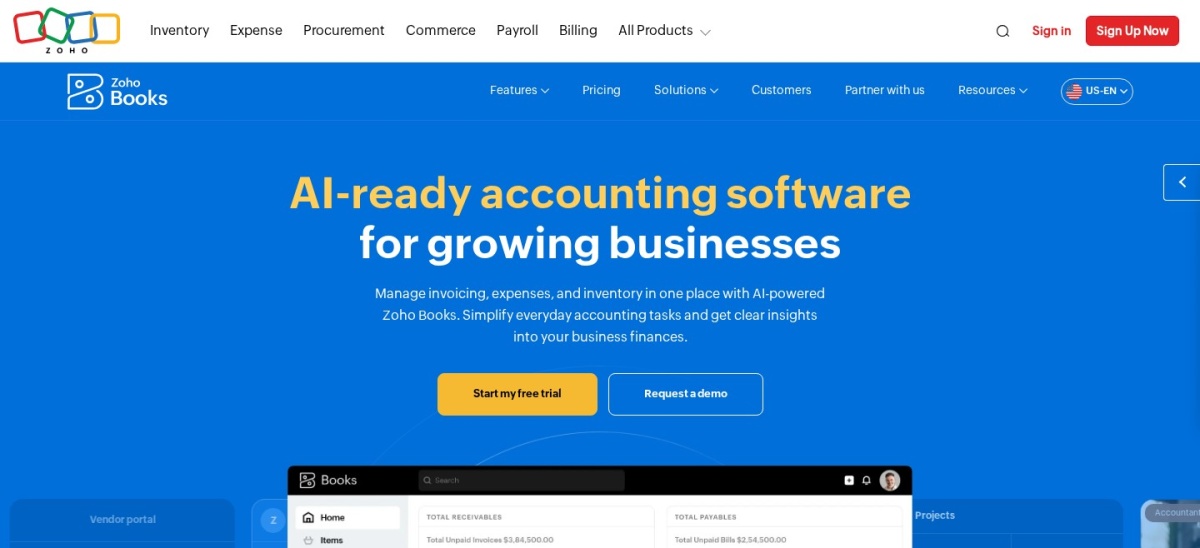
Zoho Books is a full double-entry ledger with invoicing, expenses and bank reconciliation. The free plan covers businesses under $50,000 in annual revenue, and Standard costs $20 a month for 3 users and 5,000 invoices a year. It is rated 4.4 out of 5 on G2 from 329 reviews.
The trade off is that inventory sits on the Professional plan at $50 a month, not Standard. It suits small businesses that want real accounting free or nearly free, especially those already using Zoho apps.
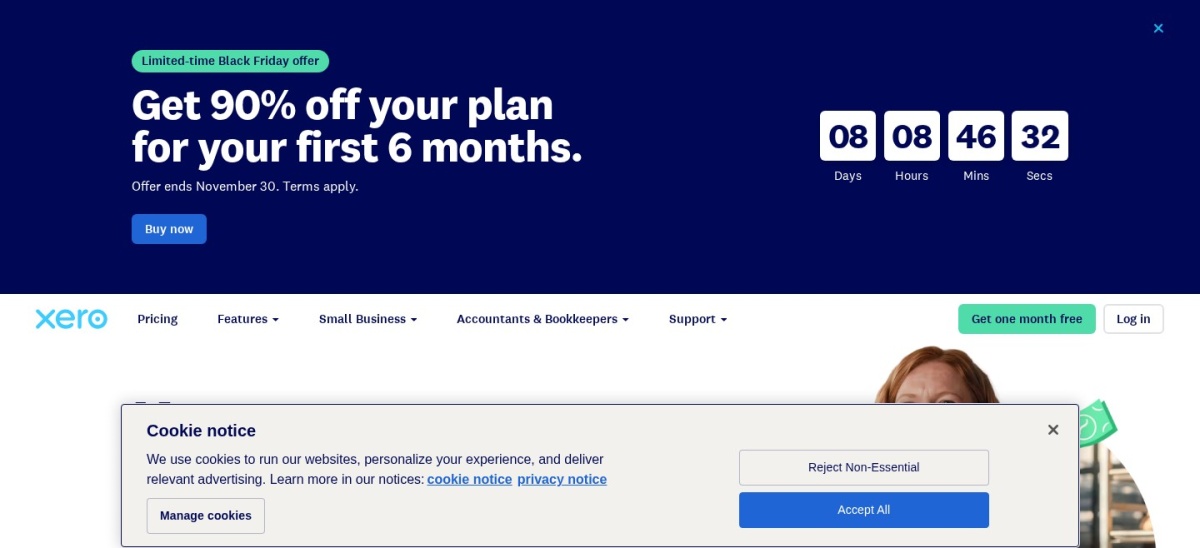
Xero is a cloud ledger with invoicing, bank reconciliation, receipt capture and core inventory for up to 4,000 items on every plan. Early costs $27 a month and includes unlimited users, so a three-person team pays the same as a solo owner. It is rated 4.4 out of 5 on G2 from 1,832 reviews.
The trade off is the Early cap. It allows only 20 invoices and 5 bills a month, so most active businesses need Growing at $59 a month. It suits teams that hate per-seat fees and want clean bank reconciliation.
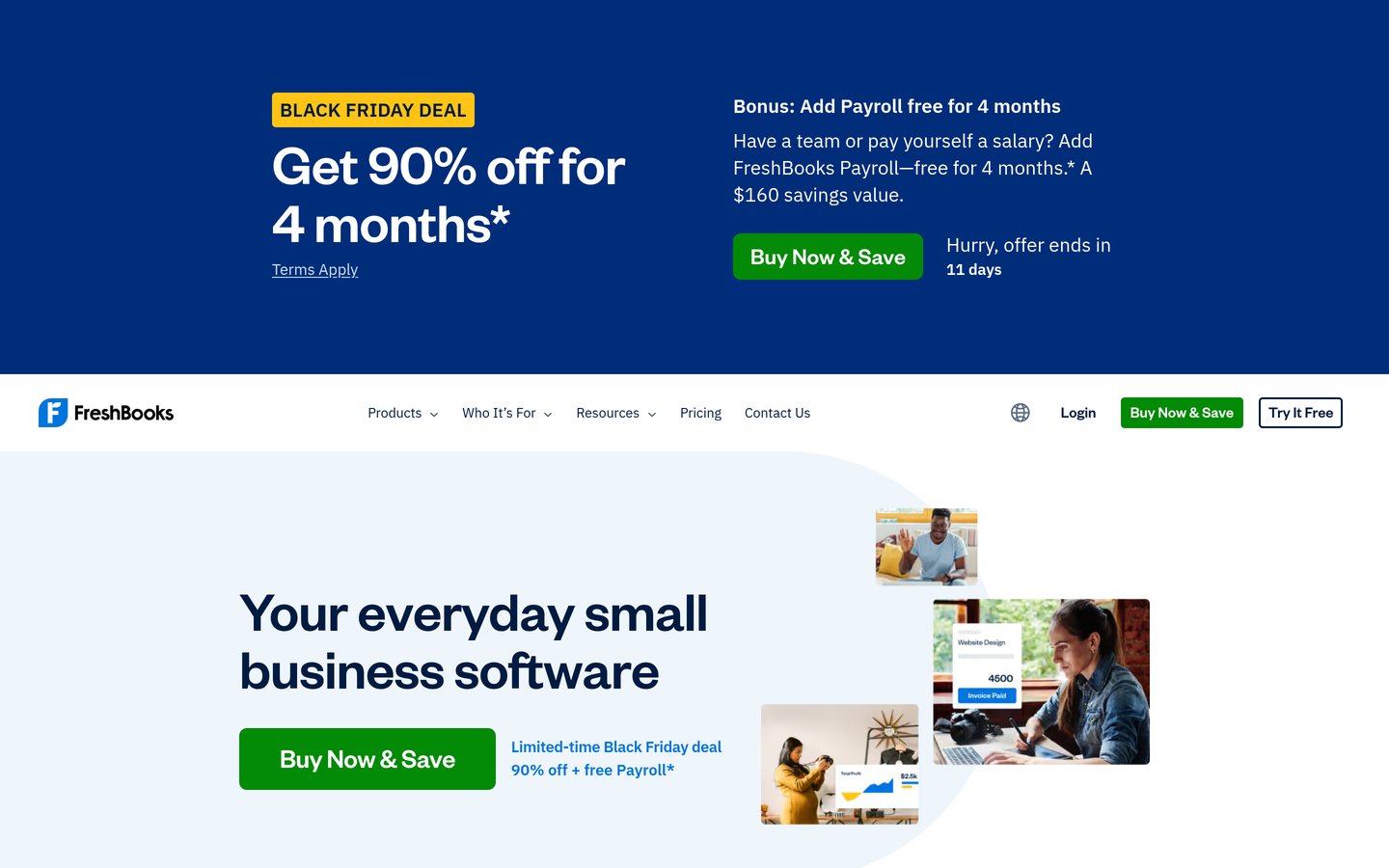
FreshBooks is built around the invoice: unlimited invoicing, recurring invoices, payment reminders, estimates and time tracking that feed straight into the bill. Lite costs $23 a month for 5 billable clients, and it is rated 4.5 out of 5 on G2 from 981 reviews.
The trade off is the client cap and light inventory. Lite stops at 5 billable clients, so most working businesses land on Plus at $43 a month, and stock tracking is limited. It suits service businesses that live on invoices and billable hours.
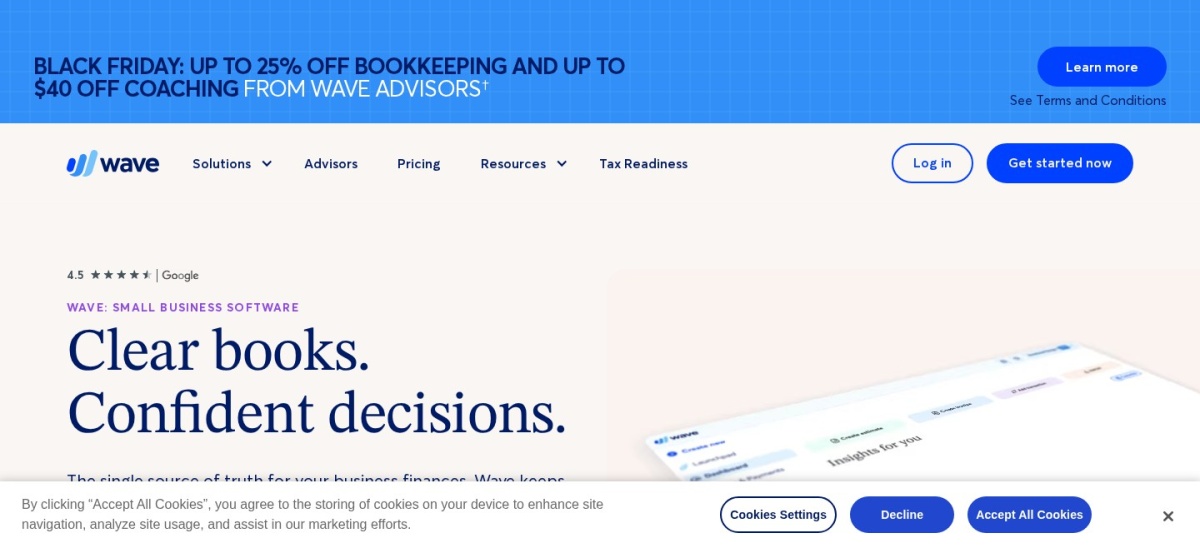
Wave is a free invoicing and accounting app that offers unlimited invoices, estimates, bills and a double-entry ledger for $0 on the Starter plan. Pro at $19 a month adds receipt scanning and bank connections. It is rated 4.3 out of 5 on G2 from 328 reviews.
The trade off is inventory. Wave has no stock tracking at all, so it fits service businesses and sellers with no stock, not product businesses. It suits sole proprietors who want free billing plus bookkeeping.
Square Invoices is free, unlimited and simple: create an invoice, send it and get paid by card, with payment processing fees only when money moves. Businesses already using Square for point of sale get one system where in-person and invoiced payments land together. It is rated 4.7 out of 5 on G2 from 217 reviews.
The trade off is accounting depth. Square Invoices is a billing tool, not a full ledger, so businesses that need double-entry books pair it with accounting software. It suits sellers who already take payments through Square.
Odoo is an open-source ERP suite that covers invoicing, inventory, sales, purchasing and accounting in one database. The Standard plan costs $24.90 per user a month billed yearly and includes every app. It is rated 4.2 out of 5 on G2 from 354 reviews.
The trade off is setup. Odoo needs configuration before billing and inventory fit a real business, and that often means a partner. It suits firms that want billing and stock inside one system instead of several subscriptions.
Best billing and inventory for multichannel sellers
InvoicingVia sales orders
InventoryYes, unlimited locations
Free planNo, 14-day trial
Starting price$349/mo
cin7.com
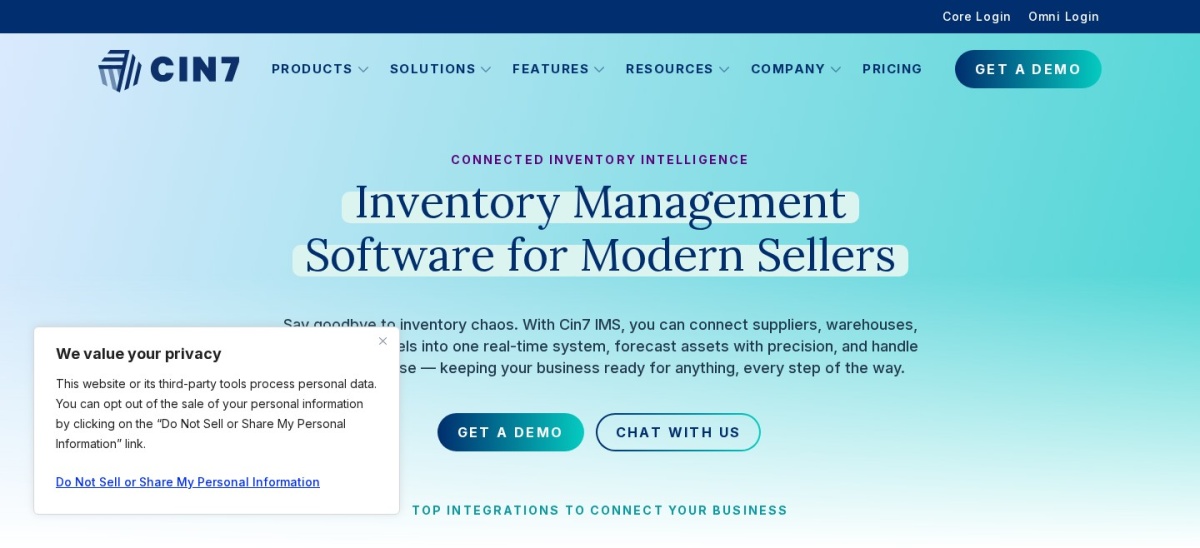
Cin7 Core homepage, captured Nov 2026.
Cin7 Core is inventory and order software for brands selling on Shopify, Amazon and wholesale at once. It covers purchasing, stock across unlimited locations, sales orders and assembly BOMs, with 700-plus integrations. It is rated 4.3 out of 5 on G2 from 350 reviews.
The trade off is price and scope. At $349 a month it is built for growing brands, not solo shops, and billing is order-based rather than a full ledger. It suits multichannel sellers who need stock truth across channels.
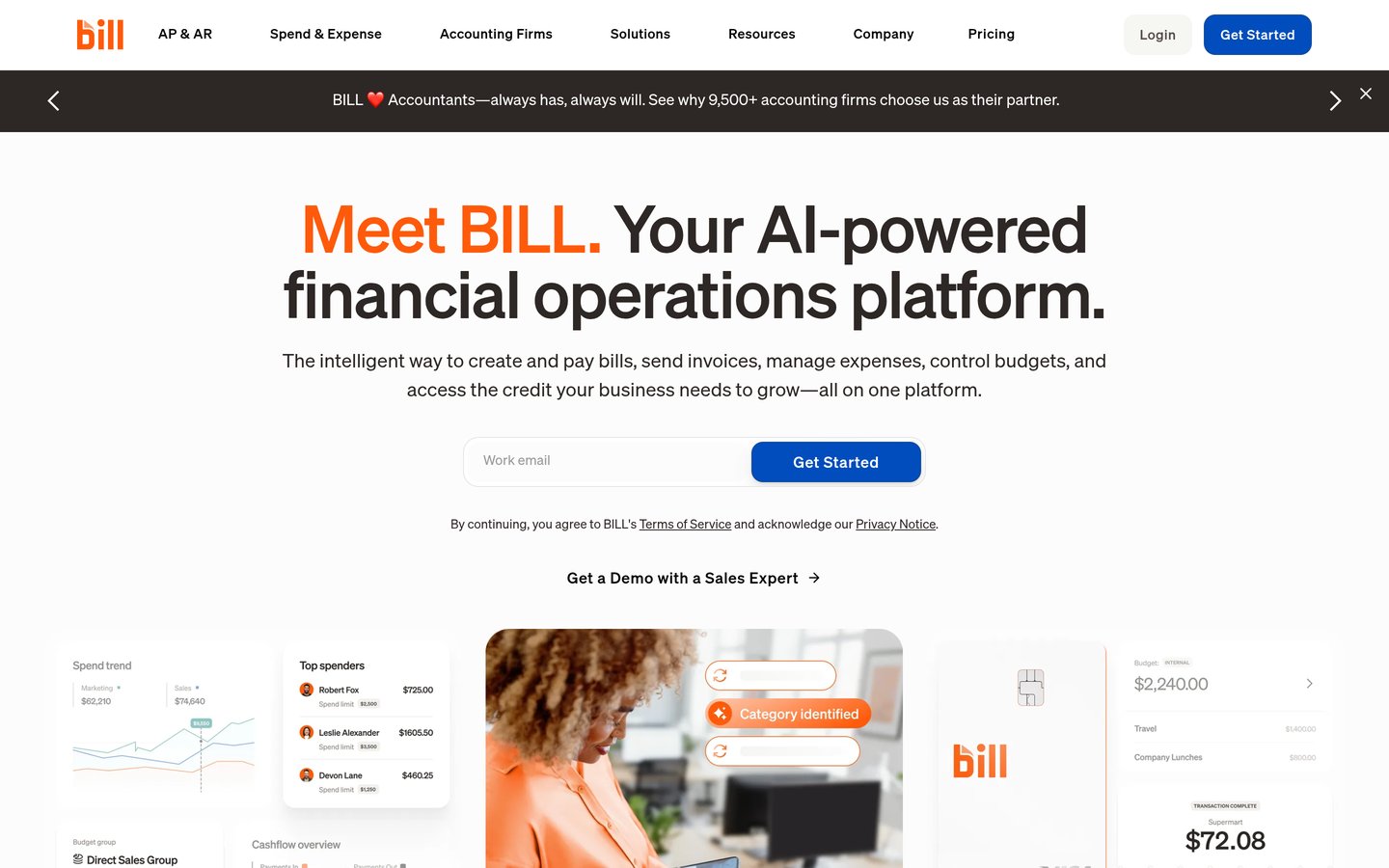
BILL is a financial operations platform, formerly Bill.com, that automates accounts payable and receivable: bills are captured, approved and paid, and invoices go out with payment links. Plans start at $49 per user a month, and it is rated 4.4 out of 5 on G2 from 4,194 reviews.
The trade off is that it is not a ledger. BILL sits beside accounting software such as QuickBooks or Xero rather than replacing it, so the total stack costs more. It suits businesses drowning in supplier bills and approvals.
Free plans cover billing well. Wave and Square Invoices send unlimited invoices for $0, and Zoho Books runs a real ledger free under $50,000 in revenue.
Paid plans mostly add inventory and scale. Stock tracking, more users and more invoices sit on paid tiers, and the jump from free to paid is often $20 to $60 a month.
If you sell physical products, inventory is not optional, so price the plan that includes it. If you sell services, a free billing tool may be all you need.
How we chose
We started from the tools most often named in 2026 comparisons for this job, then kept 9 established products with published prices and a public review footprint.
Prices come from each vendor's pricing page, checked on 23 November 2026, with the top 3 read on their official pages. Ratings are G2, Capterra or App Store scores from the same week. Where a vendor shows a sale, the list shows the regular price.
We left out tools with no published price and niche products with too few reviews to judge. No vendor paid for a place, and we do not claim hands-on testing for this list.
How to choose billing and inventory software
Start with what you sell, then match the plan to the stock you hold.
Count your products first. If you hold stock, you need real inventory tracking, which rules out Wave and pushes you toward Xero, Zoho Books Professional or QuickBooks Plus.
Check the invoice limits. Xero Early stops at 20 invoices a month and FreshBooks Lite at 5 clients, so growing businesses outgrow entry plans fast.
Match your accountant. Most accountants already work in QuickBooks or Xero, which saves time at tax season.
Add up the whole stack. BILL and Square Invoices need a ledger beside them, so compare the combined monthly cost, not one subscription alone.
FAQ
What is billing and inventory management software?
Billing and inventory management software sends invoices, tracks payments and keeps stock counts in one system. A sale reduces stock automatically, and a purchase order raises it, so the books and the warehouse agree.
Which billing and inventory software is best for small business?
QuickBooks Online is the best pick for most small businesses, with invoicing from $38 a month and inventory on Plus at $140. Zoho Books is the best value, and Xero is best for teams.
How much does billing and inventory software cost?
Entry prices here run from free for Wave and Square Invoices to $38 a month for QuickBooks and $349 a month for Cin7 Core. The plan that includes inventory usually costs $50 to $140 a month.
Does Wave track inventory?
No. Wave offers free invoicing and accounting but no stock tracking at all. Product businesses should look at Xero, Zoho Books Professional or QuickBooks Plus instead.
Can I use Square Invoices for accounting?
Not on its own. Square Invoices handles billing and payments, but it is not a full ledger, so most businesses pair it with accounting software such as QuickBooks or Xero.
Do I need BILL if I already have QuickBooks?
Only if payables are a burden. BILL automates bill capture, approvals and payments, which QuickBooks alone does not, but it adds $49 per user a month on top of the ledger.