Best B2B Lead Generation Software in 2026: 9 Tools Compared
WLWPLegible EditorsLast verified 22 Nov 2026How we rank13 min read
★ Short answer
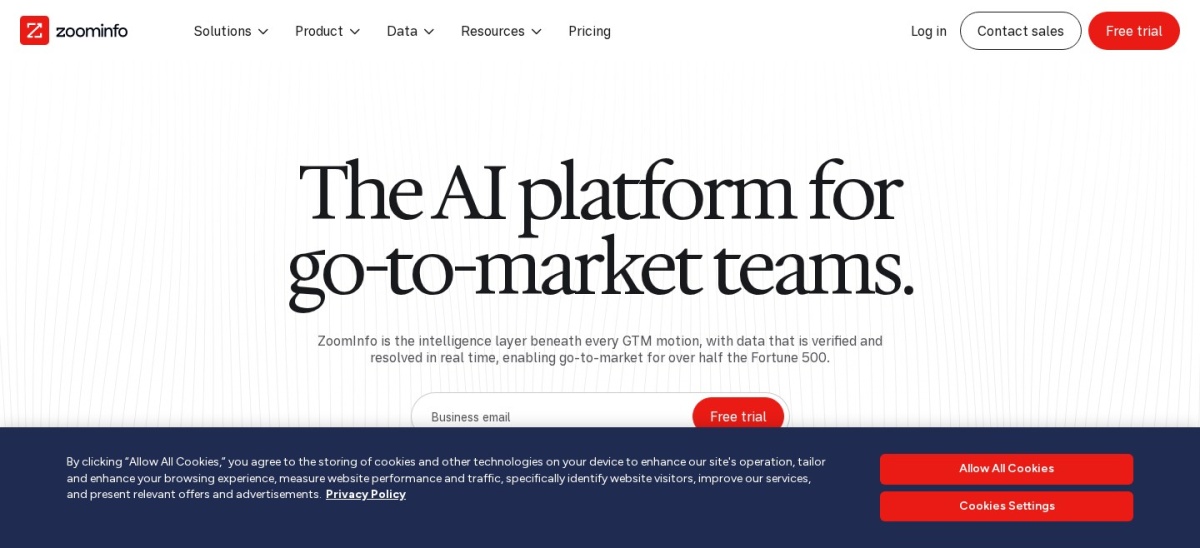
ZoomInfo is the best B2B lead generation software for teams that need the deepest company and contact data, rated 4.4 out of 5 on G2 from 5,876 reviews. Pick Apollo.io for data plus outreach from $49 a month, or LinkedIn Sales Navigator for prospecting inside LinkedIn.
How we make this list: we compare pricing pages, product documentation and public user reviews, then re-check every price before each update. No product paid for a place. Disclosure.
ZoomInfo has the deepest B2B data and intent signals, rated 4.4/5 on G2 from 5,876 reviews, but pricing is quoted and starts near $14,995 a year.
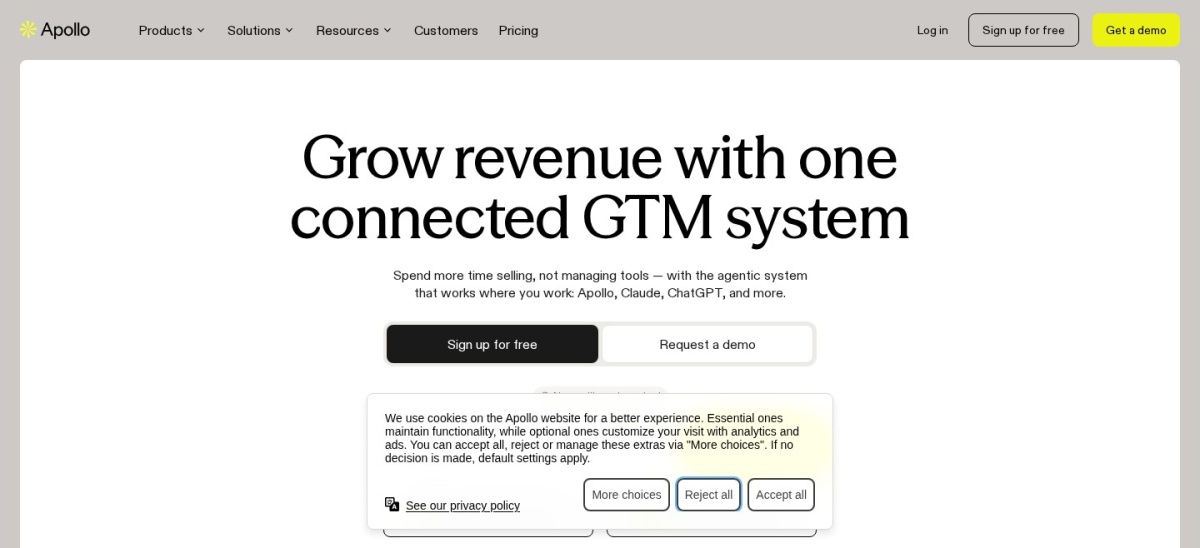
Apollo.io is the best all-in-one value: database, sequences and a dialer from $49 a month per seat, with a free plan to start.
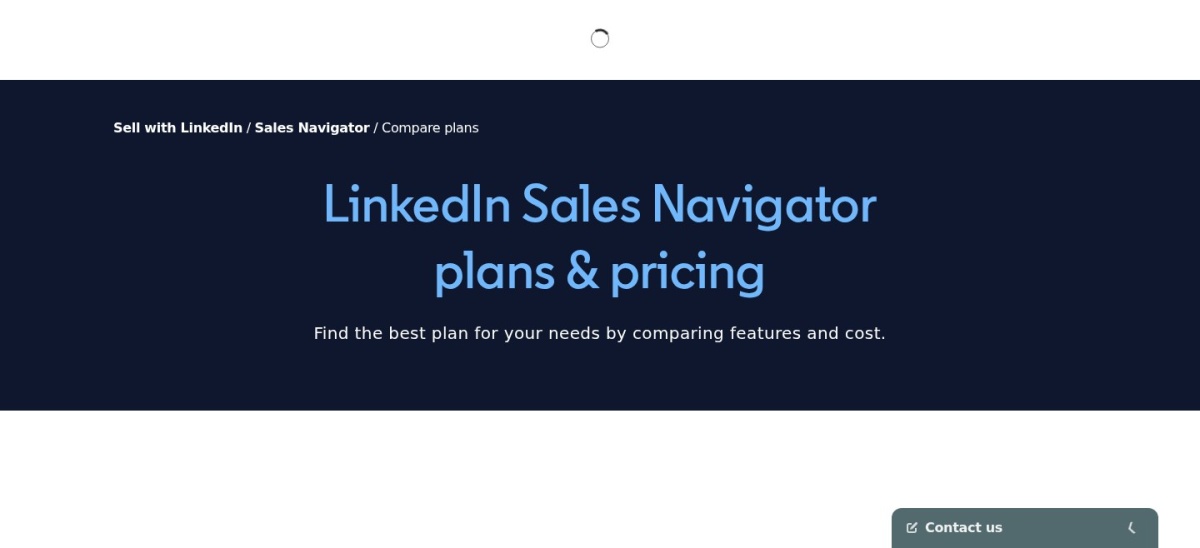
LinkedIn Sales Navigator Core costs $119.99 a month and is the only way to prospect with LinkedIn's own filters and InMail.
Lusha and Hunter are the cheapest quick lookups, from about $49 a month, with free plans for a few dozen credits a month.
Leadfeeder is the only tool here that names companies visiting your site, from $79 a month, with a free Lite plan.
What B2B lead generation software should cover
B2B lead generation splits into three jobs: finding contacts, verifying them, and reaching them. Some tools do one job well, while Apollo and HubSpot try to cover all three.
Data quality is the real difference between these tools. Reported email accuracy runs from about 65% to 85% depending on the vendor, so a cheap database that returns wrong addresses costs more in bounced mail and wasted calls.
Pricing is mostly quoted at the top and published at the bottom. ZoomInfo and Cognism sell annual contracts through sales, while Apollo, Lusha and Hunter publish prices you can check in a minute. Our guide on growing an email list with WordPress covers the inbound side of the same job.
Credits are the hidden meter. Most tools ration how many contacts you can reveal or export each month, so compare credit allowances, not just the monthly price.
ZoomInfo is a B2B market intelligence platform with one of the largest contact and company databases, plus buyer intent signals, org charts and workflows. Its Professional plan is reported near $14,995 a year with 5,000 bulk credits, and it is rated 4.4 out of 5 on G2 from 5,876 reviews.
The trade off is price and the contract. Every plan is quoted, needs an annual deal with a 3-seat minimum, and extra seats and add-ons push most teams to $30,000 to $60,000 a year. It suits mid-market and enterprise teams that sell on data depth.
Apollo.io is a sales platform that combines a database of 275 million contacts with email sequences, a dialer and CRM integrations. Its free plan covers 1 seat with capped credits, and Basic costs $49 a month per seat billed yearly, with unlimited email sequences.
The trade off is data accuracy. Apollo is reported at 65% to 80% real-world accuracy, below ZoomInfo, and credits expire each month. It suits small teams that want prospecting and outreach in one subscription.
What we like
Database, sequences and dialer in one tool
Free plan with no card required
Highest G2 rating in this list at 4.7/5
Watch out for
Lower reported accuracy than ZoomInfo
Credits expire monthly and do not roll over
Dialer only covers US and Canada on Pro
Professional at $79 a month adds the dialer and intentVisit apollo.io
03
LinkedIn Sales Navigator
4.3/5on G2 (1,995 reviews, checked Nov 2026)
Starts at$119.99/mo
Best for prospecting inside LinkedIn
InMails50/mo on every plan
Search filtersAdvanced, 40+ filters
CRM syncAdvanced and Plus
Paid planCore, $119.99/mo
business.linkedin.com
LinkedIn Sales Navigator homepage, captured Nov 2026.
LinkedIn Sales Navigator is LinkedIn's own prospecting tool, with advanced search, saved leads, account insights and 50 InMails a month on every plan. Core costs $119.99 a month, or $1,079.88 a year, and Advanced adds TeamLink and shared account maps.
The trade off is that it is a finder, not a full outreach tool. There is no email database or sequencing built in, so most teams pair it with Apollo or Hunter. It suits sellers whose buyers live on LinkedIn.
Lusha is a contact lookup tool built around a Chrome extension that reveals emails and phone numbers from a LinkedIn profile or company page. Its database claims 290 million contacts and 117 million direct dials, and the free plan gives 40 credits a month.
The trade off is the credit model. An email costs 1 credit and a phone costs 5, so heavy phone users burn through Starter fast. Starter costs $49.90 a month, or $37.45 billed yearly, with 400 credits a month. It suits reps who check contacts one at a time.
What we like
Fastest lookup in this list, one click
Free plan with 40 credits a month
Works on LinkedIn, CRMs and company sites
Watch out for
Phone numbers cost 5 credits each
Small credit pool on the Starter plan
Accuracy varies outside the US
Pro at $69.90 a month adds seats and more creditsVisit lusha.com
05
Cognism
4.5/5on G2 (807 reviews, checked Nov 2026)
PricingCustom/yr
Best for European data and verified mobiles
Verified mobiles10M+ contacts
Seats5 included per package
Intent dataBombora, on Pro
Paid planCustom, annual
cognism.com
Cognism homepage, captured Nov 2026.
Cognism is a B2B data platform built for teams selling into the UK and Europe, with phone-verified mobile numbers and GDPR-focused sourcing. Its Diamond Data set holds more than 10 million human-verified mobiles, and it refreshes senior-level data every 30 days.
The trade off is price. Cognism publishes no prices, and buyer reports put contracts near $15,000 to $22,500 a year for 5 seats. It suits sales teams that call mobiles and need compliant European data.
Seamless.AI is a real-time contact search tool with 1.8 billion emails and 414 million phones in its database, plus buyer intent and AI writing tools. Its free plan gives 50 lifetime credits, and paid plans are quoted on annual contracts, with Basic reported near $147 a user a month.
The trade off is the quote process and the credit model. Paid plans are sold by quote with annual terms, and credits expire, so costs are hard to predict before a sales call. It suits teams that search in high volume and want fresh data.
Leadfeeder, now the name for the Dealfront group, identifies the companies visiting your website and tracks what they looked at. Its Lite plan is free and shows the last 100 companies a month, and Discover starts at $79 a month billed yearly for up to 50 identified companies.
The trade off is the meter. The price rises with the number of companies identified, and verified emails, phones and intent filters start on Activate at $369 a month. It suits teams with real website traffic that want to know who is already looking.
Hunter.io finds and verifies professional email addresses from a company domain, with a free plan of 50 credits a month. Starter costs $49 a month, or $34 a month billed yearly, with 2,000 credits a month and unlimited users, and it adds simple campaigns and verification.
The trade off is scope. Hunter finds emails only, with no phone numbers and no company database, so it pairs with another tool rather than replacing one. It suits small teams that need clean emails fast.
What we like
Cheapest paid plan in this list
Unlimited users on every plan
Verification built into every search
Watch out for
Emails only, no phone numbers
No company database or intent data
Credit pool is small on the free plan
Growth at $99 a month adds more credits and seatsVisit hunter.io
09
Clearbit
4.4/5on G2 (633 reviews, checked Nov 2026)
PricingCustom/yr
Best for enrichment inside HubSpot
Attributes40+ per record
Sold asBreeze Intelligence
Free planNo, sunset 2025
Paid planHubSpot Credits
clearbit.com
Clearbit homepage, captured Nov 2026.
Clearbit is a company and contact enrichment tool, now sold as Breeze Intelligence inside HubSpot after the free Clearbit Platform was sunset in April 2025. It enriches records with 40+ firmographic, demographic and technographic attributes, shortens forms and adds visitor intent.
The trade off is access. There is no standalone price: it is bought with HubSpot Credits inside a HubSpot subscription, so non-HubSpot teams cannot buy it alone. It suits HubSpot customers who want enrichment without a second vendor.
Almost every tool here charges by credits, seats or both. Apollo gives 30,000 credits a year on Basic, Lusha gives 400 credits a month on Starter, and Hunter gives 2,000 credits a month on Starter.
Credits expire monthly on most plans and do not roll over, so a plan that looks cheap can run out mid-month. Check how many credits a mobile number costs before you buy.
ZoomInfo and Cognism use annual credit pools instead, which suits teams that export in bursts, but unused credits still lapse at renewal.
How we chose
We started from the lead generation tools most often named in 2026 B2B comparisons, then kept 9 established products with published prices or a public review footprint on G2.
Prices come from each vendor's pricing page or, where the vendor publishes none, from buyer-reported contract data, checked on 22 November 2026. Ratings are G2 scores from the same week. Where a vendor shows a sale, the list shows the regular price.
We left out tools with no published price and no review footprint, and niche scrapers with too few reviews to judge. No vendor paid for a place, and we do not claim hands-on testing for this list.
How to choose B2B lead generation software
Start with where your leads come from, then check data accuracy, credits and contract terms.
Decide database or visitor tracking first. If you need new names, pick a database such as ZoomInfo or Apollo. If you have traffic, Leadfeeder tells you who is already visiting.
Test accuracy on your own list. Use the free plan to check 50 contacts you already know. A tool that misses your own customers will miss your prospects too.
Count credits, not just the monthly price. A $49 plan with 400 credits costs more per contact than a $99 plan with 4,000. Mobile numbers cost up to 8 credits each on some tools.
Check the contract before you commit. ZoomInfo, Cognism and Seamless.AI need annual deals. Apollo, Lusha and Hunter sell month to month, so you can leave if the data disappoints.
FAQ
What is the best B2B lead generation software?
ZoomInfo is the best pick for data depth, rated 4.4 out of 5 on G2 from 5,876 reviews, with the largest B2B database and intent signals. Apollo.io is the best value, with data plus outreach from $49 a month.
How much does ZoomInfo cost?
ZoomInfo does not publish pricing. Buyer-reported figures put Professional near $14,995 a year, Advanced near $24,995 and Elite near $39,995, all on annual contracts with a 3-seat minimum.
Is there a free B2B lead generation tool?
Yes. Apollo, Lusha, Hunter and Leadfeeder all have free plans, and ZoomInfo Lite is free with up to 10 contacts a month. Free plans cap credits tightly, so they suit testing, not full pipelines.
What is the cheapest lead generation software here?
Hunter Starter is $49 a month, or $34 a month billed yearly, and Apollo Basic is $49 a month per seat billed yearly. Lusha Starter is $49.90 a month, or $37.45 billed yearly.
Does Apollo or ZoomInfo have better data?
ZoomInfo is usually rated more accurate, with reported phone accuracy of 75% to 85% against Apollo's 65% to 80%. Apollo wins on price and on bundling outreach with the database.
What does Leadfeeder do that the others do not?
Leadfeeder identifies the companies visiting your website, even when nobody fills in a form. It is the only tool here that works from your own traffic instead of a bought database.