Best Automation Testing Tools in 2026: 9 Tools Compared
WLWPLegible EditorsLast verified 24 Nov 2026How we rank14 min read
★ Short answer
Playwright is the best automation testing tool for most teams: it is free, open source, runs tests across Chromium, Firefox and WebKit, and holds a 4.8 out of 5 rating on G2. Pick Cypress for JavaScript teams that want cloud recording, and Selenium for the widest language choice.
How we make this list: we compare pricing pages, product documentation and public user reviews, then re-check every price before each update. No product paid for a place. Disclosure.
Playwright is the top pick: free, open source, rated 4.8/5 on G2, with one API for Chromium, Firefox and WebKit.
Cypress is the best paid upgrade for JavaScript teams: the app is free, and Cloud Team costs $799 a year for 50 users.
Selenium and Appium cost nothing and cover the widest ground: Selenium for browsers in six languages, Appium for iOS and Android apps.
Katalon is the low-code pick, but Professional costs $1,800 per seat a year and CI runs need a separate add-on.
Cloud grids start at $29 a month for LambdaTest Linux automation and $39 a month for Sauce Labs, against $59 a month for BrowserStack Automate Chrome.
TestComplete is the priciest pick here at $3,598 a year, aimed at enterprise desktop testing.
What to look for in an automation testing tool
Automation testing tools run your app the way a user would, then report what broke. They catch regressions before release, so a small change does not silently break checkout or login.
There are two kinds of tool here. Frameworks such as Playwright, Cypress, Selenium and Appium run on your machines and cost nothing. Cloud grids such as BrowserStack, LambdaTest and Sauce Labs run your tests on their browsers and devices, and charge by parallel session.
Pick by what you test. Web apps need a browser framework or grid. Mobile apps need Appium or a device cloud. Desktop apps narrow the field to Katalon and TestComplete.
Prices change often, so confirm the figure on the vendor pricing page before budgeting. Ratings here come from G2, checked on 24 November 2026. The same check-first habit helps with hosting: our guide on testing a host's speed before you buy shows how to measure a host before committing.
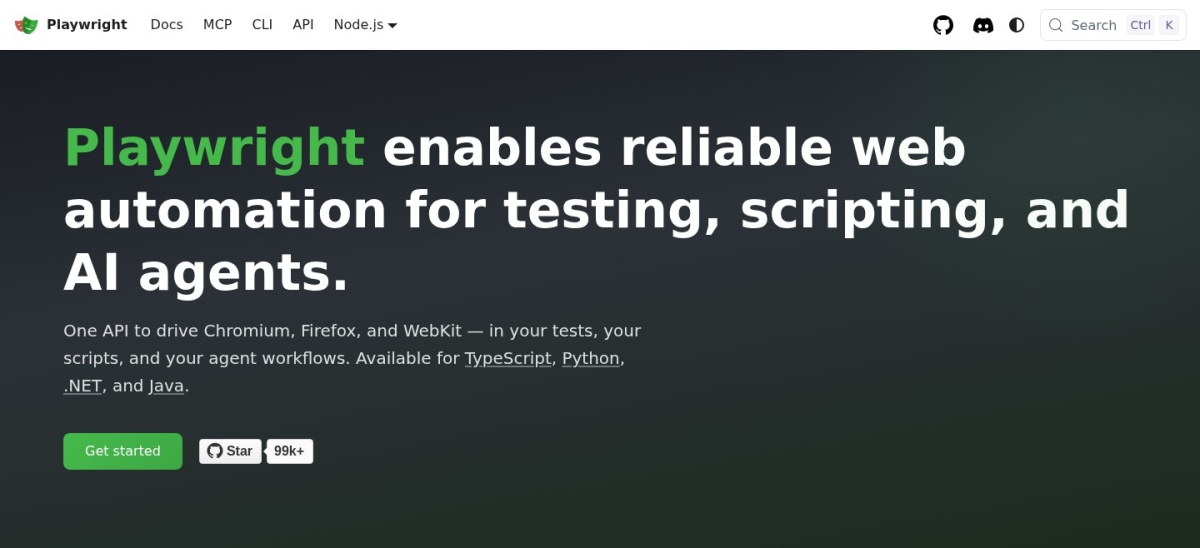
Playwright is Microsoft's free, open-source framework for web automation, with one API that drives Chromium, Firefox and WebKit. It works in TypeScript, Python, .NET and Java, runs tests in parallel by default, and includes auto-waiting, a trace viewer and a test generator that records actions. It has more than 99,000 GitHub stars.
The trade off is that Playwright is code-first, so non-developers will find it harder to start than a low-code tool. There is no paid support plan to buy, and debugging large suites takes practice. It suits developers and QA engineers who write code and want fast, stable cross-browser tests.
What we like
Free and open source, with no paid tier at all
One API for Chromium, Firefox and WebKit
Auto-waiting cuts down flaky tests
Trace viewer and test generator included
Watch out for
Code-first, so non-developers face a learning curve
No paid support plan to buy
Only 15 G2 reviews, so the rating rests on a small base
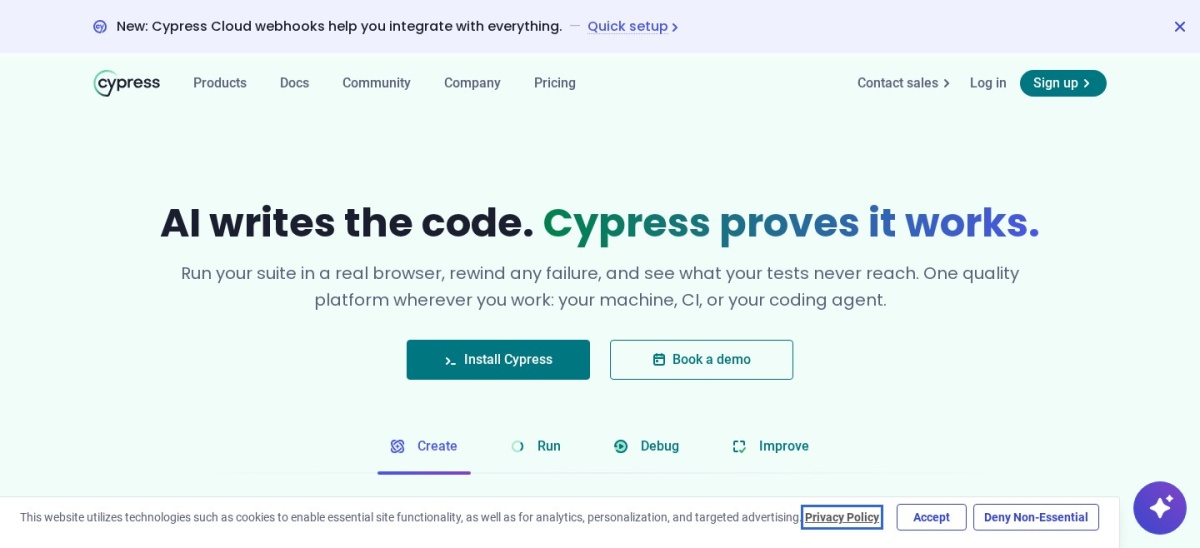
Cypress is a free, open-source test runner for JavaScript and TypeScript apps that runs tests in a real browser. It shows each command as it runs, rewinds failures with time travel, and records runs to Cypress Cloud with Test Replay. The Cloud Starter plan is free for 10 users and 500 test results a month.
The trade off is price. Cloud recording beyond the free Starter plan starts with Team at $799 a year, which covers 50 users and 120,000 test results a year. It suits JavaScript teams that want readable, debuggable end-to-end tests and a cloud dashboard for CI runs.
What we like
Test runner is free and open source
Time travel makes failures easy to see
Clear, readable test syntax for JavaScript teams
Cloud Starter plan is free for small teams
Watch out for
Paid cloud recording starts at $799 a year
Built for JavaScript, not other languages
Extra test results cost $6 per 1,000 on Team
Team adds flake detection, Jira integration and webhooksVisit cypress.io
03
Selenium
4.5/5on G2 (26 reviews, checked Nov 2026)
PriceFree
Best free classic for any language
BrowsersChrome, Firefox, Edge, Safari
LanguagesJava, Python, C#, Ruby, JS, Kotlin
Free planYes, open source
Paid planNone, free
selenium.dev
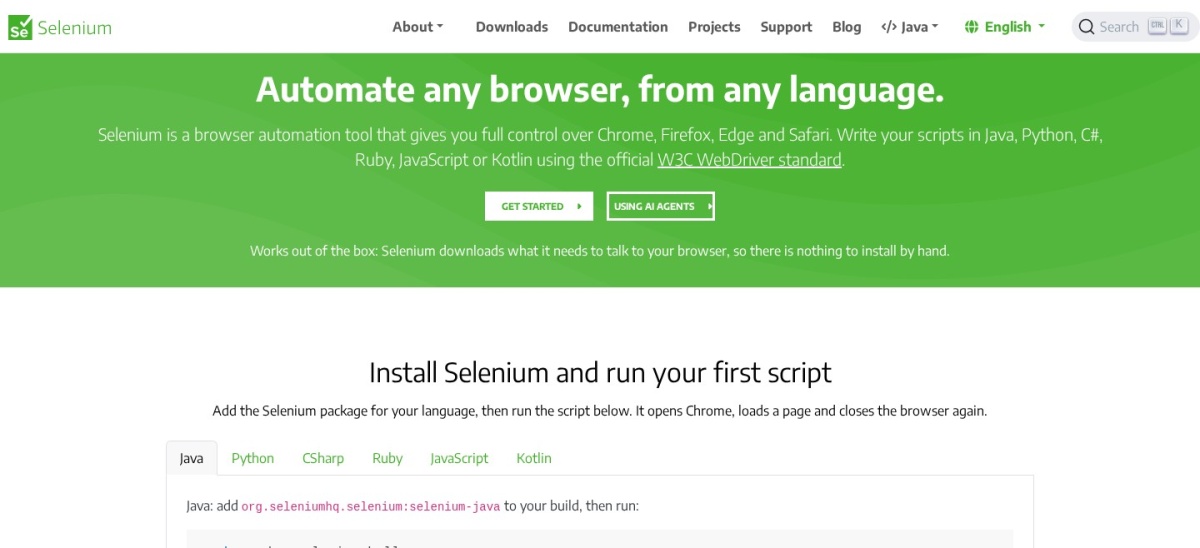
Selenium homepage, captured Nov 2026.
Selenium is the free, open-source browser automation project behind the W3C WebDriver standard. It drives Chrome, Firefox, Edge and Safari from Java, Python, C#, Ruby, JavaScript or Kotlin, and it works with almost every test runner and CI tool. Selenium Grid runs tests in parallel across machines.
The trade off is setup. Selenium gives you the building blocks, not a finished test runner, so teams write their own waits, reporting and parallel runs. It suits teams that need the widest language and browser choice and already have engineers to build the framework.
What we like
Free and open source, with no licence cost
Widest language choice in this list
Works with almost every runner and CI tool
Largest community and most learning material
Watch out for
No built-in test runner or reporting
Setup and maintenance take real engineering time
Tests can be flaky without careful waits
Free forever; costs come from the framework you build on itVisit selenium.dev
04
Katalon Studio
4.4/5on G2 (235 reviews, checked Nov 2026)
Paid from$1,800/seat/yr
Best low-code automation tool
Free planYes, 40 static suites
Test typesWeb, mobile, API, desktop
AI featuresSelf-healing, AI agents (paid)
Paid planProfessional, $1,800/seat/yr
katalon.com
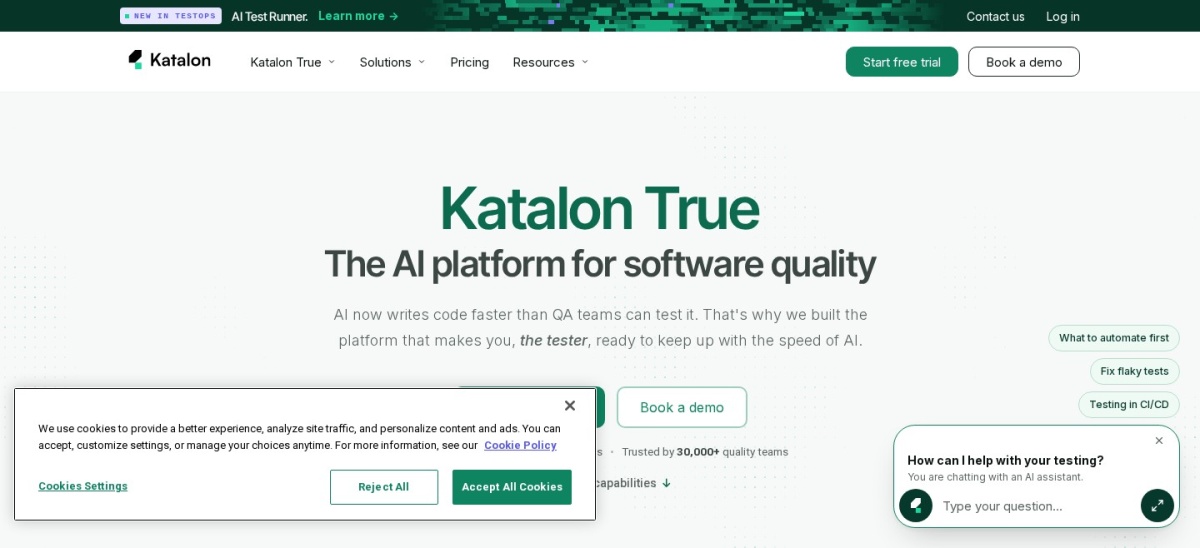
Katalon Studio homepage, captured Nov 2026.
Katalon Studio is a low-code desktop IDE for web, mobile, API and desktop testing, built on Selenium and Appium. The free plan covers local authoring with record and playback, local runs and up to 40 static test suites. Paid plans add AI agents for authoring, failure analysis and self-healing.
The trade off is price. Professional costs $1,800 per seat a year, and headless CI runs need the separate Runtime Engine add-on, so the bill grows past one seat. It suits QA teams that want one tool for several test types without writing a framework from scratch.
What we like
Record and playback, no coding needed to start
One tool for web, mobile, API and desktop tests
AI self-healing on paid plans
Free plan covers local authoring and runs
Watch out for
Professional costs $1,800 per seat a year
CI runs need the separate Runtime Engine add-on
Free plan caps suites at 40 static suites
Professional adds AI agents, parallel runs and desktop testingVisit katalon.com
05
Appium
4.4/5on G2 (64 reviews, checked Nov 2026)
PriceFree
Best free mobile automation tool
PlatformsiOS, Android, Windows, macOS
LanguagesAny WebDriver language
Free planYes, open source
Paid planNone, free
appium.io
Appium homepage, captured Nov 2026.
Appium is a free, open-source framework for automating mobile apps on iOS and Android, plus desktop and TV apps. It uses the WebDriver protocol, so teams write tests in any language with a WebDriver client, and it runs on emulators, simulators and real devices.
The trade off is setup. Appium needs device setup, drivers and a grid or cloud service before the first test runs, and iOS testing needs a Mac. It suits mobile teams that want one free framework across iOS and Android.
What we like
Free and open source, with no licence cost
One framework for iOS and Android
Works with any WebDriver language
Runs on emulators, simulators and real devices
Watch out for
Setup takes time, drivers and a device grid
iOS testing needs a Mac
No vendor support, only community help
Free forever; pair it with a device cloud for real phonesVisit appium.io
06
BrowserStack
4.4/5on G2 (3,359 reviews, checked Nov 2026)
Starts at$59/mo
Best cloud grid for real devices
Real devices35,000+ iOS and Android
Browsers3,500+ combinations
Free planNo, trial only
Paid planAutomate Chrome, $59/mo
browserstack.com
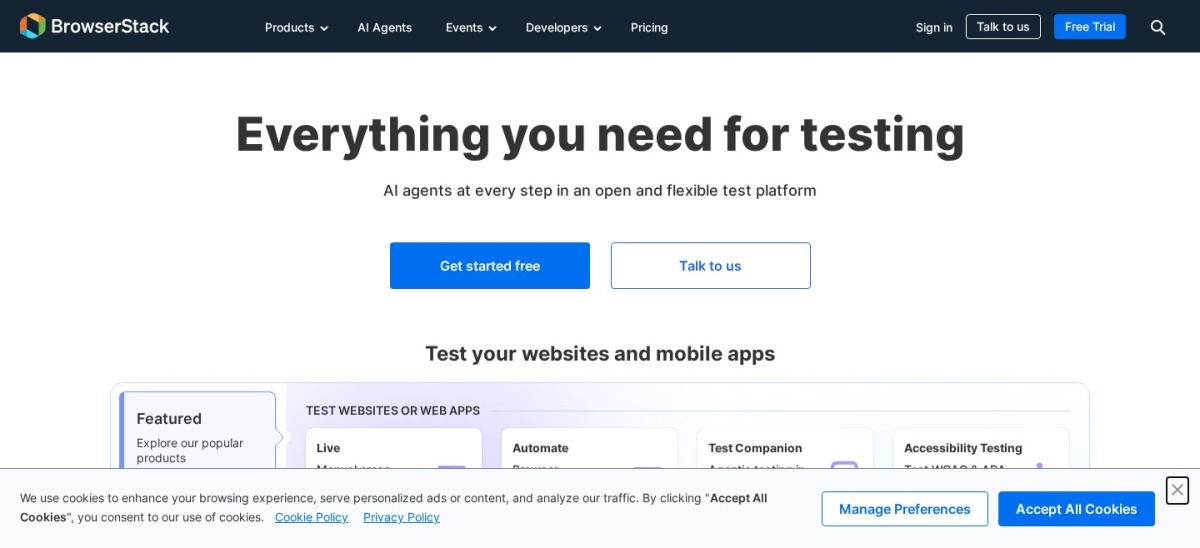
BrowserStack homepage, captured Nov 2026.
BrowserStack is a cloud platform that runs automated tests on 35,000+ real iOS and Android devices and more than 3,500 browser combinations. It runs Selenium, Playwright, Cypress and Appium suites without a device lab, with unlimited testing minutes on paid plans. Automate Chrome starts at $59 a month billed annually.
The trade off is that the cheapest Automate plan covers Chrome only, and full desktop and mobile coverage costs $175 a month billed annually. It suits teams that need real-device coverage without buying and maintaining phones and tablets.
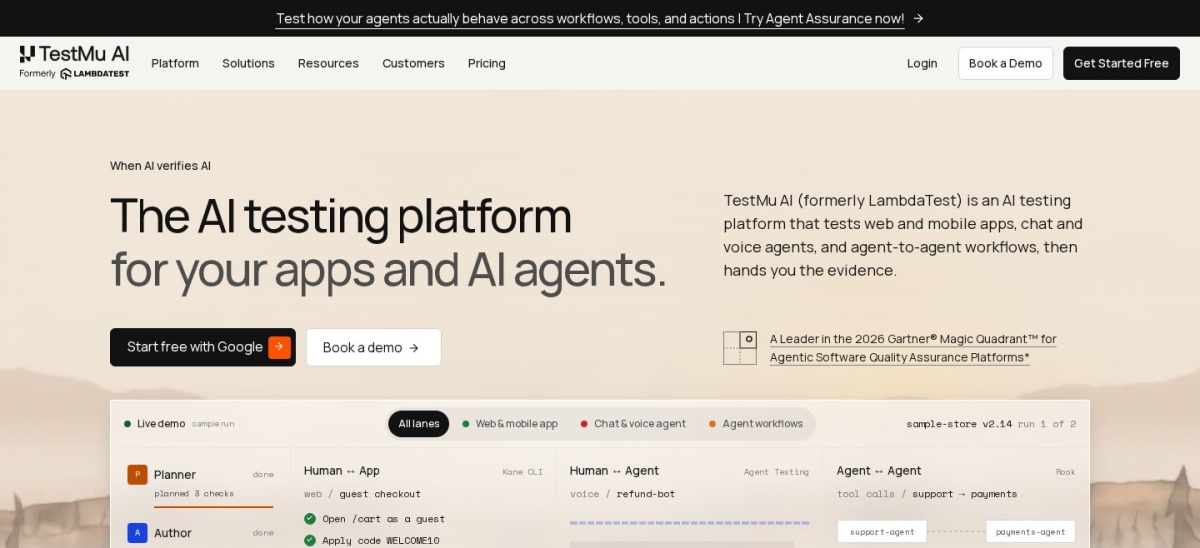
LambdaTest is a cloud testing platform, now renamed TestMu AI, with more than 3,000 browser combinations and 10,000+ real devices. It runs Selenium, Playwright and Cypress suites on its grid, with unlimited minutes on paid automation plans. Web automation on Linux starts at $29 a month billed annually.
The trade off is that the $29 plan covers Linux browsers only, and Windows and macOS browsers start at $79 a month billed annually. It suits teams that want a lower-cost cloud grid and already write tests in a standard framework.
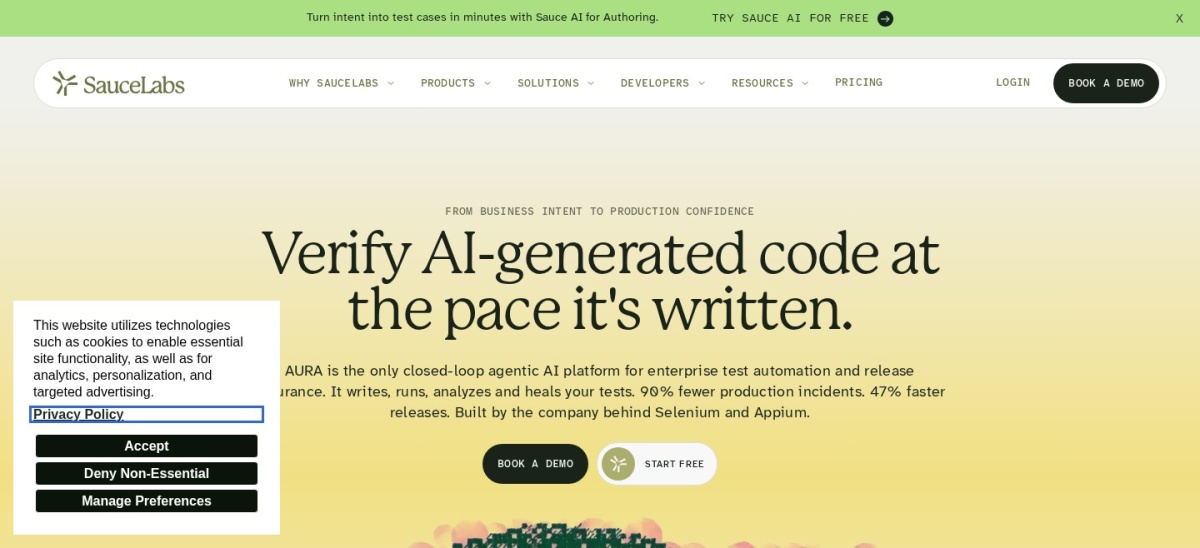
Sauce Labs is a cloud testing platform from the team behind Selenium, running automated tests on virtual and real devices. Every plan includes unlimited users, unlimited testing minutes, videos and screenshots of each test, and REST API access. Live Testing starts at $39 a month billed annually.
The trade off is that the entry plan is built around one parallel test at a time, so large suites need higher tiers or more parallels. It suits teams with existing Selenium suites that want a long-established cloud to run them on.
What we like
Built by the creators of Selenium
Unlimited users and testing minutes on every plan
Videos and screenshots of every test
Virtual and real devices in one plan
Watch out for
Entry plan is built around one parallel test
Pricing page no longer lists a separate automation tier
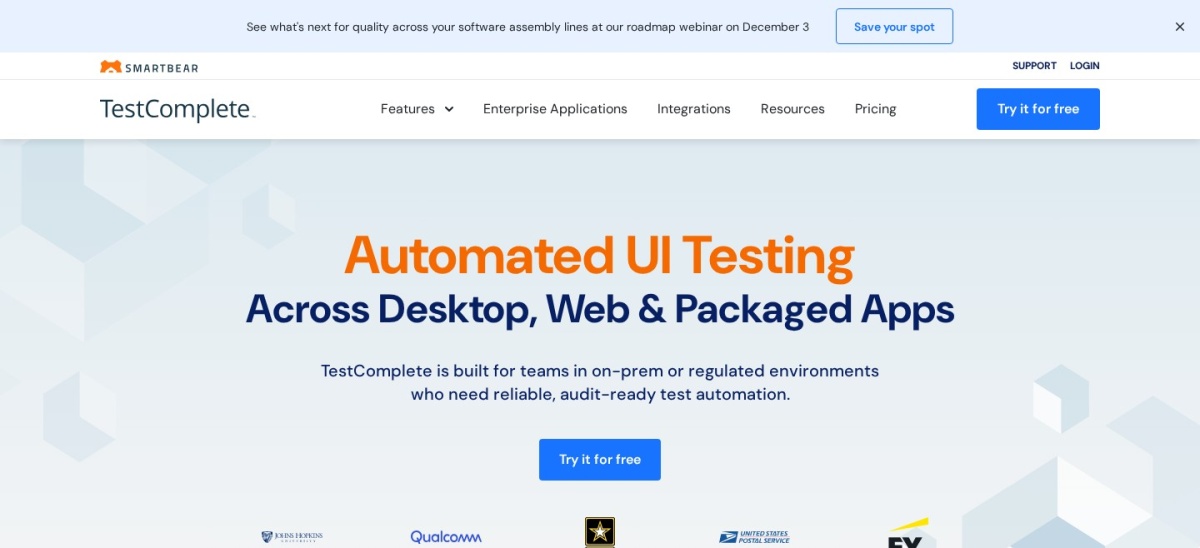
TestComplete is SmartBear's commercial tool for automated UI testing across desktop, web and mobile apps. It offers keyword-driven tests for non-programmers as well as scripted tests, with AI-powered object recognition. A 14-day trial is available, and there is no free plan.
The trade off is price. Base lists at $299.83 a month per fixed licence on annual billing, or $3,598 a year, and SmartBear also lists the same tier in euros, so confirm the dollar total before budgeting. It suits enterprise teams testing Windows desktop apps beside web and mobile.
Frameworks run on your own machines. You pay nothing for the tool, and you pay in setup time and hardware instead.
Cloud grids run your tests on their browsers and devices. You pay per parallel session, and you skip the device lab and the maintenance.
Small teams usually start with a free framework and add a grid when they need real devices or more browsers than their CI machines can run.
How we chose
We started from the most widely used automation testing tools on G2, then kept nine that cover web, mobile and desktop testing, free frameworks and paid cloud grids.
Prices come from each vendor's pricing page where it published one, checked on 24 November 2026. Ratings and review counts come from G2 on the same day. Where a vendor shows a sale, the list shows the regular price.
We left out tools that publish no price and no trial, and tools built for one narrow niche. No vendor paid for a place, and we do not claim to have used these tools ourselves for this list.
How to choose an automation testing tool
Start with what you test, then match the tool to your team's skills.
List what you need to test. Web, mobile or desktop. One tool rarely covers all three well, so write the list before you compare prices.
Check your team's coding skill. Code-first frameworks suit developers. Low-code tools such as Katalon suit QA teams that record tests instead of writing them.
Count the browsers and devices. If you need real iPhones or older browsers, a cloud grid saves you from buying hardware. Free frameworks run only on machines you own.
Run a trial on one real workflow. Pick one login or checkout flow, automate it in two tools, and compare how long it takes to write and how stable the run is.
FAQ
What is the best automation testing tool?
Playwright is the best pick for most teams. It is free and open source, runs tests across Chromium, Firefox and WebKit with one API, and holds a 4.8 out of 5 rating on G2. Cypress is the better pick for JavaScript teams that want cloud recording.
Is Selenium still a good choice in 2026?
Yes, for teams with engineers. Selenium is free, supports six languages, and works with almost every test runner and CI tool. It gives you building blocks rather than a finished runner, so expect to write your own waits, reporting and parallel runs.
What is the cheapest automation testing tool?
Playwright, Selenium and Appium cost nothing at all. Among paid tools, LambdaTest Linux automation starts at $29 a month billed annually, and Sauce Labs starts at $39 a month. BrowserStack Automate Chrome starts at $59 a month.
Do I need a cloud grid like BrowserStack?
Only if you need browsers or devices you do not own. A grid gives you real phones, tablets and old browser versions without a device lab. If your tests run on a few modern browsers, a free framework on your own machines is enough.
Can non-developers automate tests?
Yes, with low-code tools. Katalon Studio records tests without code, and TestComplete offers keyword-driven tests for non-programmers. Code-first frameworks such as Playwright and Selenium need someone who writes code.
How much does automation testing cost?
It can cost nothing: Playwright, Selenium and Appium are free and open source. Paid cloud grids start at $29 to $59 a month, Cypress Cloud Team costs $799 a year, and Katalon Professional costs $1,800 per seat a year.