Artwork Archive is the best art inventory software for most artists, with its Apprentice plan at $9 a month billed yearly for 100 artworks and a 4.9 out of 5 GetApp rating. Pick Artlogic if you want a studio website and sales in one system, or Artlogic Connect for a free plan to start.
How we make this list: we compare pricing pages, product documentation and public user reviews, then re-check every price before each update. No product paid for a place. Disclosure.
Artwork Archive is the cheapest full catalog at $9 a month billed yearly, with 100 artworks on its entry plan.
Artlogic is the only pick that ties inventory to a full artist website, sales pipeline and email marketing, from $131 a month.
Artlogic Connect is the only tool here with a free plan, and its first paid plan is $99 per user a month.
Primer charges one flat $45 a month for artists with unlimited records and no artwork cap.
ArtBinder costs $2,340 a year, more than 20 times the cheapest pick, and only fits teams that sell from phones at fairs.
What art inventory software should cover
An art inventory tool keeps one record for every work: title, year, medium, size, edition, price, location and status. That record should follow the work from the studio to a gallery wall, a fair booth and a buyer.
Consignments matter as much as the catalog. The tool should track which gallery holds each piece, what commission was agreed and when payment is due.
Look for reports and documents too. Price lists, labels, certificates of authenticity and consignment reports save hours when a show opens. Our guide on how much WooCommerce costs helps if you also plan to sell work from your own site.
Price is mostly about artwork limits. Entry plans cap how many pieces you can store, so count your current work plus what you expect to make in the next year before you pick a plan.
The 9 best art inventory software tools for artists
01
Artwork Archive
4.9/5on GetApp (110 reviews, checked Nov 2026)
Starts at$9/mo
Best art inventory software overall
Entry planApprentice, $9/mo
Artwork limit100 pieces
Free trial14 days
Paid planProfessional, $18/mo
artworkarchive.com
Artwork Archive homepage, captured Nov 2026.
Artwork Archive is a cloud catalog for artists, collectors and small organizations, in use since 2010. The Apprentice plan costs $9 a month billed yearly and covers 100 pieces, 10 locations, contacts, reports, invoicing and a public profile page.
The trade off is the artwork cap. Passing 100 pieces means moving to Professional at $18 a month billed yearly, and unlimited pieces need the Master plan at $36 a month. It suits artists who want a low-cost, proven catalog and do not need a built-in website.
What we like
Lowest entry price in this list
Rated 4.9 out of 5 from 110 GetApp reviews
Covers consignments, locations and sales in one place
Free data import on the top artist plan
Watch out for
Entry plan caps at 100 artworks
No built-in artist website, only a public profile page
Artlogic is a connected platform for galleries, artists and collectors, used by more than 6,000 clients. One artwork record feeds the inventory, the artist website, sales offers, invoices, consignments and email marketing, so each work is entered once.
The trade off is price. The artist Essential plan starts at £95 a month, shown as about $131 in US dollars, for up to 1,500 artworks and 200 website artworks. It suits established studios that sell often and want one system for inventory, website and sales.
What we like
One record powers inventory, website and sales
Used by more than 6,000 galleries, artists and collectors
Sales pipeline and marketing included on higher plans
Watch out for
Most expensive artist plan in this list
Pricing is published in pounds, so US buyers should confirm the dollar figure
Artlogic Connect is the new name for ArtCloud, now part of Artlogic. It pairs inventory with sales, marketing and a website builder, and its free Starter plan lets an artist start a catalog without paying.
The trade off is per-user pricing. The first paid plan, Essential, costs $99 per user a month, so a two-person studio pays twice that before website plans. It suits artists who want to test the system free and galleries that sell through Artsy and their own site.
What we like
Only free plan in this list
Rated 4.8 out of 5 from 72 GetApp reviews
Inventory, sales and website in one account
Watch out for
Paid plans are priced per user, so teams pay more
Website plans are priced separately from inventory plans
Art Galleria is a cloud platform for galleries, artists and collectors, in use since 2013. The Starter plan costs $65 a month billed yearly and covers 500 artworks, consignments, contacts, reports and a 14-day trial, with setup and data import included.
The trade off is the jump to team plans. Starter includes a single user, and Pro costs $135 a month billed yearly for 3 users and 5,000 artworks. It suits growing galleries that want guided setup and one record for every artwork, sale and showing.
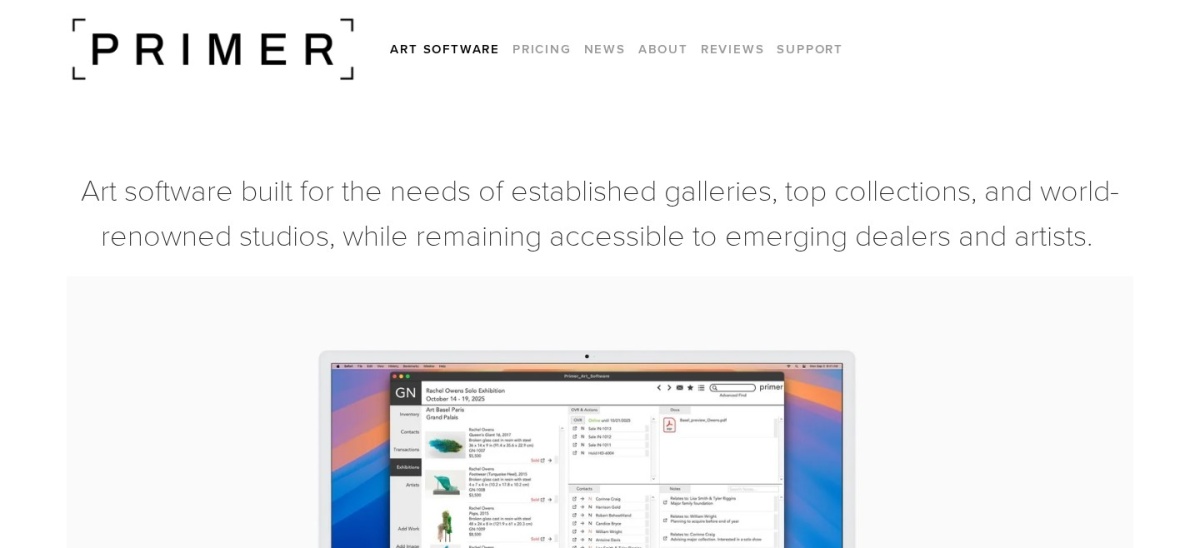
Primer is a cloud art database and CRM from Primer Archives, first launched in 2014. The artist plan costs $45 a month with no start-up fees, and every feature is included: unlimited records, documents, viewing rooms, consignments and sales tools.
The trade off is that Primer does not build websites. It is designed to sit beside a site builder such as Squarespace or Wix, rather than replace one. It suits artists and small galleries that want one flat price and no artwork cap.
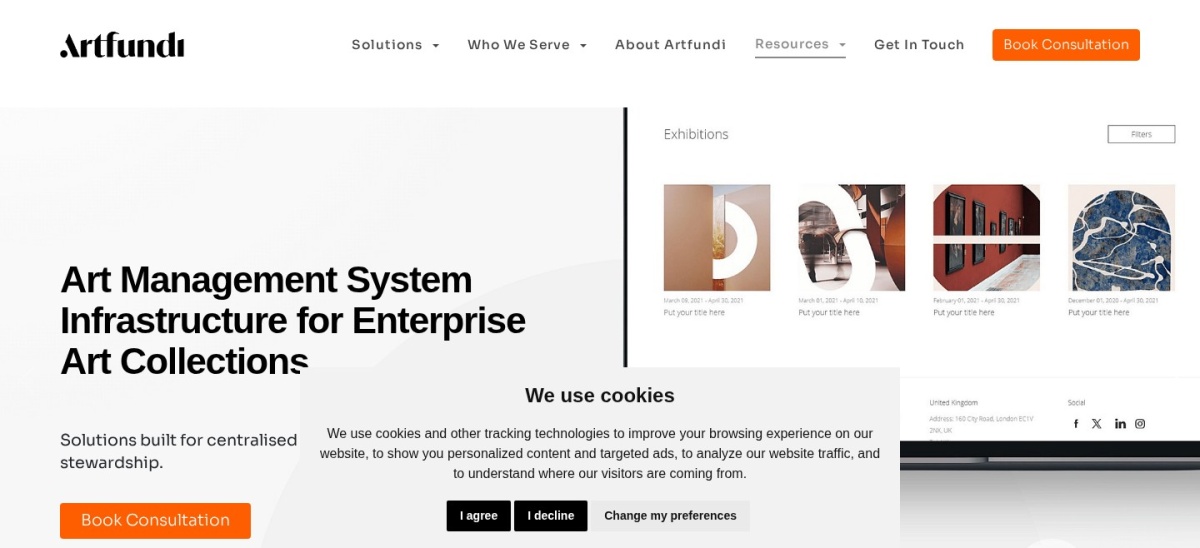
Artfundi is an enterprise art collection platform for organizations, galleries and foundations. Its Simplify plan costs $99 a month and covers inventory, CRM, invoicing, online viewing rooms, catalogues and financial reports in one system.
The trade off is fit. Artfundi is built for governed collections, with role-based security, audit trails and real-time artwork tracking, which most solo artists will not use. It suits institutions and large collections that need control and reporting more than a low price.
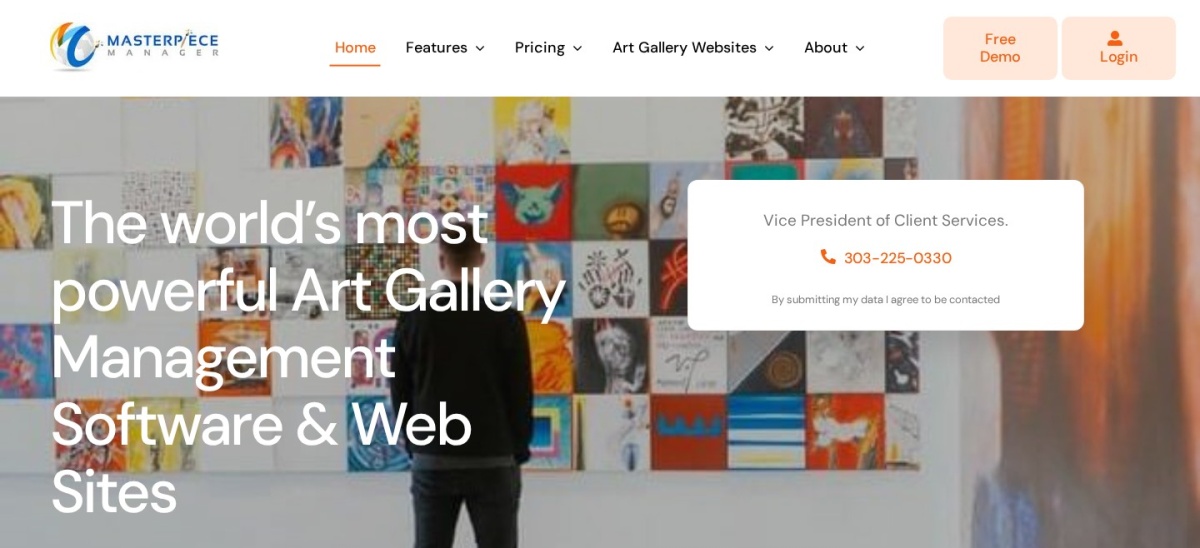
Masterpiece Manager is a web-based gallery system used by more than 1,400 galleries worldwide. The Artist plan costs $29 a month billed yearly and covers one artist, one user, unlimited items, inventory, contacts and point of sale.
The trade off is age and polish. The interface is older than newer rivals, and some reviewers report problems after a platform rebuild. It suits artists and small galleries that want inventory and a till in one low-cost plan.
What we like
Unlimited items on the $29 artist plan
Point of sale included on every plan
Used by more than 1,400 galleries
Watch out for
Dated interface next to newer tools
Mixed recent reviews, including complaints about email support
3.7/5on Shopify App Store (7 reviews, checked Nov 2026)
Starts at$8/mo
Best for showing art in a room
Artist planBasic, $8/mo billed yearly
Artwork limit50 artworks
Room mockups2,900+ rooms
Virtual exhibitionsPlus plan only
artplacer.com
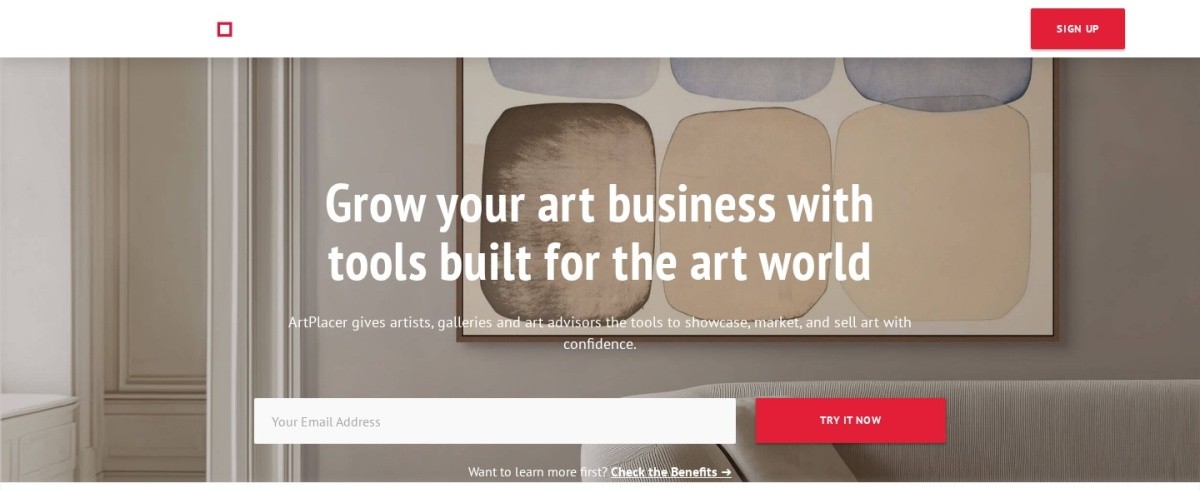
ArtPlacer homepage, captured Nov 2026.
ArtPlacer is a visualization and sales platform for artists, galleries and advisors. The Artist Basic plan costs $8 a month billed yearly and covers 50 artworks, more than 2,900 room mockups, a Discover profile and a 14-day trial.
The trade off is that the headline price buys no virtual exhibitions. Those start on the Plus plan at $23 a month billed yearly, and Basic holds only 50 artworks. It suits artists who sell by showing collectors how a piece looks on their wall.
What we like
Cheapest paid plan in this list at $96 a year
Room mockups help collectors picture the work
CRM and portfolio tools on higher artist plans
Watch out for
Only 50 artworks on the entry plan
Virtual exhibitions need the $23-a-month Plus plan
Standard adds CRM and 100 artworks at $14 a month billed yearlyVisit artplacer.com
09
ArtBinder
4.8/5on Capterra (4 reviews, checked Nov 2026)
Starts at$2,340/yr
Best for selling from a phone at fairs
Entry price$2,340/yr
Artwork limitUnlimited objects
Mobile appiPhone and iPad
UsersScales with storage and users
gallerysystems.com
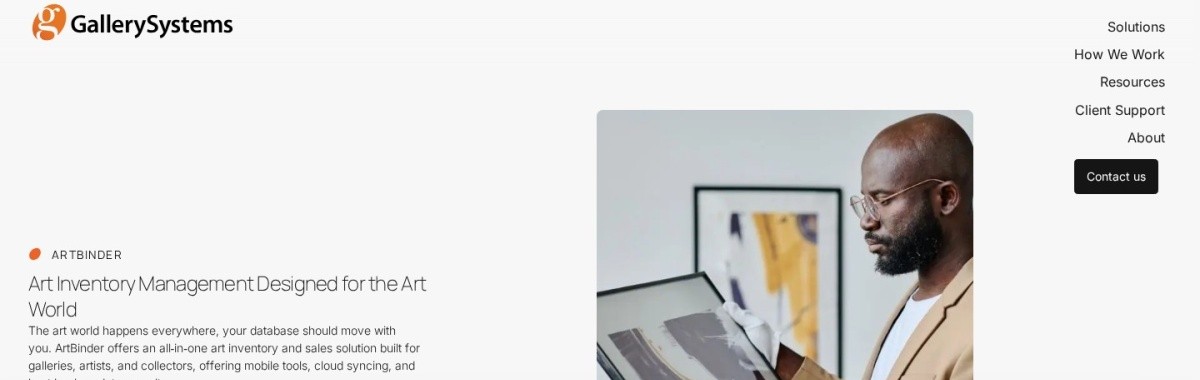
ArtBinder homepage, captured Nov 2026.
ArtBinder is a cloud inventory and sales system from Gallery Systems, in use since 2010. It starts at $2,340 a year and covers unlimited objects, contacts and artist records, with a mobile app, private views and live support.
The trade off is the annual-only price. There is no monthly plan and no free tier, so the first payment is the full $2,340. It suits gallery teams that work from phones at fairs and client visits and earn that cost back in sales.
What we like
Mobile app built for fair booths and client visits
Count your artworks first, including sold and archived pieces you still want on record. Entry plans cap at 50 to 500 works, and the jump to unlimited can triple the price.
Check how your data leaves the tool. Ask whether you can export artwork records, images and contacts as files, and whether the vendor will import your spreadsheet for free.
Try the trial with real work, not a demo set. Add 20 of your own pieces, make a price list and a consignment report, and see how long each step takes. Our guide to budgeting for a WordPress website covers the website costs that sit beside the inventory bill.
How we chose
We started from the art inventory tools that appear most often in gallery software comparisons, then kept the nine that publish prices and serve artists as well as galleries.
Prices come from each vendor's pricing page and review listings that quote those pages, checked on 24 November 2026. Ratings come from GetApp, Capterra and the Shopify App Store on the same day. Where a vendor shows a sale, the list shows the regular price.
We left out tools with no published price and ArtBase, which is no longer sold. No vendor paid for a place, and we do not claim hands-on testing for this list.
How to choose art inventory software
Count your work first, then match the plan to how you sell.
Count every artwork you need on record. Include sold, archived and consigned pieces. A 100-piece cap is fine at 60 works and a problem at 120.
List how you sell. Gallery consignments, fairs, direct sales and online shops need different tools: consignments, point of sale, viewing rooms or a storefront.
Check the export and import terms. Make sure you can take your records and images with you, and ask whether the vendor imports your spreadsheet free.
Run a trial with your own work. Add real pieces, build a price list and send a consignment report before you pay for a year.
FAQ
What is the best art inventory software for artists?
Artwork Archive is the best pick for most artists. Its Apprentice plan costs $9 a month billed yearly, covers 100 artworks, and is rated 4.9 out of 5 on GetApp from 110 reviews. It covers inventory, locations, consignments and sales without a high monthly bill.
Is there free art inventory software?
Yes. Artlogic Connect is the only tool in this list with a free plan, its Starter plan. It covers inventory and basic sales tools at no cost, while paid plans start at $99 per user a month. The other eight tools offer free trials or demos instead.
How much does art inventory software cost?
Entry prices in this list run from $8 a month billed yearly for ArtPlacer to $2,340 a year for ArtBinder. Most artists pay between $9 and $45 a month. The price usually rises with artwork limits, users and website features, so count your work first.
Can art inventory software track consignments?
Yes. Artwork Archive, Artlogic, Art Galleria, Primer and Masterpiece Manager all track consignments, including which gallery holds each piece and what commission was agreed. Check that the plan you pick includes consignment reports before you buy.
Do I need a separate website as well?
It depends on the tool. Artlogic and Artlogic Connect include a website or storefront, while Artwork Archive gives you a public profile page. Primer and Masterpiece Manager expect you to run your own site beside the inventory.
Can I move my inventory from a spreadsheet?
Most tools in this list import spreadsheets. Artwork Archive offers free data import on its top artist plan, Primer imports data free, and Art Galleria includes setup and data import on every plan. Ask the vendor what the import covers before you sign up.
SaaS SEO and WordPress specialist with about 8 years of experience. Rakib compares WordPress plugins, themes, hosting and software using public pricing, documentation and user reviews. See how we rank.