Prodigy is the best app for kids to learn math for most families, because its full math curriculum for grades 1 to 8 is free and it is rated 4.1 out of 5 on G2. Pick SplashLearn for younger children, IXL for practice tied to school standards, or Cuemath if you want live one-to-one tutoring.
How we make this list: we compare pricing pages, product documentation and public user reviews, then re-check every price before each update. No product paid for a place. Disclosure.
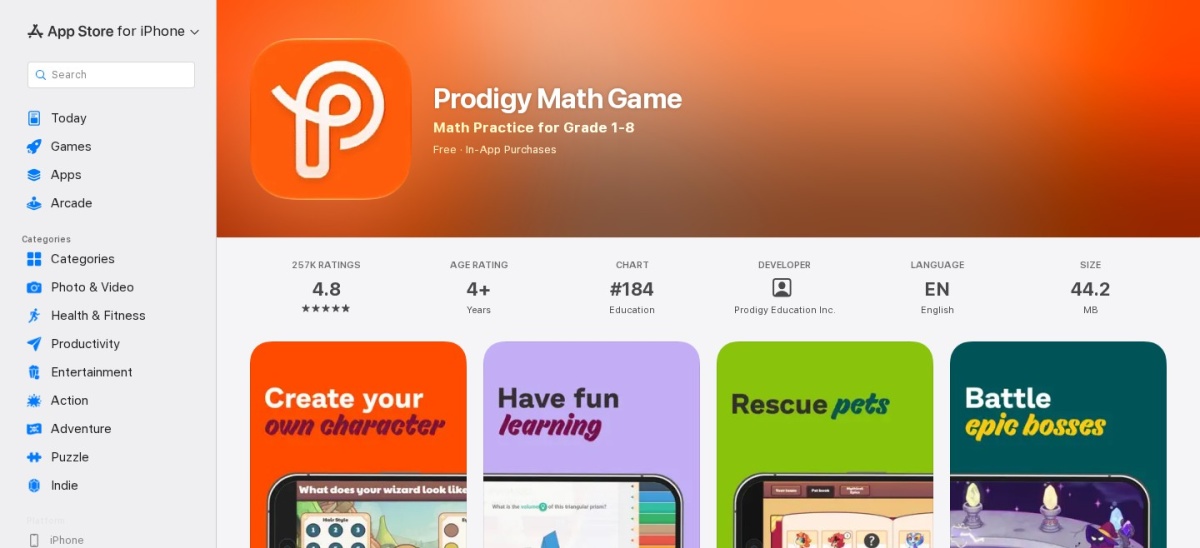
Prodigy is the only pick here with a full math curriculum free: more than 45,000 questions for grades 1 to 8, with memberships from $58.95 a year for extras.
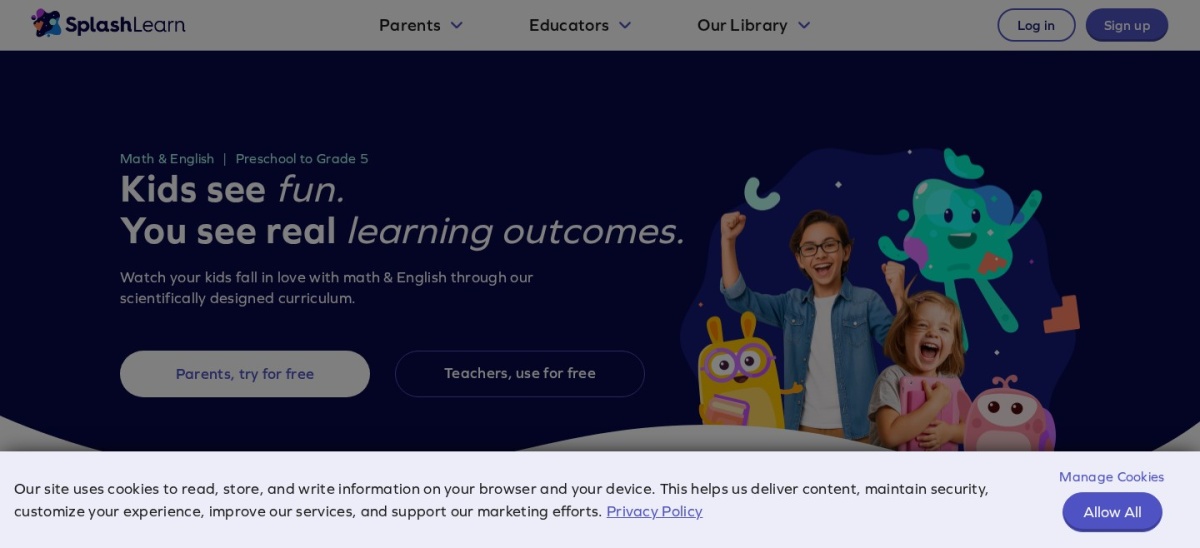
SplashLearn covers preschool to grade 5 with about 9,000 math and English activities at $89.99 a year for one child, and it is free for teachers.
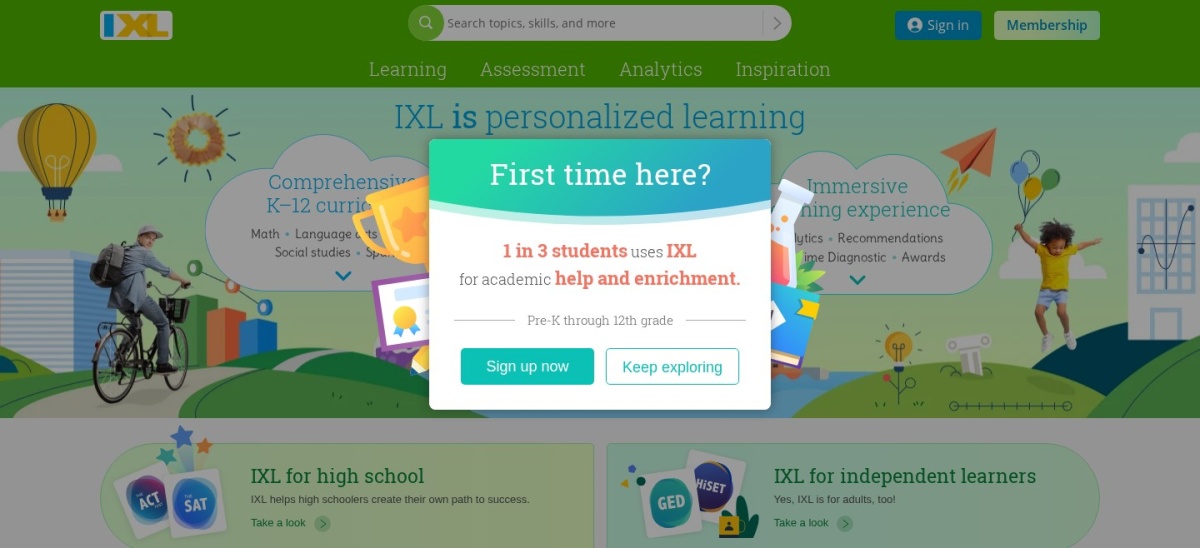
IXL has the widest school coverage, from pre-K to grade 12, at $79 a year for one subject, but its Trustpilot score is 1.1 out of 5 from 809 reviews.
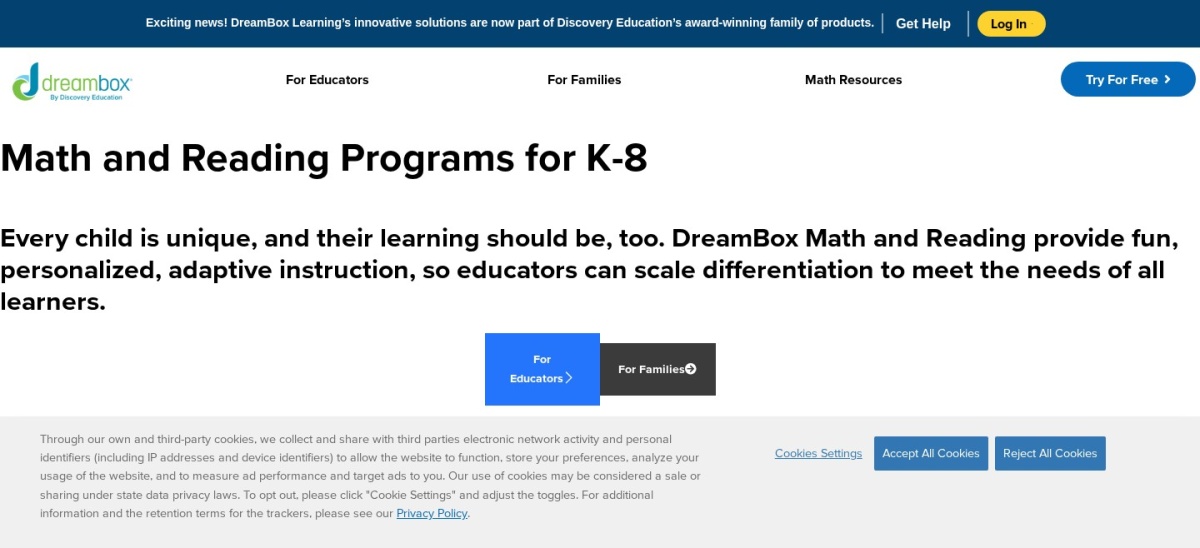
DreamBox adapts lessons for grades K to 8 at $12.95 a month, and its G2 rating is 3.4 out of 5 from 16 reviews.
Live tutoring costs far more: Cuemath charges $15 a class and Brighterly $22.20 a lesson at regular prices, while Freckle is free for teachers.
What to look for in a math app for kids
A good math app matches your child's school level and adjusts when answers get too easy or too hard. Adaptive practice keeps a child working at the edge of what they can do, instead of repeating sums they have already mastered.
Age range matters more than the app store badge. An app built for ages 4 to 8 will feel babyish to an 11-year-old, and an app that runs to grade 12 can overwhelm a 6-year-old. Check the grade range before you pay.
Review scores need care in this niche. Trustpilot and G2 scores for kids' apps are often driven by billing and cancellation complaints rather than the lessons, so read what the complaints are about before you judge an app by its stars.
Free plans differ a lot. Some apps give the full curriculum free and charge only for extras, while others give a short trial and then need a subscription. Start with the free tier and check the price of the plan you would actually keep.
Prodigy is a fantasy game in which every spell is a math question, and its full math curriculum for grades 1 to 8 costs nothing. The question bank holds more than 45,000 math questions, adapts to each child's grade and answers, and includes parent and teacher reports.
The trade off is that the game keeps showing member-only pets, gear and areas, and children ask for them. Membership starts at $9.95 a month or $58.95 a year for Core on the website, and higher tiers cost more. It suits reluctant mathematicians aged 6 to 14 who need a reason to practise.
SplashLearn is an adaptive math and reading app for children from preschool to fifth grade, with close to 9,000 gamified activities. A placement test sets the level, then a daily learning path adjusts to each child, and parents get progress reports.
The trade off is that families pay after a 7-day trial, and the free version at home covers only work a teacher assigns. One child costs $11.99 a month or $89.99 a year, and the family plan for up to three children is $149 a year. It suits ages 4 to 11 who like games and short daily sessions.
What we like
Adaptive daily path for each child
Math and reading in one subscription
Free for teachers
Capterra rating of 5.0 out of 5
Watch out for
Only 2 Capterra reviews, so the rating is thin
Families pay after a 7-day trial
Some parents report billing and cancellation problems
DreamBox is an adaptive math and reading program for grades K to 8 that teaches with animated lessons instead of plain drill. Lessons adjust to each answer, and teachers get detailed data on where a child is stuck.
The trade off is price and clarity. The individual plan costs $12.95 a month, family prices are not published on the site, and some reviewers find the instructions hard to follow. It suits younger children in grades K to 5 who enjoy game-style lessons.
1.1/5on Trustpilot (809 reviews, checked Nov 2026)
Paid from$79/yr
Best for practice tied to school standards
GradesPre-K to 12
Skills20,000+
Free plan10 questions a day
Paid plan1 subject, $79/yr
ixl.com
IXL homepage, captured Nov 2026.
IXL is a practice platform with more than 20,000 skills in math and other subjects, mapped to each state's standards by grade. The SmartScore system tracks mastery per skill, and parents get detailed reports on progress and trouble spots.
The trade off is that the scoring can frustrate children, because a wrong answer drops the score by more than a right answer raises it. One subject costs $9.95 a month or $79 a year, and the four-subject plan is $159 a year. It suits motivated children who need structured school practice.
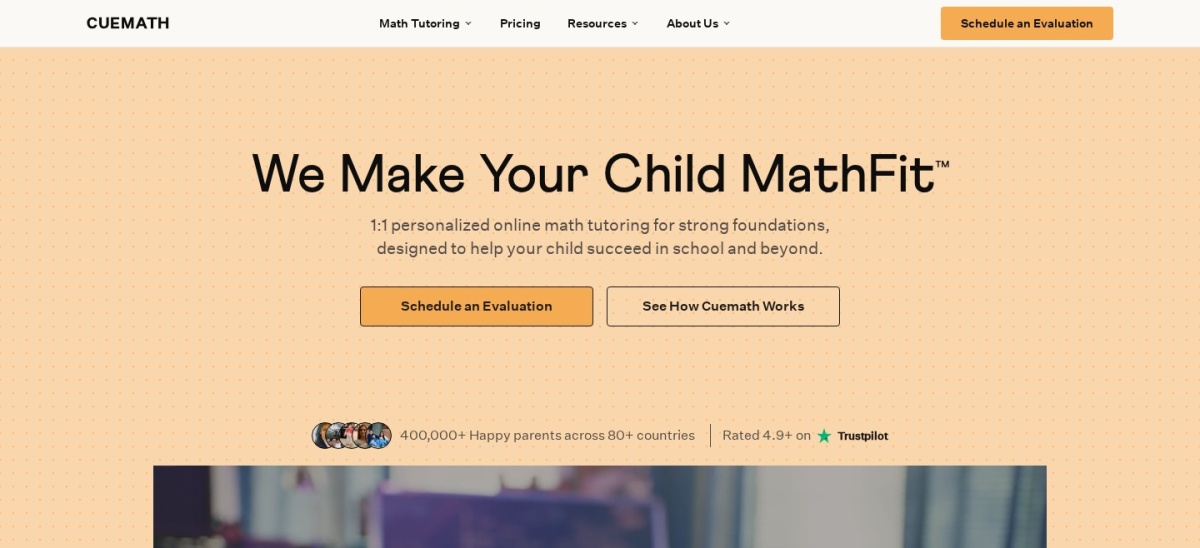
4.9/5on Trustpilot (11,000 reviews, checked Nov 2026)
Starts at$15/class
Best live tutoring for building basics
FormatLive 1-to-1 online
GradesK to 12
Free planNo
Paid plan$15 per class
cuemath.com
Cuemath homepage, captured Nov 2026.
Cuemath is a live one-to-one math tutoring service in which a tutor teaches each lesson to a single child. Lessons follow a four-skill method covering fluency, understanding, application and reasoning, and the program runs from kindergarten to grade 12.
The trade off is cost. Classes cost $15 each, so two classes a week comes to $1,560 a year, and families commit to a fixed weekly schedule. It suits children who are stuck on concepts and need a tutor to explain and adjust in the moment.
What we like
A real tutor in every lesson
Trustpilot rating of 4.9 out of 5
Structured method across four skills
Covers kindergarten to grade 12
Watch out for
$15 a class adds up to $1,560 a year at two a week
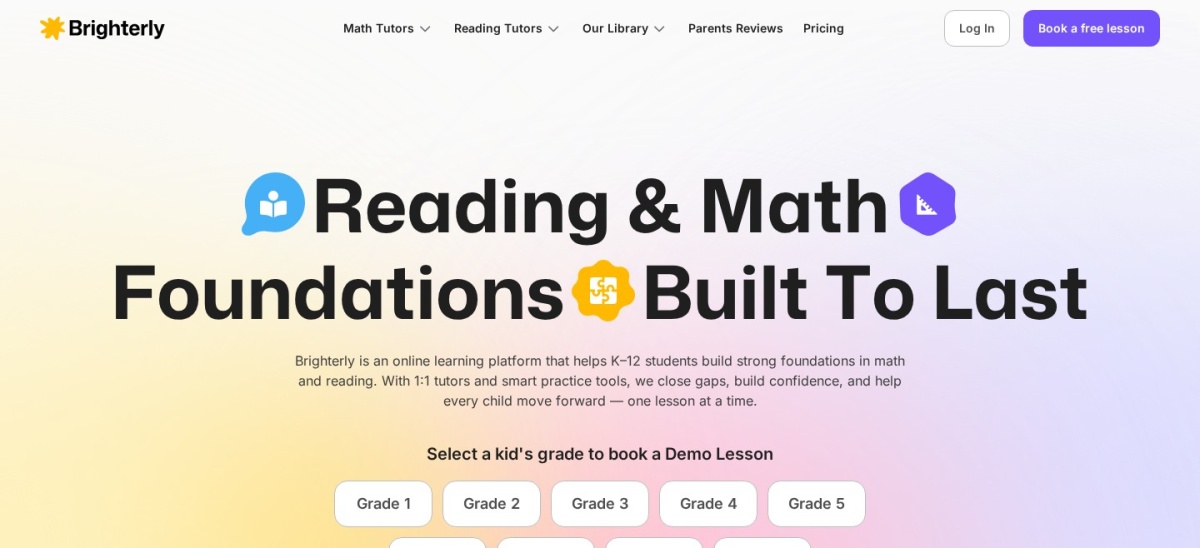
4.5/5on Trustpilot (981 reviews, checked Nov 2026)
Starts at$22.20/lesson
Best tutoring for younger grades
FormatLive 1-to-1 online
Lesson length45 minutes
Free planDemo lesson only
Paid plan$22.20 per lesson
brighterly.com
Brighterly homepage, captured Nov 2026.
Brighterly is a live one-to-one tutoring platform for math and reading, with 45-minute lessons for grades 1 to 10. A tutor is matched to each child, lessons follow a personal plan, and parents get progress reports after each session.
The trade off is cost and commitment. The regular price is $22.20 a lesson on the 12-month plan, so two lessons a week comes to about $2,309 a year, and plans renew unless cancelled. It suits elementary and middle school children who need patient, regular help from a tutor.
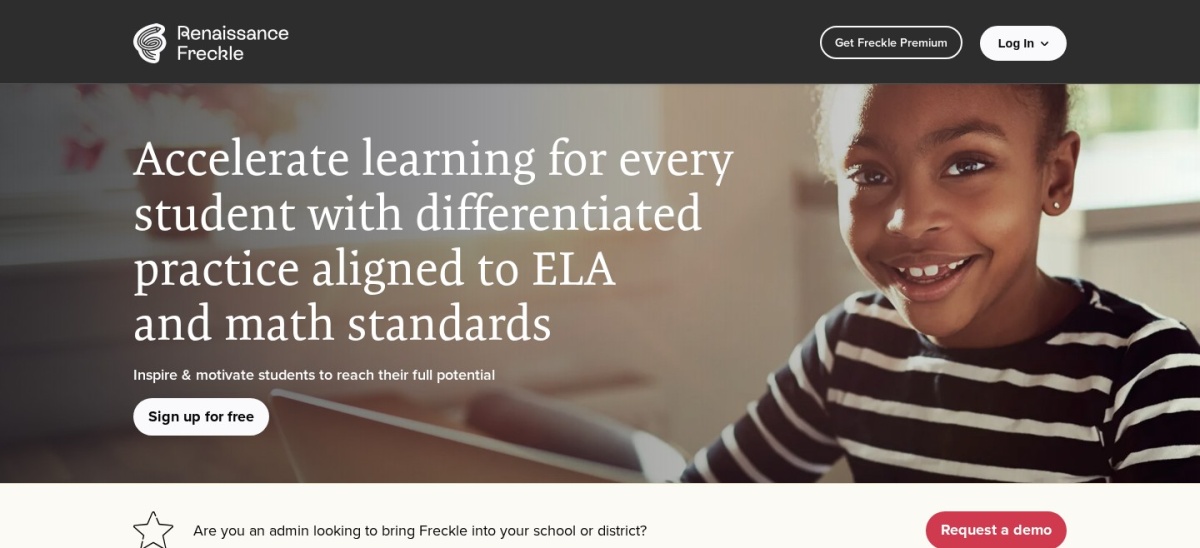
Freckle is a free adaptive practice platform from Renaissance for grades K to 12, covering math, English and social studies. Teachers assign practice at each child's level, and the program adapts as the child answers, with reports that show where help is needed.
The trade off is that Freckle is built for classrooms, not families. There is no family plan to buy, and the Premium features schools pay for are priced on request. It suits children whose teacher already uses it, or parents who want free adaptive practice beside school.
Free plans cover real learning here. Prodigy gives its full math curriculum free, and Freckle is free for teachers.
Paid plans mostly add reports, extra subjects and freedom from prompts. Prodigy memberships add game items and parent data, while SplashLearn and IXL unlock the full library after a trial.
Tutoring is a different purchase. Cuemath and Brighterly sell live lessons with a tutor, so the yearly cost runs into four figures at two lessons a week. That suits a child who is stuck, not one who just needs more practice.
How we chose
We started from the math apps parents and teachers mention most for children, then kept those with a public rating on G2, Capterra or Trustpilot and a published price.
Prices come from each vendor's pricing page as quoted in November 2026 reviews of those pages, checked on 25 November 2026. Ratings and review counts come from G2, Capterra and Trustpilot on the same day. Where a vendor shows a sale, the list shows the regular price.
We left out apps with no public rating on those three sources, including several well-known names. No vendor paid for a place, and we do not claim to have used these tools ourselves.
How to choose a math app for your child
Start with your child's age and what school is teaching now, then test the free tier before you pay.
Match the age and grade range. An app for preschool to grade 5 will not stretch a 12-year-old, and a grade 12 app will frustrate a 7-year-old. Check the range on the app's own pages first.
Try the free tier for a week. Watch whether your child opens it without being asked. An app they avoid is not worth a yearly plan, however good its curriculum looks.
Check what the paid plan actually unlocks. Some subscriptions add only game items and reports, while others unlock the lessons themselves. Read the pricing page before the trial ends.
Set a target score, not a time target. Agree what good looks like, such as finishing a topic or reaching a set score, so practice ends with a win instead of a timer.
FAQ
What is the best app for kids to learn math?
Prodigy is the best pick for most families. Its full math curriculum for grades 1 to 8 is free, with more than 45,000 questions, and it is rated 4.1 out of 5 on G2. Paid memberships add game items and parent reports from $58.95 a year.
Is there a completely free math app for kids?
Yes. Prodigy's math questions are free, and Freckle is free for teachers. Both cover real curriculum content without a family subscription, though Prodigy charges for game extras and parent reports.
What age is Prodigy Math good for?
Prodigy covers math for grades 1 to 8, roughly ages 6 to 14. Younger children may do better with SplashLearn, which starts at preschool, while older children who need school practice often suit IXL, which runs to grade 12.
How much does SplashLearn cost?
SplashLearn costs $11.99 a month or $89.99 a year for one child on its website, covering math and English. A family plan for up to three children costs $149 a year. Teachers use it free, and families get a 7-day trial.
Is IXL worth it for math practice?
IXL suits children who need practice tied to school standards, with skills mapped by grade and state. It costs $79 a year for one subject. Its Trustpilot score is 1.1 out of 5, mostly from complaints about its scoring system and billing.
Are live math tutoring apps worth the cost?
Live tutoring suits a child who is stuck on concepts, because a tutor can explain and adjust in the moment. Cuemath charges $15 a class and Brighterly $22.20 a lesson at regular prices, so two lessons a week costs over $1,500 a year.
SaaS SEO and WordPress specialist with about 8 years of experience. Rakib compares WordPress plugins, themes, hosting and software using public pricing, documentation and user reviews. See how we rank.