WLWPLegible EditorsLast verified 22 Nov 2026How we rank11 min read
★ Short answer
ApparelMagic is the best apparel software for most fashion brands, combining PLM and ERP in one system from $337 a month for 3 users. Pick Techpacker at $35 a user a month for tech packs, or Delogue for structured development with compliance.
How we make this list: we compare pricing pages, product documentation and public user reviews, then re-check every price before each update. No product paid for a place. Disclosure.
ApparelMagic is the only tool here with PLM and ERP in one system at a published price, from $337 a month.
Techpacker starts at $35 per user per month, the cheapest paid entry in this list.
Delogue starts at €145 per user per month, and Centric PLM and AIMS360 are quote only.
Only three of the nine tools publish a starting price, so most enterprise buyers must request a quote.
Paid entry prices run from $35 a month for Techpacker to $337 a month for ApparelMagic.
What apparel software should cover
Apparel software covers the work between a sketch and a customer. PLM manages how products are designed and developed, while ERP manages the business once products exist, including inventory, orders and wholesale.
Most brands need one side first. Design-led teams start with a tech pack or PLM tool such as Techpacker or Delogue, while wholesale brands start with an ERP such as ApparelMagic or AIMS360.
Pricing is the hard part. Only three tools in this list publish a starting price, and the rest are quote only, so ask for a written quote that separates licence, implementation and support.
Size and colour matrices are the feature to check first. Any apparel tool should handle style, colour and size stock without workarounds, or it will slow every order.
List prices in each vendor's currency, checked Nov 2026
Centric PLMCustom
AIMS360Custom
Techpacker$420
Shopify$468
BrowzwearFREE$900
Lightspeed$1,068
Delogue€1,740
KatanaFREE$3,588
ApparelMagic$4,044
The 9 best apparel software
01
ApparelMagic
4.9/5on G2 (12 reviews, checked Nov 2026)
Starts at$337/mo
Best apparel software overall
Professional$337/mo, annual, 3 users
Enterprise$655/mo, annual, 5 users
CoversPLM, ERP, CRM, accounting
Paid planProfessional, $337/mo
apparelmagic.com
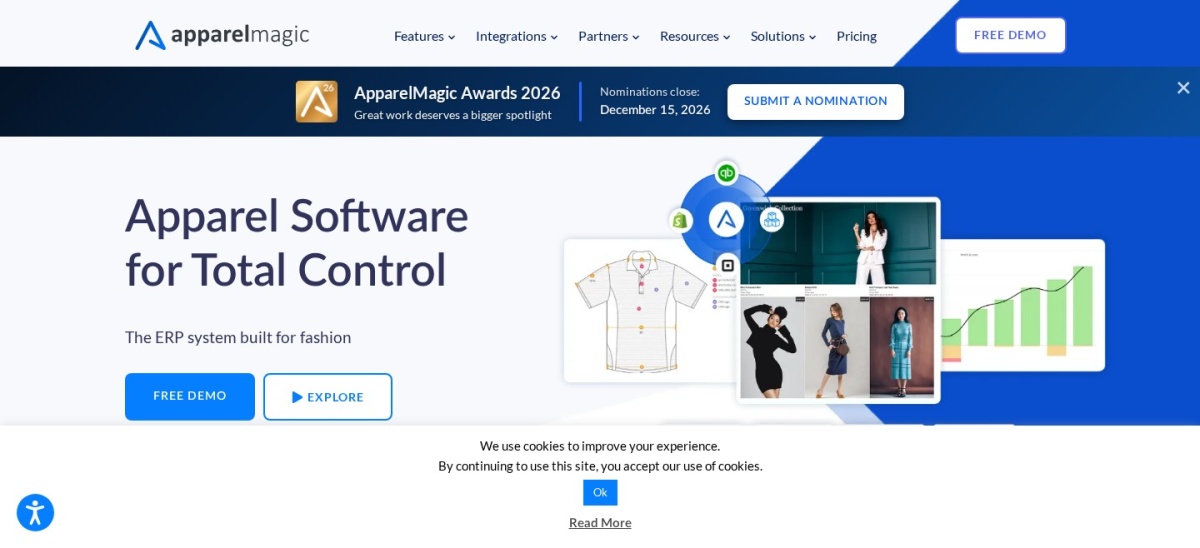
ApparelMagic homepage, captured Nov 2026.
ApparelMagic is an ERP built for fashion brands, covering advanced PLM, manufacturing, forecasting, inventory across warehouses, B2B ecommerce and multi-currency accounting. Professional costs $337 a month paid annually for 3 users, 3 integrations and 3 warehouses.
The trade off is the starting point. At $337 a month it is a real commitment, and small brands may not need the full ERP yet. It suits established wholesale brands that want one mature system.
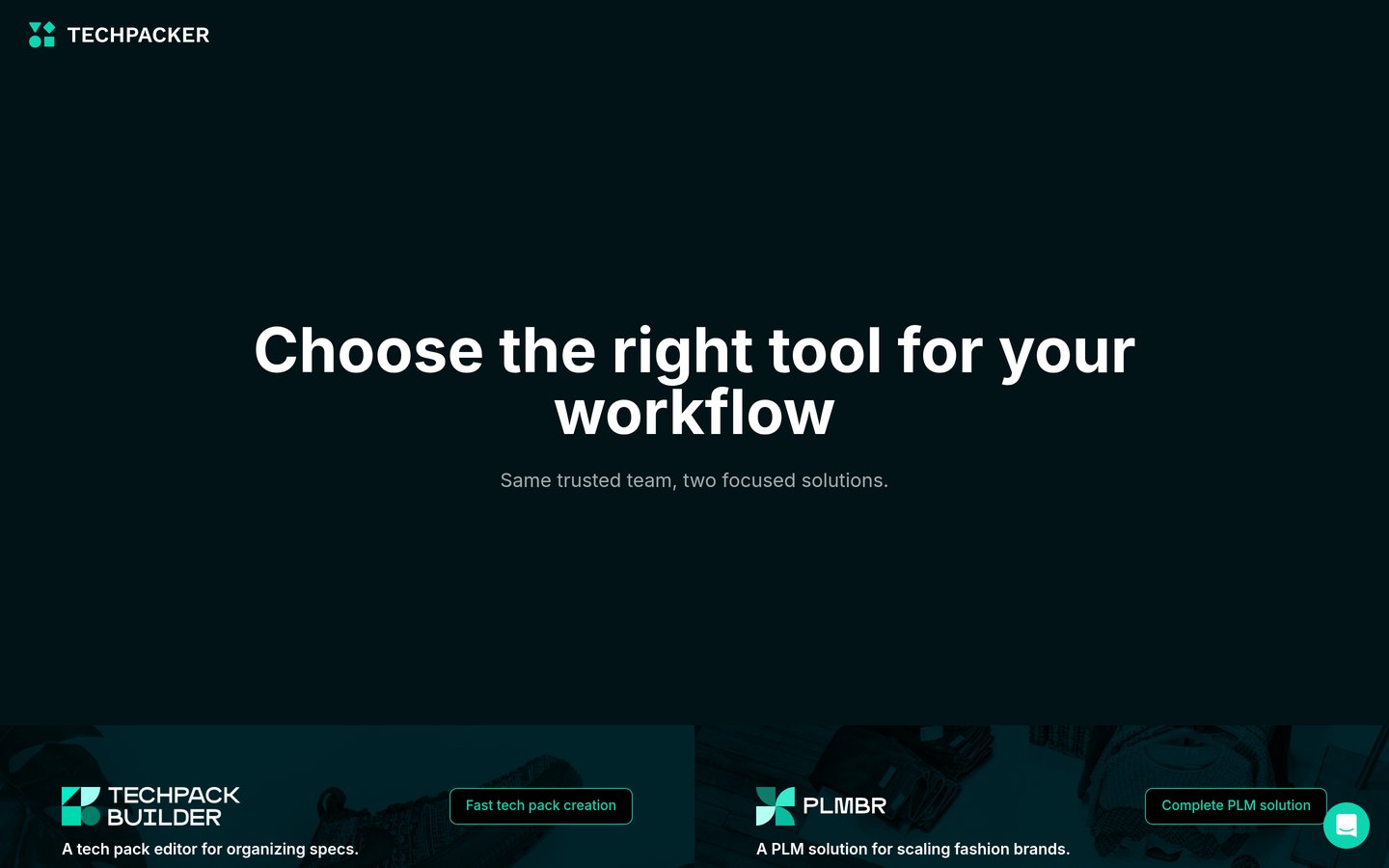
Techpacker is cloud tech pack software that started with tech packs, and that focus still shapes the product. The Techpack Builder plan starts at $35 per user per month billed annually, with reusable cards for measurements, components, construction notes and costing.
The trade off is scope. Techpacker is a tech pack and light PLM tool, not an ERP, so inventory and accounting need another system. It suits small teams focused on tech packs.
4.2/5on Software Finder (15 reviews, checked Nov 2026)
Starts at€145/mo
Best for structured product development
Essential€145/user/mo, annual
FocusProduct development, compliance
Free planNo, demo
Paid planEssential, €145/user/mo
delogue.com
Delogue PLM homepage, captured Nov 2026.
Delogue PLM is a cloud platform for fashion brands that want structured product development plus clear compliance records. The Essential plan starts at €145 per user per month billed annually.
The trade off is price and currency. At €145 per user per month it costs far more than Techpacker, and prices are in euros. It suits growing brands with compliance needs.
Centric PLM is the enterprise standard in this list, and it fits large brands that run many labels, categories and regions from one product record. It covers design, sourcing, costing and production in one system.
The trade off is buying. Centric does not publish pricing, so a buyer must request a quote and budget separately for implementation and ERP integration. It suits large enterprises, not small brands.
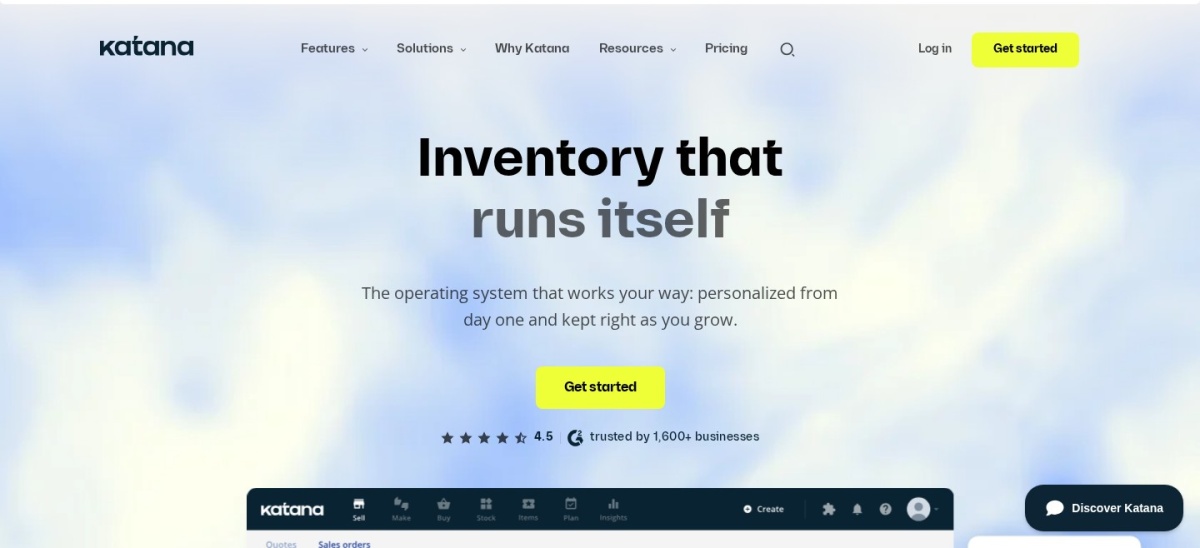
Katana is a manufacturing and inventory platform for small apparel makers who produce in-house and sell through Shopify or Amazon. The free plan covers 30 SKUs, and paid plans start at $299 a month.
The trade off is that Katana is inventory and production software, not a full PLM, so tech packs and design need another tool. It suits small makers who need stock control first.
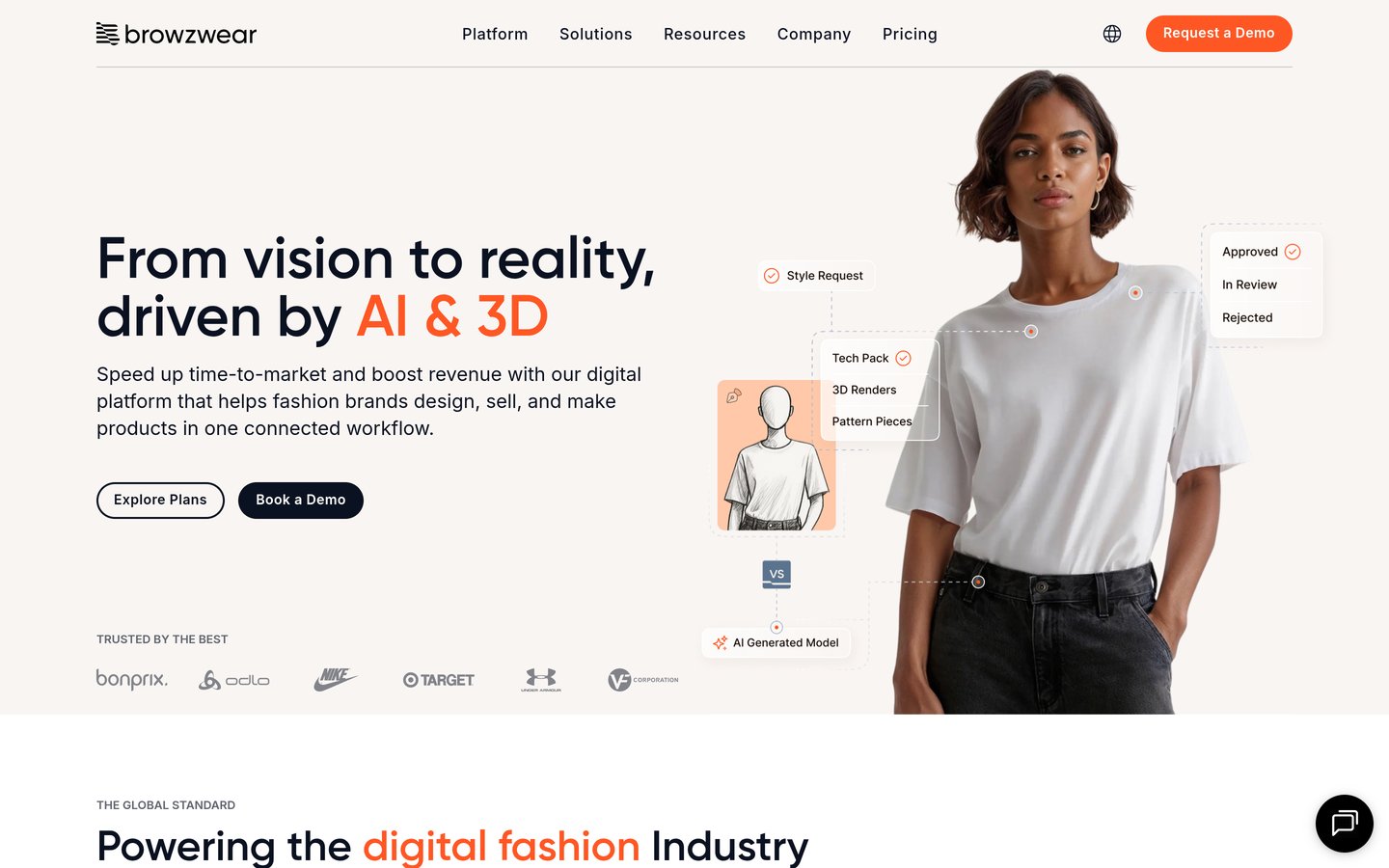
Browzwear is an enterprise 3D fashion design platform whose VStitcher software builds virtual garment twins from real fabric data. Designers check fit, drape and construction in 3D before a physical sample is cut, and the platform carries the garment through tech packs and production.
The trade off is price and polish. The $75 a month Freelancer plan is the dearest solo entry in this list, and G2 reviewers report crashes with heavy garments and a steep learning curve. It suits product teams that need measured fabric data.
What we like
Production-grade fabric simulation with measured data
Tech packs and PLM integration in one platform
Free Learner licence for students and recent graduates
4.8 out of 5 on G2 from 56 reviews
Watch out for
$75 a month is the dearest solo entry in this list
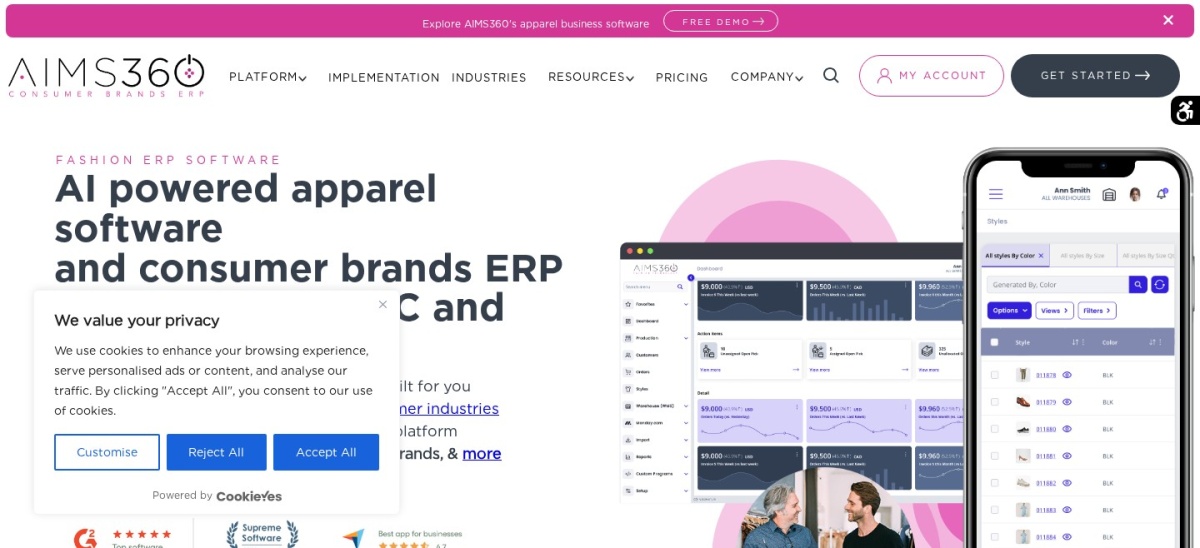
AIMS360 is a consumer products ERP with deep apparel roots, covering production, costing, style and size matrices, orders, warehouse management, CRM and accounting. Its standout is native EDI to more than 350 retailers, including Nordstrom, Macy's, Target and Walmart.
The trade off is buying. Prices are quote-only, plans differ only by user count, and implementation is billed hourly in the same quote. It suits US wholesale brands selling into major retailers.
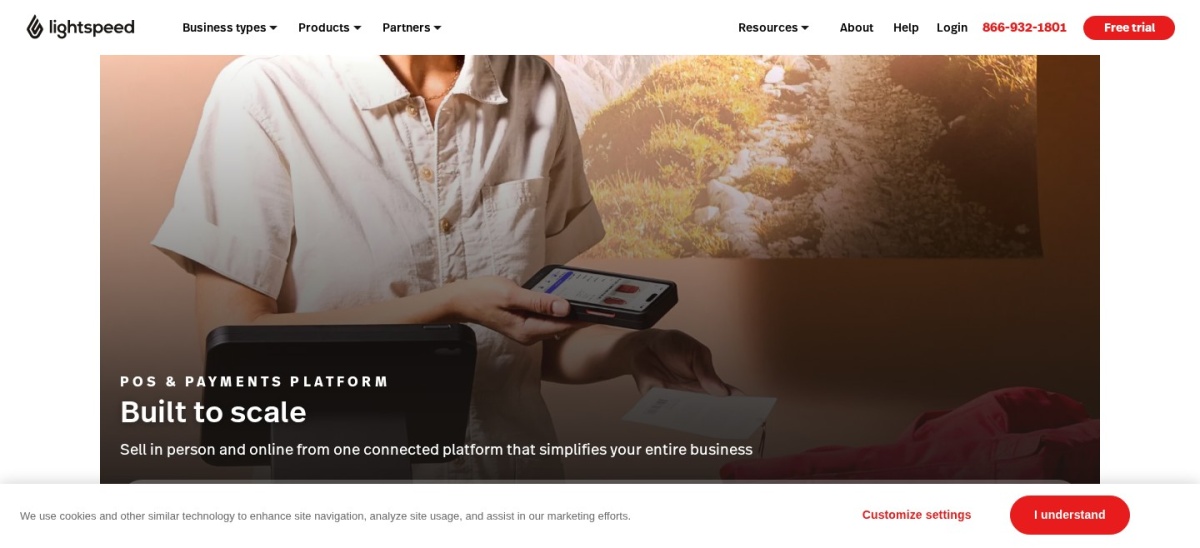
Lightspeed Retail is a point-of-sale system for apparel boutiques that need a POS handling sizes, colours and stock across locations. Plans start at $89 a month billed annually, with a free trial.
The trade off is scope. Lightspeed is retail software, not a PLM, so design and production need another tool. It suits boutiques selling across more than one location.
Shopify is the ecommerce platform most direct-to-consumer apparel brands start on, with the largest app and theme ecosystem in the category. The Basic plan costs $39 a month, with a free trial, and covers the store, checkout and payments.
The trade off is that Shopify is a store, not apparel software. PLM, production and wholesale need apps or a second system. It suits DTC brands selling online first.
PLM manages design and development: tech packs, bills of materials, sampling, supplier collaboration and costing.
ERP manages the business once products exist: inventory across size and colour matrices, purchase and sales orders, production tracking, wholesale and invoicing.
If you sell wholesale, start with ERP. If your pain is samples and tech packs, start with PLM. ApparelMagic and Kobo cover both in one system.
How we chose
We started from the apparel PLM and ERP platforms that appear most often in 2026 comparisons, then kept nine with a clear role in the category.
Prices come from each vendor's pricing page as checked in October and November 2026. Delogue prices are in euros, and Centric PLM and AIMS360 publish no starting price.
We left out general ERPs with no apparel focus. No vendor paid for a place, and this list is based on pricing, docs and reviews, not on using the tools ourselves.
How to choose apparel software
Start with whether your pain is design, wholesale or retail, then pick the tool built for it.
Name the pain first. Tech pack chaos points to Techpacker or Delogue, wholesale EDI points to AIMS360, and stock chaos points to Katana or ApparelMagic.
Check size and colour handling. Every candidate should manage style, colour and size matrices natively. Ask for a demo with your own size curve.
Get the full first-year quote. Licence, implementation, integration and support are often separate lines. Ask for them in writing before you sign.
Start small, then expand. Run one style or one season through the tool before you move the whole catalogue, so a bad fit costs little.
FAQ
What is the best apparel software?
ApparelMagic is the best apparel software for most fashion brands, with PLM and ERP in one system from $337 a month for 3 users. It covers design, production, inventory, B2B ecommerce and accounting.
How much does apparel software cost?
Entry prices in this list run from $35 a user a month for Techpacker to $337 a month for ApparelMagic. Delogue starts at €145 a user a month, and Centric PLM and AIMS360 are quote only.
What is the difference between apparel PLM and ERP?
PLM manages design and development, including tech packs, sampling, supplier collaboration and costing, from first sketch to production handover. ERP manages inventory, orders, production tracking, wholesale and invoicing once products exist and are ready to sell.
Is there free apparel software?
Katana has a free plan covering 30 SKUs, and most other tools offer a free trial or demo. Full PLM and ERP tools in this list are paid, with entry prices from $35 a month.
Which apparel software is best for small brands?
Techpacker at $35 a user a month suits small teams that need clean tech packs. Katana suits small makers who manufacture in-house and sell through Shopify or Amazon.
Do I need PLM if I already use Shopify?
Shopify is a store, not a PLM. If tech packs, sampling and supplier messages live in spreadsheets, a PLM such as Techpacker or Delogue will help, even with Shopify as the store.