Best API Security Testing Tools in 2026: 9 Tools Compared
WLWPLegible EditorsLast verified 24 Nov 2026How we rank13 min read
★ Short answer
Burp Suite Professional is the best API security testing tool for most teams, rated 4.8 out of 5 on G2 from 140 reviews. Pick OWASP ZAP if you need a free scanner, or APIsec if you want API-only testing with business-logic attack coverage.
How we make this list: we compare pricing pages, product documentation and public user reviews, then re-check every price before each update. No product paid for a place. Disclosure.
Burp Suite Professional leads at 4.8 out of 5 on G2 from 140 reviews, and costs $499 per user per year.
APIsec is the strongest API-only pick, rated 4.7 out of 5 from 229 reviews, with Standard at $690 a month per 100 endpoints.
OWASP ZAP is free and open source, rated 4.7 out of 5 on G2, and scans APIs from OpenAPI, GraphQL and SOAP definitions.
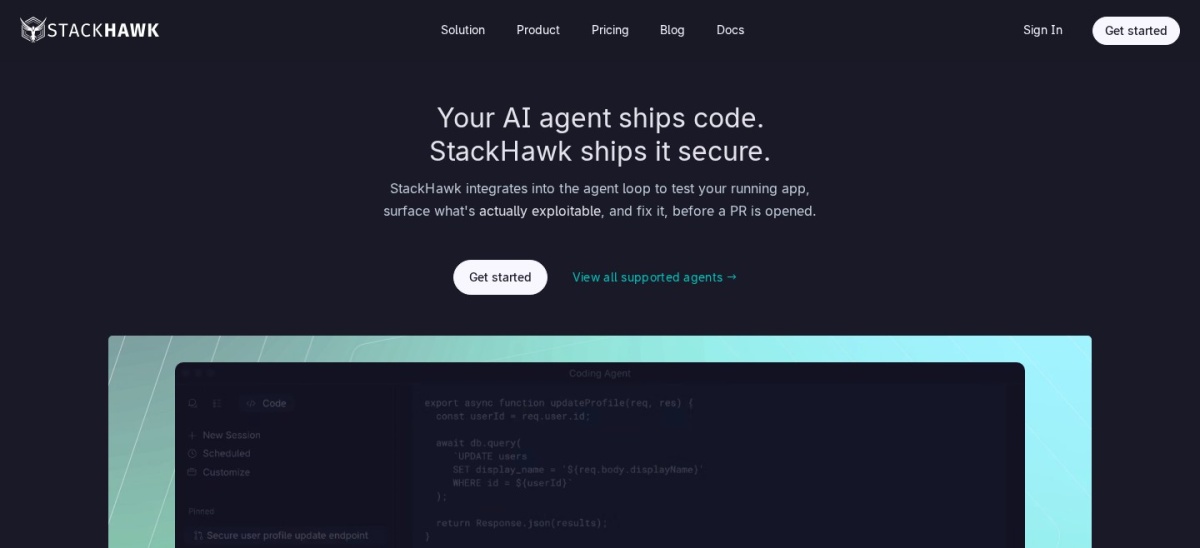
StackHawk Wingman costs $10 per user a month and is built for scans inside CI/CD pipelines.
5 of the 9 tools have a free plan, and paid prices run from $9 a month to $48,000 a year.
What API security testing should cover
APIs fail in ways web pages do not. Broken object-level authorization, excess data exposure and missing rate limits sit at the top of the OWASP API Top 10, and a generic web scanner often misses them.
A good API security testing tool starts from your API definition, not from crawling pages. It should import an OpenAPI, GraphQL or SOAP spec, then send malformed, unauthenticated and over-privileged requests at every endpoint.
Business-logic checks matter most. Our guide on how to run a WordPress security audit covers the same idea for sites: test what an attacker can actually reach, not only what the code looks like.
CI/CD fit decides whether scans happen at all. Tools that run from a command line or a pipeline step get used on every build, while tools that need a manual session get used once a quarter.
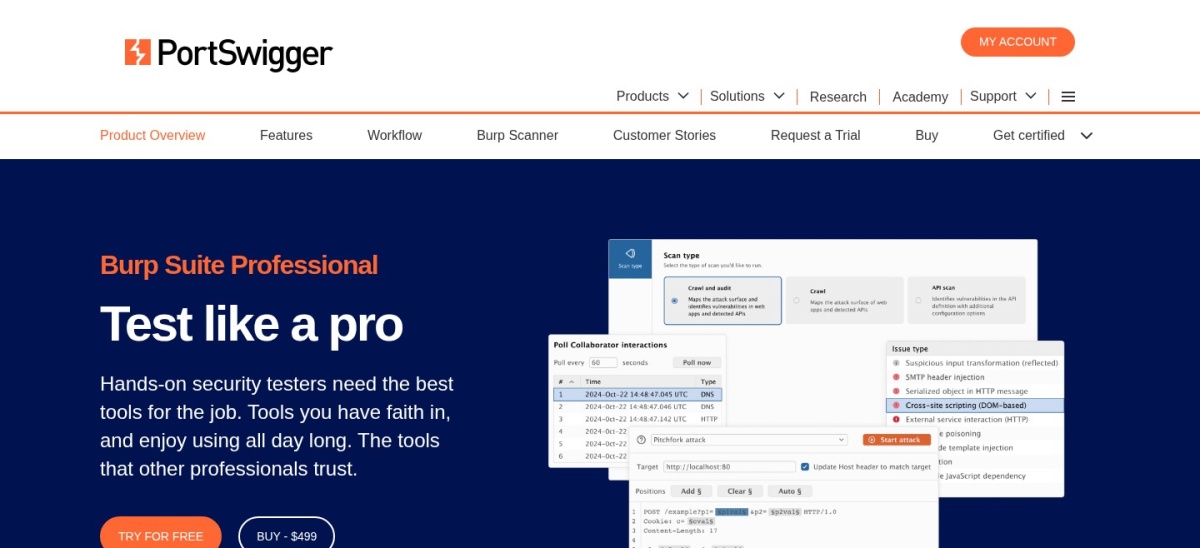
Burp Suite is the standard toolkit for manual web and API security testing, from PortSwigger. The free Community Edition includes the intercepting proxy, Repeater and Decoder, while Professional at $499 per user per year adds the automated scanner, the full Intruder, project files and Burp AI.
The trade off is that it is a desktop tool built for a person, not a pipeline. API scans need setup and extensions, and each user needs a separate licence. It suits penetration testers and security engineers who test APIs by hand and want the deepest manual toolkit.
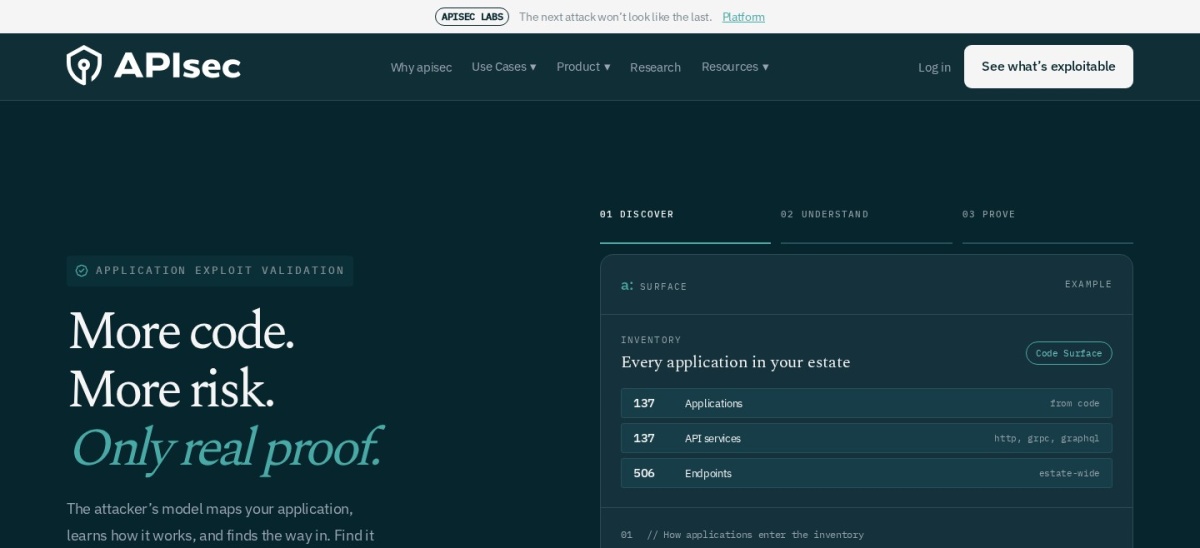
APIsec is an API-only testing platform that maps an application from code, then runs attack simulations against each endpoint. The free tier covers public APIs, while Standard at $690 a month per 100 endpoints adds continuous validation, business-logic attack coverage such as BOLA and RBAC, and team collaboration.
The trade off is price per endpoint. A large API estate reaches $8,280 a year for the first 100 endpoints, and Pro at $2,750 a month adds the full CI/CD and ticketing integrations. It suits teams whose main risk is the API itself, not the web front end.
What we like
Rated 4.7 out of 5 on G2 from 229 reviews
Built only for APIs, not adapted from web scanning
Tests business logic, not only injection flaws
Free tier for public APIs, no card needed
Watch out for
Standard is $8,280 a year per 100 endpoints
Full CI/CD integrations need the Pro plan
No web application scanning beside the API tests
Pro adds full CI/CD integrations and custom attack simulationsVisit apisec.ai
03
OWASP ZAP
4.7/5on G2 (14 reviews, checked Nov 2026)
PriceFree
Best free API security testing tool
PriceFree, Apache 2.0 licence
API definition importOpenAPI, GraphQL, SOAP
CI/CD supportDocker scans, GitHub Actions
Paid planNone
zaproxy.org
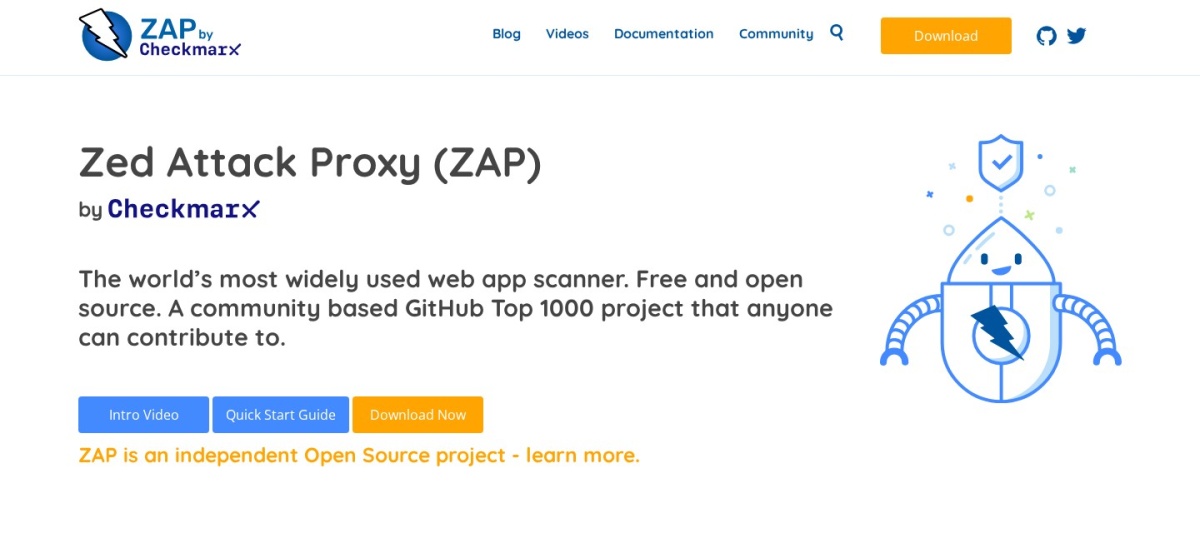
OWASP ZAP homepage, captured Nov 2026.
OWASP ZAP is the free, open-source scanner known as the Zed Attack Proxy, now maintained as ZAP by Checkmarx. Its API scan imports an OpenAPI, GraphQL or SOAP definition, then runs an active scan tuned for APIs, and Docker images plus an automation framework make it easy to run in a pipeline.
The trade off is triage time. ZAP reports more false positives than paid tools, and authenticated scans and rule tuning take setup work. It suits teams with no budget who can spend time tuning rules, and it pairs well with a second, narrower API tester.
StackHawk is a developer-first dynamic scanner that runs API tests inside CI/CD pipelines. Wingman costs $10 per user a month, with a 14-day trial, and covers REST, GraphQL, gRPC and SOAP APIs, with findings that link back to the request and response that produced them.
The trade off is depth. StackHawk grew out of ZAP, and it focuses on fast pipeline scans rather than long manual sessions. It suits engineering teams that want a scan on every build, with results developers can act on without a security specialist in the room.
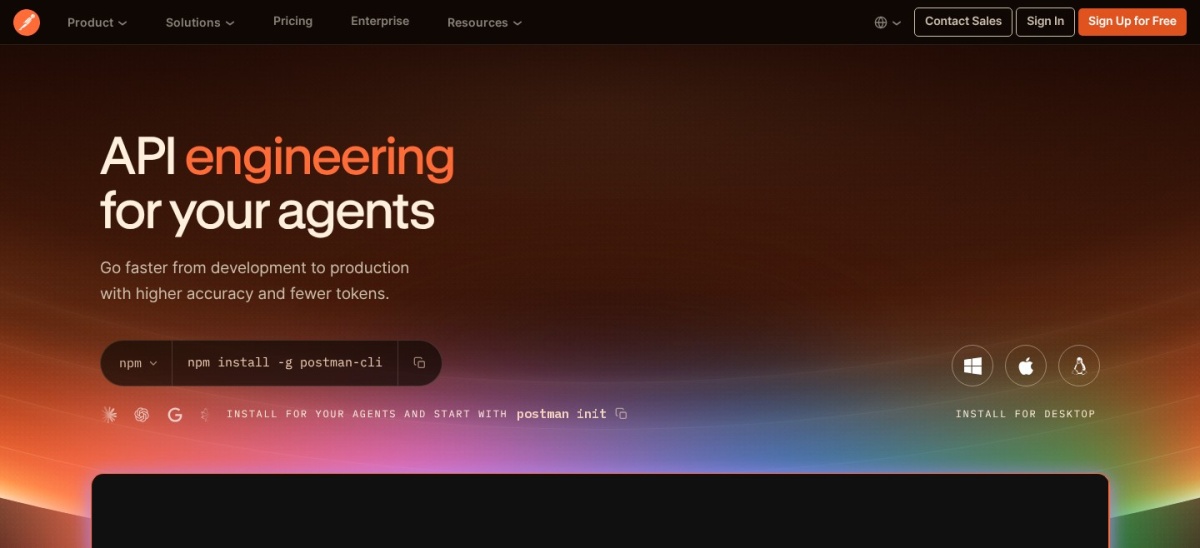
Postman is the API platform most teams already use to build and test requests, with collections, environments, monitors and a command-line runner. The free plan covers one user, Solo costs $9 a month, and Team at $19 per user a month adds shared workspaces, while security rules and the Simple Security add-on check APIs for common flaws.
The trade off is focus. Postman is a general API client first, and deep security scanning is an add-on rather than the core product. It suits teams that already live in Postman and want security checks beside their functional tests, not a dedicated scanner.
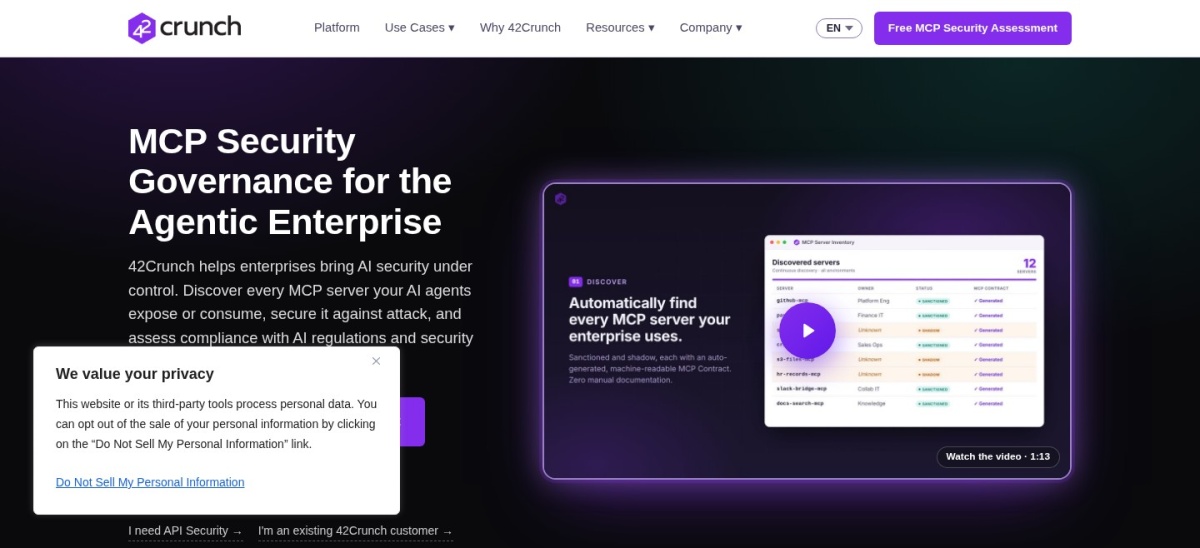
42Crunch is a developer-first API security platform built around the OpenAPI contract. It audits API definitions in the IDE, scans live endpoints for contract violations and OWASP API Top 10 issues, and now covers MCP servers too. Individual plans were listed at $9 a month for 1,000 security tokens, with a 14-day trial.
The trade off is that the public pricing page now leads with enterprise plans and a sales quote, so the $9 individual price could not be confirmed on the vendor site today. It suits teams that want contract checks early, in the editor, before an API reaches staging.
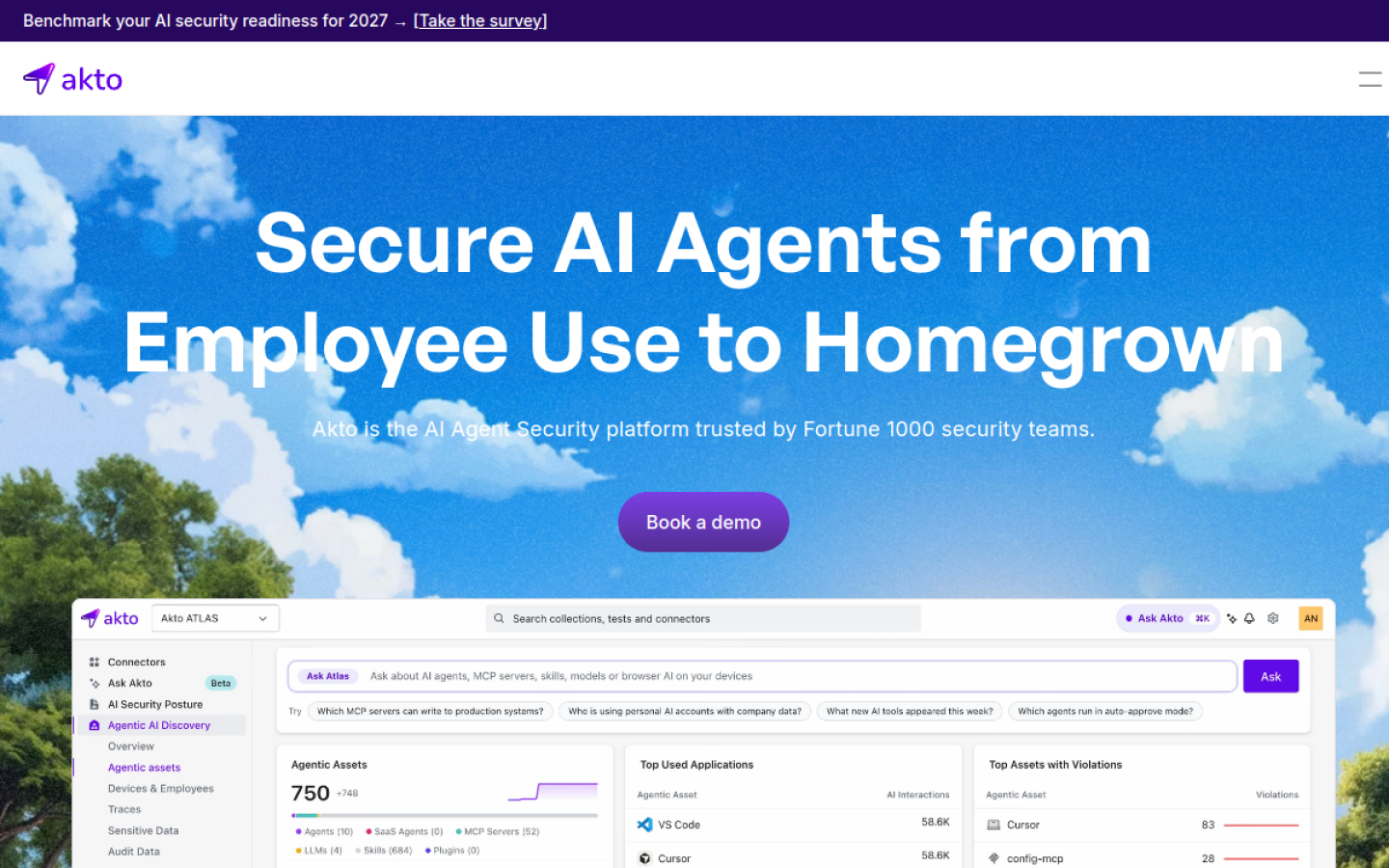
Akto is an API security platform that combines discovery, posture checks and automated testing in one place. The free tier covers a small API set, while Professional at $1,890 a month raises the limit to 500 endpoints and 1 million tests, and adds Jira integration, CI/CD support, alerting and reporting.
The trade off is price. Professional costs $22,680 a year, and the vendor pricing page now shows Contact Sales for its current Atlas and Argus packages, so the $1,890 figure comes from G2 vendor pricing. It suits mid-market teams that need continuous coverage, not a one-off scan.
What we like
Rated 4.5 out of 5 on G2 from 55 reviews
Finds shadow APIs from traffic, not only specs
Free tier for a small API set
CI/CD, Jira and alerting on Professional
Watch out for
Professional is $22,680 a year
Current vendor page is quote-only
Paid tier is priced for mid-market teams
Enterprise adds custom limits and dedicated supportVisit akto.io
08
Bright Security
4.7/5on G2 (25 reviews, checked Nov 2026)
Starts at$48,000/yr
Best for low-noise DAST on live APIs
Free planNo, trial and demo
False positivesUnder 3% on validated findings
API coverageREST, GraphQL, gRPC
Paid planEnterprise, from $48,000/yr
brightsec.com
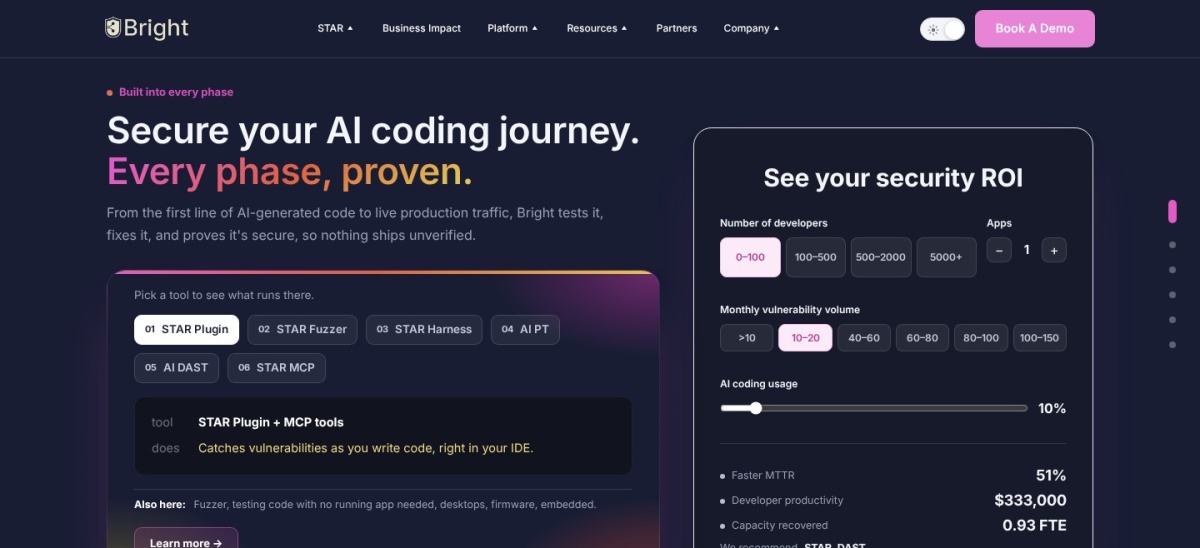
Bright Security homepage, captured Nov 2026.
Bright Security is a developer-led dynamic testing platform for web applications and APIs, now sold as the Bright STAR platform. It reports under 3% false positives on validated findings, covers REST, GraphQL and gRPC APIs, and plugs into CI/CD with a command-line scanner. Bright publishes no rate card, and a marketplace listing puts a 1-engine enterprise plan at $48,000 a year.
The trade off is cost and setup. The price puts it out of reach for small teams, and reviewers note a learning curve in the dashboard and scan setup. It suits larger teams that want validated findings developers can trust without triaging every alert.
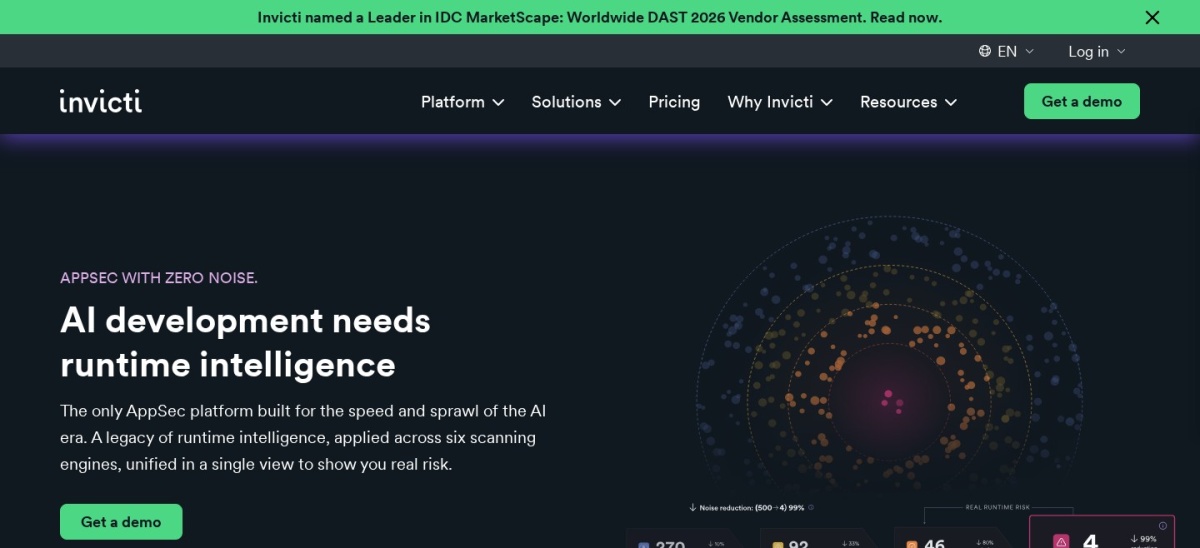
Invicti Web + API, formerly Acunetix, is a mature dynamic scanner for web applications and APIs. Its proof-based scanning safely exploits many findings to confirm they are real, which cuts triage time, and it covers REST, SOAP and GraphQL APIs with schema import. Pricing is quote-based, with a marketplace listing at $7,000 a year for 5 targets.
The trade off is licensing per target. Each domain or subdomain counts as a target, with a five-target minimum, so dev, staging and production copies multiply the bill. It suits security teams running scheduled, compliance-driven scans across a defined set of apps and APIs.
Free tools cover the basics well. ZAP scans APIs from a spec at no cost, and the free tiers of APIsec, Postman and Akto let a small team start without a purchase.
Paid plans mostly add depth and automation. You get business-logic attack coverage, proof-based confirmation, CI/CD integrations and support that answers within a day.
If an API handles payments or personal data, a free scanner will usually find the flaw, but not prove it or file it in your tracker. Our guide on how to check a plugin for vulnerabilities makes the same point for WordPress: a finding only helps once someone acts on it.
For a small API with few endpoints, start free and pay only when scans need to run on every build. For a large estate, budget for a tool that discovers shadow APIs as well as testing the ones you know about.
How we chose
We started from the API security testing tools with a G2 profile and a public pricing page or marketplace listing, then kept the 9 with the clearest API testing focus, from manual proxies to API-only platforms.
Prices come from each vendor pricing page, checked on 24 November 2026, with marketplace listings used only where the vendor publishes no price. Ratings and review counts come from G2 on the same day. Where a vendor shows a sale, the list shows the regular price.
We left out tools with no public rating and no published price. No vendor paid for a place, and we do not claim to have used these tools ourselves.
How to choose an API security testing tool
Start from your API definition and your pipeline, then pick the tool that fits both.
Count your endpoints and specs. A tool priced per endpoint gets costly fast on a large estate, while a per-user tool suits a small team with many APIs.
Check the spec formats it imports. Your tool must read the OpenAPI, GraphQL or gRPC definitions you already ship, or scans will miss undocumented endpoints.
Run it in CI/CD before you buy. A trial scan on staging shows the real false-positive rate and whether developers can read the findings without help.
Plan who triages the findings. Proof-based tools cut triage time, while free scanners need someone to check each alert before it reaches a developer.
FAQ
What is the best API security testing tool?
Burp Suite Professional is the best pick for most teams, rated 4.8 out of 5 on G2 from 140 reviews. It combines a manual proxy with an automated scanner, though each user needs a $499 yearly licence.
What is the best free API security testing tool?
OWASP ZAP is the best free option. It is open source, rated 4.7 out of 5 on G2, and scans APIs from OpenAPI, GraphQL and SOAP definitions, with Docker images for CI/CD pipelines.
How much does API security testing cost?
Prices in this list run from free to $48,000 a year. Entry points are $9 a month for Postman Solo or 42Crunch Individual, $10 per user a month for StackHawk, and $499 per user a year for Burp Suite Professional.
Can Postman test API security?
Postman can run security rules and checks beside functional API tests, and its Simple Security add-on flags common flaws. It is not a dedicated attack scanner, so pair it with ZAP or a paid DAST tool for deeper coverage.
What is the difference between DAST and API security testing?
DAST tests a running application from the outside, like an attacker. API security testing is DAST aimed at APIs, starting from the API spec and testing authorization, business logic and data exposure that a page crawler would miss.
Do I still need manual penetration testing?
Yes. Automated scanners find known flaw classes fast, but business-logic flaws and chained attacks still need a person who understands what the API is meant to do.