Best AI Tools to Make Money in 2026: 9 Tools Compared
WLWPLegible EditorsLast verified 22 Nov 2026How we rank7 min read
★ Short answer
ChatGPT is the best AI tool to make money, with versatile writing, coding and research for freelance work at $20 a month. Midjourney is the best design pick at $8 a month billed yearly, while Claude is the best writing pick at $17 a month.
How we make this list: we compare pricing pages, product documentation and public user reviews, then re-check every price before each update. No product paid for a place. Disclosure.
ChatGPT leads for freelance work at $20 a month, rated 4.6 out of 5 on G2 from 5,231 reviews.
Midjourney is the best design pick at $8 a month billed yearly, with commercial use for organisations under $1M revenue.
Claude is the best writing pick at $17 a month billed yearly, rated 4.7 out of 5 on G2.
ElevenLabs is the cheapest voice tool at $5 a month, with realistic voiceovers and voice cloning.
Gumroad is free to start, with no monthly fee to list digital products, courses and templates.
What making money with AI needs from a tool
Making money with AI usually means selling a service or a product. Writing, coding, design, voiceovers and stores are the most common routes.
General assistants such as ChatGPT and Claude cover the most freelance work in one subscription. Specialist tools such as Midjourney and ElevenLabs cover design and voice work that general tools cannot.
Platforms such as Shopify and Gumroad are different: they do not make the work, they sell it. Shopify runs a store, while Gumroad sells digital products with no monthly fee.
No tool earns money on its own. The income comes from the service you sell, the clients you find and the quality you deliver.
ChatGPT is an AI chat assistant for writing, coding, research and image generation, used to sell freelance services. Plus at $20 a month adds advanced reasoning models, expanded messages and uploads, voice, files, Deep Research and image creation.
The trade off is usage caps bite on heavy sessions, and G2 reviewers frequently cite inaccurate answers. It suits freelancers who want one versatile tool across writing, coding and research work.
Midjourney is a text-to-image generator for art, print-on-demand and client design work. Basic at $8 a month billed yearly adds 3.3 fast GPU hours a month, about 200 jobs, SD video and commercial use for organisations under $1M revenue.
The trade off is there is no free plan, and Basic has no Relax mode, so generation stops when fast hours run out. It suits designers who sell art, prints and client design work.
Claude is an AI assistant for writing, research, analysis and coding, including Claude Code. Pro at $17 a month billed yearly adds Opus, Sonnet and Haiku models, Claude Code, Research and Projects, with at least 5 times more usage than Free.
The trade off is usage limits reset every 5 hours and weekly, and there is no native image generation. It suits freelancers who sell long-document analysis and structured writing.
Jasper is a marketing copy and content platform built around brand voice. Pro at $59 per seat a month billed yearly adds brand voice training, marketing templates, SEO integration and team collaboration.
The trade off is it costs more than general chatbots, and it is narrower than ChatGPT for non-marketing work. It suits freelancers who sell brand-consistent marketing content at scale.
Canva is a design platform with AI tools for templates, social graphics and marketing assets. Pro at $13 a month billed yearly adds Magic Studio AI design tools, templates and a Brand Kit.
The trade off is AI output is template-based, and advanced features need Pro, with monthly billing at $15 a month. It suits freelancers who sell fast template and social-design output for clients.
ElevenLabs is an AI voice generation tool for voiceovers, audiobooks and video narration. Starter at $5 a month adds realistic voiceovers, multilingual support and voice cloning.
The trade off is low tiers are credit-limited, and paid tiers are needed for commercial-scale volume. It suits freelancers who sell voiceovers and narration for video and audio products.
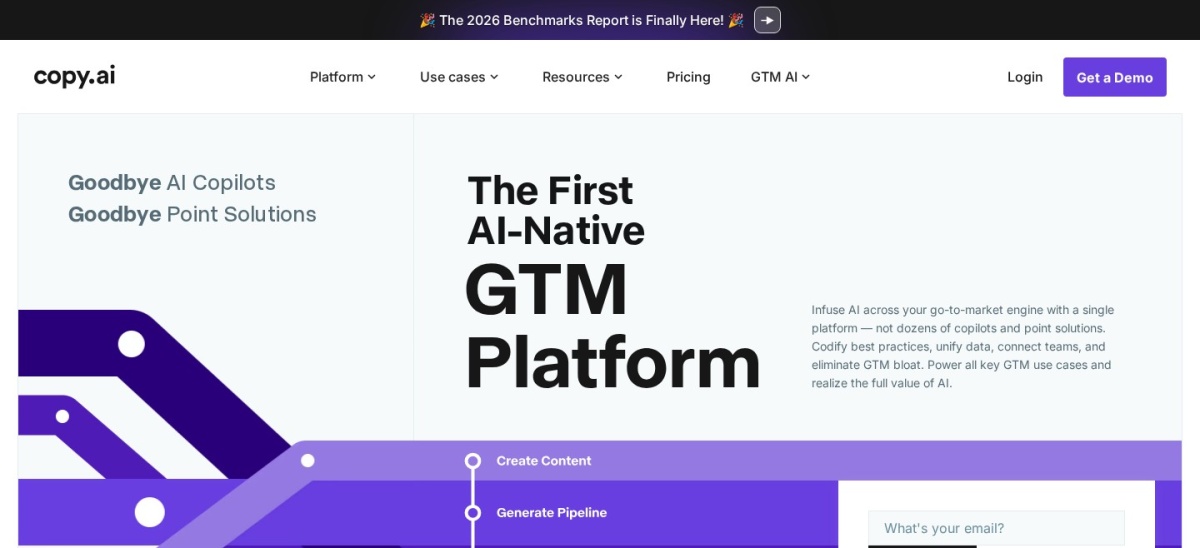
Copy.ai is an AI copywriting and go-to-market platform for sales and marketing content. Chat at $24 a month billed yearly covers 5 seats, multi-model chat and unlimited words in Chat, with workflow automation on higher plans.
The trade off is workflow credits start at $1,000 a month, so automation is enterprise-priced. It suits freelancers who sell marketing-team workflows rather than one-off chat.
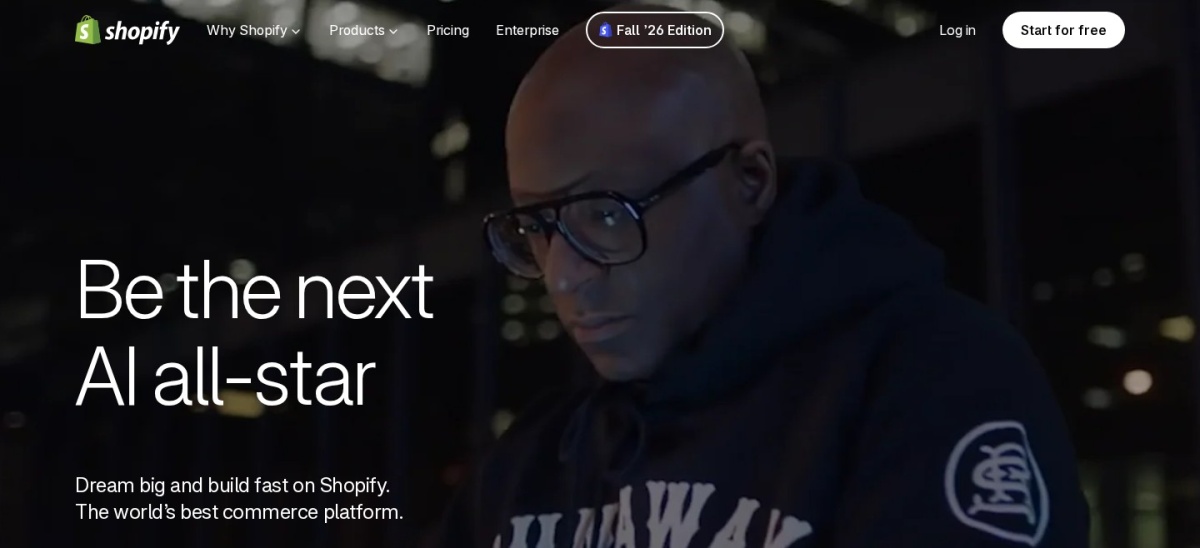
Shopify is an e-commerce platform with an AI assistant called Sidekick for running an online store. Basic at $29 a month adds Sidekick AI in every plan, a store builder, payments and apps.
The trade off is monthly cost plus apps and transaction fees add up, and setup is steeper than a single AI tool. It suits sellers who run dropshipping or print-on-demand stores.
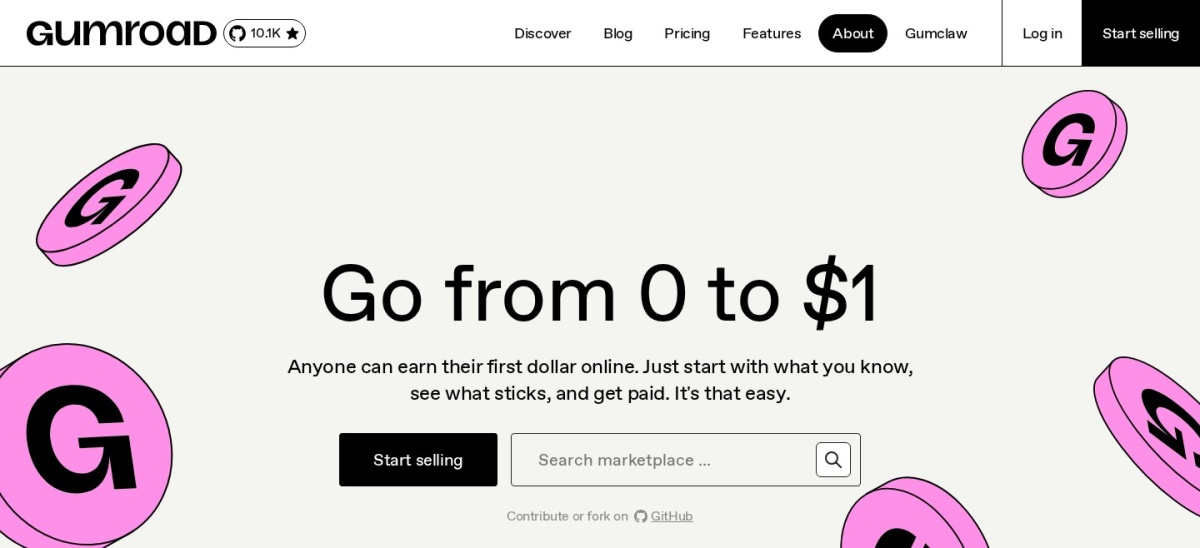
Gumroad is a platform for selling digital products, courses and templates. It is free to start, with digital product sales, courses and templates, and audience tools.
The trade off is there is no subscription price to compare, and the platform takes a cut of each sale. It suits creators who want the lowest barrier to start selling digital products.
Services sell your time: writing, design, voiceovers and coding for clients.
Products sell once and earn many times: templates, courses, prints and digital downloads.
Services pay faster, because a client pays for the work. Products scale better, because one product can sell many times.
Most people start with services, then turn the work into products as they learn what sells.
How we chose
We started from AI money-making roundups and vendor sites, then kept tools with a real income use case: freelance services, design, voice work, or selling products online.
Prices come from each vendor pricing page, checked on 22 November 2026. Ratings come from G2, Capterra or Trustpilot on the same day, where a rating was published. Where a vendor shows a sale, the list shows the regular price.
We left out tools with no published price or no public review record where a priced alternative existed. No vendor paid for a place, and this list is based on pricing, docs and reviews, not on using the tools ourselves.
How to choose an AI tool to make money
Start with the service you will sell, then check whether the tool covers that work.
Name the service first. Writing, design, voice and coding need different tools. Pick the service you will sell.
Check the free tier. ChatGPT, Claude, Canva and ElevenLabs all have free tiers. Use them to test the work before paying.
Check the commercial terms. Midjourney Basic covers commercial use under $1M revenue. Check the licence before selling client work.
Sell one service first. Offer one service to real clients, deliver it well, then add products or more services.
FAQ
What is the best AI tool to make money?
ChatGPT is the best pick to make money, with versatile writing, coding and research for freelance work at $20 a month. Midjourney is the best design pick at $10 a month, and Claude is the best writing pick at $17 a month billed yearly.
Can I make money with ChatGPT?
Yes, by selling a service it helps you deliver: writing, research, coding or data work for clients. The tool does not earn money on its own. Income depends on the service, the clients and the quality of the work.
What is the cheapest AI tool to make money?
Gumroad is free to start, with no monthly fee to list digital products. ElevenLabs Starter is $5 a month for voiceovers, and Midjourney Basic is $10 a month for design work.
Is Midjourney good for selling art?
Yes. Midjourney produces high-quality, aesthetic images for art, print-on-demand and client design work. Basic at $10 a month includes commercial use for organisations under $1M revenue.
Can AI voice tools make money?
Yes, through voiceovers, audiobooks and video narration. ElevenLabs Starter is $5 a month with realistic voices and voice cloning, but low tiers are credit-limited, so commercial volume needs a paid tier.
Should I sell services or products?
Services pay faster, because a client pays for the work. Products scale better, because one template or course can sell many times. Most people start with services, then turn the work into products.