Best AI Citation Analysis Software in 2026: 7 Tools Compared
WLWPLegible EditorsLast verified 22 Nov 2026How we rank12 min read
★ Short answer
Scite is the best AI citation analysis software for most researchers. Its Smart Citations show whether a paper was supported or disputed, not just cited, and it is rated 4.7 out of 5 on G2. Pick Elicit for AI-assisted systematic reviews and Connected Papers for visual maps of a field.
How we make this list: we compare pricing pages, product documentation and public user reviews, then re-check every price before each update. No product paid for a place. Disclosure.
Scite's Smart Citations classify each citation as supporting, mentioning or contrasting, so you can see whether a paper held up.
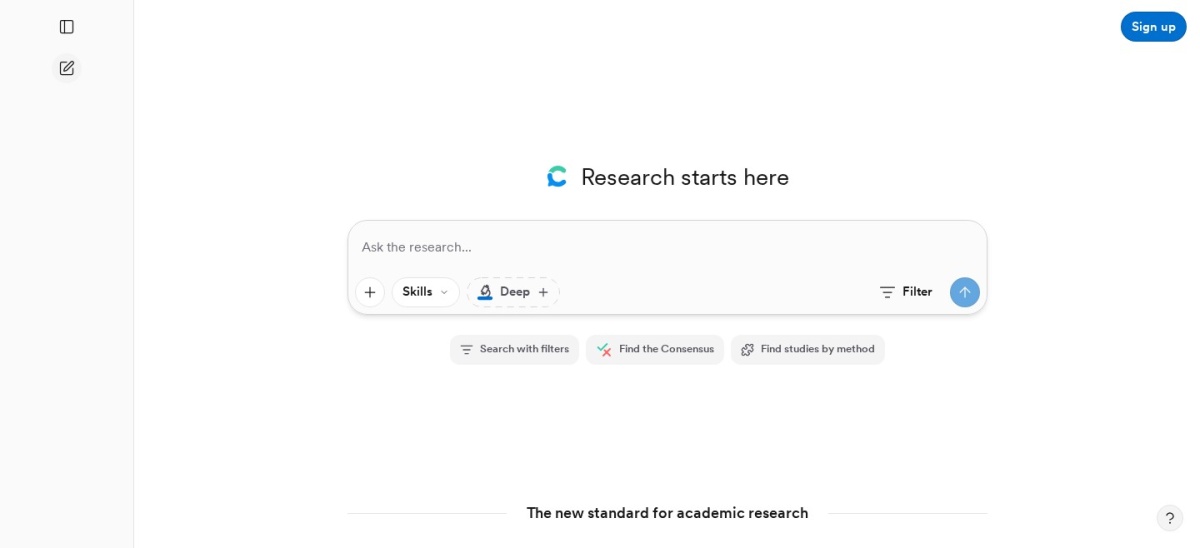
Elicit's free Basic plan searches 138 million papers and builds systematic reviews, with paid Pro at $49 a month.
Consensus answers questions in plain language with citations, but its Trustpilot score is low at 2.3 out of 5 from 7 reviews.
Connected Papers and Litmaps turn a seed paper into a visual map of related work; both have usable free plans.
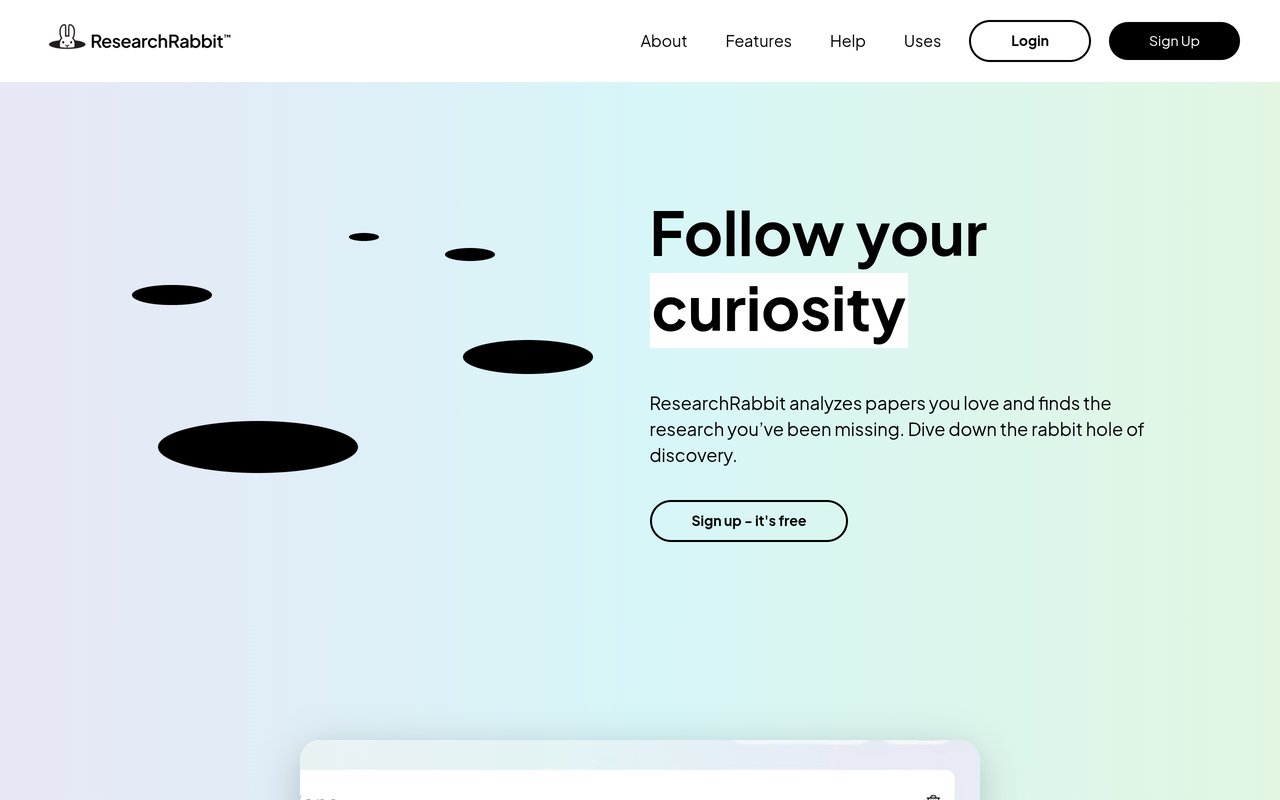
ResearchRabbit is free forever for literature discovery, with a $10 a month RR+ tier for large reviews.
Paid plans across the list run from $6 to $49 a month, and every tool here has a free plan or trial.
What AI citation analysis software should do
Citation analysis software reads the papers that cite a study and tells you what they actually said about it. The best tools classify citations as supporting, mentioning or contrasting, instead of just counting them.
That matters because a highly cited paper is not always a reliable one. A citation can repeat a result, build on it, or point out that it failed to replicate.
Most tools on this list also search the literature for you. If you write up your findings in WordPress, our guide on using AI to write blog posts in WordPress covers drafting with AI help, but for research the check is whether the tool links every claim back to a real paper.
Free plans are worth trying first. Every tool here lets you search or map papers without paying, and the paid plans mostly add unlimited searches, alerts and team features.
Scite is a citation analysis platform built around Smart Citations, which classify each citation as supporting, mentioning or contrasting a paper. Instead of a raw citation count, you see whether later research backed a finding up or pushed back on it. The search covers a large index of papers, and it is used by more than 3 million researchers.
The trade off is price and access. There is no free plan, only a 7-day trial, and Basic starts at $12 a month billed yearly. Pro costs $40 a month billed yearly and adds more searches and team features. It suits researchers who need to check whether a heavily cited paper actually held up.
What we like
Smart Citations show support and disputes, not just counts
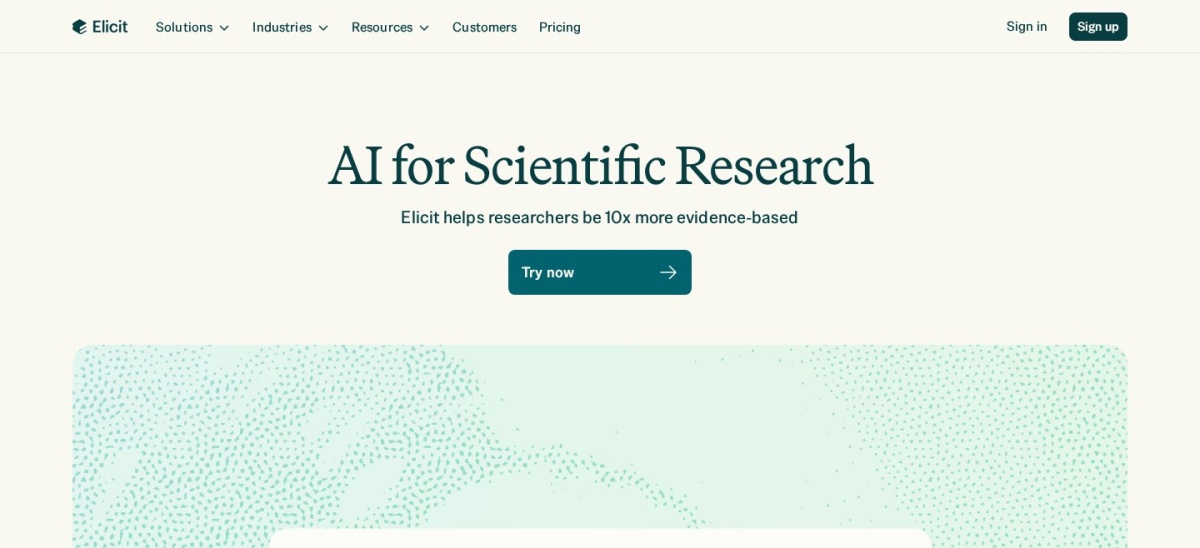
Elicit is an AI research assistant that searches across more than 138 million papers and extracts methods, results and limitations into structured tables. It can screen papers for a systematic review and summarise what each one found, which saves hours of manual reading.
The trade off is cost and a thin review record. Pro costs $49 a month billed yearly, the highest entry price in this list, and the academic Plus plan at $11 a month is a cheaper option for students. Its Capterra rating of 5 out of 5 rests on a single review, so treat it as a weak signal.
What we like
Searches 138 million papers with structured extraction
Free Basic plan for everyday literature searches
Academic pricing from $11 a month for students
Watch out for
Pro at $49 a month is the priciest entry plan here
Consensus is a search engine for research that answers a question in plain language and links each claim to the papers behind it. Its corpus covers more than 220 million peer-reviewed papers, and the free plan includes 10 Pro messages and 3 Deep reviews a month.
The trade off is trust. Consensus holds 2.3 out of 5 on Trustpilot from 7 reviews, the lowest rating in this list, so check the cited papers yourself before relying on an answer. Pro costs $12 a month billed yearly and raises the limits to 15 Deep reviews a month.
What we like
Answers questions in plain language with citations
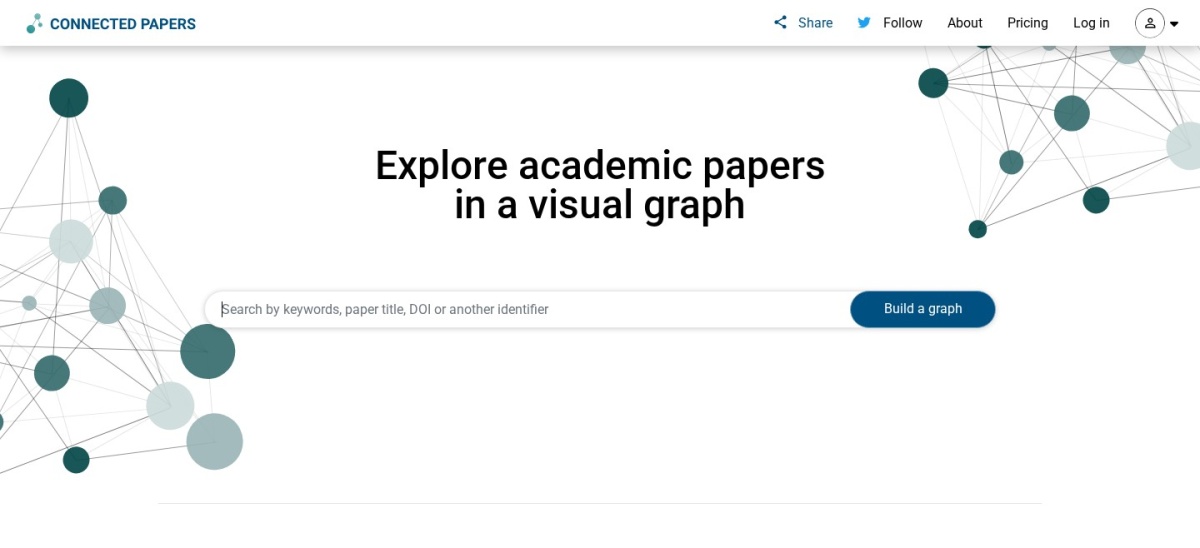
Connected Papers is a visual discovery tool that builds a graph of papers similar to one you start with. Each node is a paper, and papers that cite each other sit close together, so you can see the structure of a field at a glance. The free tier includes 5 graphs a month.
The trade off is depth. A graph shows similarity, not whether a paper was supported or disputed, so pair it with Scite when a claim matters. Academic costs $6 a month billed yearly for unlimited graphs, and Business is $20 a month. Prices vary by country.
4.3/5on Trustpilot (349 reviews, checked Nov 2026)
Paid from$10/mo
Best for tracking new papers automatically
Citation mapsYes
Free maps2
AlertsMonthly, free
Paid planPro Education, $120/yr
litmaps.com
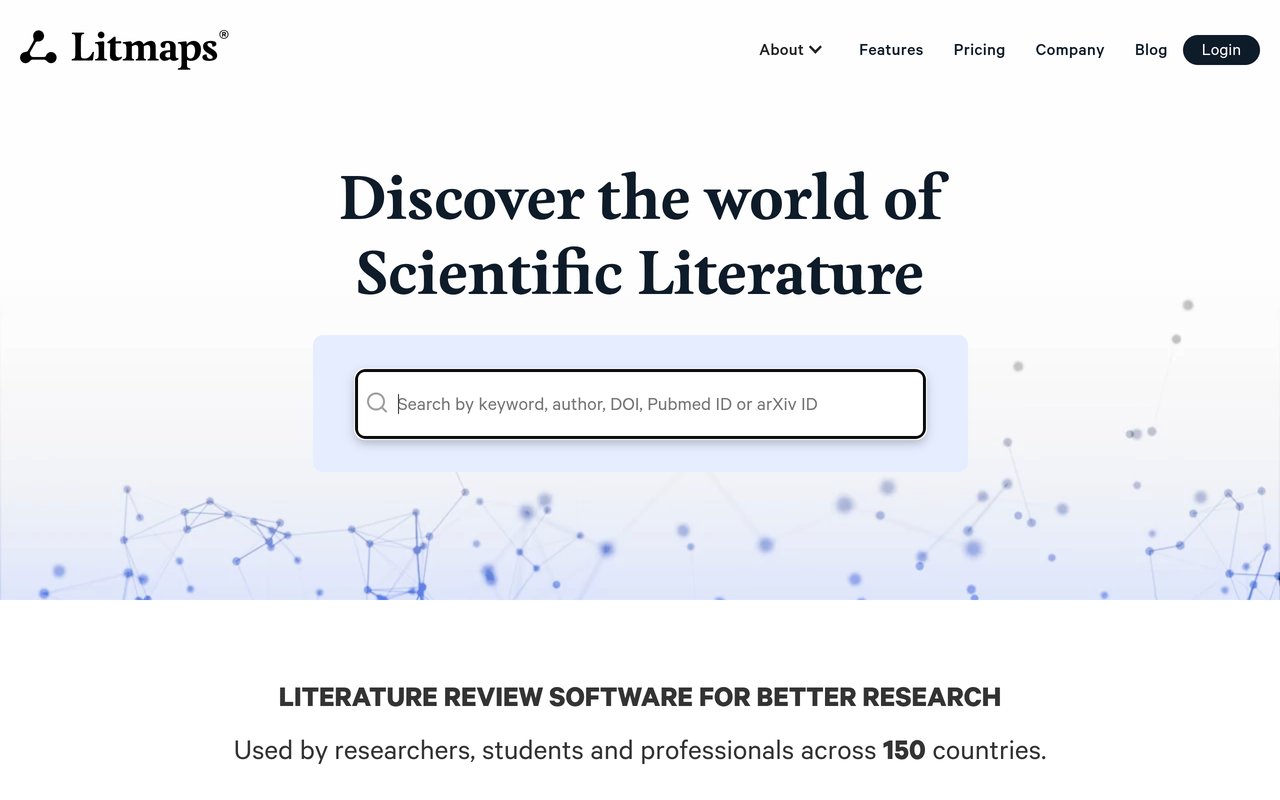
Litmaps homepage, captured Nov 2026.
Litmaps is a citation mapping tool that draws a live map of papers around your topic and updates it as new research appears. The free plan gives you 2 maps, 100 articles per map and monthly alerts, and it is used by more than 350,000 researchers in 150 countries.
The trade off is that the free plan is small. Two maps and 100 articles per map fill up fast on a big literature review, so most regular users need Pro Education at $10 a month billed yearly. Commercial Pro is $40 a month, and prices vary by country.
What we like
Maps update automatically as new papers appear
Trustpilot rating of 4.3 out of 5 from 349 reviews
4.3/5on Trustpilot (412 reviews, checked Nov 2026)
Paid from$12/mo
Best all-in-one reading and writing workspace
Paper search280M+ papers
Free credits100 a month
Chat with PDFYes
Paid planPremium, $144/yr
scispace.com
SciSpace homepage, captured Nov 2026.
SciSpace is an all-in-one academic workspace that searches more than 280 million papers, chats with PDFs and runs AI-assisted literature reviews. The free Basic plan includes 100 credits a month, and Premium adds 1,200 credits a month plus deeper review tools.
The trade off is credits. Heavy users can burn through the monthly allowance, and the higher tiers climb to $70 and $160 a month billed yearly. Premium at $12 a month billed yearly is the budget pick here, backed by 412 Trustpilot reviews, the largest sample in this list.
What we like
Largest review sample here: 412 Trustpilot reviews
Search, PDF chat and literature reviews in one tool
ResearchRabbit is a free discovery tool that maps a research field from papers you already like. Add seed articles and it finds related work, authors and journals, with unlimited searches across more than 310 million articles and unlimited collections.
The trade off is that the free tier caps you at 50 seed articles, which is tight for a very large review. RR+ costs $10 a month for up to 300 seed articles, advanced search controls and integrity alerts, and the price varies by country. It is now run by Litmap Limited, the company behind Litmaps.
What we like
Free forever, with unlimited searches and collections
Every tool on this list has a free plan or trial, and for most researchers the free tier covers a first literature search.
Paid plans mostly add volume: more searches, more maps, more seed articles and alerts that run automatically.
The exception is Scite, which has no free plan at all. Its 7-day trial is the only way to try Smart Citations before paying $12 a month.
How we chose
We started from every AI citation analysis tool with a public rating on G2, Capterra or Trustpilot, then kept those with a real product and a working free plan or trial.
Prices come from each vendor's pricing page, checked on 22 November 2026, except Connected Papers, whose page lists no prices; its figures come from recent secondary reads. Ratings come from G2, Capterra and Trustpilot on the same day. Where a vendor shows a sale, the list shows the regular price.
We left out tools with no public rating, such as Undermind, Scholarcy and Semantic Scholar. No vendor paid for a place, and we do not claim hands-on testing for this list.
How to choose AI citation analysis software
Start with the question you need answered, then pick the tool that answers it.
Check whether a paper held up. If you need to know whether a finding was supported or disputed, Scite's Smart Citations are the only tool here built for that job.
Pick maps for exploring a new field. Connected Papers, Litmaps and ResearchRabbit all grow a visual map from a paper you know. Try their free plans first.
Use Elicit for systematic reviews. Its structured extraction and screening fit reviews that cover many papers. Students can use the $11 a month academic plan.
Read the cited papers yourself. AI summaries and answers can miss nuance. Always open the source paper and check the claim before you cite it.
FAQ
What is the best AI citation analysis software?
Scite is the best pick for most researchers. Its Smart Citations show whether later papers supported, mentioned or contrasted a finding, instead of just counting citations, and it is rated 4.7 out of 5 on G2 from 27 reviews.
Is there a free AI citation analysis tool?
Yes. ResearchRabbit is free forever for literature discovery, and Elicit, Consensus, Connected Papers, Litmaps and SciSpace all have free plans. Scite is the only tool here with no free plan, though it offers a 7-day trial.
What is the difference between Scite and Consensus?
Scite classifies each citation as supporting, mentioning or contrasting, so you can judge whether a paper held up. Consensus answers a question in plain language with citations from 220 million papers, but its Trustpilot rating is 2.3 out of 5 from 7 reviews.
Can AI citation analysis tools replace reading papers?
No. They help you find and sort papers faster, and Scite can flag whether a finding was disputed, but they cannot judge methods or context for you. Always read the papers you cite, especially before building an argument on them.
How much does AI citation analysis software cost?
Paid plans in this list run from $6 a month for Connected Papers Academic to $49 a month for Elicit Pro, all billed yearly. Every tool except Scite has a free plan, so you can try the core features before paying.
Which tool is best for mapping a research field?
Connected Papers is the simplest choice: paste in one paper and it draws a graph of similar work. Litmaps adds alerts as new papers appear, and ResearchRabbit grows maps from papers you already like, free forever.