Best Ad Mediation Platform in 2026: 7 Tools Compared
WLWPLegible EditorsLast verified 22 Nov 2026How we rank12 min read
★ Short answer
AppLovin MAX is the best ad mediation platform for most publishers, with free first-price bidding across 25+ networks and a 4.2 out of 5 G2 rating from 21 reviews. Pick Google AdMob for Google demand in one account, or Unity LevelPlay if your game is built in Unity.
How we make this list: we compare pricing pages, product documentation and public user reviews, then re-check every price before each update. No product paid for a place. Disclosure.
AppLovin MAX is the best pick for most game publishers: free first-price bidding across 25+ networks, rated 4.2 out of 5 on G2.
Google AdMob suits general apps best, with Google demand plus mediation in one free account and a $100 payout minimum.
Appodeal has the highest G2 rating in this list at 4.7 out of 5, and it owns no ad network, so its auction has no conflict of interest.
Unity LevelPlay is the natural pick for Unity-built games, with a 20+ network auction and install from the Unity Editor.
Every platform here is free to join, so compare payout terms and minimums instead of subscription prices.
What an ad mediation platform does
An ad mediation platform runs one auction for every ad impression in your app or on your site, instead of letting a single network set the price. More bidders competing for the same impression usually means higher revenue per impression and better fill rates.
Almost none of these platforms charge a subscription. They are free for publishers and earn from the networks' side or from a revenue share, so the real cost comparison is payout timing, payout minimums and who owns the demand.
App and web need different tools. In-app mediators such as MAX, AdMob and LevelPlay run inside an SDK, while a web ad server such as Google Ad Manager runs in the browser or on a server. Pick the side your inventory lives on.
Ads are only one way an app earns. Our guide to the best lead generation plugins covers tools that turn visitors into contacts, which pairs well with ad revenue for content apps.
Ad formatsBanner, MREC, interstitial, rewarded, native, app-open
Free for publishersYes
PayoutAround the 15th, net-15
applovin.com
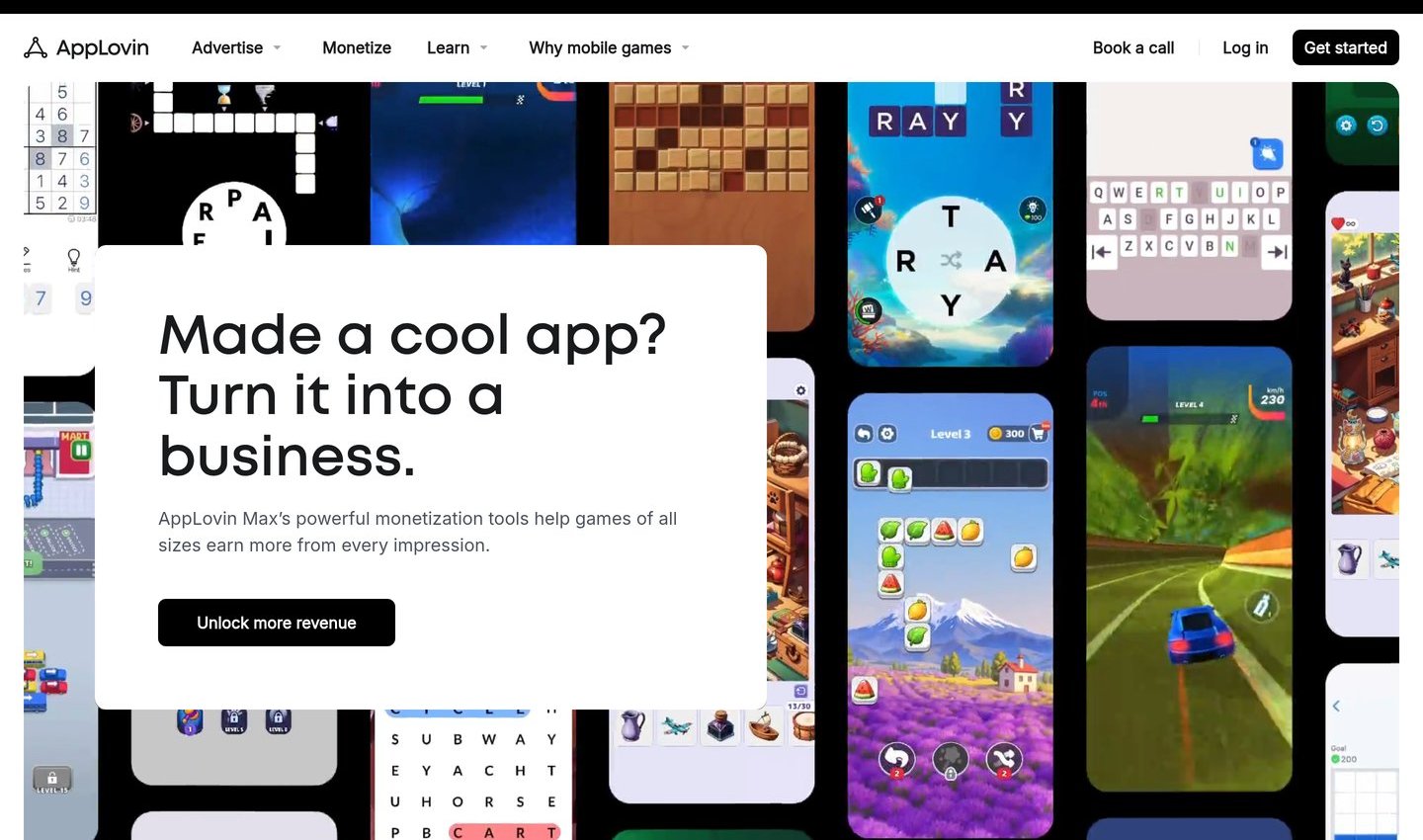
AppLovin MAX homepage, captured Nov 2026.
AppLovin MAX is a free in-app bidding mediation platform for mobile games and apps. It runs a single first-price auction across 25+ networks, so every impression goes to the highest bidder instead of down a waterfall list. It covers banner, MREC, interstitial, rewarded, native and app-open formats, and AppLovin says most publishers finish integrating in under a day.
The trade off is that MAX is free because the networks pay, not the publisher, and AppLovin's own network bids in the auction it runs. Payouts also stay split across networks, so finance work does not shrink. It suits game studios that want the broadest auction with the least payout friction.
What we like
Free for publishers, with bidding networks paying AppLovin a fee
First-price auction across 25+ networks, with a Mediation Debugger
Low payout friction: around the 15th of the following month
Watch out for
AppLovin's own network bids in the auction it runs
Payouts stay split across networks, with no single payout
Ad formatsBanner, interstitial, rewarded, native, app-open
Min. payout$100
Payment timingAround the 21st
admob.google.com
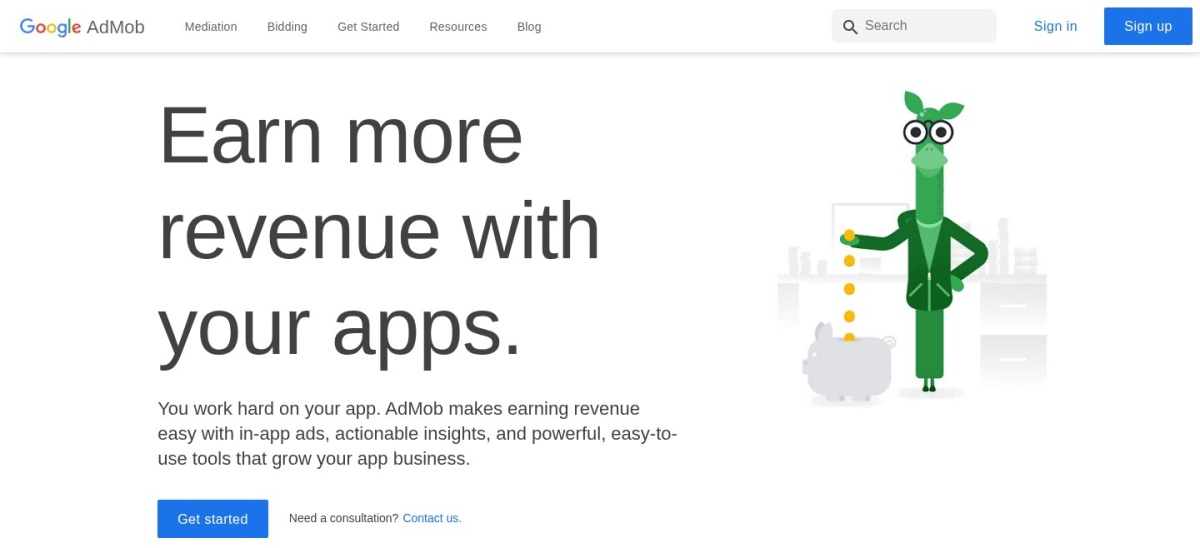
Google AdMob homepage, captured Nov 2026.
Google AdMob is a free ad network and mediation platform for app publishers of any size. Its strength is demand: Google's advertiser pool fills almost any impression, in almost any country, and built-in mediation lets other networks compete against it in the same SDK. It covers banners, interstitials, rewarded ads, native and app-open formats, with Firebase reporting built in.
The trade off is Google's policy enforcement. A policy violation can suspend an account with limited recourse, and support for small publishers is mostly self-serve documentation. Google also does not publish its own revenue split. It suits any app publisher that wants Google demand with straightforward mediation.
What we like
Largest advertiser demand pool, with near-universal fill
Mediation groups let other networks compete in one SDK
Firebase and Google Analytics 4 reporting built in
Watch out for
Policy violations can suspend an account with limited recourse
Ad formatsRewarded, interstitial, banner, MREC, native
PayoutNet-60
Min. payout$100
unity.com
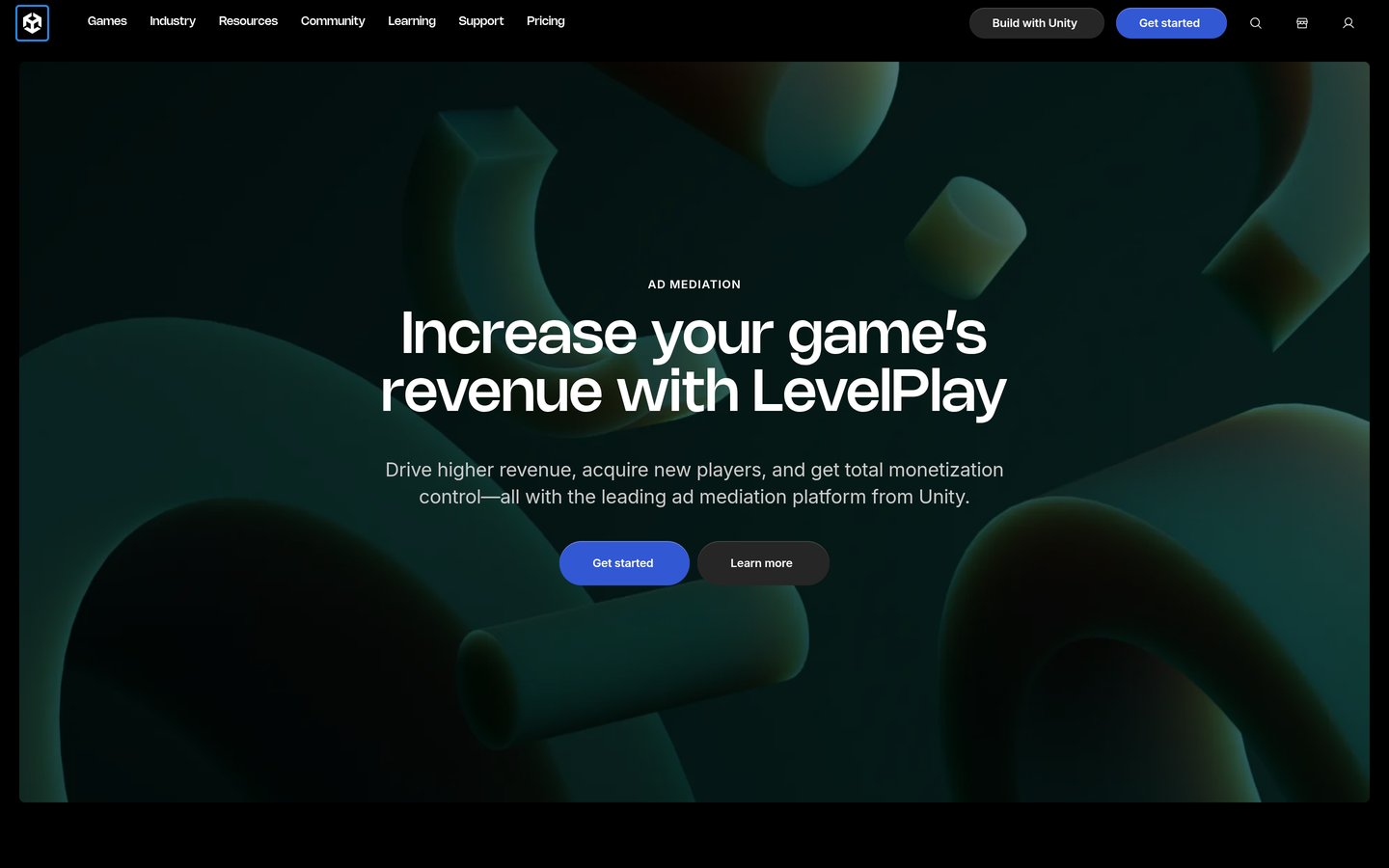
Unity LevelPlay homepage, captured Nov 2026.
Unity LevelPlay is Unity's mediation platform, built on the ironSource technology Unity acquired in 2022. For a studio building in Unity, it installs from the editor through the Ads Mediation package, and the same dashboard handles segments, A/B tests and real-time reports. Its unified auction covers 20+ networks across rewarded, interstitial, banner, MREC and native formats.
The trade off is that Unity shut down the ironSource Ads direct-demand business in April 2026, so one demand source is gone, and the platform is built around Unity workflows, which adds friction for non-Unity apps. Payouts run net-60 with a $100 minimum, so cash arrives slowly. It suits Unity-built games that want mediation close to the editor.
What we like
Installs from the Unity Editor, with no separate SDK download
Unified auction across 20+ networks
Segments, A/B tests and real-time reports in one dashboard
Watch out for
ironSource Ads direct demand shut down in April 2026
Built around Unity workflows; less handy for non-Unity apps
Net-60 payouts with a $100 minimum
Free to use; revenue share terms are not publishedVisit unity.com
04
Appodeal
4.7/5on G2 (16 reviews, checked Nov 2026)
PriceFree
Best independent mediation platform
Demand sources70+
Free to joinYes, no traffic minimum
PayoutNET 30
Min. payout$100
appodeal.com
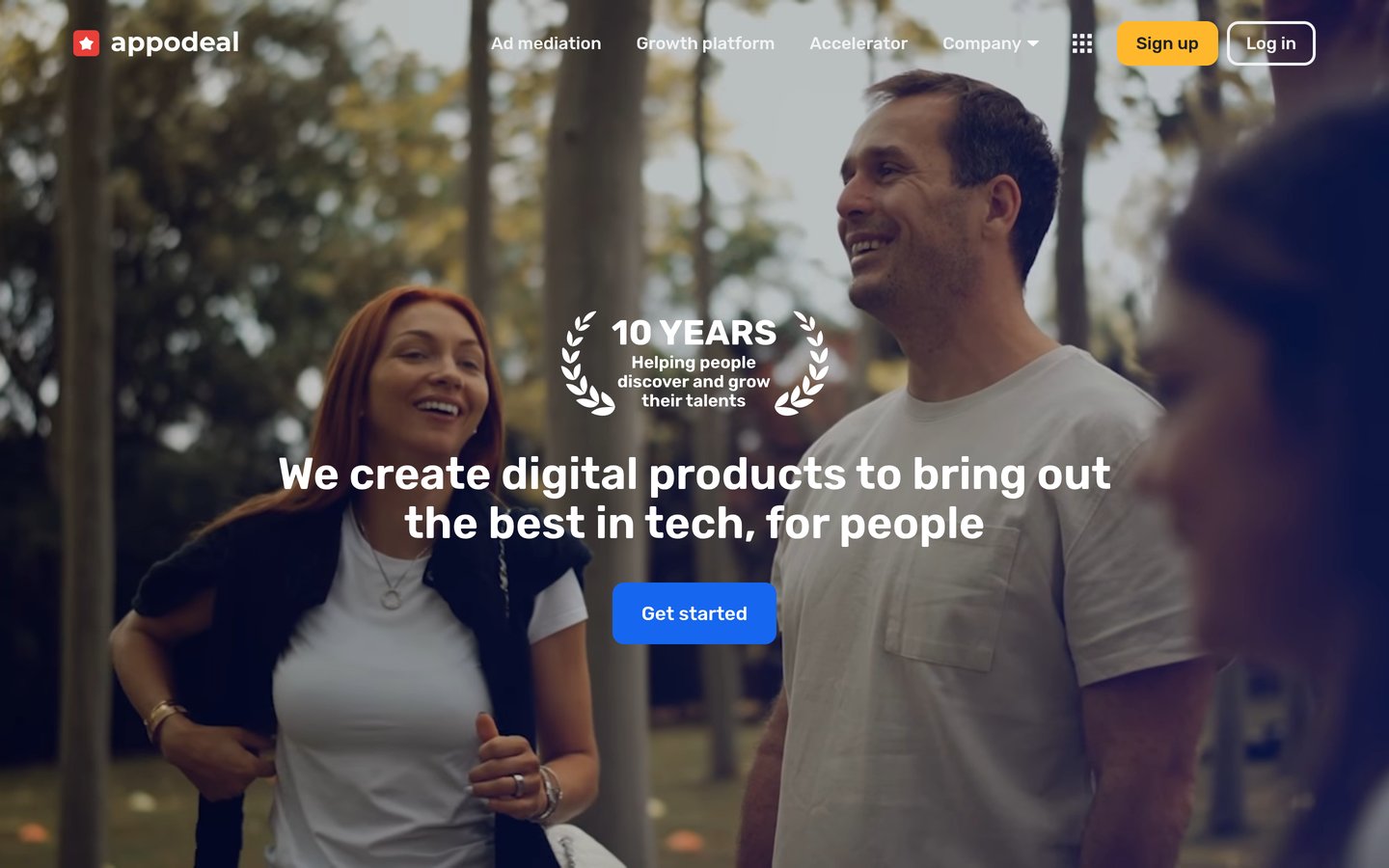
Appodeal homepage, captured Nov 2026.
Appodeal is an independent mediation platform that owns no ad network, so its auction has no reason to favour one bidder over another. It connects an app to 70+ demand sources through one SDK, with parallel bidding and automated waterfall decisions by country and placement. It is free to join with no minimum traffic requirement, and it holds the highest G2 rating in this list.
The trade off is that Appodeal publishes no price list, so revenue-share terms are agreed per account rather than listed. Appodeal says it takes a share of the extra revenue its optimisation creates, about 10% of total revenue on average by its own account. It suits small teams that want breadth without managing each network.
What we like
Independent: owns no ad network, so no conflict of interest
Parallel bidding across 70+ demand sources
Highest G2 rating in this list, at 4.7 out of 5
Watch out for
No published price list; terms are agreed per account
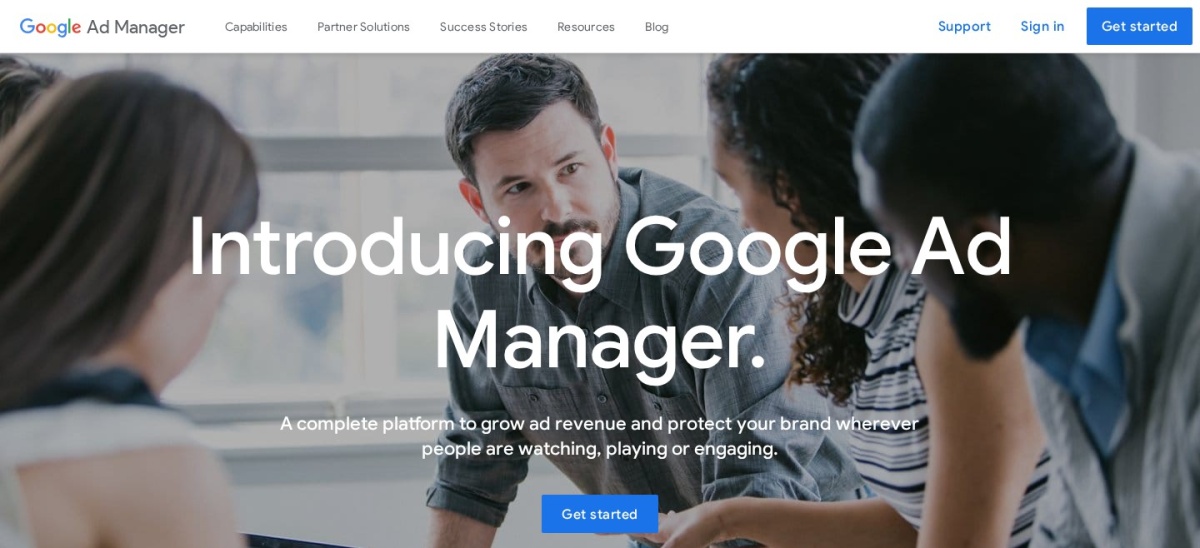
Google Ad Manager is the ad server most publishers graduate to after AdSense. It is free up to 90 million non-video impressions a month in the US, Canada, Australia and New Zealand, and it holds direct-sold campaigns, programmatic demand, forecasting and Open Bidding in one place. The AdX demand inside it is something no independent server can match.
The trade off is complexity. The interface assumes trained ad-ops staff, it cannot be white-labeled at any price, and passing the free tier means Ad Manager 360, whose pricing is negotiated per publisher and not published. It suits web publishers with real traffic and direct deals to manage.
What we like
Free up to 90M non-video impressions a month
Direct deals, programmatic demand and forecasting in one place
AdX demand no independent server can match
Watch out for
Built for trained ad-ops staff, not beginners
Cannot be white-labeled at any price
Ad Manager 360 pricing is negotiated, not published
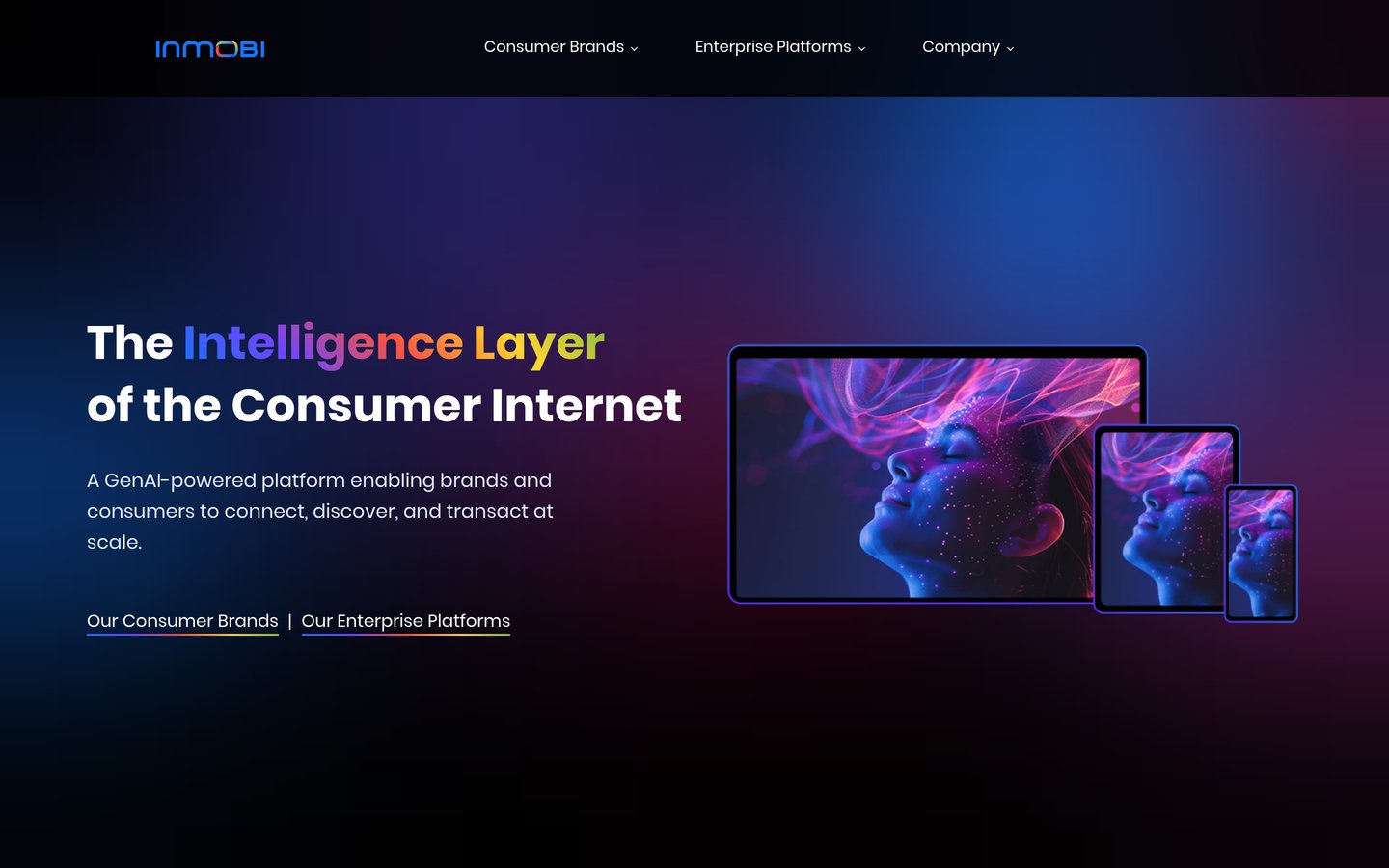
InMobi is a global independent mediation and monetization platform, and its strength is geography. In India, Southeast Asia, the Middle East and Africa it often out-fills Western networks, backed by an exchange with 200+ demand-side platforms and more than 5,000 programmatic buyers. Brand-advertiser relationships add premium demand a pure programmatic stack does not reach.
The trade off is that the advantage fades for purely Western audiences, where fill and eCPM trail AdMob and AppLovin, and reviewers report less reliable earnings outside its strong regions. InMobi publishes no price list, so terms are agreed per account. It suits publishers whose users are in its home markets.
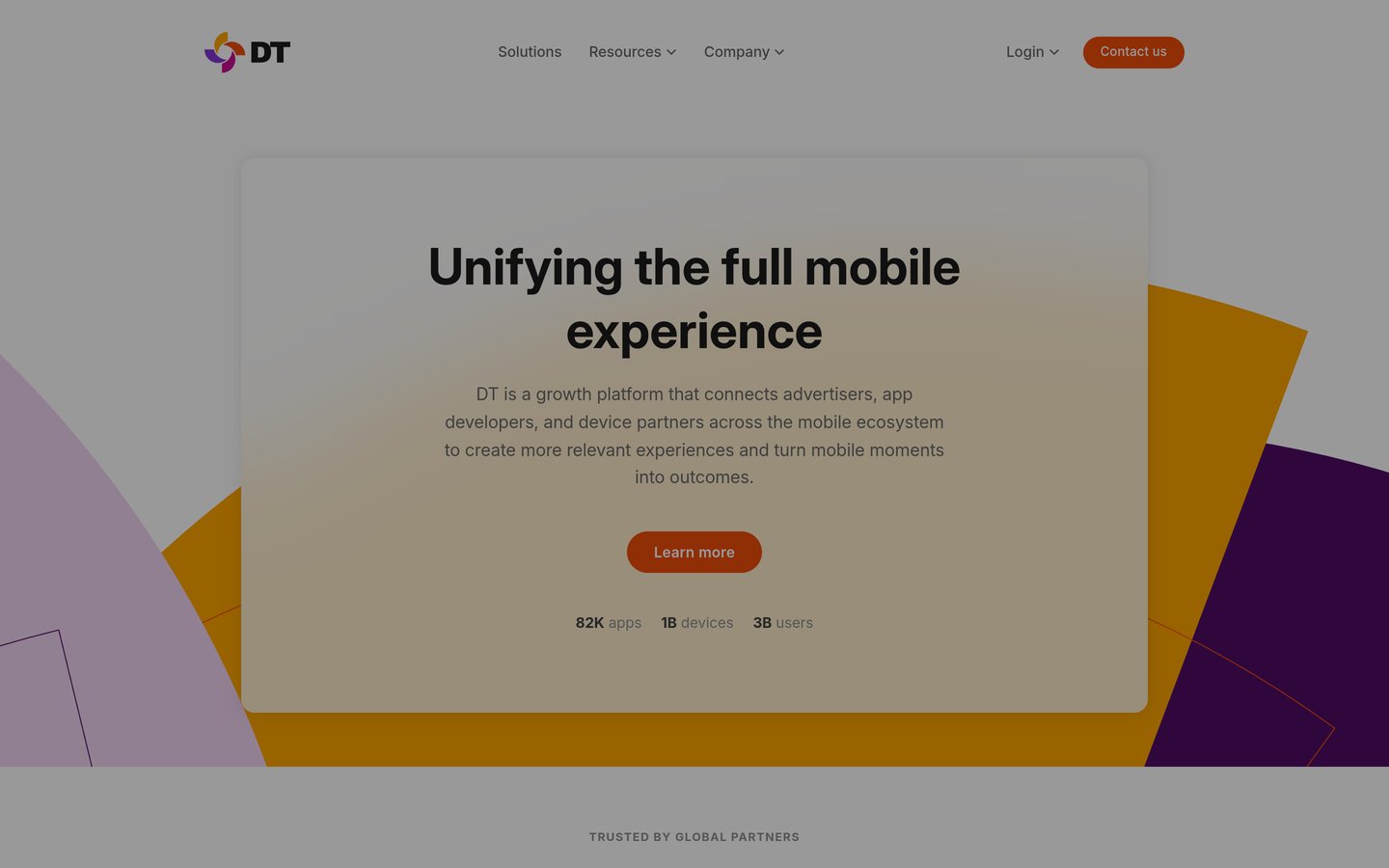
Fyber is Digital Turbine's mediation platform, built around FairBid, a unified in-app auction with unusually transparent reporting on who bid and who won each impression. Its extra format is Offer Wall Edge, which rewards players with in-game currency for completing offers. Digital Turbine claims more than 40 billion daily ad opportunities across its platform.
The trade off is thin evidence. Its G2 rating of 4.0 out of 5 rests on only 4 reviews, and Fyber publishes no price list, so the revenue-share rate is agreed per account. It suits game publishers that want a transparent auction plus offer-wall revenue from an independent stack.
What we like
FairBid auction reports who bid and who won
Offer Wall Edge adds a rewarded-task format
Part of Digital Turbine's independent growth platform
Watch out for
G2 rating rests on only 4 reviews
No published price list; rate agreed per account
Free to integrate; revenue share agreed per accountVisit fyber.com
What free really means in ad mediation
Every platform in this list is free to join. The cost is a revenue share or a network-side fee, so the price ladder above is a row of zeros, and the real comparison is payout terms, minimums and who owns the demand.
Get the revenue-share terms in writing before you integrate. Appodeal, Fyber and InMobi publish no rate, and AdMob does not publish its own split, so the exact share you keep is not visible from outside.
Payout timing varies more than price. MAX pays around the 15th of the following month, AdMob around the 21st, and LevelPlay pays net-60, so the same month of revenue can arrive weeks apart.
Common mistakes when picking a mediator
Relying on a single demand source is the most common mistake. Run more than one source so one network's bad month does not sink your revenue.
Assuming every partner works in every stack is the second. Google AdX cannot bid inside a Prebid auction, so check each demand partner against the mediation layer you choose.
Ignoring payout minimums is the third. A $100 minimum means a small app earning a few hundred dollars a month waits months for its first payment, so model your cash flow before you integrate.
How we chose
We started from the mediation platforms publishers actually run in 2026: the big three in-app mediators, the independents, and the web-side wrappers and ad servers that do the same job for sites.
Prices and free-plan terms come from each vendor's own site, checked on 22 November 2026. Ratings come from G2 on the same day. G2 still lists LevelPlay under its old ironSource name, and the review counts for LevelPlay, Fyber and Google Ad Manager come from G2 figures recorded on 4 November 2026.
We left out tools with no verifiable rating on G2, Capterra or Trustpilot, including Chartboost, BidMachine, Prebid and Amazon Publisher Services. PubMatic OpenWrap was also left out because its site blocks screenshot capture. No vendor paid for a place, and we do not claim hands-on testing for this list.
How to choose an ad mediation platform
Start with where your inventory lives, then check payout terms before you integrate.
Decide app or web first. In-app mediators such as MAX, AdMob and LevelPlay run inside an SDK, while a web ad server such as Ad Manager runs in the browser or on a server. Pick the side your inventory lives on.
Check which networks can bid. Google AdX cannot bid inside a Prebid auction, and some networks only join as waterfall entries, so confirm each demand partner works with the mediation layer you choose.
Compare payout terms, not prices. Every platform here is free to join, so look at payout timing and minimums: MAX pays around the 15th, AdMob around the 21st, and LevelPlay pays net-60.
Get the revenue share in writing. Appodeal, Fyber and InMobi publish no rate, and AdMob does not publish its own split, so ask for the terms before you integrate the SDK.
FAQ
What is the best ad mediation platform?
AppLovin MAX is the best pick for most publishers, especially game studios. It runs a free first-price auction across 25+ networks, is rated 4.2 out of 5 on G2, and AppLovin says most publishers integrate in under a day.
How much does an ad mediation platform cost?
Almost all of them are free for publishers. They earn from the networks' side or from a revenue share, so there is no subscription to compare. The real costs are payout timing, payout minimums and the revenue share you agree to, which some vendors do not publish.
What is the difference between an ad network and a mediation platform?
An ad network buys impressions with its own advertisers, while a mediation platform runs the auction between networks and does not usually buy the impression itself. An ad server stores your direct deals and trafficking rules, and a header bidding wrapper is the web version of a mediation platform.
Can I use Google AdMob with another mediation platform?
Yes, in most stacks. AdMob demand can bid inside MAX through partner bidding, and AppLovin is a bidding source inside AdMob mediation. Unity LevelPlay also lists AdMob as a mediated network, so Google demand can sit in the same stack there too.
Which mediation platform pays fastest?
AppLovin MAX pays around the 15th of the following month, which is the fastest timing in this list. AdMob pays around the 21st, and LevelPlay pays net-60, so the same month of revenue can arrive weeks apart. Check each network's minimum payout too, since mediated payouts stay split across networks.
Do I need an ad mediation platform for a small app?
Not always. A small app can start with AdMob alone, since Google demand fills most impressions and the account is free. Add a mediation platform such as MAX or Appodeal when you want more networks competing for each impression, which usually lifts revenue per impression once you have steady traffic.