GitHub is the best Azure DevOps alternative for most teams, with Team at $4 per user a month, a free plan, and a 4.7 out of 5 G2 rating from 2,363 reviews. Pick GitLab for an all-in-one platform with built-in security scanning, or Bitbucket if your team already lives in Jira.
How we make this list: we compare pricing pages, product documentation and public user reviews, then re-check every price before each update. No product paid for a place. Disclosure.
GitHub Team costs $4 per user a month and covers hosting, pull requests, Actions CI and security scanning in one place.
GitLab Premium at $29 per user a month is the most complete single platform, with CI, security scanning and issue tracking built in.
Bitbucket Standard at $3.65 per user a month is the cheapest paid tier here for teams already using Jira and Confluence.
Jenkins and Buildkite suit teams that want self-hosted control, but Jenkins is free while Buildkite Pro starts at $30 per active user a month.
Harness publishes no numeric price and Bamboo starts at $1,200 a year for one build agent, so budget both by quote before committing.
What should you look for in Azure DevOps alternatives?
Azure DevOps bundles five tools in one suite: Boards for planning, Repos for Git hosting, Pipelines for CI and CD, Test Plans and Artifacts. Any replacement has to cover at least the parts your team actually uses.
Most teams do not need all five. If you mainly need hosting and CI, a code platform with built-in pipelines covers the move, and our guide on deploying WordPress with GitHub Actions shows how far Actions alone goes.
Price models differ more than feature lists. GitHub and GitLab charge per user, CircleCI and TeamCity charge by usage or committer, and Bamboo charges per build agent, so the cheapest option depends on team size.
Free plans are real here. Eight of the nine tools in this list have a free plan, and Jenkins costs nothing to download, so a small team can switch without a subscription on day one.
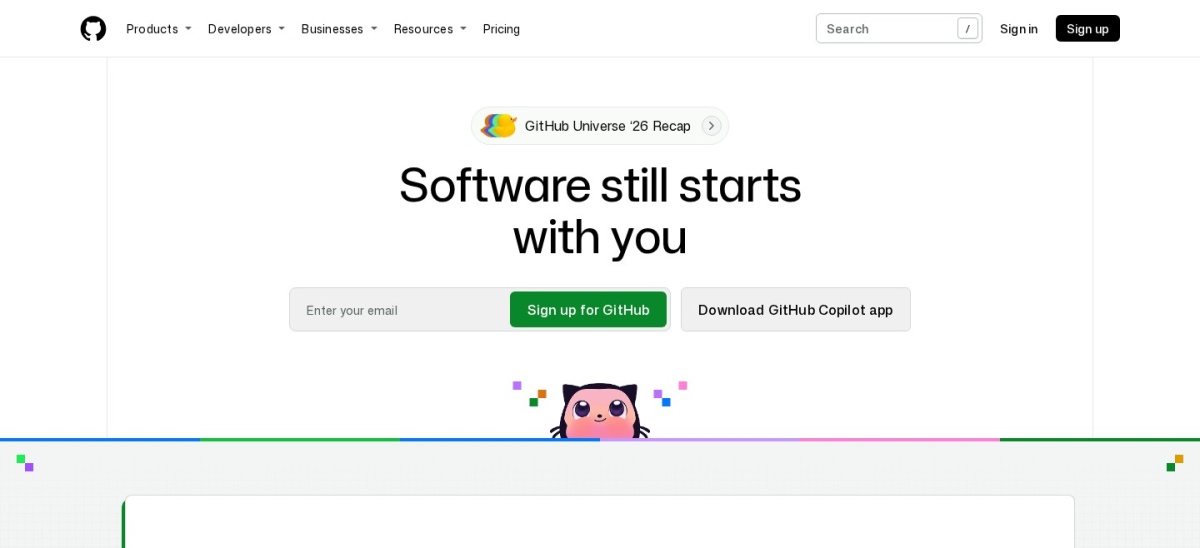
GitHub is the most widely used code hosting platform, combining Git hosting, pull requests, Actions CI and CD, package hosting and security scanning in one place. The free plan covers unlimited public and private repositories with 2,000 Actions minutes a month, and Team costs $4 per user a month with protected branches, code owners and 3,000 minutes.
The trade off is that GitHub's CI is a generalist. Dedicated engines such as CircleCI and TeamCity offer deeper build features, and Enterprise at $21 per user a month is a steep jump from Team. It suits teams of any size that already host code on GitHub.
What we like
Largest code hosting platform, so hiring and help are easy
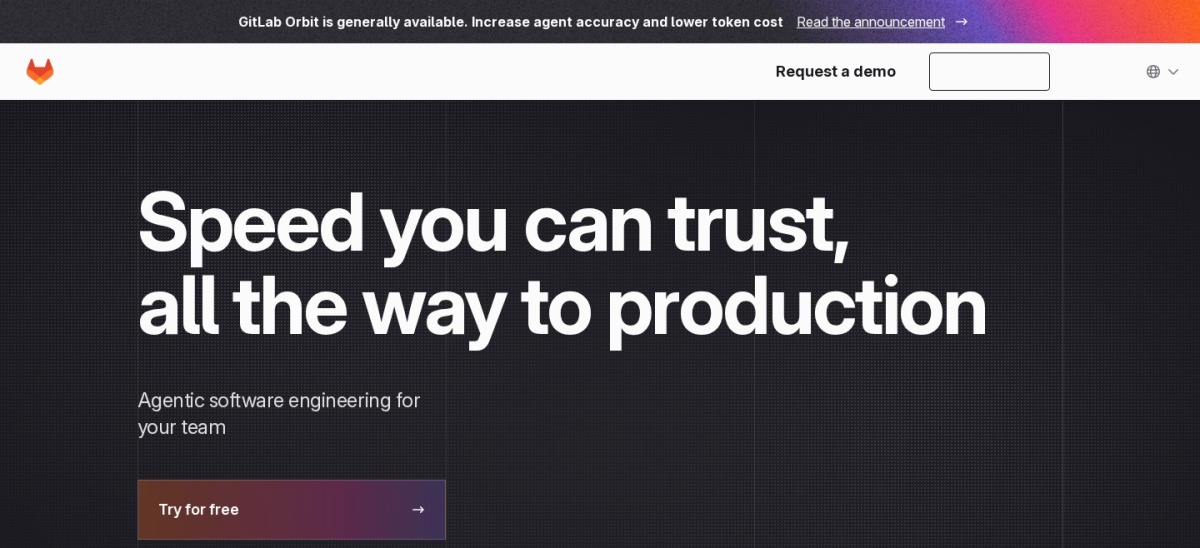
GitLab is an all-in-one DevOps platform with code hosting, CI and CD, issue tracking, security scanning and wikis in a single application. Premium costs $29 per user a month billed annually and includes 10,000 CI minutes, while the free plan covers 5 users with 400 CI minutes a month.
The trade off is complexity and price. GitLab's breadth means a longer setup than GitHub for teams that only need hosting, and $29 a seat is the highest per-user price in this list. It suits teams that want one platform from code to deployment.
What we like
One platform for the whole DevOps lifecycle
Built-in security scanning on Premium
Rated 4.5 out of 5 on G2 from 893 reviews
Self-hosted option with the free Community Edition
Watch out for
Premium at $29 a seat is the priciest per-user plan here
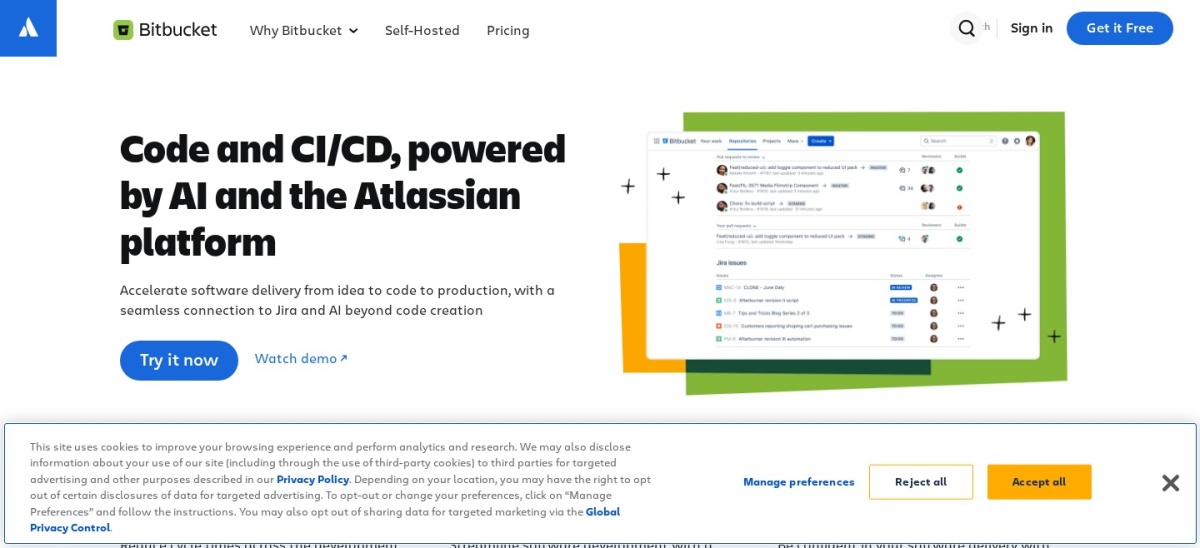
Bitbucket is Atlassian's Git hosting platform, with built-in Pipelines CI and CD and the deepest integration with Jira and Confluence of any tool in this list. Standard costs $3.65 per user a month, the cheapest paid tier here, and the free plan covers 5 users.
The trade off is ecosystem. Bitbucket shines inside Atlassian stacks and is less compelling elsewhere, and its feature set is narrower than GitHub or GitLab. It suits teams already standardised on Jira and Confluence.
Jenkins is a free, open-source automation server with more than 1,800 plugins, and it is the most flexible CI tool in this list. It runs on your own servers, supports any language or platform, and costs nothing to download or use.
The trade off is maintenance. You host, update and secure Jenkins yourself, and plugin quality varies, so a small team without a dedicated platform engineer can spend more time on Jenkins than on their product. It suits teams that need full control and have the skills to run it.
CircleCI is a dedicated cloud CI and CD platform with fast builds, self-hosted runners and reusable configuration packages called orbs. The free plan includes 30,000 credits a month for up to 5 users, and Performance starts from $15 a month with 5 users included and extra users at $15 a month.
The trade off is scope. CircleCI focuses on builds and deployments, so you still need GitHub or GitLab for hosting and issues, and credit-based billing needs monitoring on busy projects. It suits teams that want the fastest cloud CI without managing servers.
Buildkite is a hybrid CI platform: the control plane runs in the cloud while builds run on agents hosted on your own machines. The free Developer plan covers up to 5 users, 10 concurrent jobs and 2,000 Linux vCPU minutes a month, and Pro costs $30 per active user a month.
The trade off is price and setup. Pro is the second-highest per-user price here, and you still provision and maintain the machines that run your builds. It suits teams that need builds on their own hardware for security or speed.
TeamCity is JetBrains' build server, with build chains that link builds, tests and releases in a visible order, plus test reporting and flaky-test detection. The on-premises Professional tier is free with 100 build configurations and 3 agents, and Cloud starts at $45 a month for 3 committers.
The trade off is the per-committer model. Cloud charges $15 a month for each extra committer, so repositories with many occasional contributors get costly fast. It suits JetBrains IDE shops that want guided, powerful builds.
Harness is a wide DevOps platform with CI, CD and GitOps, feature flags, security testing and cloud cost management in one system. It supports canary and blue-green deployments with automated rollback, and there is a free tier for individuals and small teams.
The trade off is price opacity. Harness publishes no numeric price for Essentials or Enterprise, so costs come from a quote, and the platform is large for teams that only need CI. It suits enterprises replacing several delivery tools at once.
What we like
Broadest platform in this list
Automated rollback for canary and blue-green deploys
Bamboo is Atlassian's self-hosted CI and CD server, with deployment projects, per-environment permissions and deep integration with Jira and Bitbucket. Data Center starts at $1,200 a year for 1 remote agent, with unlimited users and projects, and a 30-day trial is available.
The trade off is cost and scope. Bamboo has no free plan and no cloud edition, so you run the server and the agents yourself, and one agent means one build at a time. It suits Atlassian shops that must self-host their CI.
What we like
Deepest Jira and Bitbucket integration for self-hosted teams
Licensed per agent, so users are unlimited
Rated 4.1 out of 5 on G2 from 69 reviews
Deployment projects with per-environment permissions
Azure DevOps is one login for five tools, and most alternatives cover only part of that set. GitHub and GitLab come closest, while Jenkins, CircleCI, TeamCity and Buildkite handle builds only.
Test Plans is the hardest piece to replace. None of the nine tools here includes a test-case manager like Azure Test Plans, so teams that rely on it need a separate test tool.
Boards are easier to replace than they look. GitHub Projects, GitLab issues and Jira all cover backlogs and boards, and Bitbucket pairs with Jira natively for teams already on Atlassian tools.
How we chose
We started from the tools most often named as Azure DevOps replacements in G2 comparisons and DevOps roundups, then kept the nine with a verifiable G2 rating and a public pricing page or a documented free tier.
Prices come from each vendor's pricing page, checked on 29 November 2026. Ratings and review counts come from G2 on the same day. Where a vendor shows a sale, the list shows the regular price.
We left out tools with no public rating and tools that cover only one small part of the suite. No vendor paid for a place, and we do not claim to have used these tools ourselves.
How to choose an Azure DevOps alternative
Start with the Azure DevOps features your team actually uses, then match the replacement to that list.
List the Azure DevOps parts you use. Boards, Repos, Pipelines, Test Plans and Artifacts are five different needs. A team that only uses Repos and Pipelines has far more options than one that needs Test Plans too.
Count users, committers and agents honestly. Per-user pricing suits small teams, per-committer pricing punishes wide contributor lists, and per-agent pricing suits teams with few concurrent builds. Model your real numbers before choosing.
Check the free plan limits first. Free tiers cap at 5 users on GitLab, Bitbucket and Buildkite, and CircleCI caps free credits at 30,000 a month. A free plan that fits today can stop fitting at the sixth hire.
Trial the top two with a real pipeline. Move one small project, run its builds and deploys, and check the integration with your issue tracker before moving the rest.
FAQ
What is the best Azure DevOps alternative in 2026?
GitHub is the best Azure DevOps alternative for most teams. Team costs $4 per user a month, the free plan covers unlimited repositories, and it is rated 4.7 out of 5 on G2 from 2,363 reviews.
What is the cheapest Azure DevOps alternative?
Jenkins is the cheapest because it is free and open source, though you pay for hosting and maintenance. Among paid plans, Bitbucket Standard at $3.65 per user a month is the cheapest, followed by GitHub Team at $4.
Is there a free Azure DevOps alternative?
Yes. Jenkins is free, and GitHub, GitLab, Bitbucket, CircleCI, Buildkite, TeamCity and Harness all have free plans. Bamboo is the only tool here with no free plan, offering a 30-day trial instead.
Which Azure DevOps alternative is best for small teams?
GitHub is the best pick for most small teams because the free plan covers unlimited repositories and Team is only $4 per user a month. Bitbucket is the better pick if the team already uses Jira, since Standard costs $3.65 per user a month.
GitHub vs GitLab: which is the better Azure DevOps alternative?
GitHub wins for most teams on price and community, at $4 per user a month against GitLab Premium at $29. GitLab wins when you want security scanning, compliance and issue tracking built into one platform without extra tools.
Can I self-host an Azure DevOps alternative?
Yes. Jenkins, GitLab Community Edition and TeamCity Professional are free to self-host, and Bamboo Data Center is built for self-hosted Atlassian teams. GitHub and Bitbucket also offer self-hosted editions, while CircleCI and Buildkite use self-hosted runners.
SaaS SEO and WordPress specialist with about 8 years of experience. Rakib compares WordPress plugins, themes, hosting and software using public pricing, documentation and user reviews. See how we rank.